Mid-sized cities in the US have become highly sought after as people look for a lifestyle that combines the vibrancy of urban areas with the warmth and community feel of smaller towns. If you’re searching for the 10 best mid-sized cities to live in the US, you’re considering urban centers with populations roughly between 100,000 and 500,000 residents. These cities strike the perfect balance — offering cultural scenes, quality dining options, and job opportunities like bigger metropolitan areas but with much more affordable living costs, less traffic, and friendly neighborhoods. For a broader perspective on urban living and what makes certain cities stand out, our compilation of the 10 Best Cities to Live in the US offers valuable insights.
With trends like remote work and greater lifestyle flexibility reshaping how people choose where to live, many are shifting attention to these thriving urban hubs. The best mid-sized cities to live in US provide an appealing alternative to overcrowded big cities or limited smaller communities. In this article, we explore why these cities are top picks, the criteria behind their selection, and detailed profiles of the 10 best mid-sized cities to live in the US — highlighting their unique charms and value. For a broader perspective on urban living options, see also our guide on 10 Best Cities to Live in the US. For those considering relocation, our guide on What to Expect When Moving to the US offers practical advice on settling into a new city.
Reasons Why You Need to Consider Mid-Sized Cities for Living
When deciding on a new home, the appeal of mid-sized cities lies in their balanced lifestyle, affordability, and potential for long-term satisfaction. Here’s why best medium cities to live in America can be ideal choices. The U.S. Census Bureau provides comprehensive demographic and migration statistics that explain the growing popularity of mid-sized urban areas in the US.
Balanced Lifestyle
Mid-sized cities provide a sweet spot between nonstop urban hustle and small-town quiet. Residents enjoy access to entertainment, cultural festivals, museums, theaters, and dining scenes without the congestion and crowds typical of large metros. Outdoor enthusiasts also find many of these cities rich in parks, greenways, rivers, and hiking trails. Discover other locations known for their walkability and outdoor-friendly environments in our article on 10 Most Walkable Cities in the US.
For example, trails for walking and biking are common, offering natural escapes just a short distance from city centers. This combination supports an active social life and wellness that’s often harder to find in bigger, congested cities. For more on vibrant cultural and urban living, check out our post on 10 Best Places to Live in the US.
Cost-Effectiveness
Housing affordability is a major advantage in most livable mid-sized US cities. Buyers and renters can often find more spacious homes and apartments at lower costs compared to large coastal or metropolitan areas. This translates to more disposable income and greater financial freedom. Those interested in understanding affordability across different urban areas might also explore our piece on 10 Most Affordable Cities to Live in the US. Data from Zillow reveals detailed housing market trends that highlight the affordability advantages in many mid-sized cities compared to national averages.
Whether purchasing your first home or renting an apartment, these cities often deliver best value for money. This is key in appealing to young professionals, families, and retirees alike.
Quality of Life Factors
Less traffic means less stress. Many underrated mid-size cities in the US report lower crime rates and better public safety than their larger counterparts. Top-notch healthcare facilities cater well to families, retirees, and professionals, while strong school systems make them attractive for families looking for education stability. Assessing the pros and cons of living in various cities can also provide a balanced view, such as in our Pros and Cons of Living in Wisconsin article.
All these quality of life factors come together to create communities that feel both safe and welcoming.
Growing Job Markets
Economic growth is another reason to consider these cities. Many have expanding job markets anchored by sectors like healthcare, finance, education, technology, and manufacturing. Local universities and regional corporate headquarters frequently provide a stable foundation of employment opportunities.
The availability of diverse industries creates a dynamic economic environment that supports career development and entrepreneurial activity.
Urban-Suburban Blend
The best top mid size cities for lifestyle offer a unique blend of urban vibrancy and close-knit suburban community feel. You get access to the amenities and cultural events of a city but with neighborly connections and a familiar, laid-back atmosphere.
This blend caters to those seeking activity and engagement without sacrificing comfort or friendliness.
Criteria for Choosing the Best Mid-Sized Cities
Identifying the 10 best mid-sized cities to live in the US requires a clear set of factors to ensure livability, affordability, and future prospects. Here’s a breakdown of the essential criteria used.
- Population Size: True to definition, mid-sized cities are those with populations approximately between 100,000 and 500,000 residents. This range captures cities large enough to support amenities but compact enough to avoid overwhelming congestion. For insights on city sizes and livability overall, see 10 Best Places to Live in the US.
- Affordability Metrics: Affordability is measured by comparing median home prices and typical rent to national averages. This metric highlights cities where buyers and renters get competitive prices without sacrificing quality or amenities.
- Economic Strength and Employment Opportunities: Cities with low unemployment rates and thriving industries are prioritized. These include technology, healthcare, education, finance, manufacturing, and others, often supported by universities and corporate hubs.
- Educational Quality: The presence of quality public schools, colleges, and universities is vital, especially for families and professionals interested in lifelong learning and career growth. The reputation of local educational institutions boosts the city’s appeal.
- Climate and Weather: Comfortable and manageable weather conditions enhance livability. Cities with mild winters, moderate summers, and good opportunities for outdoor activities are preferred. Seasonal extremes are considered carefully.
- Lifestyle Amenities: Accessibility to parks, arts venues, museums, restaurants, festivals, and entertainment options add to everyday enjoyment. A vibrant cultural scene and outdoor opportunities make cities more attractive to residents.
- Community Atmosphere and Safety: Cities offering neighborly connections, lower crime levels, and a welcoming sense of belonging are high on the list. Strong community bonds improve overall happiness and security.
- Growth Potential: Signs of urban revitalization, infrastructure investments, and development projects indicate that a city is poised for future prosperity and value appreciation, making it appealing for both residents and real estate investors.
10 Best Mid-Sized Cities to Live in the US (2026 Guide)
Below, we present comprehensive profiles of each city in the 10 best mid-sized cities to live in the US, highlighting what makes them stand out.
- Population: ~125,000
- Median Home Price: ~$260,000
- Median Rent: ~$1,000 monthly
- Median Household Income: ~$56,000
- Local Weather and Climate: Cold winters and warm summers with steady seasonal changes.
- Economy and Jobs: Dominated by healthcare, education, and agriculture.
- Educational Opportunities: Home to North Dakota State University and respected schools.
- Ideal For: Families, students, and professionals looking for stable growth.
- Known For: Community festivals, arts, and Midwestern charm.
Fargo offers a top mid size city for lifestyle with affordable living and strong community roots.
8. Eugene, Oregon
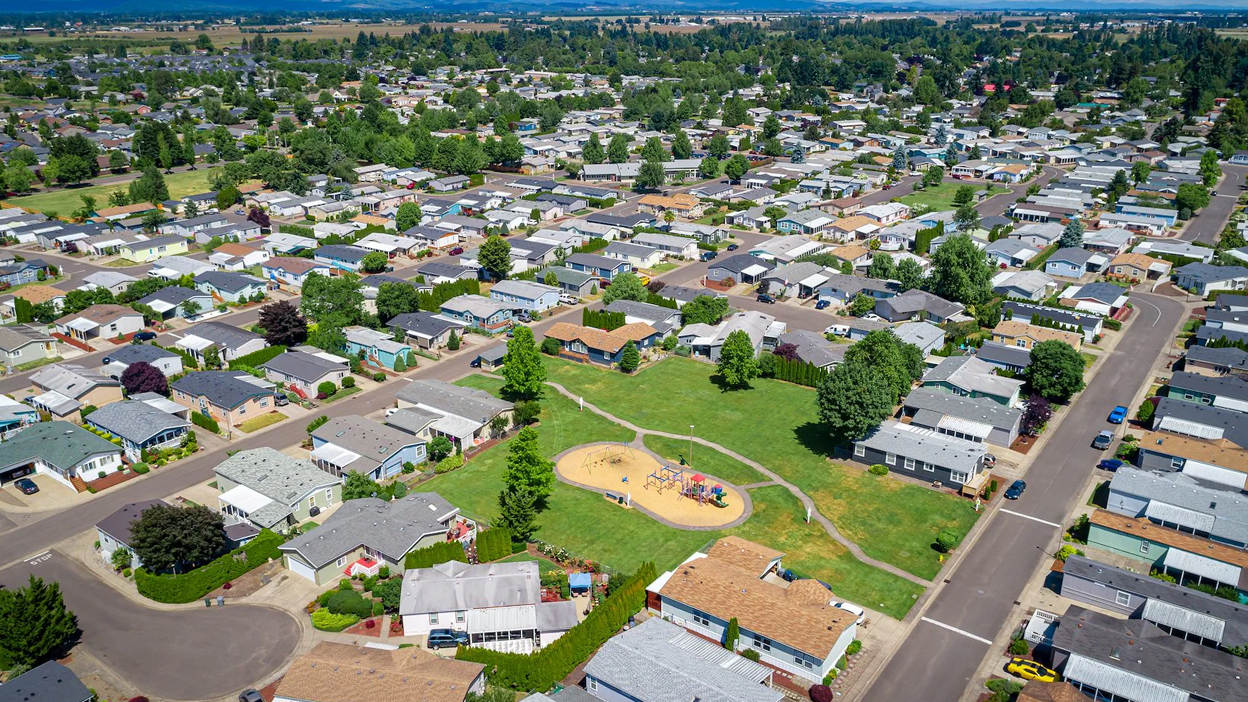
Eugene is known for eco-friendly values, a vibrant arts and music scene, and its university-town personality.
- Population: ~170,000
- Median Home Price: ~$420,000
- Median Rent: ~$1,300 monthly
- Median Household Income: ~$65,000
- Local Weather and Climate: Mild, wet winters and warm, dry summers support outdoor parks and greenways.
- Economy and Jobs: Education, healthcare, and outdoor recreation tourism.
- Educational Opportunities: University of Oregon serves as a cultural and educational anchor.
- Ideal For: Students, artists, and environmentally minded professionals.
- Known For: Arts festivals, green initiatives, and outdoor activities.
Eugene ranks among best mid-sized cities to live in US for creative and sustainable living.
9. Columbia, Missouri
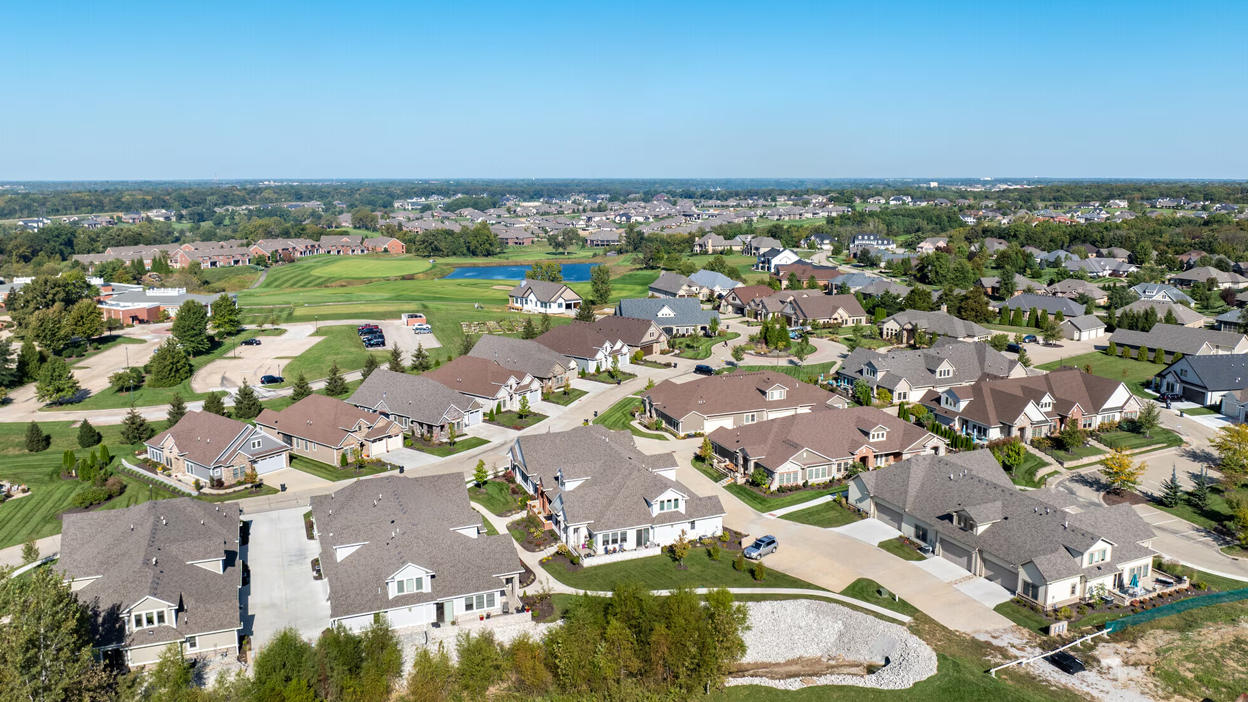
Columbia is a classic college town offering a vibrant downtown, affordable housing, and central location with Midwestern friendliness.
- Population: ~125,000
- Median Home Price: ~$250,000
- Median Rent: ~$1,100 monthly
- Median Household Income: ~$60,000
- Local Weather and Climate: Four seasons with comfortable summer and cold winters.
- Economy and Jobs: Education, government, and healthcare dominate local employment.
- Educational Opportunities: University of Missouri flagship campus flourishes here with excellent public schools.
- Ideal For: Students, families, and government workers.
- Known For: University culture, parks, and festivals.
Columbia’s combination of academic influence and community spirit make it a top mid size city for lifestyle.
10. Asheville, North Carolina
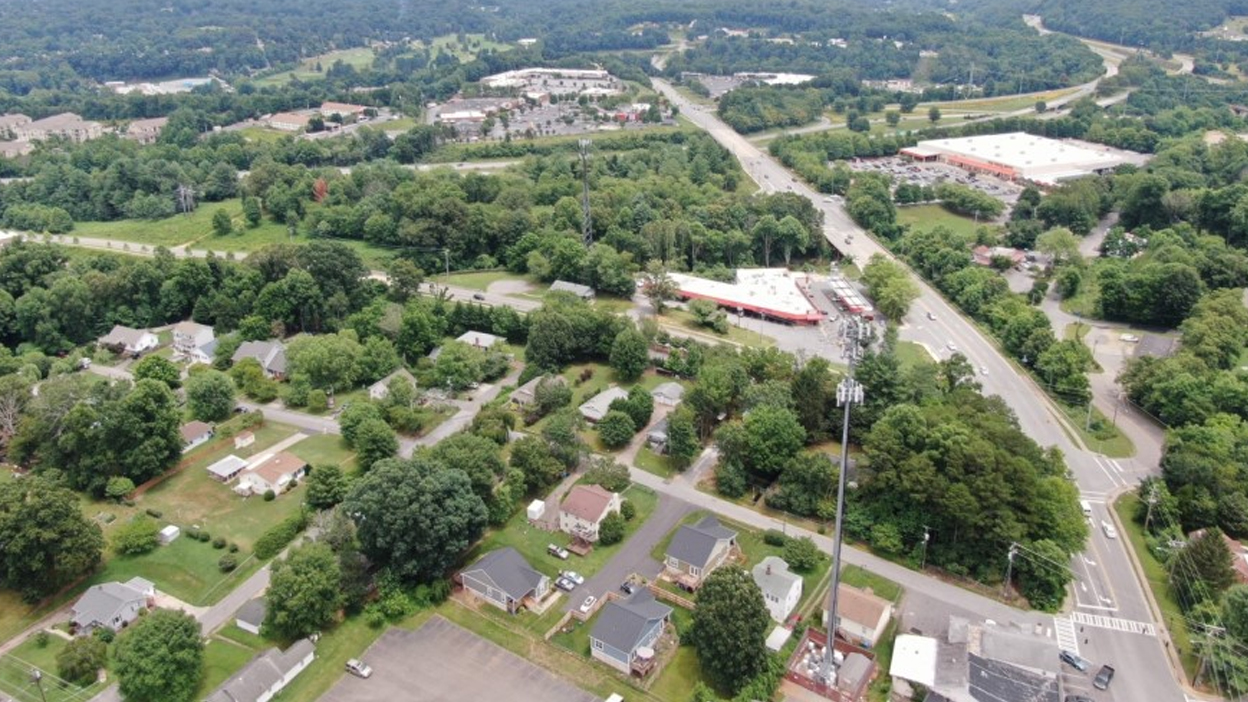
Asheville showcases a bohemian spirit, surrounded by the Blue Ridge Mountains, celebrated for culinary arts, shopping, and vibrant culture.
- Population:~95,000
- Median Home Price: ~$430,000
- Median Rent: ~$1,400 monthly
- Median Household Income: ~$52,000
- Local Weather and Climate: Mild winters and comfortably warm summers ideal for year-round exploration.
- Economy and Jobs: Tourism, healthcare, and creative industries lead job growth.
- Educational Opportunities: Good local schools plus several nearby colleges and community colleges.
- Ideal For: Retirees, artists, outdoor lovers, and small business owners.
- Known For: Arts festivals, mountain vistas, and farm-to-table dining.
Asheville is one of the most underrated mid-size cities in the US, perfect for those seeking culture and scenic beauty.
Frequently Asked Questions (FAQs)
What defines a mid-sized city in the US?
A mid-sized city typically has a population between roughly 100,000 and 500,000 residents. This range balances urban services with manageable size.
Why choose a mid-sized city over a large metro area?
Mid-sized cities offer a blend of urban amenities and community atmosphere, with better affordability, less congestion, and often safer neighborhoods.
Which mid-sized US cities offer the best job opportunities?
Cities like Des Moines, Greenville, and Madison shine with strong job markets in finance, manufacturing, education, and technology sectors.
Are mid-sized cities more affordable to live in?
Generally, yes. Most have lower median home prices and rent compared to large coastal or metropolitan areas, offering better value.
How is the quality of education in these mid-sized cities?
Many host reputable public schools and universities, providing excellent opportunities for families and professionals seeking quality education.
Do these cities have good amenities and entertainment options?
Absolutely. Mid-sized cities often feature arts scenes, vibrant dining, festivals, parks, and outdoor activities that enrich residents’ lives.
What is the climate like in most livable mid-sized US cities?
Climates vary—from four distinct seasons found in Midwest and Northeast cities to mild winters in Southern locales and outdoor-friendly conditions on the West Coast.
How to find the best neighborhoods within these mid-sized cities?
Use real estate platforms like Zillow and Redfin alongside local city guides and cost of living calculators for comprehensive insights into neighborhoods. For an overall guide to best places and cities, refer to 10 Best Places to Live in the US and 10 Best Cities to Live in the US.
Conclusion
Choosing from the 10 best mid-sized cities to live in the US brings multiple benefits: affordability, strong job markets, balanced lifestyles, robust educational institutions, safer communities, and promising growth potential. These cities offer a sensible, attractive alternative to the hectic large cities or smaller towns lacking urban amenities.
Whether you are relocating or investing, these mid-sized urban centers provide the right mix of opportunity, community, and quality of life. Use trusted tools like Zillow, Redfin, Apartment List, and travel rewards platforms to plan your move or visit with ease. Embrace the future by finding the ideal lifestyle that fits your personal and professional needs in one of America’s best mid-sized cities.
Start your journey today toward a vibrant and balanced urban-suburban living experience in these most livable mid-sized US cities.
For more comprehensive information on urban living options beyond mid-sized cities, explore our related posts: 10 Best Places to Live in the US and 10 Best Cities to Live in the US.