
When asking, “Is Raleigh a good place to live?” the answer depends largely on individual lifestyle, family needs, and personal preferences. Standard rankings and generic evaluations often miss what truly matters to families in their day-to-day lives. Defining a “good place to live” through family-friendly aspects and everyday experiences rather than statistics offers a clearer view of Raleigh’s value as a home.
This post looks beyond simple pros and cons lists to explore Raleigh’s everyday life, community atmosphere, and local rhythms. Understanding whether the city’s pace and vibe align with what different families prioritize reveals a more grounded perspective on living in Raleigh pros and cons. This approach helps to appreciate how Raleigh fits various family dynamics rather than checking boxes on external measures.
What Daily Life in Raleigh Actually Feels Like

Life in Raleigh moves at a moderate pace. It is neither as rushed as major metropolitan centers nor as slow as some rural towns. This moderate rhythm allows families to balance energetic outdoor time with structured routines. It supports a variety of daily schedules from commuting professionals to remote workers, making it flexible for different lifestyles.
A typical weekday for families in Raleigh starts with school runs in the mornings. Parents often commute to work while some work remotely. Children attend nearby schools and often participate in after-school activities or programs designed around family schedules. The city’s suburban spread lets families maintain calm routines with manageable commuting times.
Weekends tend to unwind into quieter, family-focused outdoor pursuits. Parks, greenways, and recreational areas are common destinations. The city’s layout encourages casual family outings and easy access to green spaces without the crowded feel of dense urban centers.
This balance—between suburban calm and occasional urban activity pockets—creates a daily experience that feels varied but controlled.
The daily life dynamic speaks directly to whether “is Raleigh a good place to live” fits one’s view of ideal family living, with its steady but lively environment offering room for both work and play.
The Social and Community Atmosphere

The social fabric of Raleigh is woven primarily through schools, neighborhood events, and family-focused activities. Participation in youth sports leagues, cultural gatherings, and local neighborhood groups shapes a community that is welcoming yet requires active engagement to become part of.
Professionals whose work schedules include a blend of commuting and remote options can also benefit from Raleigh’s infrastructure and pace. This alignment with practical family needs and lifestyle preferences supports a sustained balanced life, which is essential when considering “is Raleigh a good place to live.”
Who Might Struggle Living in Raleigh
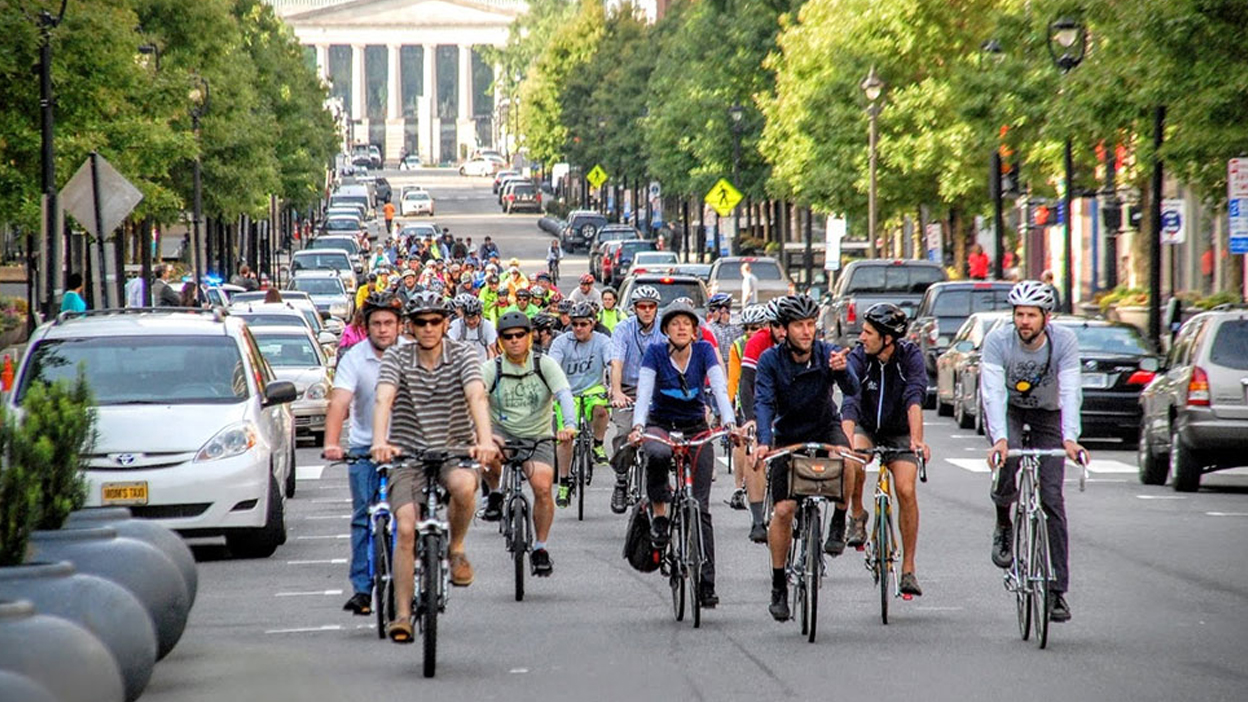
People seeking nonstop urban energy and density may find Raleigh’s moderate pace and suburban spread less stimulating. While pockets of activity exist, the general rhythm can feel quieter than vibrant city cores.
Similarly, individuals expecting instant social integration might find Raleigh’s participatory community approach challenging. The social environment rewards sustained effort, so newcomers who prefer immediate inclusion in tightly knit circles may feel out of sync.
Those who favor anonymity in city life or established, dense social cultures might struggle with Raleigh’s layout and community fabric. Building connections in this environment requires intention, which can be demanding to some.
Reflecting on these living in Raleigh pros and cons considerations clarifies why the city suits certain personalities and lifestyles better than others.
Conclusion
Ultimately, determining “is Raleigh a good place to live” hinges on how well the city’s moderate pace, family focus, and environment align with your values and needs. Its everyday rhythms, from weekday routines to weekend leisure, offer a distinctive lifestyle that rewards balance and engagement.
Understanding living in Raleigh pros and cons increases with time spent observing the intersection of community style, infrastructure, and daily experience. This grounded, experience-based view gives a more meaningful understanding of what it means to call Raleigh home for families and individuals alike.
Choosing Raleigh is less about statistics and more about how the city’s particular pace and family orientation resonate with your household’s priorities. This perspective is essential for anyone thoughtfully considering life in Raleigh beyond the surface of generic pros and cons.