Immigrating to a new country is a life-changing journey, and choosing the right place to settle in the US can shape an immigrant’s future in profound ways. This guide explores the 10 best cities for immigrants in the US, focusing on immigrant-friendly cities that offer welcoming communities, economic opportunity, educational access, affordable housing, and inclusive policies.
Selecting a supportive city is critical. It affects not only economic success through job availability but also social integration, quality of life, educational progress, and family well-being. Immigrants benefit most when they settle where strong immigrant communities exist alongside local services and opportunities. According to data from the U.S. Census Bureau, trends in immigrant populations reveal important patterns that inform city selection decisions. Exploring the 10 best places to live in the US can provide additional ideas for welcoming cities with strong community networks.
In this blog, we will explain the reasons why knowing the best cities for immigrants matters, outline key criteria used to evaluate these cities, present detailed profiles of each top city, provide answers to frequently asked questions, and conclude with guidance for new immigrants. This comprehensive resource aims to assist newcomers in making informed choices for a thriving future.
Reasons Why You Need to Know the Best Cities for Immigrants in the US
Living in the best cities for immigrants in the USA greatly improves the immigrant experience. One of the main advantages comes from settling in cities with the largest immigrant communities. These cities have strong social support networks that ease cultural adaptation. Newcomers can find familiar languages, cultural events, and organizations that help them navigate the challenges of moving to a new country.
Immigrant-friendly cities in the US offer specific benefits tied to their cultural diversity. They provide access to immigrant-focused services such as language classes, legal aid, and job placement programs. Local governments in these cities often have inclusive policies designed to welcome newcomers, ranging from municipal ID programs to anti-discrimination efforts. This inclusive environment fosters a sense of belonging and hope.
More than social benefits, vibrant immigrant communities bring economic advantages. These communities generate entrepreneurial activity and job growth. For instance, Chicago’s immigrant community numbers over 1.5 million, and approximately 10% of them are entrepreneurs. This dynamic environment creates openings in multiple sectors, including small business, healthcare, and technology. For those prioritizing affordable housing and economic potential, our guide on the most affordable cities to live in the US offers valuable insights.
Choosing the right city deeply affects long-term immigrant success. It influences employment stability and career progression. Quality education access in immigrant-friendly environments ensures better learning outcomes and language acquisition for both adults and children. Furthermore, settling in cities where immigrants thrive—socially and economically—significantly contributes to overall family well-being.
In summary, knowing the best cities for immigrants in the US helps newcomers find places where they can build a strong foundation and future. These locations promote social integration, economic opportunity, and community support, critical factors for a successful immigrant life.
Criteria for Choosing the Best Cities for Immigrants in the US
To determine the top US cities for new immigrants, we use several key criteria that impact immigrant success and quality of life:
- Size and Diversity of Immigrant Populations: Cities with large and diverse immigrant populations tend to have more established support networks and cultural institutions. A wide variety of nationalities and ethnicities in these cities means newcomers can find familiar cultures and community groups. For example, New York City, Miami, and Chicago are known for their multicultural neighborhoods—
Chinatown
,Little Havana
, andLittle Italy
being classic examples. These extensive immigrant communities provide social resources like community centers, places of worship, grocery stores, and cultural events that make adaptation easier. - Economic Opportunity: A strong local economy with abundant job opportunities is essential. Immigrants often find work in industries like technology, healthcare, manufacturing, and service sectors. Cities like Seattle and San Francisco lead in tech jobs, Houston has a robust healthcare and energy sector, and Chicago offers varied roles from logistics to entrepreneurship. Thriving job markets lead to greater employment stability and upward economic mobility for immigrant families.
- Affordable Housing: Housing costs heavily influence newcomer decisions. Cities with lower median home prices or rents make it easier for immigrants to find affordable accommodation and reduce financial stress. Housing market trends and affordability insights on platforms like Zillow provide useful context for immigrants planning their relocation. Milwaukee and Baltimore stand out for their comparatively lower housing costs combined with immigrant support programs. These cities often provide municipal assistance or offer neighborhoods where newcomers can find affordable housing options.
- Educational Opportunities: Access to quality public schools, universities, and especially English as a Second Language (ESL) programs is vital for immigrant families. Education helps children succeed and adults improve language skills, significantly aiding integration. Many immigrant-friendly cities invest in public schools with immigrant populations, offer adult education centers, and run community education initiatives.
- Community Support and Inclusive Policies: A welcoming city has municipal services aimed at immigrants: legal aid, language support, anti-discrimination laws, and outreach programs. Inclusive policies such as municipal ID cards help immigrants access banking, healthcare, and other essential services. Cities like Chicago, Seattle, and Jersey City lead in offering these inclusive services, creating safe environments where immigrants can thrive.
- Climate and Local Weather: Comfortable, familiar climates can ease adjustment and improve health and wellness. While some immigrants prefer warmer, Mediterranean climates like San Francisco and Chula Vista, others may adapt well to cities with four seasons such as Chicago or Jersey City.
- General Quality of Life Factors: Safety, healthcare accessibility, cultural amenities, and general livability impact immigrant satisfaction. Access to healthcare clinics, cultural festivals, and safe neighborhoods promotes healthy family life. Livability also entails transportation systems and affordability of everyday essentials.
10 Best Cities for Immigrants in the US (2026 Guide)
Here is a comprehensive review of each of the 10 best cities for immigrants in the US, highlighting their unique immigrant-friendly features and opportunities.
LA is home to millions of immigrants, especially from Latin America and Asia. Its sprawling size includes numerous immigrant enclaves and supportive services.
- Population: ~4 million
- Median Home Price: ~$850,000
- Median Rent: $2,500–$3,300/month depending on neighborhood
- Median Household Income: ~$65,000
- Local Weather and Climate: Mediterranean with warm, dry summers and mild winters.
- Economy and Jobs: Entertainment, technology, manufacturing, healthcare sectors provide employment opportunities for immigrants.
- Educational Opportunities: Strong public schools, community colleges, universities, and ESL programs.
- Ideal For: Latino immigrants, skilled workers in entertainment and tech, families seeking diverse communities.
- Known For: Little Tokyo, Koreatown, historic immigrant neighborhoods, cultural festivals.
LA offers a multicultural environment and economic opportunities in an immigrant-friendly climate.
8. Houston, Texas
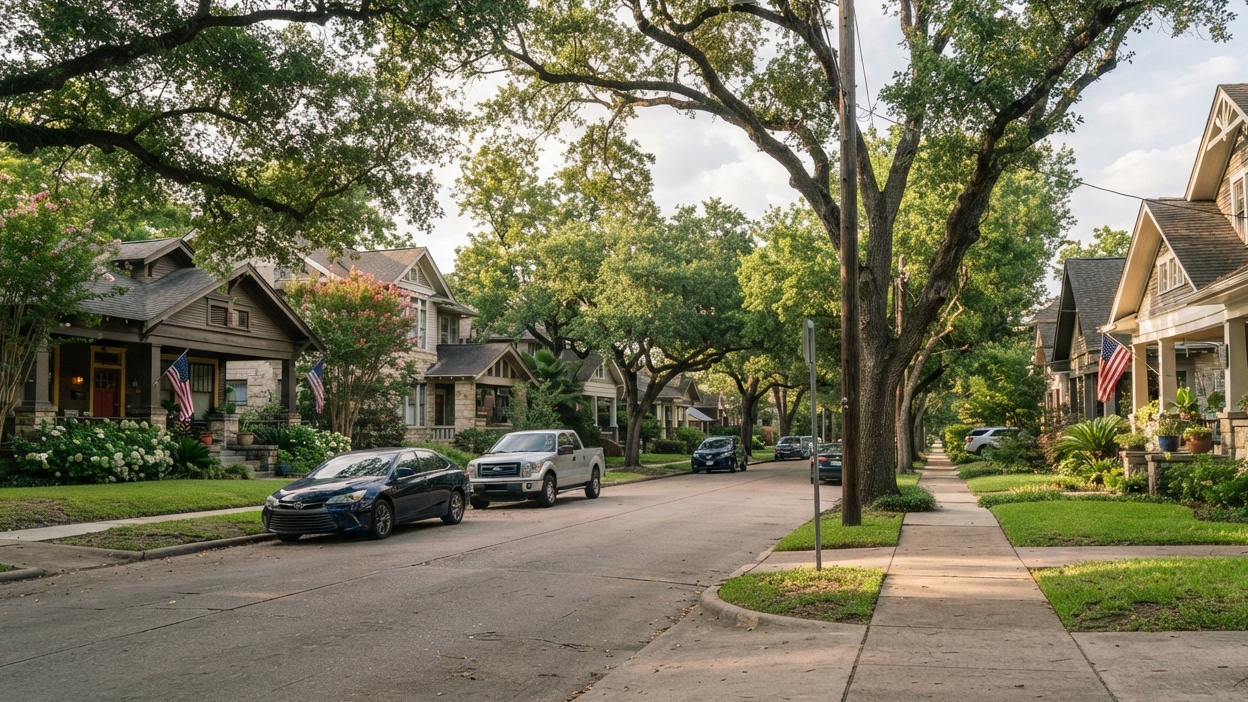
Houston is a rapidly growing city with a large immigrant population and a business-friendly environment. It ranks among the cities with the largest immigrant communities.
- Population: ~2.3 million
- Median Home Price: ~$330,000
- Median Rent: ~$1,500/month
- Median Household Income: ~$65,000
- Local Weather and Climate: Hot, humid summers with mild winters.
- Economy and Jobs: Energy, healthcare, manufacturing, and logistics—sectors employing many immigrants.
- Educational Opportunities: Several universities, public schools with ESL programs, and immigrant support centers.
- Ideal For: Immigrants seeking affordable housing and diverse job markets, especially in healthcare and energy.
- Known For: Vibrant multicultural festivals, Hispanic communities, immigrant resource centers.
Houston is a great option for affordable living and access to growing industries.
9. Milwaukee, Wisconsin
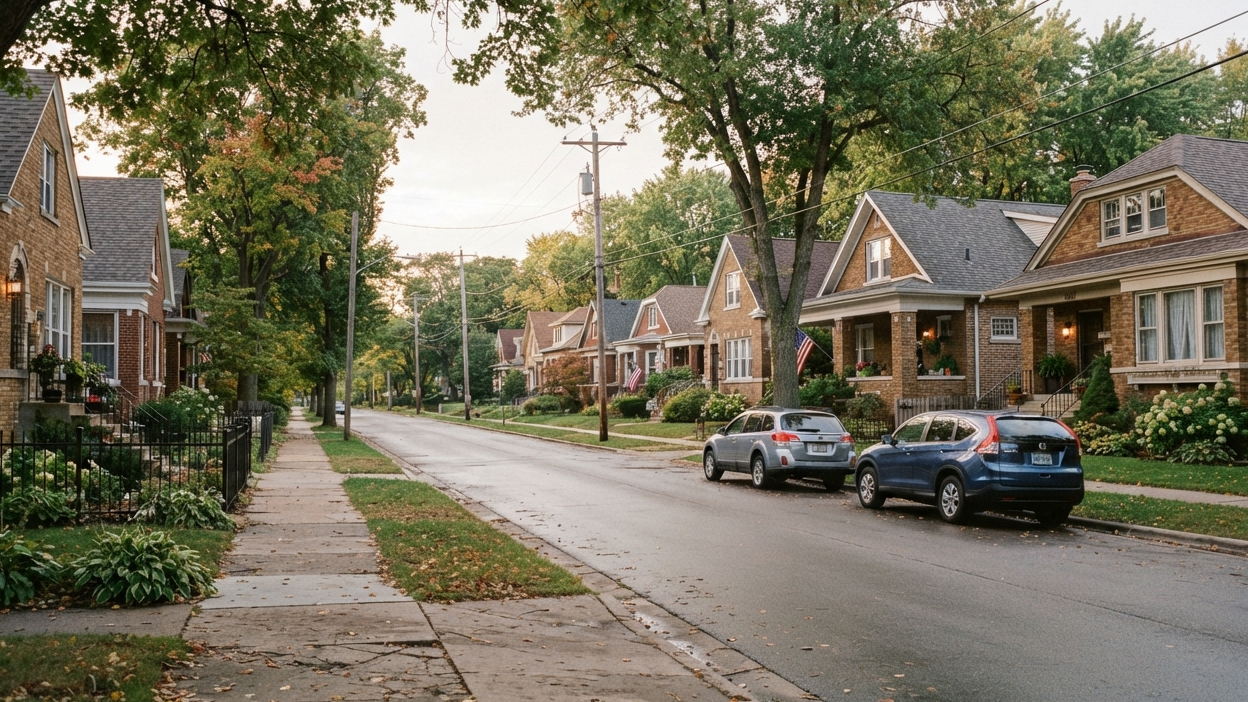
Milwaukee is recognized for its affordability and welcoming attitude towards immigrants. The city runs programs specifically to attract and help newcomers.
- Population: ~590,000
- Median Home Price: ~$195,000 (one of the more affordable among large cities)
- Median Rent: ~$1,000/month
- Median Household Income: ~$46,000
- Local Weather and Climate: Cold winters, warm summers—may challenge some immigrants used to warmer climates.
- Economy and Jobs: Manufacturing, healthcare, and small business entrepreneurship areas where immigrants are active.
- Educational Opportunities: Strong ESL programs, vocational schools, and universities support immigrant education.
- Ideal For: Immigrants focused on affordability, job training, and family-friendly environments.
- Known For: Immigrant welcome centers, cultural festivals, community outreach programs.
Milwaukee combines low cost of living with immigrant-friendly policies, making it a top choice for newcomers.
10. Seattle, Washington
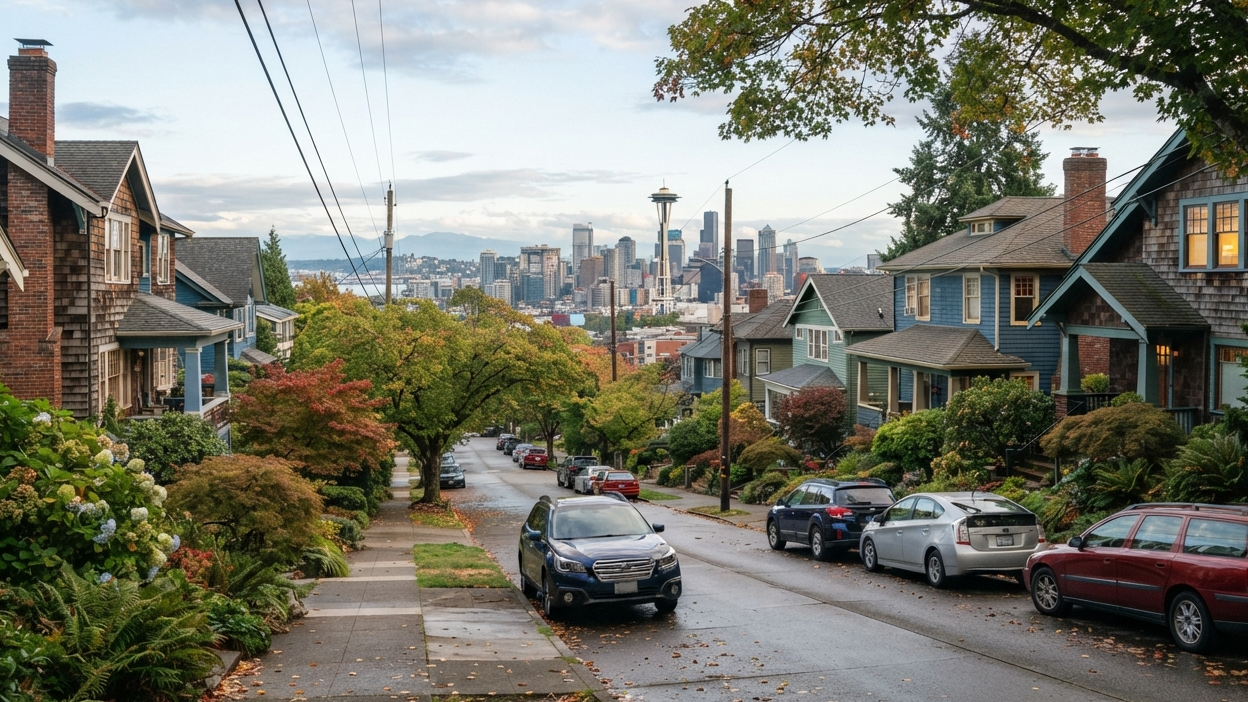
Seattle is known for its tech-driven economy and progressive social policies supportive of immigrants. It has become a hub for skilled immigrant professionals.
- Population: ~760,000
- Median Home Price: ~$720,000
- Median Rent: ~$2,300/month
- Median Household Income: ~$93,000
- Local Weather and Climate: Mild, wet winters and cool summers, moderate climate preferred by many immigrants.
- Economy and Jobs: Technology giants, healthcare, and aerospace industries offer robust job opportunities. Immigrants often work in professional and entrepreneurial roles.
- Educational Opportunities: Numerous universities, excellent public schools, and ESL support programs.
- Ideal For: Skilled workers, tech professionals, immigrants seeking inclusive communities.
- Known For: Multicultural neighborhoods, immigrant support NGOs, and a welcoming civic environment.
Seattle offers strong economic prospects and an inclusive culture, ranking high among immigrant-friendly cities in the US.
Frequently Asked Questions (FAQs)
What cities have the largest immigrant populations in the US?
The largest immigrant populations reside in New York City, Los Angeles, Miami, Chicago, and Houston. These metros offer immense diversity and extensive immigrant communities that support social and economic integration.
How can I determine if a city is immigrant-friendly?
Look for inclusive municipal policies, active immigrant support services (ESL classes, legal aid), large and varied immigrant groups, and community organizations. Cities with progressive local governments and cultural diversity tend to be more welcoming.
What factors should new immigrants consider when choosing where to live?
Important factors include the size of the immigrant community, local job market, housing affordability, quality of education, climate, safety, and access to public services.
Are there affordable cities for immigrants with good job opportunities?
Yes. Cities like Milwaukee and Baltimore offer both affordable living costs and growing job markets, making them attractive to immigrants.
How important is community support for immigrant success?
Community support is vital. It provides social integration, practical assistance like housing and job placement help, and emotional well-being through cultural connections.
What resources are available for immigrants in US cities?
Resources include ESL programs, immigrant advocacy groups, workforce training centers, legal assistance, healthcare clinics, municipal ID programs, and cultural community centers.
Conclusion
Choosing from among the 10 best cities for immigrants in the US is a crucial step toward building a successful life in America. These cities represent immigrant-friendly cities in the US that provide welcoming communities, economic opportunity, accessible education, and inclusive policies. Whether seeking vibrant urban life, affordable housing, skilled labor markets, or strong social networks, this list offers diverse options where immigrants thrive in America.
Careful research aligned with your personal and family priorities—such as job availability, schooling needs, and climate preferences—will help identify the best fit. The future is bright: with the right city and planning, immigrants will continue to enrich and contribute to these dynamic American communities.