The rise of remote work has transformed how and where millions of Americans do their jobs. Since the pandemic, flexible work arrangements have become the norm, with many professionals leaving traditional offices for homes, coffee shops, and coworking hubs. This shift has fueled a growing demand for locations that really support remote lifestyles, where infrastructure, community, and affordability align. Recent population migration data from the U.S. Census Bureau confirms shifting trends toward more flexible and remote work arrangements.
In this blog, we explore the 10 best cities for remote workers in the US — places that seamlessly combine lifestyle, amenities, and opportunity. Through data-driven reviews and precise insights, we’ll dive into cost of living, community vibes, coworking options, and work-life balance. Whether you’re a budding digital nomad or a seasoned remote professional, these cities offer the foundation for success and fulfillment.
Why You Need to Find the Best Cities for Remote Work
Living in one of the best cities for remote workers in the US isn’t just about having a place to plug in a laptop. The right city profoundly impacts your productivity, wellbeing, career growth, and happiness.
Better Infrastructure Boosts Productivity and Wellbeing
Remote work-friendly cities provide fast, reliable internet and a variety of coworking spaces designed for different work styles—from quiet focus rooms to collaborative hubs. Access to these resources helps sustain productivity and reduces the friction of working from home alone.
For example, Austin boasts internet speeds averaging over 180 Mbps, and its coworking scene ranges from large networks like WeWork to indie collective spaces tailored to creatives.
Community and Networking Combat Isolation
One of the biggest challenges for remote workers is avoiding social isolation. The most remote work-friendly cities foster vibrant communities through networking events, meetups, and coworking environments that connect like-minded professionals.
Cities like Austin and Denver shine here, offering frequent tech talks, happy hours, and group hikes that unite digital nomads and remote teams alike.
Work-Life Balance Through Access to Nature and Recreation
Remote workers benefit hugely from cities offering green spaces, walking and biking trails, and recreational facilities. These outdoor opportunities help unplug after work and maintain high mental and physical health.
Denver’s mountain proximity and Boulder’s 300 days of sunshine make them prime examples of locations where work-life balance is an attainable reality.
Career Growth in Thriving Local Economies
Even remote workers can leverage local economies for professional development, part-time gigs, or networking. Cities with thriving tech, healthcare, creative industries, and educational hubs support ongoing career momentum. To better understand how job markets support remote professionals, see our guide on best cities to live in the US with strong job markets.
Raleigh’s Research Triangle, for instance, is a magnet for tech innovation, making it an attractive growth environment for remote professionals.
Tailored Amenities for Digital Nomads
For digital nomads, walkable downtowns, strong café culture, and regular community meetups are crucial. These features enable seamless blending of work and lifestyle, turning a city into a remote-work haven.
Explore more about the most walkable cities in the US to find locations that are especially friendly for digital nomads. This complements insights from our 10 most walkable cities in the US, which highlights areas with pedestrian-friendly environments ideal for remote lifestyles.
Criteria for Choosing the Best Cities for Remote Workers
When picking among the most remote work-friendly cities, consider these detailed criteria to ensure your choice matches your personal and professional needs.
- Coworking Spaces: Variety and Quality Matter: A city’s coworking landscape is vital. Look for a range of coworking facilities that offer different atmospheres and pricing. Austin and Detroit stand out as coworking-friendly cities in America, housing numerous spaces from large networks to niche studios enabling everything from solo focus work to team collaborations. Detroit and Cincinnati are excellent examples of thriving coworking cultures, providing plenty of options for productivity and networking.
- Cost of Living: Affordable Housing and Rent Enhance Quality of Life: Affordability affects your freedom and happiness. Median rents and home prices provide a practical measure. Cities like Cincinnati offer a significantly lower cost of living with median home prices well below national averages, making them attractive for budget-conscious workers. Compiled housing market information from Zillow offers valuable insights into home price trends and rent affordability across leading remote work hubs. For those interested in broader affordability trends, check out our coverage on most affordable cities in the US. For an expanded view on affordability that benefits remote workers, our coverage of the most affordable cities in the US provides helpful context on cost-effective living options.
- Internet Connectivity: Fast, Reliable Broadband Is Essential: A seamless remote work experience hinges on internet speed and reliability. Cities like Austin boast average speeds over 180 Mbps, which reduces downtime and keeps video calls smooth.
- Local Job Market: Strong Industry Presence for Networking and Side Gigs: Even if your main job is remote, a robust local industry can open doors to side projects or new opportunities. Tech, healthcare, and creative sectors dominate many of the top cities, offering ample networking events and collaborations. To understand regional job markets better, see our guide on best cities to live in the US with strong job markets.
- Weather and Climate: Comfort Fuels Creativity: Mild, sunny weather facilitates a comfortable lifestyle and encourages outdoor breaks that refresh your mind. From Austin’s warm winters to Jacksonville’s subtropical climate, weather significantly impacts daily routines. For more on climate and lifestyle, explore the 10 most beautiful cities to live in the US where nature complements living quality.
- Community and Social Scene: Youthful, Tech-Savvy Populations Thrive: A city with a vibrant nightlife, frequent social venues, and active meetup groups draws remote workers hungry for connection. A youthful population enhances this dynamic, fueling innovation and energy. Discover cities with lively social atmospheres in our list of the best cities to live in the US.
- Educational Opportunities: Universities and Tech Centers Support Growth: Access to universities and tech learning centers helps remote workers upgrade skills and pivot careers. Cities like Raleigh and Austin host renowned institutions offering tech courses and remote work-focused programs. Learn more about cities with strong educational support in best cities to raise a family in the US.
- Safety and Quality of Life: Low Crime and Healthcare Access Build Peace of Mind: Safety, healthcare availability, and mental health resources are critical for remote workers investing in long-term locations. Cities with low crime and good medical facilities provide a foundation for personal wellbeing. Explore safer places with great quality of life in our 10 safest cities to live in the US.
10 Best Cities for Remote Workers in the US (2026 Guide)
Below, you’ll find thorough breakdowns of each city, highlighting what makes them premier destinations for remote work. We include population stats, financial metrics, climate data, economic highlights, and coworking specifics—supported by verified data.
- Population: ~620,000
- Median Home Price: ~$60,000
- Median Rent: ~$900 per month
- Median Household Income: ~$33,000
- Local Weather and Climate: Four seasons with cold winters and warm summers.
- Economy and Jobs: Hosts strong tech, automotive, and design sectors.
- Educational Opportunities: Wayne State University supports innovation and tech education.
- Essential to Remote Work: Highest concentration of coworking spaces nationally, fostering collaboration.
- Ideal For: Budget-conscious workers, startups, innovators.
- Known For: Urban renewal, maker culture, affordable housing.
Detroit’s affordability and coworking density make it a compelling coworking-friendly city in America.
8. Jacksonville, FL
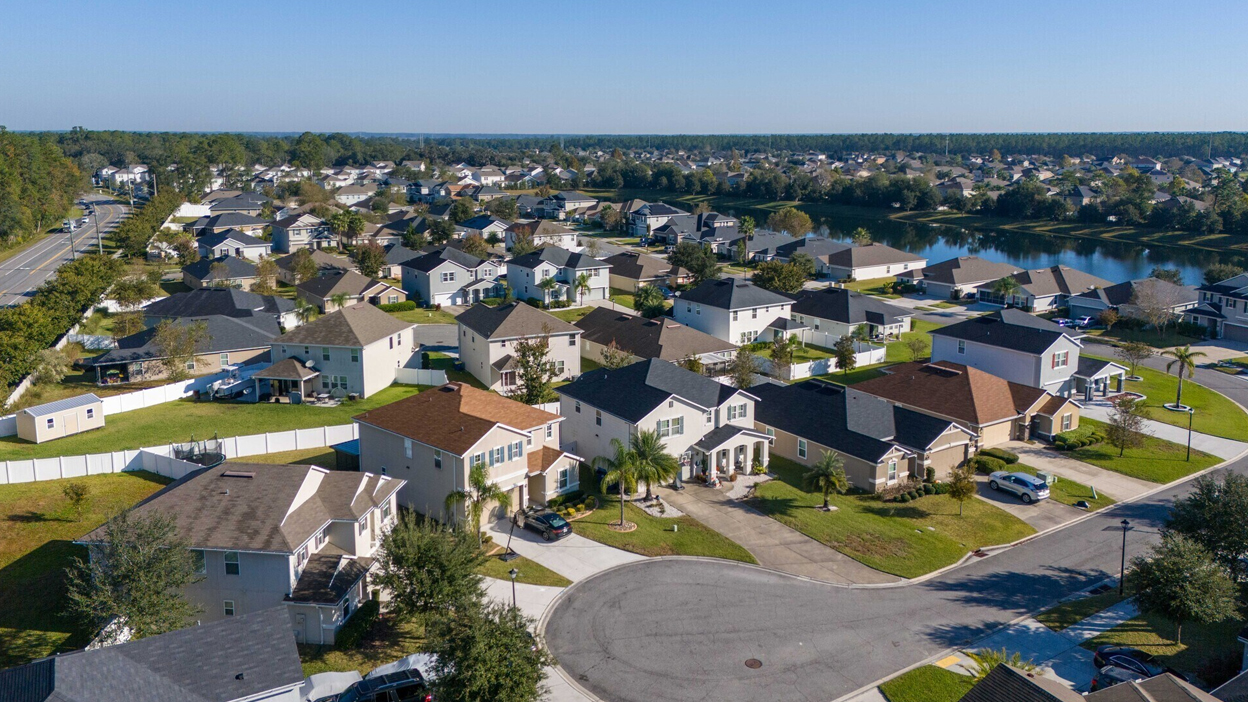
Jacksonville offers a large city feel, coastal access, and warm, sunny weather at an affordable price point.
- Population: ~970,000
- Median Home Price: ~$309,000
- Median Rent: ~$1,350 per month
- Median Household Income: ~$56,000
- Local Weather and Climate: Warm, subtropical climate with mild winters.
- Economy and Jobs: Strong healthcare and logistics sectors support diverse remote work opportunities.
- Educational Opportunities: University of North Florida offers various tech and business programs.
- Essential to Remote Work: Fast internet and growing coworking options support connectivity.
- Ideal For: Sun-seekers, families, remote workers wanting coastal life.
- Known For: Beautiful Atlantic beaches and business-friendly environment.
Jacksonville’s weather and affordability attract a rapidly expanding remote work population.
9. Cleveland, OH
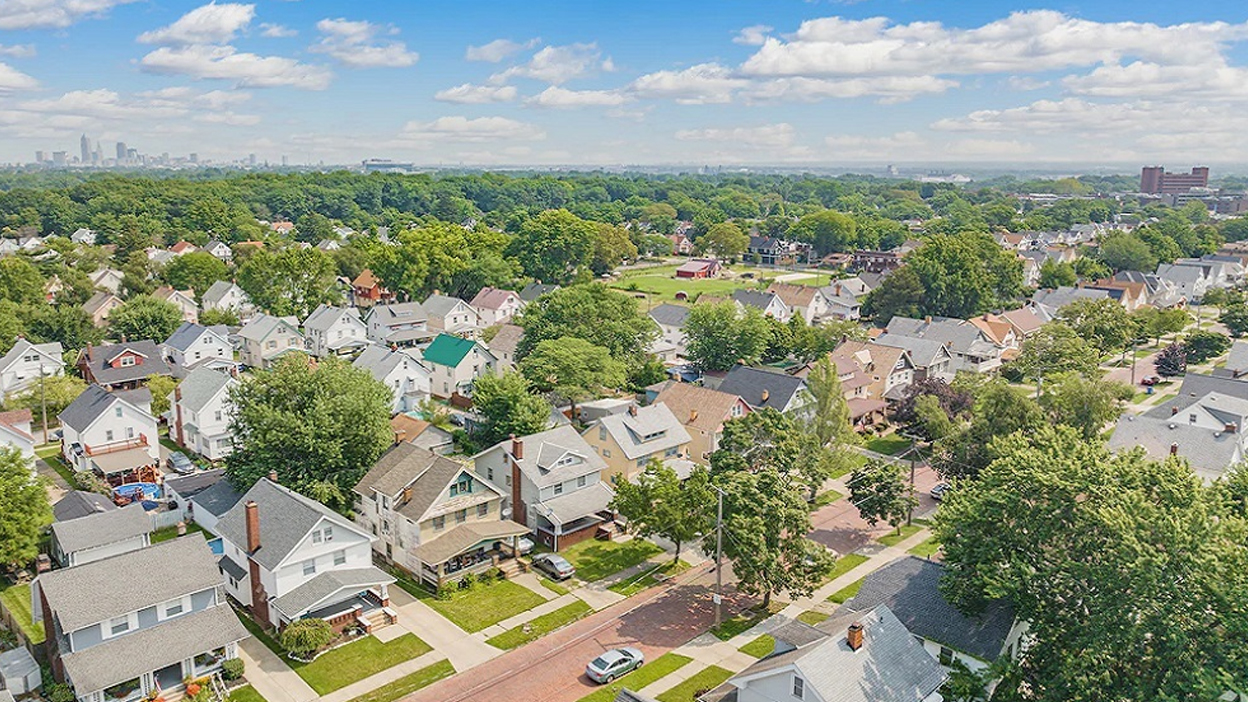
Cleveland blends Midwest affordability with rich cultural amenities and an emerging tech scene, making it ideal for budget-minded creatives.
- Population: ~370,000
- Median Home Price: ~$120,000
- Median Rent: ~$1,100 per month
- Median Household Income: ~$32,000
- Local Weather and Climate: Four-season climate with cold winters and warm summers.
- Economy and Jobs: Focused on healthcare and education industries.
- Educational Opportunities: Case Western Reserve University offers specialized tech and health disciplines.
- Essential to Remote Work: Growing coworking scene and digital nomad community provide connectivity.
- Ideal For: Creatives, artists, budget-conscious workers.
- Known For: Museums, food culture, and affordability.
Cleveland’s low costs and cultural assets make it a prime choice among most remote work-friendly cities.
10. San Antonio, TX
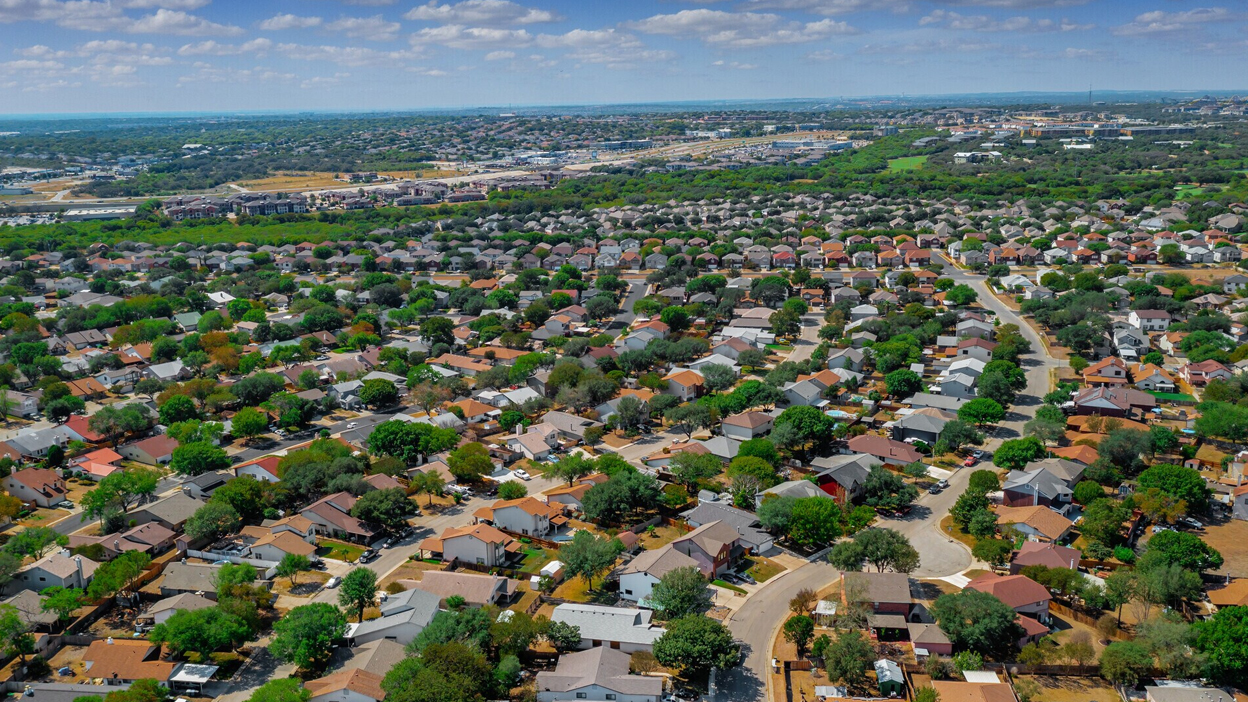
San Antonio is a diverse, historic city with low cost of living and a welcoming remote work community.
- Population: ~1.5 million
- Median Home Price: ~$290,000
- Median Rent: ~$1,240 per month
- Median Household Income: ~$54,000
- Local Weather and Climate: Warm, dry climate ideal for outdoor living.
- Economy and Jobs: Growing tech, healthcare, and military sectors provide opportunities.
- Educational Opportunities: University of Texas at San Antonio (UTSA) supports tech education.
- Essential to Remote Work: New coworking hubs are expanding, with a strong local pride and community feel.
- Ideal For: Families, remote workers seeking affordability and community.
- Known For: River Walk, cultural festivals, and Southern hospitality.
San Antonio’s blend of affordability, community, and growing tech presence make it a solid pick for remote workers.
Frequently Asked Questions (FAQs)
What makes a city remote work-friendly?
A remote work-friendly city features fast, reliable internet, affordable living costs, numerous coworking spaces, safety, and an active community geared toward networking and wellbeing.
How important are coworking spaces for remote workers?
Coworking spaces are essential. They foster productivity, creativity, and help build social connections outside the home office, reducing isolation.
Are these cities good for families who work remotely?
Yes, several cities like Raleigh, Jacksonville, and San Antonio offer excellent schools, parks, safe neighborhoods, and family-friendly amenities.
More information on family-friendly cities can be found in our blog on best places to raise a family in the US.
How does cost of living impact remote workers in these cities?
Lower living costs enhance financial freedom, allowing remote workers to enjoy better work-life balance and more access to leisure and personal development.
For a broader look at budget-friendly places, see most affordable cities to live in the US.
Can digital nomads easily connect with local communities in these cities?
Absolutely. Strong coworking cultures, café scenes, and frequent social events support easy community integration for remote workers and digital nomads.
Experience the vibe of most walkable cities in the US that facilitate community and connection.
What weather conditions are best for remote work lifestyles?
Mild, sunny climates are preferred for comfort and outdoor activities, though preferences vary. Most top-ranked cities provide year-round outdoor access to support balanced lifestyles.
Learn more about environmental quality in our most beautiful cities to live in the US.
Conclusion
Choosing among the 10 best cities for remote workers in the US goes beyond rent and earnings — it’s about finding a city that nurtures your productivity, personal growth, and happiness. Each city on this list offers a unique blend of affordability, infrastructure, coworking options, and social connectivity. From Austin’s vibrant tech scene to Jacksonville’s coastal charm, these cities provide fertile ground for building a balanced remote work lifestyle. Additional perspectives on overall livability and quality of life are provided in our 10 best places to live in the US, which may assist in narrowing your remote work destination.
Consider your professional priorities, desired climate, budget, and community needs carefully. The right city can unlock new opportunities and transform your remote work experience. Explore these destinations to find the place that fits your vision for a productive, rewarding, and enjoyable remote work life.
For additional insights on livability and quality of life, consult our blog on the 10 best places to live in the US.