
Walkability is transforming how people live in cities across the United States. At its core, walkability means living in a place where most daily needs like work, shopping, and recreation can be easily reached on foot. This is supported by safe, convenient, and well-designed pedestrian infrastructure like sidewalks, crosswalks, and accessible public spaces. In this post, we explore the 10 most walkable cities in the US, urban areas that shine as models of highly pedestrian-friendly environments.
Why does walkability matter? Cities where you don’t need a car offer tremendous advantages. They improve quality of life by making daily errands easier and safer, promote sustainability by reducing carbon emissions, and encourage social connectedness by creating lively community spaces. With rising urban density, growing ecological awareness, and increasing health consciousness, more people are seeking out the best pedestrian-friendly cities USA has to offer. Demographic data from the U.S. Census Bureau underscores growing trends toward urban living and increased demand for walkable communities. Understanding which cities stand out can be easier by looking at the listings of safest cities in the US and affordable suburbs in Wyoming, which highlight different priorities in urban living.
Throughout this article, we’ll detail why living in walkable urban areas USA is desirable, outline the criteria used to rank these cities, and provide a detailed look at each of the top 10 walkable cities where car ownership becomes optional, if not unnecessary.
For those considering relocating, also check our guide on the 10 best cities to live in the US to see how walkability intersects with livability and urban opportunities.
Reasons Why You Need to Consider Living in Walkable, Car-Free Cities
Choosing to live in car-free cities in America comes with rewarding benefits that go beyond convenience. Here are five critical reasons to consider a walkable urban lifestyle:
Environmental Impact
Reducing car dependency in cities leads to fewer greenhouse gas emissions and lower urban pollution levels. Walkable urban areas USA help cities meet climate goals by minimizing the number of vehicles on the road. This results in cleaner air, quieter streets, and healthier neighborhoods, contributing to a safer and more sustainable environment for everyone. Those interested in greener lifestyles might also benefit from our guide on how to spend a weekend in the US before you move, which explores sustainable activities in various regions.
Learn more about how urban sustainability ties into city choices in our post on the 10 best places to live in the US.
Health Benefits
Living in best pedestrian-friendly cities USA encourages daily physical activity because residents walk more. This increased movement helps reduce the risk of obesity, heart disease, diabetes, and mental health challenges linked to sedentary lifestyles. Walking also improves cardiovascular health and boosts mood, making pedestrian-friendly cities not just green but also healthier places to live.
Cost Savings
Owning a car is costly. Car payments, insurance, fuel, parking fees, and repairs add up quickly. In walkable urban areas USA, residents save money by avoiding these expenses. With everything accessible on foot or by transit, transportation budgets shrink dramatically, freeing up income for housing, leisure, or investment. Housing affordability and transportation cost comparisons from Zillow and Numbeo also illustrate how living car-free can impact overall budgets significantly. For readers prioritizing affordability, exploring our analysis of the 10 most affordable cities to live in the US provides valuable cost-saving insights beyond transportation.
For a deeper dive into affordability and housing options in popular urban areas, see our review of the 10 best mid-sized cities to live in the US.
Social and Community Benefits
Pedestrian-friendly environments foster spontaneous social interaction and help build stronger neighborhood ties. When people walk, “eyes on the street” improve safety and community oversight. Walkable neighborhoods often enjoy local events, farmers markets, and street festivals that enhance civic pride and connectivity.
Economic Vibrancy
Businesses in areas with high foot traffic thrive. Retailers, restaurants, and service providers benefit from people walking past regularly. This creates jobs and stimulates local economies. Car-free cities in America see vibrant small business districts and stronger economic resilience through pedestrian density.
Those interested in a balanced lifestyle with community appeal might also explore our post on the 10 best suburbs to live in the US for family-friendly pedestrian options.
Liveability improves overall as walkability enriches access to entertainment, cultural activities, education, and essential services. These multiple layers of benefit make best pedestrian-friendly cities USA highly attractive for modern urban dwellers. For families, considering the best cities to raise a family can help balance walkability with schooling and community factors.
Criteria for Choosing the Most Walkable Cities
To identify the most walkable cities in the US, several core factors must be considered. A truly walkable city excels in these areas:
- Proximity to Amenities: A walkable city places grocery stores, parks, restaurants, schools, healthcare facilities, and entertainment within a short walk for most residents. This access reduces the need for a car and improves everyday convenience.
- Pedestrian Infrastructure Quality: Safe sidewalks, crosswalks with signals, good lighting, and pedestrian-only zones are essential. Well-maintained, accessible infrastructure enables people of all ages and abilities to walk comfortably and securely.
- Public Transit Availability: Efficient, frequent transit like subways, buses, and trams expands mobility beyond walking distance. Combined with walking, public transportation reduces car necessity for longer trips and commuters.
- Urban Density and Planning: Compact city design with mixed-use zoning shortens distances between destinations. Smart growth strategies promote dense, walkable neighborhoods over sprawling suburbs, encouraging walking as a primary mode of travel.
- Climate and Weather Considerations: While mild climates enhance year-round walkability, many cities with harsh winters invest in snow removal, shaded sidewalks, and covered walkways to maintain pedestrian comfort and safety.
- Economic Factors and Job Market Strength: Walkable urban areas must offer strong job markets and economic opportunities within or near these pedestrian-friendly environments to support residents who live car-free.For additional context on economic vibrancy and job market strength in desirable locations, review our article on the 10 best places to live in the US which covers employment trends alongside livability.
- Community and Cultural Vibrancy: Lively neighborhoods enriched with public events, street art, cultural institutions, and diverse social experiences encourage walking for errands, leisure, and socializing—key to a successful pedestrian lifestyle.
The combination of these factors helps define the best pedestrian-friendly cities USA that support vibrant, sustainable, and accessible urban living.
- Population: ~1.6 million
- Median Home Price: ~$320,000
- Median Rent: ~$1,900/month
- Median Household Income: ~$50,000
- Climate: Experiences four seasons, including hot, humid summers.
- Economy and Jobs: Healthcare and education sectors are strong.
- Education: Home to Penn, Drexel, and other colleges.
- Ideal For: Artists, students, families seeking affordability plus walkability.
- Known For: Liberty Bell, vibrant mural scene, rich American history.
Philadelphia ranks among the most walkable cities in the US, offering a mix of culture, history, and convenience.
8. Seattle, WA
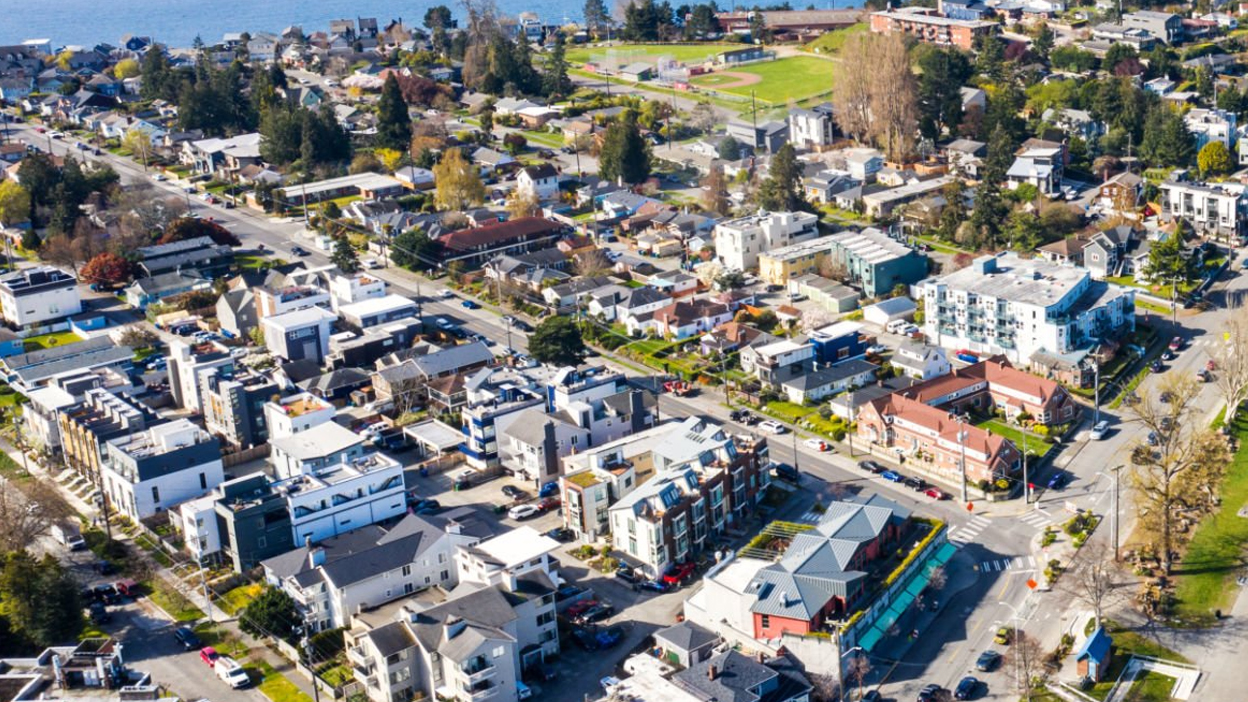
Seattle combines a dense urban core with stunning water views and a commitment to transit, supporting its walkable neighborhoods.
- Population: ~750,000
- Median Home Price: ~$820,000
- Median Rent: ~$2,800/month
- Median Household Income: ~$110,000
- Climate: Mild, wet winters and cool summers prompt investments in walkability infrastructure.
- Economy and Jobs: Tech giants and aerospace companies dominate economically.
- Education: Includes University of Washington and other esteemed institutions.
- Ideal For: Tech workers and outdoor enthusiasts.
- Known For: Pike Place Market, urban green spaces, strong transit options.
Seattle is noted among the best pedestrian-friendly cities USA for its urban vitality and car-free accessibility.
9. Miami, FL
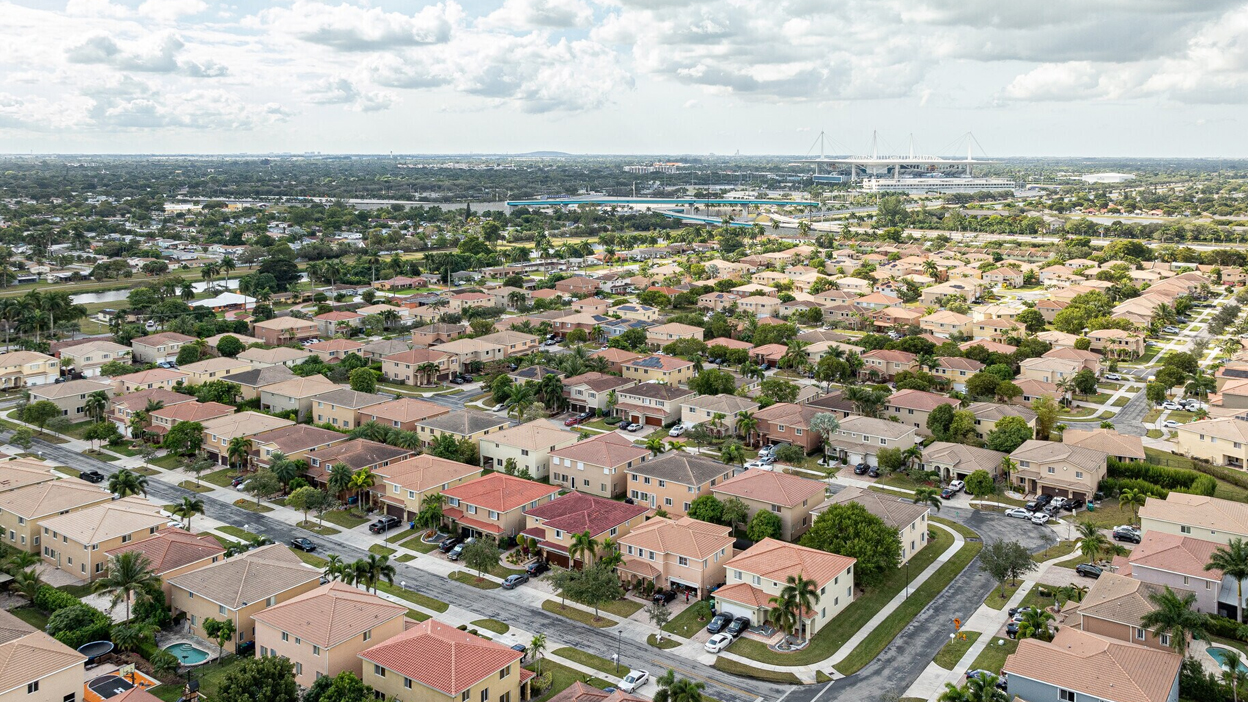
Miami offers a warm, beach-oriented lifestyle with multiple walkable districts that thrive year-round.
- Population: ~450,000
- Median Home Price: ~$570,000
- Median Rent: ~$2,850/month
- Median Household Income: ~$58,000
- Climate: Hot, humid summers alongside mild winters; shaded pedestrian paths are key.
- Economy and Jobs: Driven by tourism, trade, and healthcare industries.
- Education: Local colleges support the community.
- Ideal For: Retirees, young professionals, beach lovers.
- Known For: Vibrant nightlife, beautiful beaches, cultural diversity.
Miami’s climate allows it to be one of the most walkable cities in the US, especially for those valuing year-round warmth.
10. Minneapolis, MN
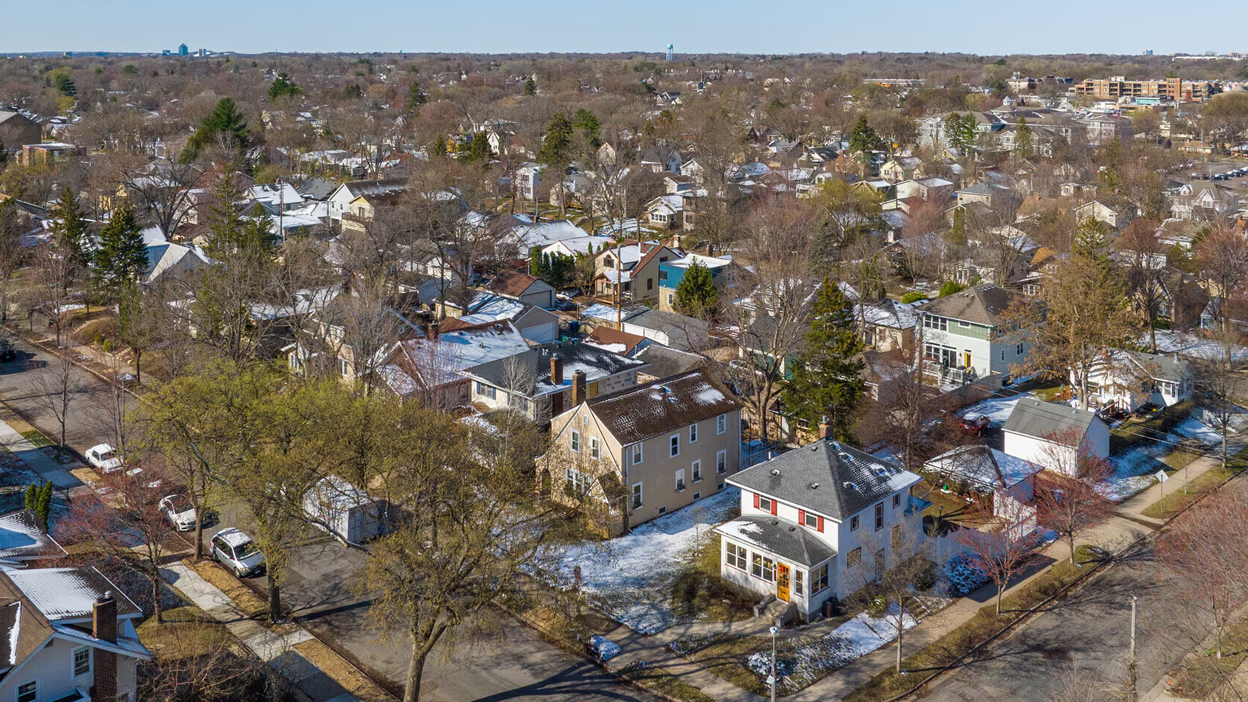
Minneapolis invests heavily in walk and bike infrastructure, supported by parks, lakes, and greenways. Comparing Minneapolis with other urban areas can be insightful through our article focusing on living in Minneapolis vs other cities in Minnesota to understand local nuances.
- Population: ~430,000
- Median Home Price: ~$325,000
- Median Rent: ~$1,600/month
- Median Household Income: ~$75,000
- Climate: Cold, snowy winters require robust walkability solutions.
- Economy and Jobs: Finance, healthcare, and food production industries provide jobs.
- Education: University of Minnesota anchors the city’s educational landscape.
- Ideal For: Students, young families, and outdoor enthusiasts.
- Known For: Arts scene, active lifestyles, winter-ready walkability.
Minneapolis is a standout among car-free cities in America for balancing winter challenges and pedestrian access.
For readers interested in related living choices, our post on the 10 best rural places to live in the US may provide alternative quieter lifestyle options.
Frequently Asked Questions (FAQs)
What defines a walkable city?
A walkable city is one where residents can fulfill most daily needs—work, grocery shopping, recreation, healthcare—on foot. This is made possible through safe, pleasant pedestrian infrastructure paired with compact urban design.
Are these cities truly car-free?
Most cities where you don’t need a car are not fully car-free but are designed so that owning a car is optional. Dense neighborhoods, pedestrian networks, and robust public transit reduce the necessity of driving.
How do public transportation and walkability work together?
Good public transit systems complement walkability by connecting neighborhoods, extending travel beyond walking distances, and reducing reliance on personal vehicles.
What about cost—are walkable cities more expensive?
Housing costs tend to be higher in walkable urban areas, but residents save significantly on transportation costs by reducing or eliminating car ownership, balancing overall expenses.
How does climate affect walkability?
Extreme weather can challenge walkability, but many cities invest in snow and ice removal, shaded sidewalks, and covered walkways to promote year-round pedestrian comfort.
Can families with children thrive in these walkable urban areas?
Yes. These cities often feature parks, safe pedestrian crossings, quality schools, and strong community networks that support family-friendly living in walkable urban areas USA.
Conclusion
The 10 most walkable cities in the US offer more than just a chance to avoid gridlock. They provide transformative benefits including environmental sustainability, improved personal health, enhanced social engagement, and robust economic vitality.
Through outstanding pedestrian infrastructure and connected public transit, these car-free cities in America redefine urban living, making day-to-day life easier and more enriching. Whether you prioritize culture, affordability, or climate, there’s a pedestrian-friendly city here to fit your lifestyle.
Evaluate your personal needs and explore the advantages of living in the best pedestrian-friendly cities USA has to offer. Embrace walkable urban living and take your first steps toward a convenient, connected, and fulfilling city life.
For a broader perspective on attractive living options, consider exploring our overview of the 10 most beautiful cities to live in the US and find the perfect blend of aesthetics and walkability.