When wondering, is New Jersey a good place to live? the answer depends largely on individual lifestyle preferences, values, and long-term expectations. There’s no one-size-fits-all judgment on quality or desirability here. Instead, living in New Jersey means engaging with a complex set of rhythms, community ties, and environmental features that vary across different regions of the state.
This article offers a grounded, experience-based perspective on what the daily life of the Garden State generally feels like. It focuses on broad patterns at the state level—exploring how living in New Jersey comes alive through the blend of pace, social atmosphere, work routines, and environment. Without diving into city-level details or statistics, this overview aims to help those considering moving to New Jersey gain a realistic sense of the lifestyle dynamics and regional contrasts that might shape their experience.
What Living in New Jersey Generally Feels Like

Living in New Jersey is an experience shaped by a unique mix of fast-paced urban edges and quieter suburban or coastal areas. The pace of life changes markedly depending on where you are in the state.
Many parts of northern New Jersey embody a bustling, fast-moving energy that reflects proximity to major metropolitan hubs. Here, residents navigate busy streets, crowded transit options like NJ Transit and PATH trains, and a constant flow of people and activity. This area feels vibrant but can also be marked by congestion and the familiar frustrations that accompany dense infrastructure.
In contrast, central and coastal parts of the state often bring a more relaxed and quieter rhythm to daily life. These regions offer a break from the hustle with slower weekends, access to parks and beaches, and small-town or suburban comfort. The blend of suburban ease and proximity to urban centers is a defining feature of the NJ lifestyle.
Thanks to New Jersey’s compact geography, distances between places—whether work, shopping, or recreation—tend to feel manageable. Public transit connectivity enables many residents to commute without total dependence on cars. Yet, this can also mean sharing crowded trains or dealing with toll roads and traffic jams that punctuate daily routines.
Typical daily life here mixes suburban routines—weekend errands, diner visits for coffee refills, managing tolls—with the dynamic energy of a state that never quite slows down. This creates a living experience with a steady, routine-driven flow that balances moments of ease with occasional irritation.
Community, Culture, and Social Atmosphere
Community ties in New Jersey often form the core of how residents experience the state socially. Many people build strong connections through extended family networks and local traditions, participating in cultural events like arts festivals or gathering in community centers. These bonds create a sense of belonging that many find grounding in the often fast-moving environment.
Who New Jersey Is Likely a Good Fit For
New Jersey tends to fit well for those who appreciate a balance of suburban convenience combined with close metropolitan access. People who want nearby transit options without immersing fully in urban density often find the state’s geography and infrastructure accommodate their preferences.
Those comfortable navigating a moderate-to-brisk pace of life—balancing traffic, transit schedules, and the state’s varied social dynamics—tend to thrive here. Families who value cultural amenities, walkable neighborhoods, and community resources often find spaces that align with their lifestyle.
Diversity lovers and those who seek a mix of regional environments also find resonance living in New Jersey. The state’s ethnic variety, artistic scenes, and outdoor options create pockets of cultural and natural richness across different areas. Recognizing and adapting to these regional contrasts is key to fitting well in the evolving NJ lifestyle.
Who Might Struggle Living in New Jersey
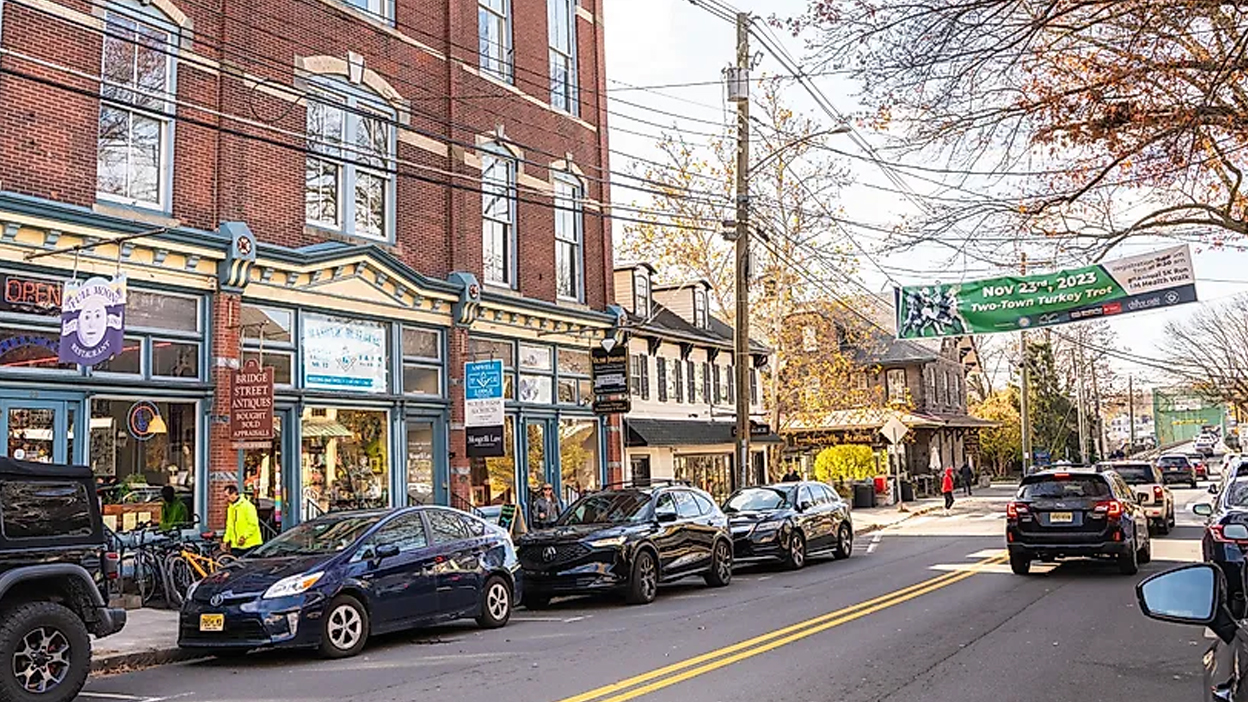
For some, New Jersey’s density and transit-heavy lifestyle can feel draining. Constant exposure to traffic jams, toll delays, and crowded public transit systems may wear on individuals who prefer environments with fewer daily disruptions and a more predictable routine.
Those who desire a very slow pace, broad open spaces, or expansive rural living may find New Jersey’s compact geography and infrastructural demands limiting. The blend of high living costs, taxes, and energy expenses can contribute to frustration, especially for residents without a strong attachment to the state’s rhythm.
People whose expectations do not align with New Jersey’s balance of social interaction, community style, and environment might experience dissatisfaction. Differences in regional culture, lifestyle pace, and accessibility often reveal themselves as mismatches for newcomers seeking either more serenity or less density.
Conclusion
When asking, is New Jersey a good place to live? the answer is deeply personal and depends on alignment with the state’s unique lifestyle blend. The Garden State offers a blend of busy yet adaptable daily rhythms, community-driven social environments, transit-based work structures, and environmental diversity.
This combination suits those comfortable with regional variation and the occasional challenges of congestion or infrastructure constraints. Understanding whether these patterns match your personal priorities and values is crucial.
Ultimately, living in New Jersey is about fit—not universal measures of quality. Using these grounded insights alongside your own financial plans and firsthand visits can help you form an informed view on moving to New Jersey and whether its lifestyle suits your long-term goals.