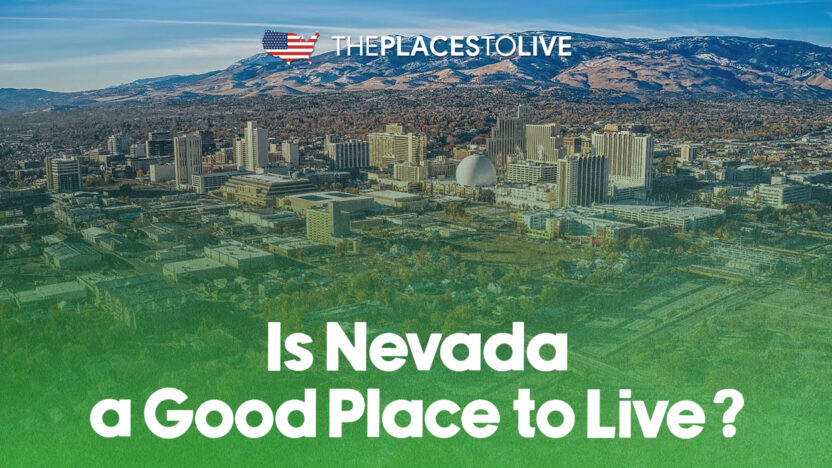
When considering a move, one of the first questions people ask is, “Is Nevada a good place to live?” The answer depends heavily on individual perspectives and lifestyle preferences. What makes Nevada “good” is not based on universal ratings, cost comparisons, or statistics, but rather on how well the state’s unique environment, culture, and rhythms align with a person’s values and daily habits.
This article explores living in Nevada from a statewide viewpoint, focusing on broad, experienced-based patterns rather than specific cities. For those moving to Nevada, understanding these patterns can help weigh if the state’s atmosphere and lifestyle match their expectations.
What Living in Nevada Generally Feels Like
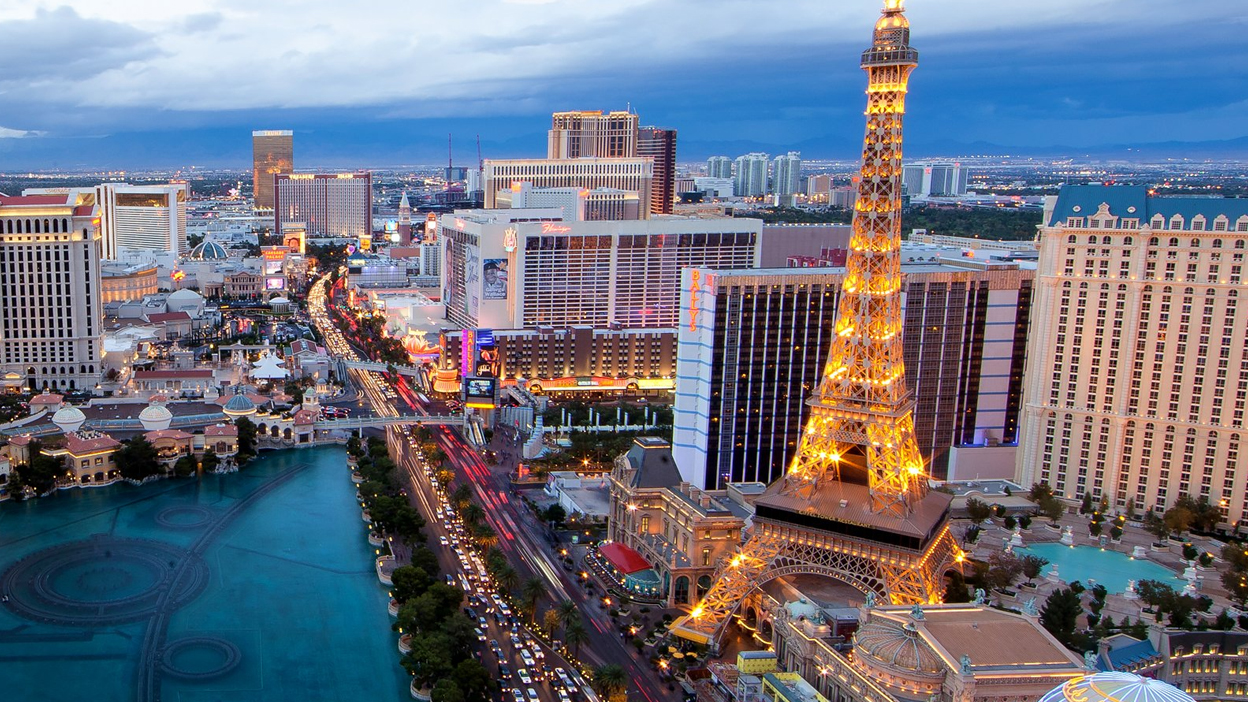
Nevada is a state of striking contrasts. Much of its landscape consists of vast stretches of desert punctuated by smaller, concentrated population centers. This geography molds the way life feels across the state.
Daily life often includes traveling long distances through open, empty spaces. The wide horizons foster a strong sense of freedom and room to breathe, yet in less populated areas, this same openness can lead to feelings of isolation or solitude. The spatial experience shapes not just movement, but also a psychological sense of place.
The Nevada lifestyle carries a distinct rhythm. Many residents describe periods of calm, almost meditative stillness during the off-season or quieter months. These stretches of desert tranquility are occasionally punctuated by bursts of activity, often tied to weather changes or seasonal events.
Climate plays a central role in daily routines. Summers bring intense heat that pushes people indoors or into shaded spaces, while mild winters allow more comfortable outdoor living. The dry air and consistent sunshine influence when and how people engage with their surroundings, with indoor cooling becoming essential at peak heat.
Community, Culture, and Social Atmosphere
The social fabric of Nevada reflects a blend of Western rugged individualism and modern diversity. Many communities feel quiet and reserved, placing a high value on personal space and privacy.
This reserved social climate does not equate to unfriendliness; rather, many residents appreciate approachable but low-pressure interactions. Dense social networking and constant proximity are often less common, with more emphasis on respectful distance and selective socializing.
Cultural influences here tie closely to Nevada’s libertarian streak. The absence of state income tax and business-friendly policies attract individuals who prize autonomy and limited government interference. This ethos permeates social attitudes, emphasizing independence both in economic and personal life.
Cultural affinity for libertarian values, along with an attraction to mild winters and abundant sunshine, draws those who prefer limited governmental oversight and a stable, predictable climate pattern.
Many who adapt fluidly to Nevada’s geography and climate speak positively about the state’s impact on their well-being and lifestyle satisfaction.
Who Might Struggle Living in Nevada
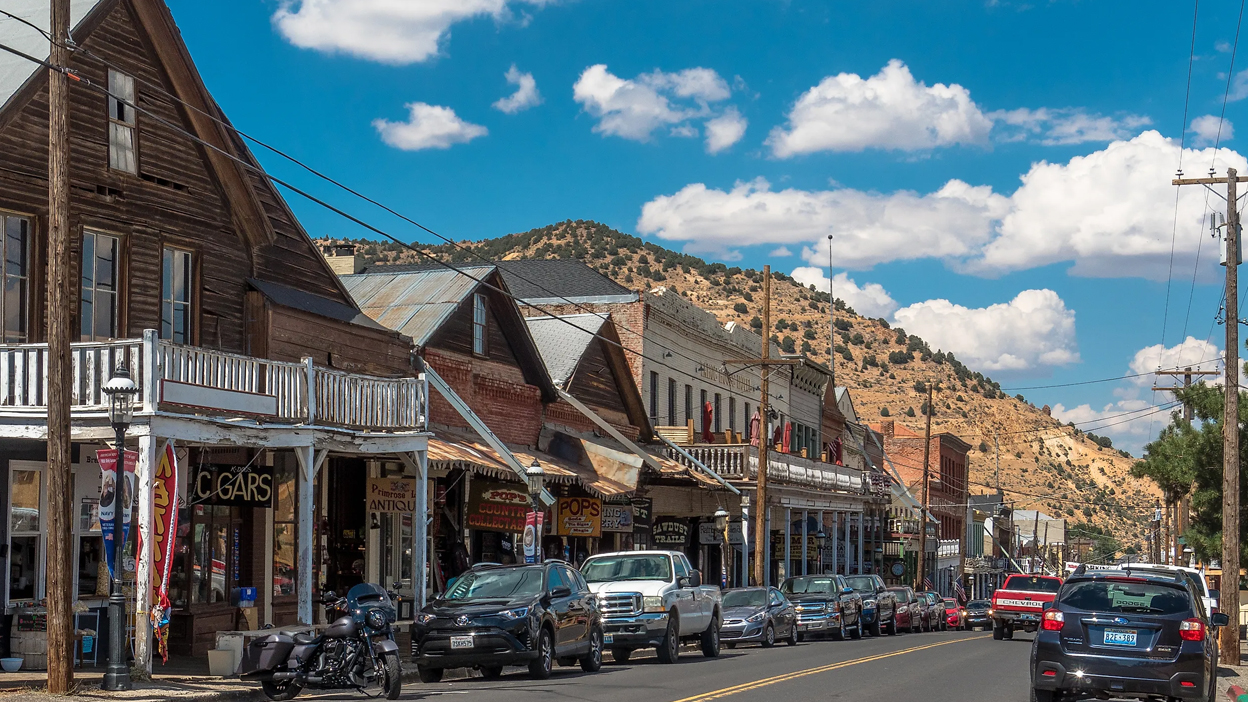
Not everyone finds Nevada an easy fit. Some lifestyles and preferences diverge sharply from what the state offers.
People who need dense, walkable communities with frequent social interactions might feel the sparse social landscapes challenging. The state’s arid, open deserts contrast strongly with more lush, temperate environments, which some might prefer for comfort and aesthetic reasons.
Transportation realities can cause friction. Those uncomfortable with longer drives, higher fuel expenses, and geographic isolation in parts of Nevada might experience routine fatigue. The sprawling nature of many regions means daily errands or commuting often involve significant travel.
Heat sensitivity is another common struggle. Individuals averse to dry heat or dependent on structured, urban-like environments with extensive public transit options may find daily life in Nevada less accommodating.
These challenges stem mostly from mismatches between lifestyle expectations and Nevada’s environmental and social conditions, rather than shortcomings of the state itself.
Conclusion
Answering the question “Is Nevada a good place to live?” ultimately depends on personal compatibility with its desert vastness, social culture, and everyday rhythms. The state’s unique blend of open space, individualistic social attitudes, and climate demands a thoughtful weighing of lifestyle needs and values.
For those moving to Nevada, understanding this lived experience provides critical insight, not a recommendation. The fit is deeply subjective, shaped by how the physical environment, cultural rhythms, and economic framework align with one’s own preferences and routines.
Nevada’s lifestyle fit favors those seeking independence, a connection to nature, and flexibility in daily life rather than universal judgments. For many, this means discovering a home in its wide horizons, steady sunshine, and distinctive way of living.