Moving to Albuquerque is more than packing boxes and arranging logistics. It’s about adjusting to a new way of living shaped by the city’s unique environment, pace, and culture. Understanding what to expect when moving to Albuquerque means preparing for changes that involve your daily life, your social connections, and your emotional landscape as you settle into this Southwestern city.
In this guide, we’ll explore the realities of living in Albuquerque and the typical experiences newcomers face in their first weeks and months. Recognizing the transition as a process—not a judgment on moving to Albuquerque itself—can help you approach this period with patience and self-compassion.
The First Weeks: Initial Impressions and Reality Checks
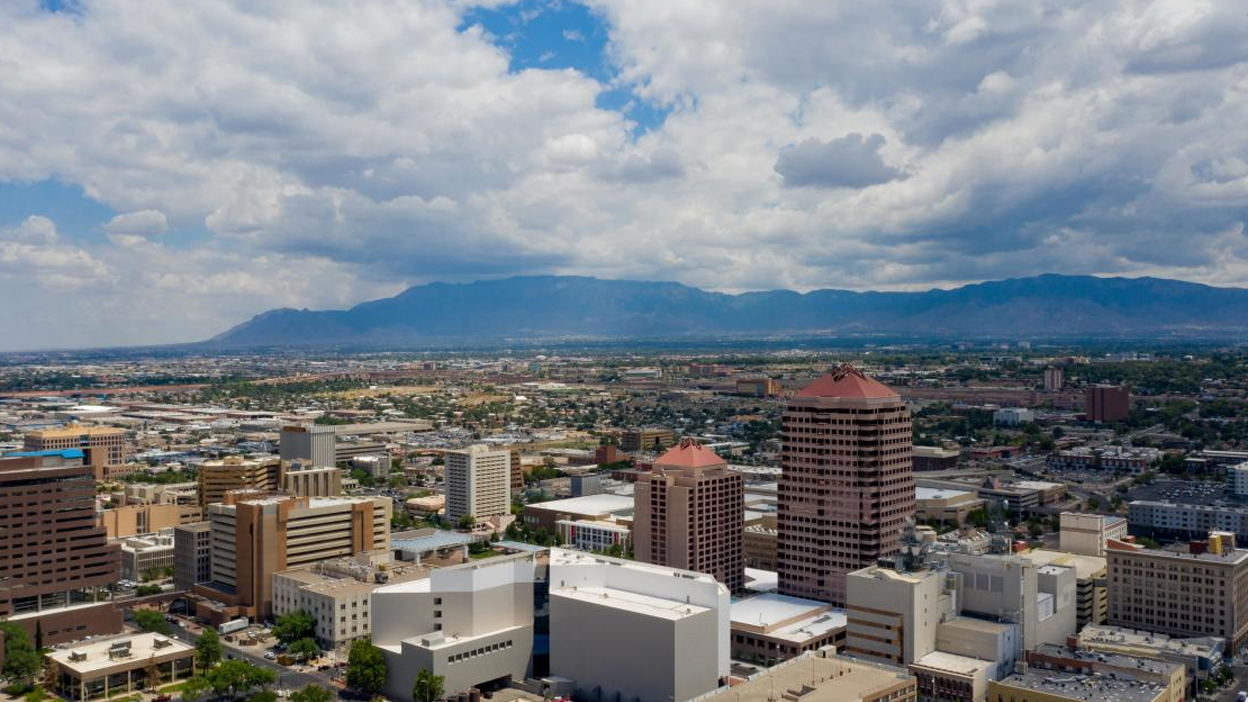
One of the first things you’ll notice when moving to Albuquerque is the shift in the sensory and environmental atmosphere. Albuquerque sits within the high desert, making the air dry and sunshine intense. Summers bring long stretches of heat, while winters are comparatively short and cold, but with less humidity than in many other cities. This climate can be very different from what you’ve experienced before.
The city’s layout is another distinctive factor shaping your early impressions. Albuquerque offers a relatively spacious urban environment, with neighborhoods spread out across a moderate population density. This means the rhythm of life moves at a different pace compared to cities with heavy urban sprawl or highly congested areas.
You may find the spaciousness calming, but also surprising if you come from a more compact or walkable location.
Visually, Albuquerque’s cultural identity is apparent everywhere. The pueblo-style architecture, adobe hues, and Southwestern design elements create a backdrop that initially might feel both mesmerizing and unfamiliar. This aesthetic forms part of the city’s character but can take time to fully appreciate.
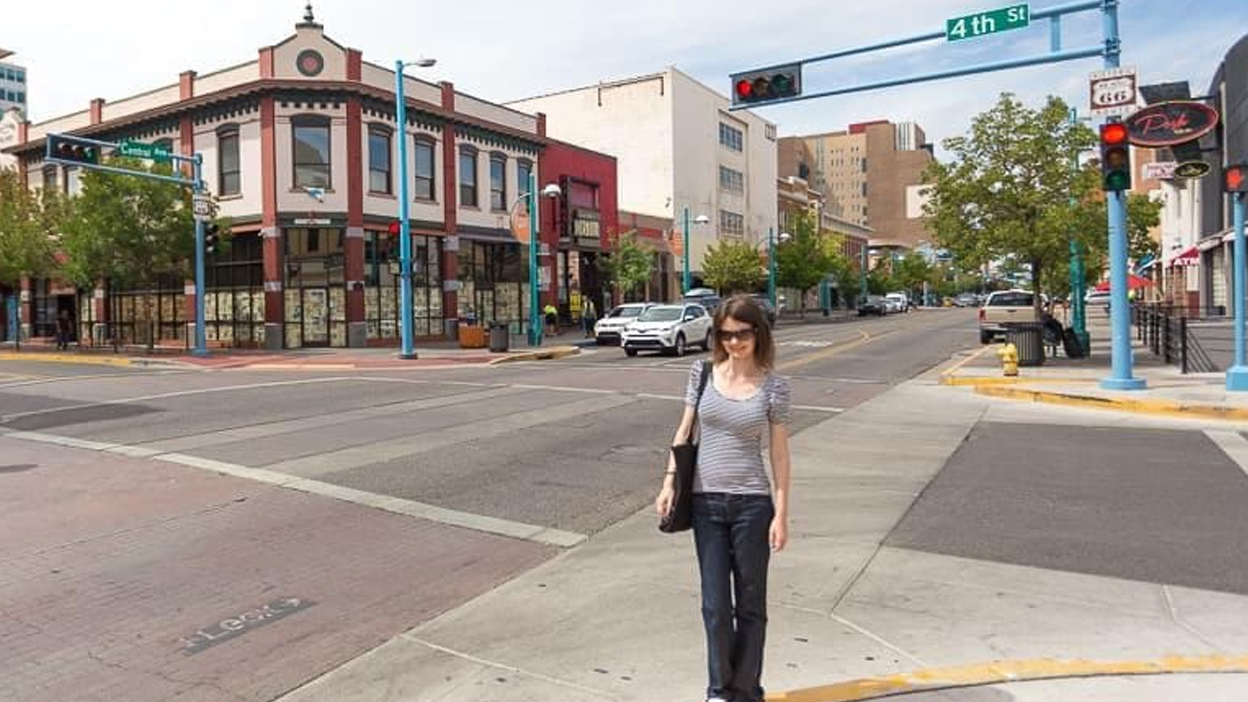
Navigating around the city is another common source of early adjustment challenges. Neighborhoods such as Uptown, Nob Hill, Rio Rancho, and the Northeast Heights each have distinct personalities and functions. Understanding how these areas connect, figuring out traffic patterns, and learning the routes where cars are essential can be confusing at first. Unlike places with heavy reliance on public transit, Albuquerque’s buses and ART streetcar serve as limited options for getting around, so expect to adapt to driving more frequently.
In summary, what to expect in Albuquerque during these initial weeks involves absorbing a very different climate, architectural style, and urban rhythm—all of which contribute to your evolving sense of place.
Adjusting to Daily Routines
Daily life in Albuquerque revolves largely around vehicle travel. Most people get where they need to go by driving their own cars. Public transportation is available but generally limited in scope and frequency. This emphasis on car travel means your daily routines will depend heavily on your ability to navigate streets and highways, adjust driving habits, and plan for travel times that vary with the city’s geography.
While Albuquerque doesn’t typically have the constant gridlock of much larger metros, occasional rush hour backups can still surprise newcomers. Driving here also requires a recalibration of how you think about distance and time. What might have felt like a short commute elsewhere could take longer depending on routes and traffic flow. This adjustment happens gradually as you gain practical experience behind the wheel.
The process is multidimensional. Feeling fully “at home” can mean having navigated the physical geography, developed meaningful social bonds, and adjusted daily habits. Each dimension often advances at its own pace.
Recognizing that what to expect in Albuquerque includes variability in the settling process encourages patience. Your personal pace is valid, and a non-linear adjustment is normal.
What Helps the Transition Feel Easier
Several strategies can ease the transition and accelerate a sense of comfort living in Albuquerque.
First, establishing consistent routines creates stability. Whether it’s a weekly grocery trip to Uptown, a regular coffee stop, or a scheduled activity with coworkers, routines provide reliable anchor points amid newness. These familiar patterns reassure your mind that this environment is becoming known and manageable.
Second, practicing patience with yourself and the timeline is critical. Realistic expectations acknowledge that adapting to the dry climate, the city’s pace, driving dynamics, and cultural rhythms all take time. Viewing challenges as part of a learning curve rather than barriers reframes them positively.
Third, adopting an active, curious approach transforms unfamiliar features into sources of interest and enjoyment. Exploring local shops, attending community events, sampling Southwestern cuisine, or asking locals for recommendations encourages engagement. The distinctive adobe architecture evolves from something odd to a cherished part of Albuquerque’s identity.
Finally, cultivating a support network eases both practical and emotional challenges. Connecting with neighbors, coworkers, interest-based groups, and staying in touch with previous friendships provides multiple layers of support. Sharing experiences and gathering advice builds confidence and lessens feelings of isolation.
In sum, what to expect when moving to Albuquerque improves when you combine routine, patience, active involvement, and relationship-building.
Conclusion
Feeling unsettled or uncertain during your first months after moving to Albuquerque is a normal and common experience. Such feelings reflect the natural process of adapting to a distinct Southwestern climate, city layout, cultural character, and social dynamic.
The timeline for adjustment varies from person to person. Some aspects of living in Albuquerque will feel comfortable early on, while others take longer to navigate and internalize. This variability does not signal failure or poor choices, just the normal contours of personal transition.
Maintaining realistic expectations, nurturing patience, and showing self-compassion are key components to gradually transforming Albuquerque from a new city into home. This process involves steady exploration, connection, and acceptance.
By understanding what to expect when moving to Albuquerque, you empower yourself to embrace the journey with confidence and openness—welcoming the unique rhythms and character of your new home.