
The question “is Kentucky a good place to live” is deeply personal. It hinges on individual lifestyle preferences, values, and what people expect from their environment and community. Common reputations or stereotypes about Kentucky rarely capture the lived reality or the wide variety that the Kentucky lifestyle offers across different regions.
This article focuses on who tends to feel comfortable living in Kentucky based on real experience — not on data rankings, cost comparisons, or city evaluations. It explores the blend of rhythms, social patterns, and regional characteristics that shape the everyday feel of living in Kentucky.
What Living in Kentucky Generally Feels Like
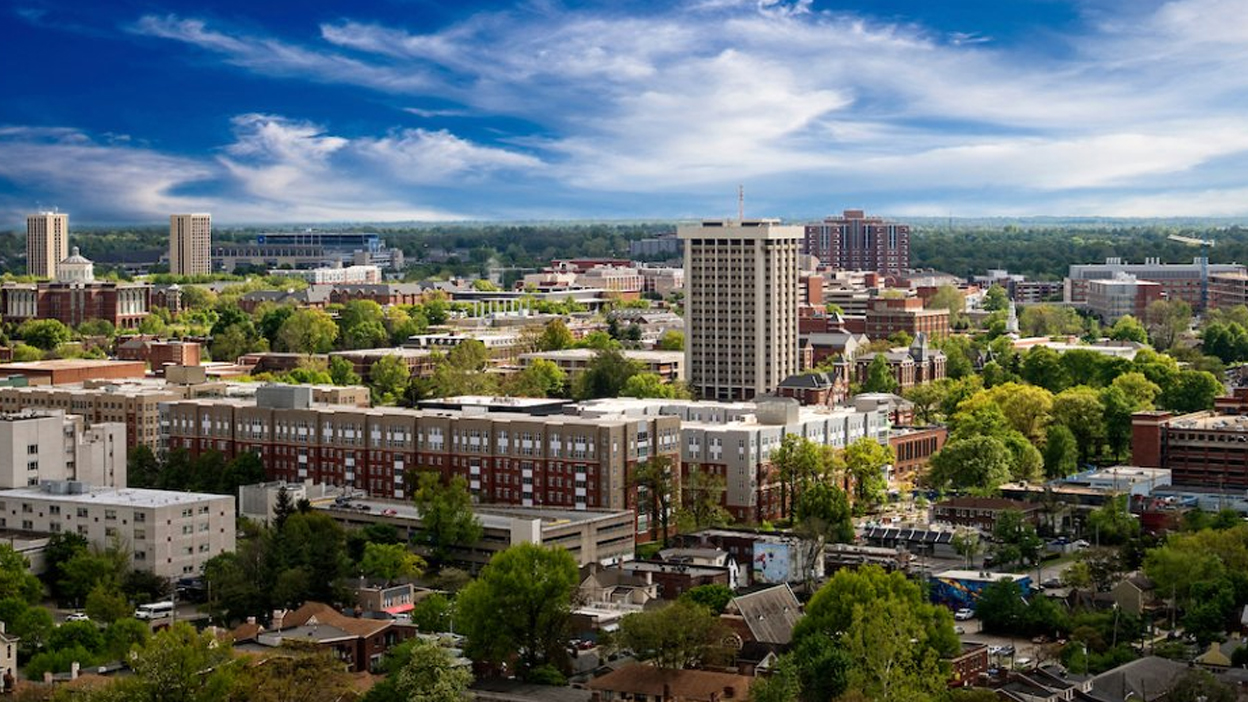
Living in Kentucky often means experiencing a slower, more measured pace of life than many expect. The overall tempo blends relaxed rural rhythms with steadier activity near busier pockets. Outside a few metropolitan zones, much of the state consists of wide-open land, farmland, and small towns, creating a sense of space that profoundly shapes daily life.
Many residents speak of a distinct feeling of physical and social breathing room. It’s common for daily life to revolve around seasonal and regional routines rather than fast-paced inner-city hustle. For example, outdoor activities, agricultural cycles, and local fairs mark the year more than rigid work-hour structures.
This natural rhythm also means that in different parts of the state, the experience may shift. Some areas carry a bit more bustle during business hours, but the pace rarely demands the intensity typical of large urban centers. People living in Kentucky often describe their surroundings as spacious and unhurried, which colors social interactions and personal time.
The broad landscapes and slower tempos offer residents a blend of calm and steady activity characteristic of the Kentucky lifestyle.
Community, Culture, and Social Atmosphere
Kentucky’s social fabric is another defining part of the experience. Many residents find the state’s hospitality warm yet culturally reserved. This combination creates steady but not intrusive neighborly connections—people are welcoming but respectful of personal boundaries.
Local traditions play an important role in shaping community life. Pride in things like horse farms, bourbon distilleries, and bluegrass music offers cultural touchstones without overwhelming social expectations. These regional influences foster a variety of social atmospheres: some areas host lively festivals and community events, while others maintain quieter, more rural social bonds.
The relative affordability supports residents who want room for hobbies, outdoor access, and cultural participation without intense social pressure. For those seeking out a lifestyle rooted in local customs, seasonal changes, and a strong sense of place, the Kentucky lifestyle can be deeply satisfying.
Who Might Struggle Living in Kentucky
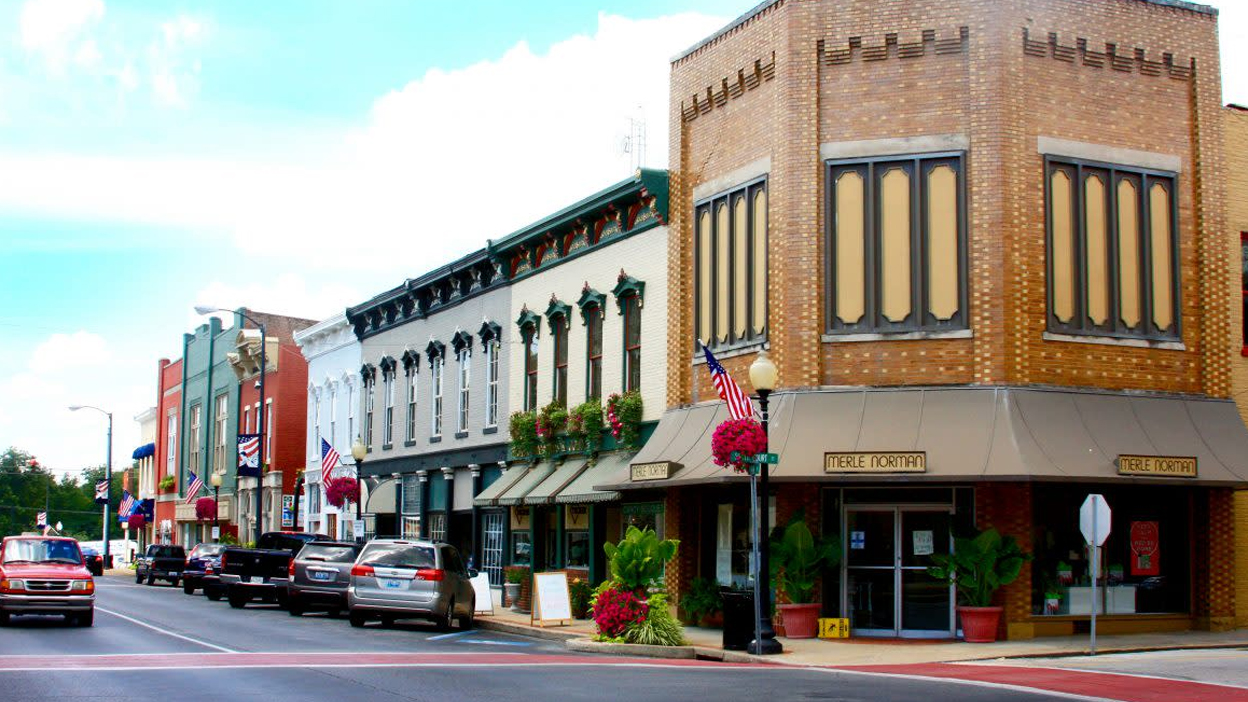
Conversely, Kentucky may be less comfortable for those who expect constant high-energy urban environments or tightly structured metropolitan lifestyles. The variable pace, long rural distances, and dispersed settlement patterns can feel out of step for those craving more consistent metropolitan intensity.
People who look for uniform cultural vibes may find the state’s patchwork of social tones and generally reserved interactions unfamiliar or challenging. Kentucky’s regional diversity means that no single cultural atmosphere dominates, which isn’t always easy for newcomers expecting consistency.
Those less tolerant of variability in routine and pace—affected by geography and infrastructure—might also find living in Kentucky frustrating. Affordability pressures, including stagnant minimum wages and rising housing stress, add complexity for some residents, especially those with higher cost expectations or less personal flexibility.
Repeated affordability challenges can create strains, making it harder for certain individuals to feel comfortable or secure within Kentucky’s economic and social landscape.
Conclusion
When considering the question “is Kentucky a good place to live,” the key lies in knowing yourself. Weigh your own lifestyle preferences, tolerance for Kentucky’s characteristic rhythms of space and community, and acceptance of its cultural and regional diversity.
Whether Kentucky fits well depends more on personal alignment than external reputation or objective measures alone. The state’s Kentucky lifestyle reflects a grounded experience shaped by natural, tradition-rooted steadiness rather than relentless energy or uniformity.
This perspective can help anyone moving to Kentucky approach the decision with clarity and realistic expectations. Understanding Kentucky through lived impressions provides a vital part of the broader reflection that relocation deserves.