When considering a move within Arkansas, many find themselves curious about living in Fayetteville Arkansas and how it compares to other cities in the state. This curiosity often arises not from a desire to find a “best city in Arkansas,” but from a more personal quest: where can one’s daily life, community connection, and environment align best with individual tastes and rhythms?
Arkansas lifestyle varies notably across its cities, shaped by factors such as the pace of life, physical geography, and the character of local communities. From the energetic, youthful buzz of a college town nestled amid rolling hills to the quieter, steadier beats of smaller or more corporate-oriented cities, the state hosts a broad spectrum of lived experiences. This post aims to paint a detailed portrait of these differences, focusing on how Fayetteville’s particular personality influences daily rhythms, housing feels, work patterns, costs, and social life without ranking or direct city-versus-city contests.
How Daily Pace and Environment Differ in Fayetteville vs Other Cities in Arkansas
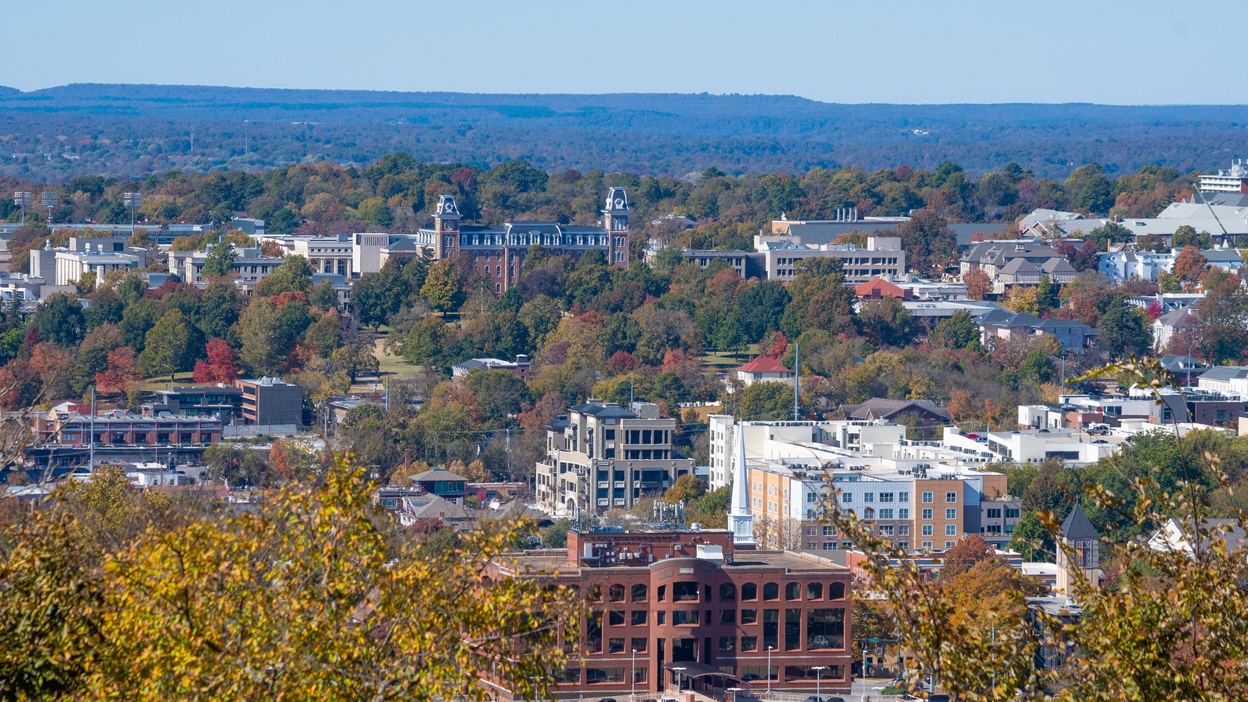
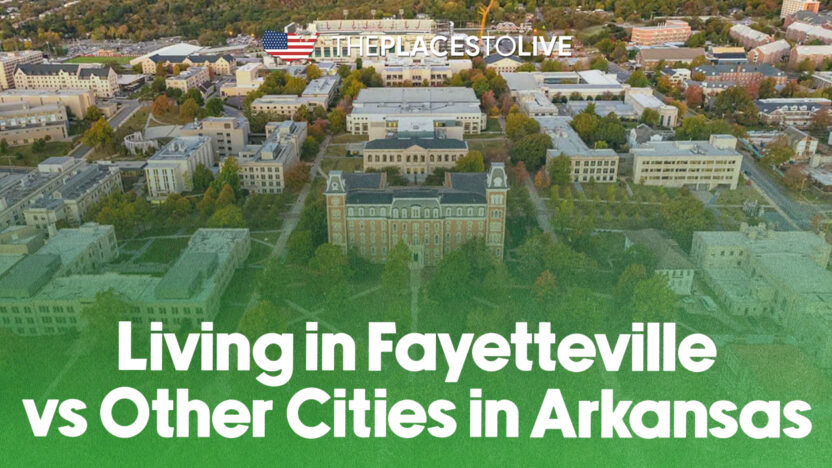
Living in Fayetteville Arkansas is marked by a distinctive daily rhythm influenced strongly by the University of Arkansas. The university’s presence infuses the city with vibrancy and community energy rarely found in other Arkansas locations. Game days bring an unmistakable spike in activity: more traffic, bustling streets, and impromptu gatherings, which can feel like natural interruptions to daily routines rather than mere inconveniences. Concerts, cultural events, and a generally youthful crowd blend to sustain a lively yet approachable tempo.
Fayetteville’s environment reflects a rugged, hilly topography that encourages walkability and spontaneous social encounters. Its urban design grew organically, resulting in neighborhoods shaped by natural contours rather than rigid grids. This fosters diverse communal experiences: a walk up a winding street might lead past a historic home, a green space trail, or a quirky local café within a single block.
By contrast, other Arkansas cities tend to offer different daily environments that translate into different lived experiences. Some unfold on flatter, less varied terrain, promoting a quieter, more stable pace. In these places, activity patterns may center around family-oriented calm or corporate polish rather than collegiate energy. Urban planning often leans toward newer, more uniform development, characterized by wider streets, larger properties, and less pedestrian density. This shapes everyday life by favoring spaciousness and tranquility over the spontaneous buzz found in Fayetteville’s hills.
Population density clearly feeds into these contrasts. Fayetteville’s compact core facilitates encounters and shared outdoor engagement, while other locales emphasize quieter streets and spread-out living. These differences in design and community rhythm shape how residents experience daily movement, from casual walks to their broader engagement with surroundings in the Arkansas lifestyle.
Housing and Space Expectations: Feeling at Home in Fayetteville and Beyond
Housing in Fayetteville bears the marks of its history and geography. Many homes are older, layered atop rolling hills that give neighborhood streets distinctive and varied shapes. This topographic variety contributes to a textured sense of place, where dynamic shifts in elevation create diverse vantage points and opportunities for integrating natural green spaces, such as trails and parks, into daily routines.
The housing stock itself is diverse. A striking feature in Fayetteville is the high proportion of rental properties mingling with long-term residences, which cultivates a fluid, changing community feel. Architectural styles vary widely, from older bungalows and craftsman homes to more modern infills, enabling a mix of privacy and neighborly interaction that suits a variety of preferences.
Across Arkansas, community atmospheres range widely. Cities guided by corporate influences promote family-oriented events and well-curated cultural calendars that lend themselves to stable, networked social connections. Smaller towns or rural areas foster closer but sometimes more dispersed ties, emphasizing tradition, kinship, and long-standing local rituals over transient or spontaneous social gatherings.
These differing social patterns shape residents’ sense of belonging in profound ways. Fayetteville tends to attract individuals seeking deep cultural immersion and active social involvement, often appealing to younger, adventurous segments of the population. Other Arkansas cities may better suit those valuing heritage-based bonds, low-key engagement, or family-centric social rhythms, offering alternative but equally meaningful pathways to community.
Who Fayetteville Tends to Suit Best: Aligning Lifestyle and Local Character
Reflecting on those naturally drawn to Fayetteville reveals patterns aligned with its vibrant, hilly college-town atmosphere. Young professionals, university students, and families embracing creative fields or sports often find a comfortable fit here. The city’s nightlife, cultural events, and organic neighborhood variety mesh with their desire for dynamic social and personal experiences, woven into a landscape that encourages exploration and engagement.
Elsewhere in Arkansas, different lifestyle priorities shape who feels at home. Corporate families may gravitate toward cities offering polished amenities and career-centered environments, retirees toward tranquil, nature-rich towns, and urban careerists toward metropolitan centers balancing work and leisure in ways distinct from Fayetteville’s rhythm. Each locale represents a niche of lifestyle alignment defined by pace, community scale, and personal needs.
Suitability emerges as a matter of matching one’s preferred life tempo, social energy, and environmental qualities with the character of the place. Here, no city is intrinsically better or worse, only differently suited, underscoring the nuanced spectrum of Arkansas lifestyle options.
Conclusion
Choosing where to live within Arkansas, whether in Fayetteville or other cities, transcends simple rankings or labels. It is a deeply personal decision rooted in how one’s daily rhythms, social ambitions, spatial preferences, and financial comfort intersect with local character.
Fayetteville’s energetic, hilly environment, university-driven vibe, and walkable design create a unique lifestyle suited to those seeking vibrancy coupled with community closeness. Elsewhere, Arkansas offers quieter, more corporate, or family-oriented alternatives, each fostering their own forms of fulfillment.
Prospective residents are encouraged to reflect thoughtfully on their lifestyle needs and desires, viewing Arkansas’s variety not as a contest but as a rich spectrum of choices. In this landscape, the best place to live is the one that resonates most clearly with individual rhythms and aspirations—an ongoing exploration celebrated as part of the state’s distinctive cultural and geographic tapestry.