
Moving to Dallas brings a range of unexpected experiences shaped by the city’s vast physical layout and fast-moving lifestyle. Knowing what to expect when moving to Dallas goes beyond packing boxes and signing leases—it’s about understanding how everyday life unfolds in a sprawling urban environment. From the initial sensory shocks to adapting daily routines, adjusting socially, and managing emotional ups and downs, this guide dives into the realities many newcomers face during the first months of living in Dallas.
This blog post explores the transition phase after moving to Dallas. It focuses on the first few weeks and months as newcomers learn the rhythms of the city, confront common challenges, and gradually feel more at home. Insights center on living in Dallas itself, highlighting real adjustments without making long-term judgments or comparisons.
The First Weeks: Initial Impressions and Reality Checks of Moving to Dallas

When moving to Dallas, the very first impressions often revolve around sensory changes and spatial awareness. The city presents a constant urban noisescape: a steady hum from highways, the rush of traffic congestion, the distant roar of stadium crowds, and the energizing bustle of downtown streets. These sounds form the backdrop of daily life, much different from quieter or more compact places.
Dallas stretches wide in every direction. The city’s layout combines broad, multi-lane boulevards with neighborhoods spaced apart across an expansive metropolitan area. For newcomers, this spatial vastness feels overwhelming at first. Errands that once took minutes can transform into long drives. Streets that appear straightforward on a map demand multiple exits and traffic signals in reality. This dispersed nature contrasts with smaller, more walkable cities and requires a mental shift in how distances are perceived.
Sensory changes also include environmental differences. Drive-thru culture is dominant; meals, banking, and even pharmacies often function through car windows. Large venues—from sprawling malls to sports arenas—amplify the sense of scale and movement. For newcomers accustomed to denser settings, these elements create adjustment challenges.
Weather can add surprises in early weeks. Summers bring intense heat that fluctuates into sudden, heavy rainfall or storms. This volatility requires flexibility in daily planning and further shapes what to expect in Dallas.
Ultimately, the biggest initial adjustment is coming to grips with the city’s physical magnitude. What feels like a simple outing can become a 30–45 minute journey, testing patience and logistical skills. Knowing this early on helps frame living in Dallas as an experience marked by scale and sensory richness.
Adjusting to Daily Routines in Dallas
Once the novelty of moving to Dallas settles, daily life begins to revolve largely around car-dependent commuting and navigation. Unlike cities where walking or public transit forms the core of movement, Dallas pushes newcomers to embrace driving as the go-to mode.
Navigating highways such as I-35, Loop 12, and US-75 demands learning typical traffic patterns and peak congestion hours. Many rely on traffic apps for real-time updates, plotting routes that avoid snarls or detours. This shift might be stark for those who previously depended on buses, trains, or biking, but it becomes necessary to maintain flexibility and efficiency given the urban sprawl.
Some find orientation within the first one to three months by cultivating steady routines, establishing commuting patterns, and engaging within community groups. Others take longer—up to six months or more—exploring various neighborhoods, local culture, and social scenes across the sprawling Dallas-Fort Worth metroplex.
Expecting a fixed duration for feeling “settled” is unrealistic. Instead, adaptation must be treated as a gradual journey tailored to individual experiences and needs. This approach prevents undue pressure and allows genuine acclimation to take place at a comfortable pace.
Living in Dallas means embracing a dynamic environment that demands flexible timelines for becoming truly rooted.
What Helps the Transition Feel Easier When Moving to Dallas
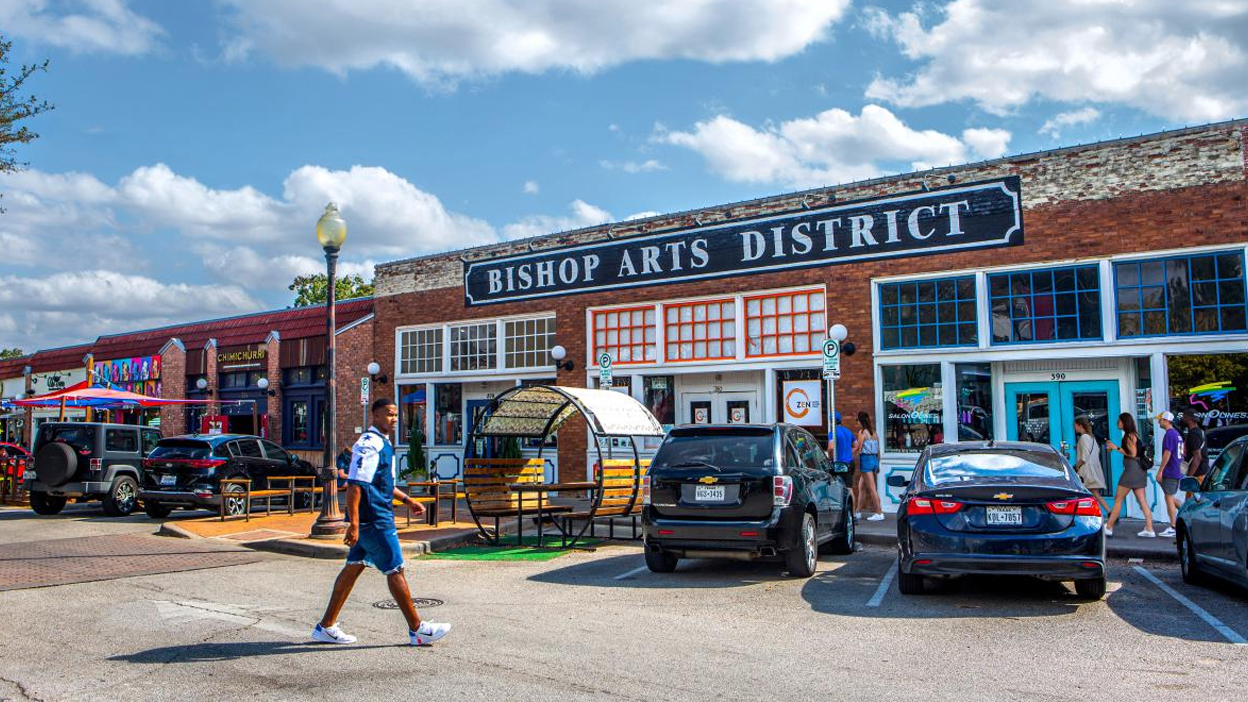
Several practical strategies ease adjustment and help newcomers feel grounded amid Dallas’s scale and pace.
First, developing stable and predictable routines provides structure and familiarity. Regular grocery shopping trips, weekly visits to favorite parks, or participation in community events serve as anchor points in an otherwise sprawling cityscape. These patterned activities reduce daily uncertainty.
Patience is another critical factor. Allowing oneself permission to adapt naturally without rushing or forcing social integration creates space for healthier adjustment. Accepting that feeling fully at home can take time alleviates internal pressure.
Managing expectations realistically—acknowledging long drive times, occasional weather extremes, and dispersed neighborhoods—helps reduce frustration. Understanding these local conditions upfront narrows surprises.
Finally, staying open to diverse local experiences enhances comfort. Participating in group sensory programs, community tours, or low-key social gatherings fosters organic connections and builds confidence in navigating Dallas’s offerings. Openness to trying varied activities accelerates belongingness.
Together, these approaches make the transition to living in Dallas smoother and less stressful.
Conclusion
Moving to Dallas inevitably brings unforeseen feelings and sensory surprises during the early months. These experiences do not reflect failure or poor choices but rather natural transitional phases of adapting to a large, active city.
By understanding the initial sensory shifts, evolving daily routines, social rhythms, and emotional patterns typical in Dallas, newcomers can approach the move with realistic expectations and openness.
Embracing the adjustment period with patience and practical strategies is essential. Doing so fosters a healthy, balanced progression toward feeling settled and comfortable in this vibrant urban environment.
When moving to Dallas, recognizing and accepting these realities forms the foundation for a successful start to living in Dallas.