
Tucson, Arizona, stands out among Arizona desert cities as a place that blends appealing natural features with daily challenges. Understanding the pros and cons of living in Tucson, Arizona means looking beyond broad stereotypes or statistics. Instead, it calls for a deeper sense of how the city’s unique desert environment and cultural backdrop shape the rhythms and realities of daily life here.
Nestled in the Sonoran Desert, Tucson offers a distinct fusion of vast open spaces, historic influences, and urban elements. Life in this place moves to the pace of the desert—one defined by enduring sunshine, wide horizons, and a strong local community molded by the surrounding landscape. This article explores what it means to live in Tucson Arizona through the lens of actual experience, highlighting the intertwined advantages and challenges shaping everyday routines, neighbors, and lifestyle.
The Main Advantages of Living Here
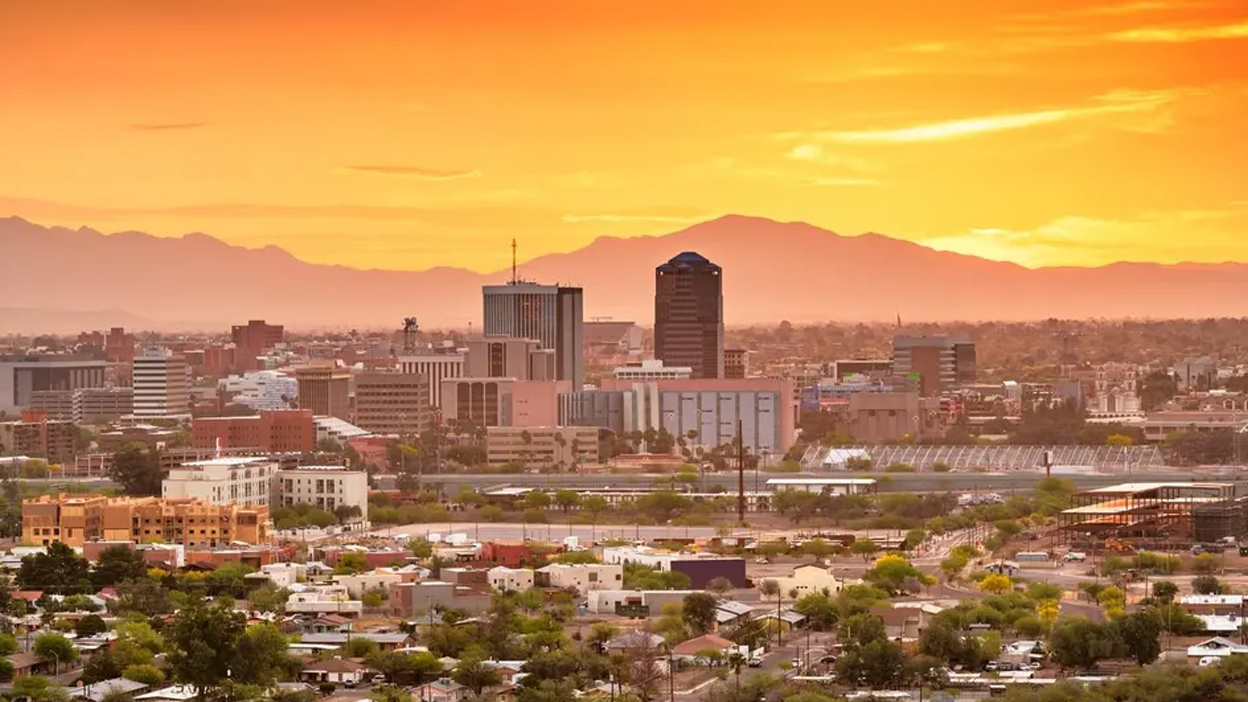
The desert environment profoundly influences life here, setting a natural rhythm that affects how residents structure their days and weeks. Wide, open vistas of the Sonoran Desert provide more than scenic beauty—they establish a backdrop for abundant outdoor activities. Mild winters allow hiking, mountain biking, and birdwatching for much of the year, engaging those who live here with a connection to the land that many find deeply rewarding.
Living in Tucson Arizona also means embracing a slower, more relaxed pace of life compared to larger urban centers. Neighborhoods often emphasize friendliness and approachability, fostering a sense of belonging. Many areas feature inviting parks, botanical gardens, and community events that encourage local connection without the overwhelm of big city bustle. These social spaces nourish a comfortable lifestyle that balances outdoor living with community interaction.
Cultural and recreational offerings provide further enrichment. Tucson’s food scene, rich in Southwestern flavors, presents opportunities to explore locally influenced cuisine regularly. The University of Arizona adds depth to the local arts and cultural landscape, hosting performances, exhibitions, and events that tap into both regional traditions and contemporary expressions. Notably, clear desert skies with minimal light pollution enable memorable stargazing experiences, a unique pleasure contributing to the city’s lifestyle appeal.
Daily life here benefits from practical conveniences woven into neighborhood fabrics. Local markets and cozy cafes are common gathering points, making daily errands and socializing seamless parts of routines. The accessible blend of urban amenities and natural beauty brings a balanced feeling to life in Tucson, with lifestyle choices influenced by what the environment offers and what residents value. While Tucson cost of living affects these choices subtly, it mainly manifests in how people adapt their day-to-day activities and select services without the stress of cost dominating conversations.
The Common Challenges or Downsides
Living in Tucson Arizona involves clear trade-offs, primarily in living with a dry desert climate that demands adaptation. Summers often bring intense heat from June through September, requiring residents to consciously protect themselves through hydration, light clothing, and staying indoors during peak heat hours. The arrival of monsoon season introduces sporadic but powerful bursts of rain, often accompanied by dust storms known locally as haboobs. These conditions can disrupt outdoor plans and affect air quality, presenting recurring challenges for daily life.
Individuals who appreciate cultural engagement alongside outdoor living also resonate with this city. Festivals honoring Southwestern heritage, the robust arts scene associated with the University of Arizona, and a vibrant food culture blend local flavor with intellectual and creative outlets. This synergy proves appealing for residents who value both place-based traditions and contemporary expression.
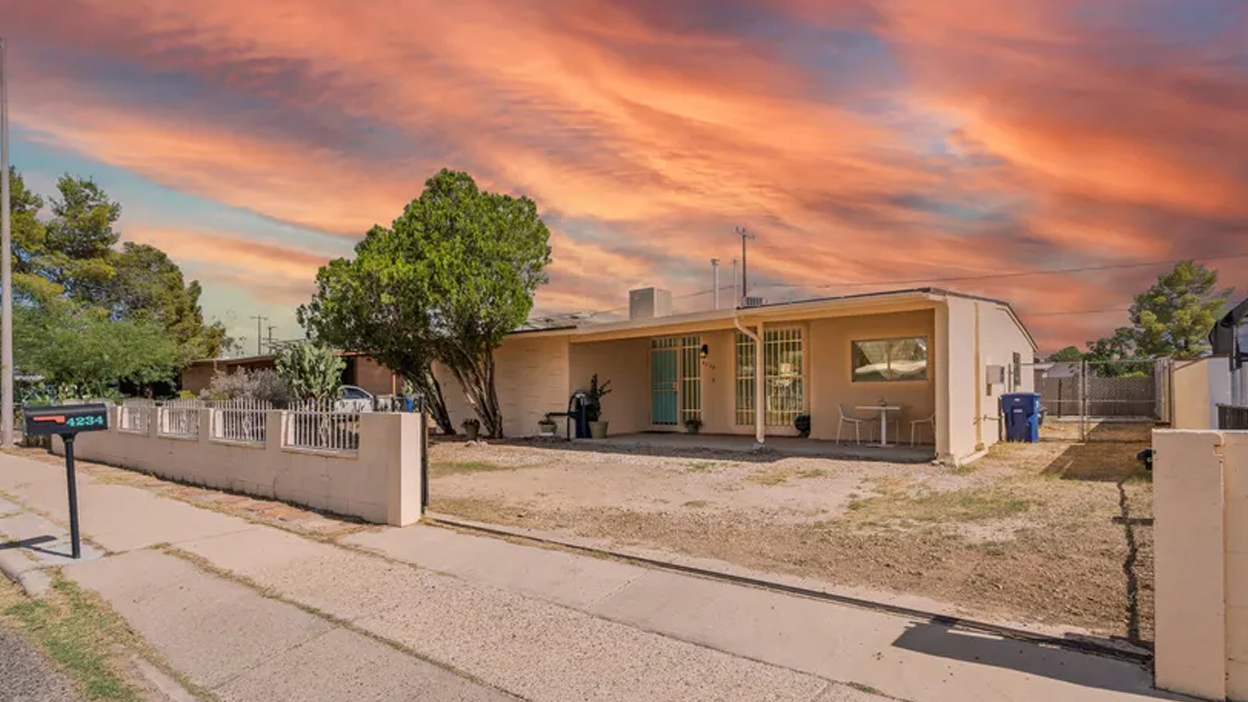
Families and retirees often find balance here, attracted by accessible housing styles like ranch or Spanish colonial homes, quieter suburban neighborhoods, and healthcare services tailored to an aging population. The city’s combination of community warmth and desert environment supports active, balanced lifestyles framed within the broader category of Arizona desert cities.
Who Might Feel Frustrated Living Here
Those sensitive to climate extremes may face ongoing challenges. Prolonged summer heat requires acclimation and vigilance, while dust and allergen exposure—and sometimes water scarcity—add layers of complexity to health and comfort. Without strong practical adaptations, these conditions can weigh heavily on daily living.
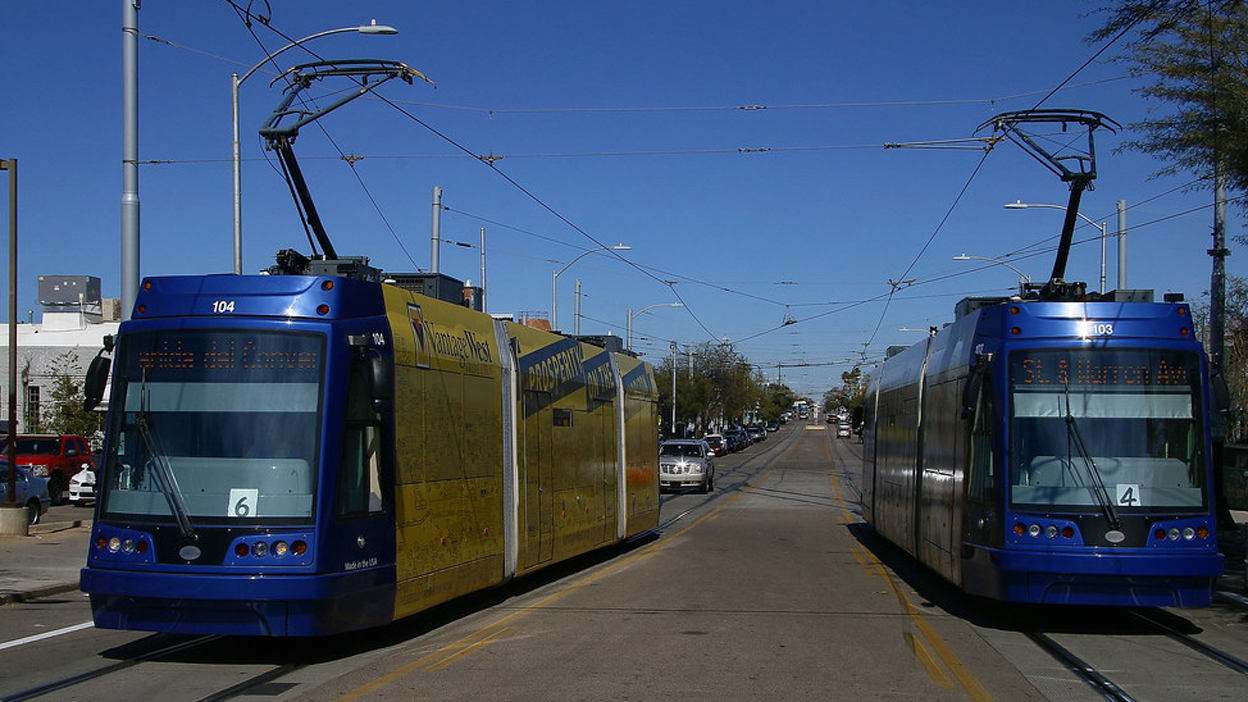
People relying heavily on extensive public transit may find limitations frustrating, as the city’s infrastructure lags behind larger metropolitan systems. Similarly, individuals accustomed to the nonstop hustle, vibrant nightlife, or dense social scenes common in bigger urban centers could struggle with the slower pace and less energetic nightlife the city offers.
Newcomers from large cities or places with more varied and around-the-clock activity may also experience feelings of isolation or disconnect. The demographics tilt toward a quieter, smaller population with different lifestyle expectations. In some cases, the downtown’s more rundown or noisy spots, combined with seasonal tourist waves, intensify these frustrations. These difficulties rarely reflect urban flaws but rather natural mismatches between personal expectations and the local way of life.
Conclusion
The pros and cons of living in Tucson, Arizona weave together environmental blessings and adaptive challenges that shape everyday existence. Sunshine, clear skies, and accessibility to nature bring undeniable gifts, while desert heat, mobility constraints, and a slower rhythm present continuous trade-offs. These elements create a nuanced, intertwined experience rather than a simple balance sheet.
Reflecting on the pros and cons of living in Tucson, Arizona invites individuals to consider how their personal preferences, rhythms, and lifestyle expectations align with the unique desert-urban canvas. It is a place where experiential harmony often matters more than absolutes, and where every day offers a blend of natural beauty and practical realities that invite thoughtful engagement with living here.