
Moving to San Diego brings unique experiences shaped largely by its distinctive coastal desert climate. This climate features mild temperatures year-round, low rainfall, frequent marine layers along the coast, and diverse microclimates influenced by the region’s varied topography. Understanding these key environmental characteristics is essential to grasp what to expect in San Diego and how to navigate living in San Diego comfortably. This guide provides detailed insights into the phases and realities that come with moving to San Diego, helping newcomers orient themselves to the city’s particular rhythms and environment.
The First Weeks: Initial Impressions and Reality Checks
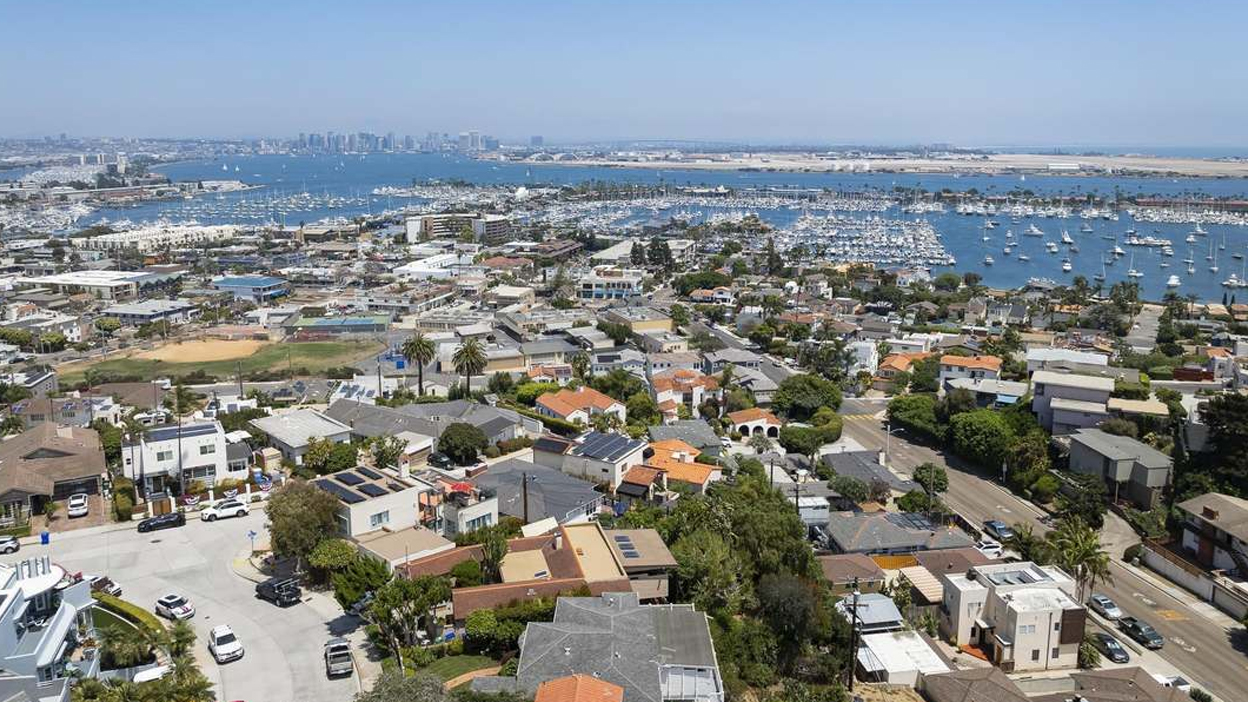
When people first arrive after moving to San Diego, their senses immediately encounter a blend of mild warmth and cool ocean breezes. The year-round temperature remains comfortably mild — neither sweltering nor too cold — often hovering in ranges that feel temperate and inviting. Alongside this warmth, a persistent sea breeze flows from the Pacific, carrying the salty tang of the ocean air and lowering humidity levels, which many new arrivals notice right away.
One of the most noticeable weather phenomena encountered early on is the marine layer. Locally known as “May gray” or “June gloom,” this coastal fog covers the shoreline with a cool, damp veil during late spring and early summer mornings. Inland areas, however, experience a rapid clearing of this fog, creating sharp contrasts in temperature and sunshine over just a few miles. This creates distinct microclimates where the coast remains cooler and cloudier while inland neighborhoods can warm considerably.
These sharp transitions in climate within short distances often surprise newcomers who may be accustomed to more uniform weather patterns. San Diego also experiences occasional hot, dry fall winds that drop humidity to unexpectedly low levels, creating dry heat that can feel quite different from the usual mildness. These variations contribute to an initial sense of adjustment — a feeling that the environment is more dynamic and nuanced than it first appears.
During these first weeks, the combination of mild yet fluctuating temperatures, persistent sea breezes, and coastal fog become tangible parts of the daily experience. This sensory input often shapes the initial what to expect in San Diego impressions, positioning newcomers to understand the city’s rich variety of weather patterns early in their relocation journey.
Adjusting to Daily Routines
Adapting daily routines to fit San Diego’s unique coastal desert climate and geography is a critical next step after moving to San Diego. Commuting patterns are influenced by the marine layer, especially on coastal highways where morning fog can delay departures or visibility. Public transit use also reflects the physical geography, navigating mesas and canyons that define many neighborhoods, influencing travel times and connections.
Errands and daily activities are often planned considering temperature differences between coastal and inland sections of the city. The cooling sea breeze often reaches surprisingly far inland in the afternoons, which affects when residents decide to spend time outdoors or run errands. Over time, these environmental patterns become more predictable, making routines smoother as residents learn to anticipate fog clearing or the arrival of afternoon breezes.
Some newcomers acclimate quickly by living in areas closer to the coast, adapting to the marine layer and moderate temperatures sooner. Others, situated further inland, experience larger temperature swings and arid conditions, requiring a different adjustment trajectory. These inland spaces tend to heat up quickly once marine fog lifts, posing different lifestyle considerations.
The process of settling is deeply experiential. It involves becoming attuned to a balance between frequent sunny days, partly cloudy intervals, and infrequent storms. Over time, new residents craft individualized strategies that suit their microclimate context—whether that means modifying outdoor activity times or selecting routes and neighborhoods that complement their comfort zones.
Ultimately, the timeline to feel settled is as varied as the city’s topography and weather. This variability underscores the importance of patience and flexibility as part of successful living in San Diego.
What Helps the Transition Feel Easier
Certain practical approaches ease the transition into San Diego’s lifestyle and climate. Establishing flexible daily routines that adjust according to the marine layer’s typical clearing patterns — usually lifting several miles inland during the late morning or early afternoon — helps diminish surprises.
Cultivating patience toward microclimate variability is vital. Accepting that fog may linger unexpectedly or that low humidity can spike during autumn heat waves reduces frustration tied to these natural fluctuations. Setting realistic expectations about living in a borderline arid environment, where temperatures and moisture levels regularly shift, aligns residents more closely with the city’s rhythms.
Additional helpful strategies include tuning into seasonal patterns such as dry winters and the timing of rare storms, which can influence outdoor and indoor lifestyle decisions. Embracing the city’s climatic quirks as a defining feature, rather than an obstacle, fosters smoother integration and a more satisfying living in San Diego experience.
These methods directly address the common challenges faced when moving to San Diego, helping newcomers find balance and confidence in their day-to-day environment.
Conclusion
Feelings of initial unease after moving to San Diego are normal and mainly stem from adjusting to the area’s distinctive coastal desert climate rather than any error in decision-making. This period of adaptation is highly personal and influenced by proximity to marine effects and topographic microclimates.
Embracing this phase as part of adapting to the environment enriches the overall experience of living in San Diego. Understanding what to expect in San Diego includes recognizing that adjustment unfolds uniquely for each resident, guided by the city’s mild temperatures, ocean breezes, and varied local weather patterns.
With time, the initial unknowns resolve into familiarity, underscoring that moving to San Diego is a doorway to a nuanced and rewarding lifestyle woven closely with its distinctive climate.