Alaska is a unique state known for its vast wilderness, dramatic landscapes, and rugged outdoor lifestyle. Often called The Last Frontier
, it boasts towering mountains, dense forests, sweeping tundra, and endless coastlines. For many, the appeal of moving to Alaska is fueled by the promise of adventure, fresh air, and a close-knit community vibe.
If you’re exploring the 10 best cities to live in Alaska, this guide will help you understand the top places to live based on quality of life, climate, economic opportunities, and access to outdoor amenities. Whether you’re seeking bustling urban hubs or charming small towns, Alaska cities for an outdoor lifestyle abound with options. For a wider perspective on desirable places, exploring the 10 Best Cities to Live in the US can offer additional insights about city living in varied environments.
Reasons Why You Need to Consider Living in Alaska
Vast Natural Beauty and Outdoor Recreation
Alaska’s landscapes are unparalleled, covering huge swaths of mountains, forests, tundra, and coastline. Residents enjoy year-round outdoor activities such as hiking alpine trails around Anchorage, fishing in Kenai’s famous rivers, skiing near Fairbanks, or kayaking around Kodiak Island. The Northern Lights dance across the night sky in winter, especially in interior cities like Fairbanks. According to the U.S. Census Bureau, Alaska’s population dynamics and demographic shifts provide important context for understanding community growth and migration trends. If you’re curious about how outdoor activities shape urban life elsewhere, the 10 Most Scenic Cities to Live in the US highlight places known for exceptional natural beauty and recreation.
The state’s environment supports vigorous outdoor lifestyles uncommon elsewhere in the U.S. If being outdoors – whether fishing, hunting, skiing, or wildlife watching – is important to you, Alaska offers endless options.
Unique Lifestyle Advantages
Life in Alaska means living with a spirit of adventure and a frontier mentality. Low population density gives communities a small-town feel, even in cities. Neighborliness and self-reliance are hallmarks, and residents often share a strong connection to nature and their neighbors. In smaller Alaska towns, it’s easier to build meaningful relationships and be part of a close community.
Job Opportunities Across Key Industries
Economic life in Alaska hinges on several major sectors. Oil and gas extraction power parts of the economy, particularly in urban areas. Commercial fishing is vital along coastal cities like Kodiak and Ketchikan. Tourism creates seasonal jobs across many towns. Anchorage and Fairbanks also provide government, healthcare, education, and military-related employment opportunities. Understanding regional job markets can be enhanced by looking at the 10 Best Cities for Job Opportunities in Wisconsin, which showcase how diverse economies support thriving communities.
This diversity of jobs supports a range of career options – whether you seek corporate, government, or adventure-driven work.
Climate Variety to Match Your Preference
Alaska’s climate zones vary widely. Interior cities like Fairbanks experience subarctic weather with bitterly cold winters and bright, long summer days. Coastal cities such as Juneau and Kodiak offer milder but rainier maritime climates. This diversity lets you choose a location that fits your tolerance for cold, precipitation, and daylight hours.
Quality of Life Components
When looking for the best cities to live in Alaska, safety and public services rank highly. Most Alaska cities demonstrate crime rates below the national average. Schools range from small-town community options to universities like the University of Alaska Anchorage and University of Alaska Fairbanks. Access to healthcare is stronger in larger cities, with specialized treatment available, while smaller towns feature clinics.
Cultural attractions, festivals, indigenous heritage celebrations, and outdoor events enrich local life, creating vibrant communities despite remote settings.
Criteria for Choosing the Best Cities and Towns in Alaska
When evaluating top places to live in Alaska, consider the following factors:
- Population Size and Community Vibe: Population sizes range vastly. Anchorage is Alaska’s largest city with about 288,000 residents, offering urban amenities and economic diversity. Fairbanks and Juneau are mid-sized cities (~30,000+ residents), blending city and frontier lifestyles. Smaller towns like Kodiak (6,000) and North Pole (2,000) provide tight-knit, small-town atmospheres perfect for those seeking quieter lives.
- Housing Affordability: Housing prices vary. Anchorage’s median home cost is around $480,000 with rent averaging $1,500 per month. Meanwhile, smaller towns often have more affordable options, with median home prices between $250,000 and $350,000 and lower rents. Zillow’s market research offers valuable data on housing trends and affordability in Alaska’s cities, helping prospective residents plan financially. This affects cost of living and accessibility for newcomers. To gauge affordability in different parts of the country, reviewing the Cost of Living in Alaska offers detailed insights into housing and everyday expenses.
- Median Household Income: Economic opportunities influence income levels. Anchorage households average about $85,000 annually, reflecting diverse job markets. Fairbanks follows at roughly $72,000, while smaller towns typically register mid $50,000 to mid $60,000 figures.
- Local Weather and Climate: Alaska’s weather drastically changes per location. Interior cities face extremely cold winters and long summer daylight, while coastal cities have more moderate temperatures and persistent rain. Choose a climate that fits your lifestyle and tolerance for cold or dampness.
- Economy and Job Market Strength: The strongest economic hubs combine multiple industries. Anchorage features healthcare, government, transportation, tourism, and construction jobs. Fairbanks and Juneau rely on military, government, education, and tourism. Coastal towns depend on fishing and tourism, with some military presence.
- Educational Opportunities: Anchorage and Fairbanks host Alaska’s major universities and strong K-12 public and private schools. Smaller towns offer good local schools but limited higher education options.
- Outdoor Lifestyle Access: Proximity to mountains, rivers, national parks, and coastal areas is key for outdoor lovers. Cities like Anchorage, Fairbanks, Kodiak, and Kenai excel here, providing direct access to hiking, skiing, fishing, and wildlife viewing.
- Healthcare and Essential Services: Larger cities maintain full hospital systems and specialized care. Smaller towns rely on clinics and may require travel for some medical services.
- Cultural and Recreational Amenities: Urban centers offer museums, theaters, art galleries, breweries, and festivals. Smaller towns showcase indigenous heritage events, fishing culture, and community fairs.
10 Best Cities to Live in Alaska (2026 Guide)
1. Anchorage
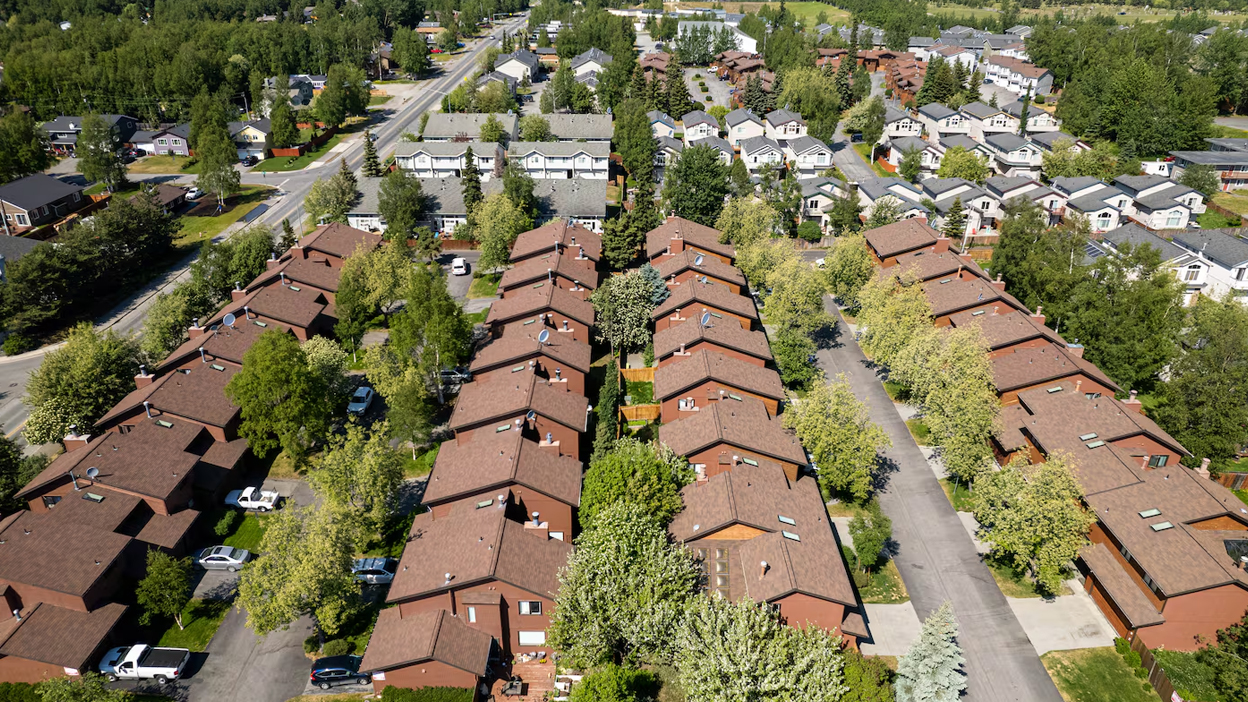
7. Ketchikan
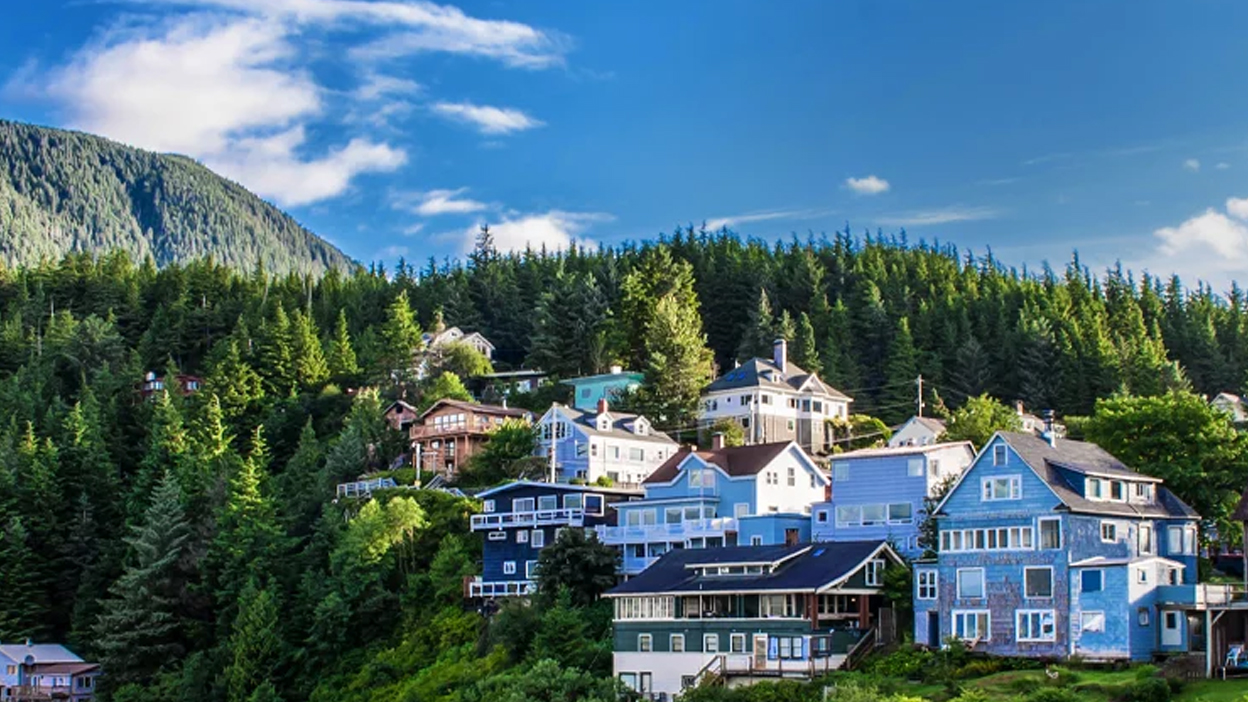
- Population: ~8,000
- Median Home Price: ~$350,000
- Median Rent: ~$1,200
- Median Household Income: ~$60,000
- Local Weather and Climate: Mild, rainy maritime climate year-round.
- Economy and Jobs: Tourism and fishing dominate.
- Educational Opportunities: Local schools.
- Ideal For: Retirees, culture seekers, and outdoor lovers.
- Known For: Rich Native heritage, totem poles, and vibrant arts scene.
Ketchikan’s cultural richness and scenic beauty attract those valuing tradition and the outdoors.
8. North Pole
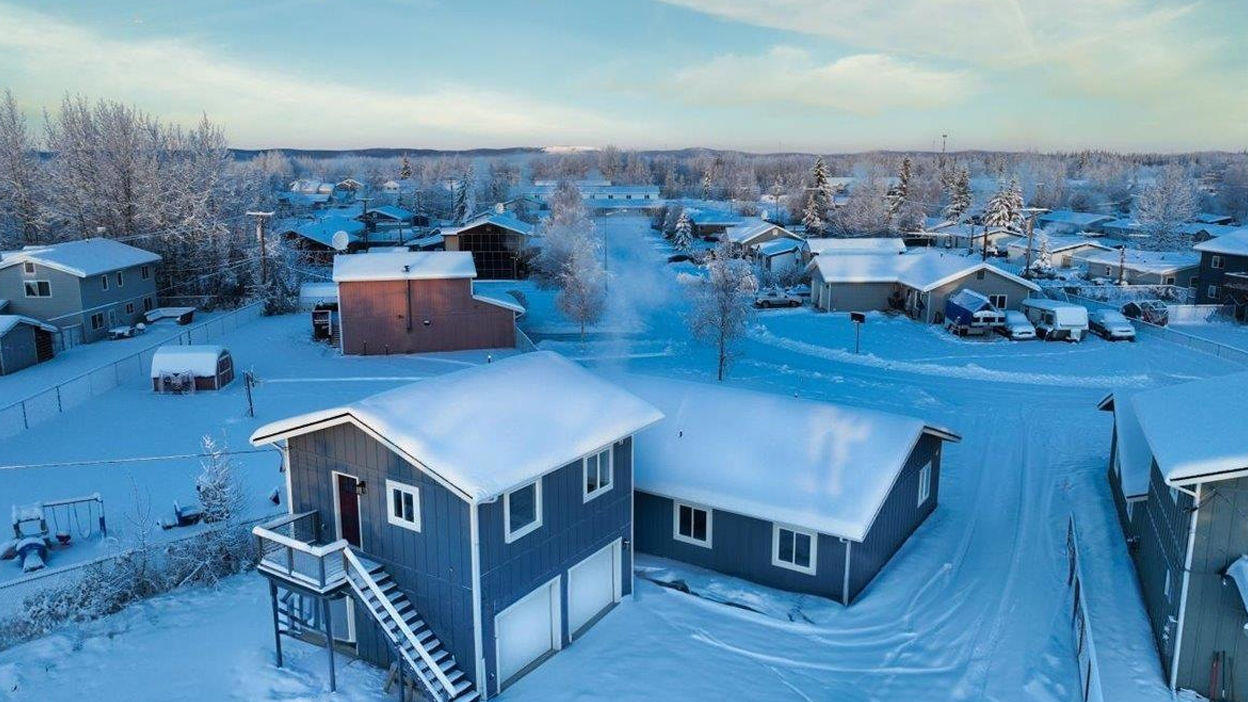
- Population: ~2,000
- Median Home Price: ~$280,000
- Median Rent: ~$900
- Median Household Income: ~$60,000
- Local Weather and Climate: Interior subarctic with cold winters.
- Economy and Jobs: Military-related jobs and small businesses.
- Educational Opportunities: Small schools serve local children.
- Ideal For: Families and those seeking a close-knit, unique small-town life.
- Known For: Christmas-themed decorations and festive businesses.
North Pole offers charm and community spirit, perfect for those seeking warmth in a small-town setting.
9. Palmer
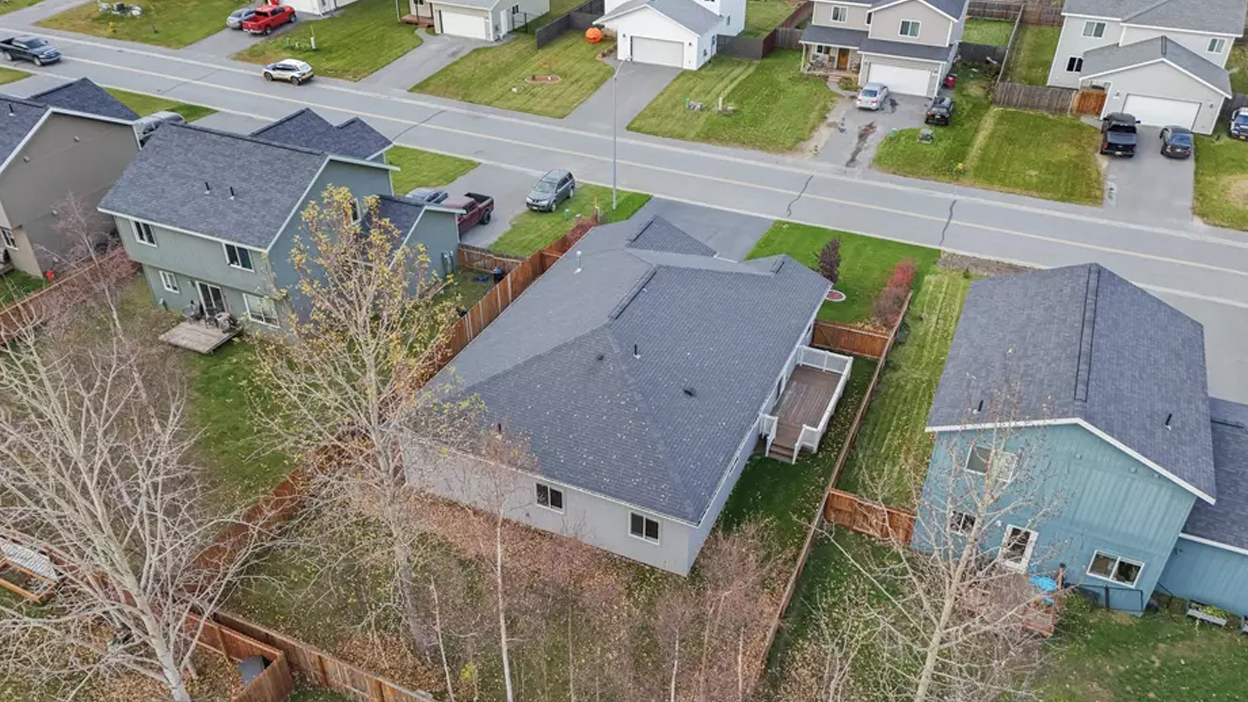
- Population: ~7,000
- Median Home Price: ~$300,000
- Median Rent: ~$1,000
- Median Household Income: ~$64,000
- Local Weather and Climate: Interior climate with cold winters and long summer daylight.
- Economy and Jobs: Agriculture, retail, and construction are important employers.
- Educational Opportunities: Good schools in the area.
- Ideal For: Families, farmers, and residents who want a rural lifestyle near Anchorage.
- Known For: Agricultural fairs and panoramic mountain views.
Palmer combines rural charm with accessibility, supporting those who value farming and nature.
10. Sitka
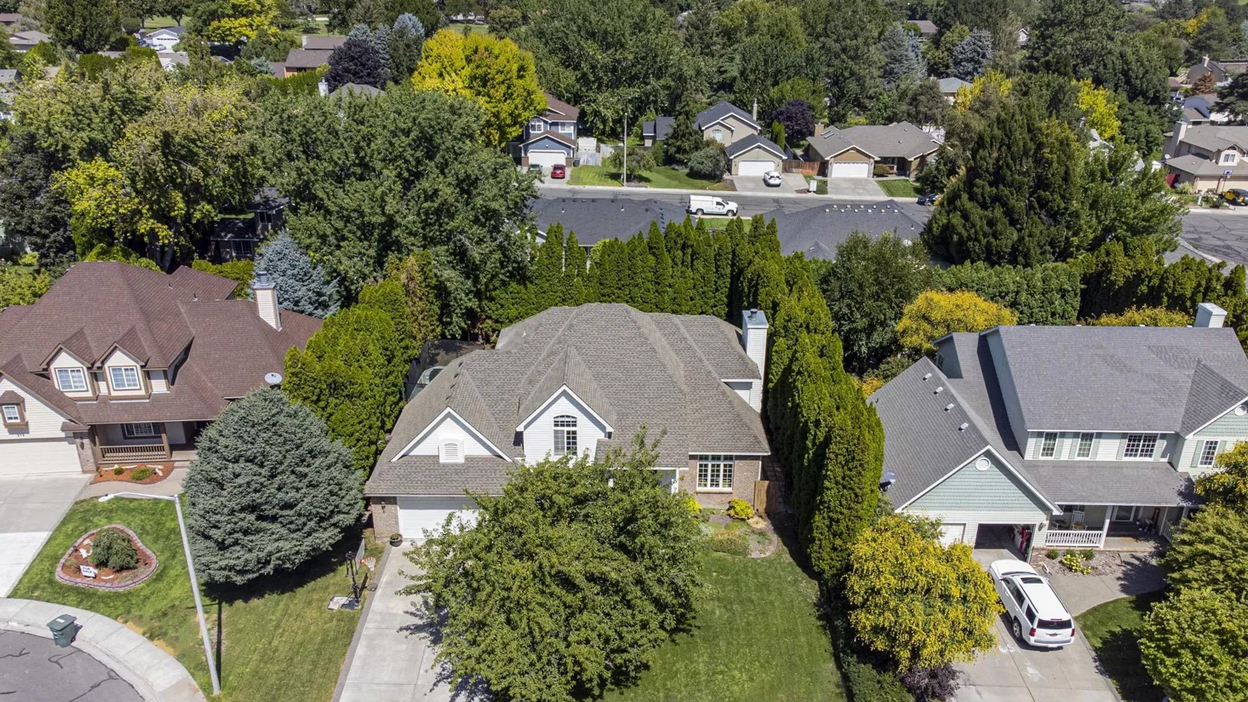
- Population: ~8,600
- Median Home Price: ~$320,000
- Median Rent: ~$1,000
- Median Household Income: ~$58,000
- Local Weather and Climate: Mild, wet coastal maritime climate.
- Economy and Jobs: Fishing and tourism fronts.
- Educational Opportunities: Local schools available.
- Ideal For: Retirees, artists, history buffs, and outdoor adventurers.
- Known For: Russian heritage, historic sites, and breathtaking island scenery.
Sitka’s unique cultural blend and island setting make it a favorite for those wanting history and ocean views.
Frequently Asked Questions (FAQs)
What are the best cities to live in Alaska for job opportunities?
Anchorage and Fairbanks offer the strongest job markets with diverse employment across oil, government, healthcare, military, and education sectors. Juneau also presents government job opportunities.
Which towns in Alaska offer the best quality of life?
Neighborhoods in Anchorage such as South Addition and Turnagain rate highly for amenities and safety. Kodiak and Sitka provide good quality of life with community spirit and outdoor access.
How does the weather vary across Alaska’s cities?
Interior cities like Fairbanks face severely cold winters and long summer days. Coastal towns such as Juneau and Ketchikan enjoy mild temperatures but frequent rainfall.
What is the cost of living like in Alaska’s top cities?
Housing is costly in Anchorage ($480,000 median home price) but wages are higher ($85,000 average household income). Smaller towns like Kenai and Kodiak generally offer more affordable homes and lower rents.
Are there cities in Alaska particularly suited for an outdoor lifestyle?
Fairbanks, Kodiak, Kenai, and Palmer stand out for easy access to hiking, fishing, skiing, and abundant wildlife opportunities.
What should I consider before moving to Alaska?
Think carefully about your climate preference, job prospects, healthcare access, educational needs, and community vibe to choose the best city or town for a long-lasting home.
Conclusion
Selecting where to live in Alaska requires balancing individual priorities around jobs, climate, lifestyle, and affordability. The 10 best cities to live in Alaska presented here offer something for everyone—from career professionals and families to retirees and outdoor enthusiasts. For a balanced view, the Pros and Cons of Living in Alaska provide thoughtful analysis to help you weigh key factors before making a move.
Alaska’s unique outdoor lifestyle, welcoming communities, and quality of life options make it an exceptional place to call home. As you consider moving to Alaska best cities, delve deeper into the specific qualities of each town or city to find your perfect fit. Embrace the frontier spirit and discover life in the top places to live in Alaska!