
Looking for the 10 best cities to live in Hawaii? Whether you want vibrant urban energy, serene beachside communities, or lush suburban settings, Hawaii’s diverse islands offer plenty of appealing options. In this guide, we explore the best places to live in HI, focusing on lifestyle, affordability, and opportunities, so you can decide where to live in Hawaii with confidence.
Hawaii is unlike anywhere else. Its warm tropical climate varies across islands, with some areas offering lush greenery thanks to high rainfall, while others enjoy sunnier, drier weather. The rich Native Hawaiian culture blends seamlessly with influences from Asia, the mainland United States, and the broader Pacific. Economically, Hawaii thrives on tourism, military installations, agriculture, education, and emerging tech sectors. Understanding this unique island ecosystem is key when choosing the best islands to live in Hawaii. Exploring the climate variations can be helpful, as geographic and weather differences shape the lifestyle in many cities across the islands.
Choosing the right city or island depends on more than just beautiful views. Your decision should balance lifestyle preferences—like urban bustle versus quiet nature—and practical factors such as cost of living, job markets, and accessibility. This guide will help navigate those choices by breaking down the best cities to live in Hawaii according to the latest data and insights. Similarly, understanding the pros and cons of various cities can further clarify what to expect during your relocation process.
Why You Need to Know the Best Places to Live in Hawaii Before Moving
Relocating to Hawaii is exciting but complex. According to the U.S. Census Bureau, population trends and migration patterns can greatly influence housing availability and local economies in Hawaii. Doing thorough research on the best cities to live in Hawaii pays off because:
- Cost of Living Varies Widely: Hawaii is known for a high cost of living, but expenses differ by city and island. Housing prices on Oahu’s west coast might be affordable, while those in Honolulu run steep. Zillow provides detailed data on housing prices and rental rates across Hawaiian cities, offering valuable insights for budgeting your move. For a broader perspective on housing costs and affordability, reviewing residential expenses in other states can provide useful context.
- Job Opportunities Are Unequal: Urban centers like Honolulu offer a wider range of jobs, especially in tourism, military, and service industries. Smaller towns might have fewer jobs but offer niche opportunities, especially in agriculture or local services.
- Lifestyle and Culture Differ by Island: Hawaii’s multi-island setup means each offers distinctive experiences. For example, the Big Island’s laid-back vibe contrasts with Oahu’s urban culture. Understanding local customs, community events, and climate quirks is essential.
- Climate Variations Affect Daily Life: Windward regions typically have more rainfall and lush landscapes, favoring outdoor lifestyle activities like hiking. Leeward sides have sunnier days, ideal for beach-focused living.
- Accessibility Impacts Convenience: Inter-island travel and local transportation affect your mobility. Some cities have better public transportation and airport access, important for frequent travelers or commuters.
These factors highlight why knowing where to live in Hawaii and the best islands to live in Hawaii can save you stress and help you thrive.
Criteria for Choosing the Best Cities to Live in Hawaii
To evaluate the best cities to live in Hawaii, consider these key criteria that impact livability and fit for your needs:
- Housing Affordability: Housing costs are a crucial factor. Median home prices vary drastically: Waianae, a more affordable coastal city, averages around $380,000, while Honolulu’s median home price can exceed $800,000. Rent prices follow a similar pattern. Understanding housing affordability helps allocate your budget wisely.
- Median Household Income & Job Market: Median household income reflects economic vitality. Honolulu shows incomes near $85,000 annually, thanks to established tourism, military, and services sectors. Some smaller towns have lower income levels reflecting limited job diversity. Look for cities with employment opportunities matching your career goals.
- Education Quality: If you have children or plan to continue education, school options matter. Urban centers like Honolulu have renowned institutions such as the University of Hawaii system, while suburbs like Mililani Mauka offer excellent public schools. Smaller towns may have fewer schools but often provide close-knit community environments.
- Climate Distinctions: Weather differs markedly between windward (rainy and lush) and leeward (dry and sunny) parts of islands. Consider if you prefer more rainfall and greenery, or consistent sunny, dry days for outdoor lifestyle.
- Economic Stability and Diversity: Cities with diverse economies tend to be more resilient. Honolulu leads in this regard, with mixed sectors. Towns reliant solely on tourism or agriculture may face economic fluctuations. Evaluate local job markets carefully.
- Community Vibe & Safety: Low crime rates, family friendliness, and active community life enhance quality of life. Places like Kailua and Maunawili are known for safety and communal spirit, ideal for families.
- Accessibility & Transportation: Good local transit and inter-island connections reduce commuting hassles and improve overall convenience. Honolulu is the transportation hub, while smaller areas may require reliance on private vehicles.
By applying these criteria, you can better understand the Hawaii livability ranking and choose your ideal city.
8. Kahului
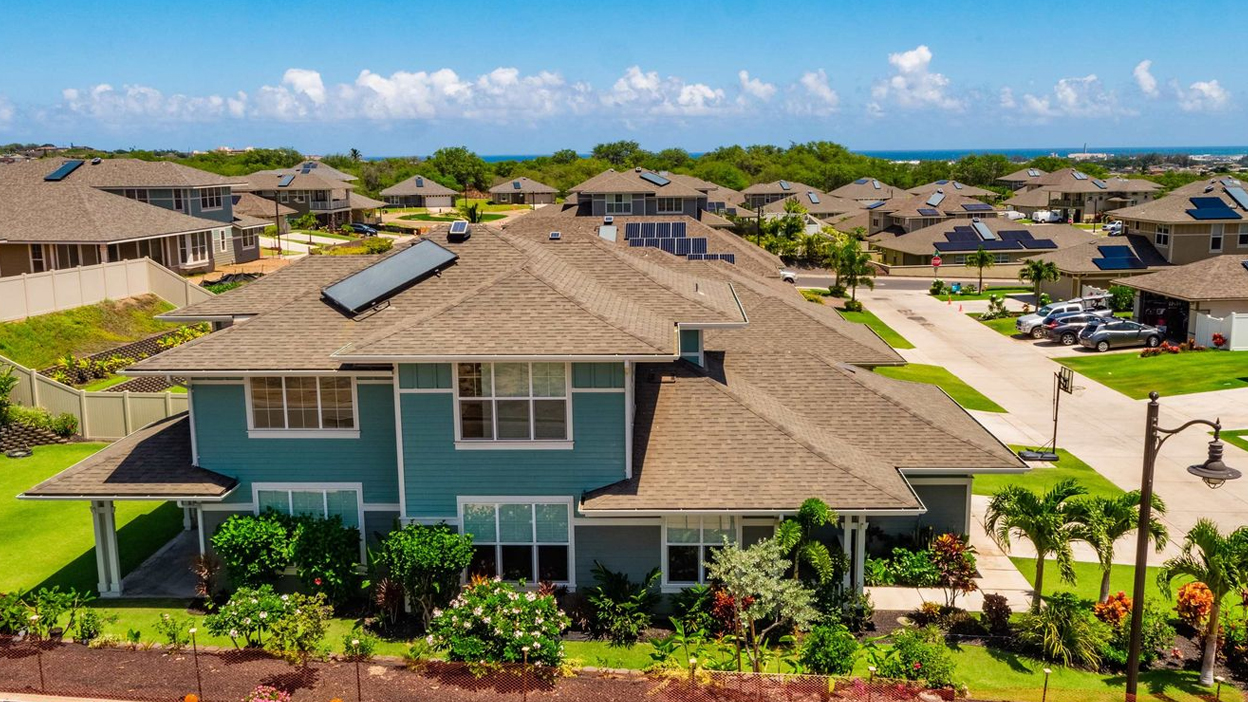
Maui’s business and transportation hub with a commercial center vibe.
- Population: ~27,000
- Median Home Price: ~$1,000,000
- Median Rent: ~$2,800
- Median Household Income: ~$92,000
- Climate: Warm and dry leeward side climate.
- Economy and Jobs: Port facilities, shopping centers, local manufacturing.
- Educational Opportunities: Good schools and Maui College nearby.
- Ideal For: Working professionals and families seeking amenities.
- Known For: Shopping, airport, central Maui location.
Kahului balances convenience with moderate living costs on Maui.
9. Kapaa
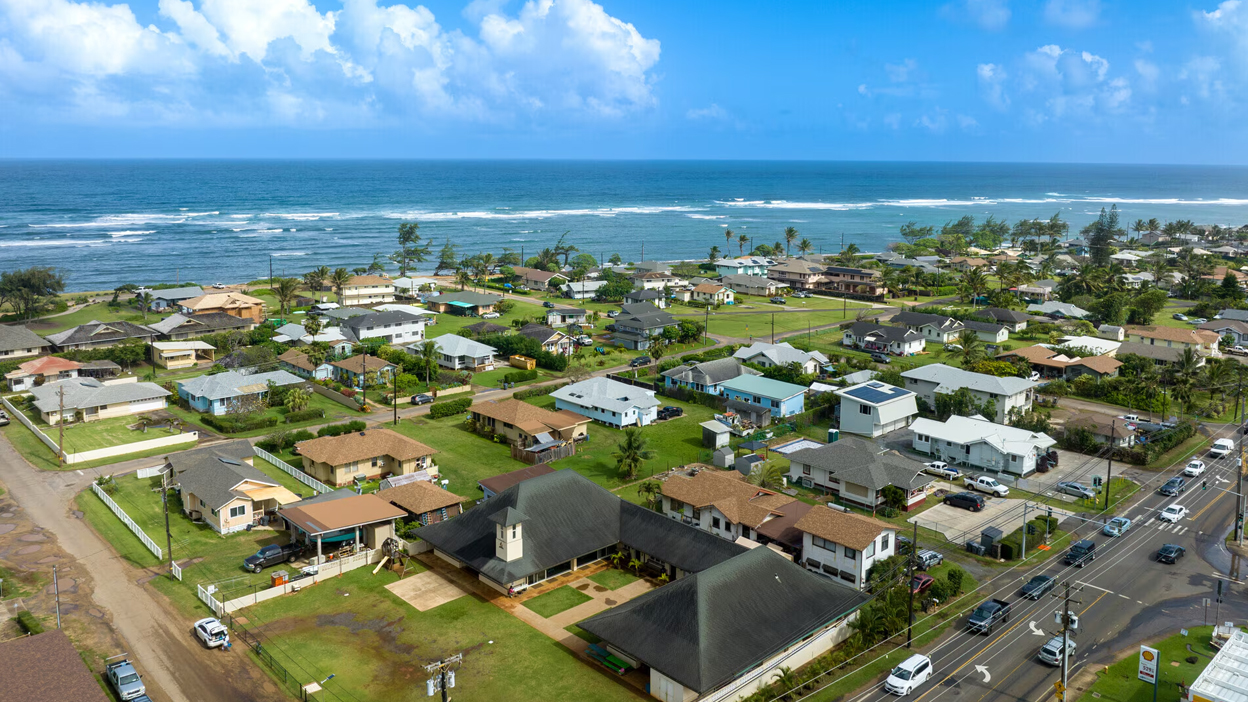
A charming town on Kauai with a strong local culture.
- Population: ~10,900
- Median Home Price: ~$950,000
- Median Rent: ~$2,600
- Median Household Income: ~$90,000
- Climate: Tropical with regular rainfall, rich greenery.
- Economy and Jobs: Tourism, small businesses, agriculture.
- Educational Opportunities: Local public schools serve community.
- Ideal For: Families and retirees seeking laid-back island living.
- Known For: Beaches, art galleries, farmers markets.
Kapaa offers a relaxed lifestyle with cultural richness and affordable housing.
10. Kaneohe
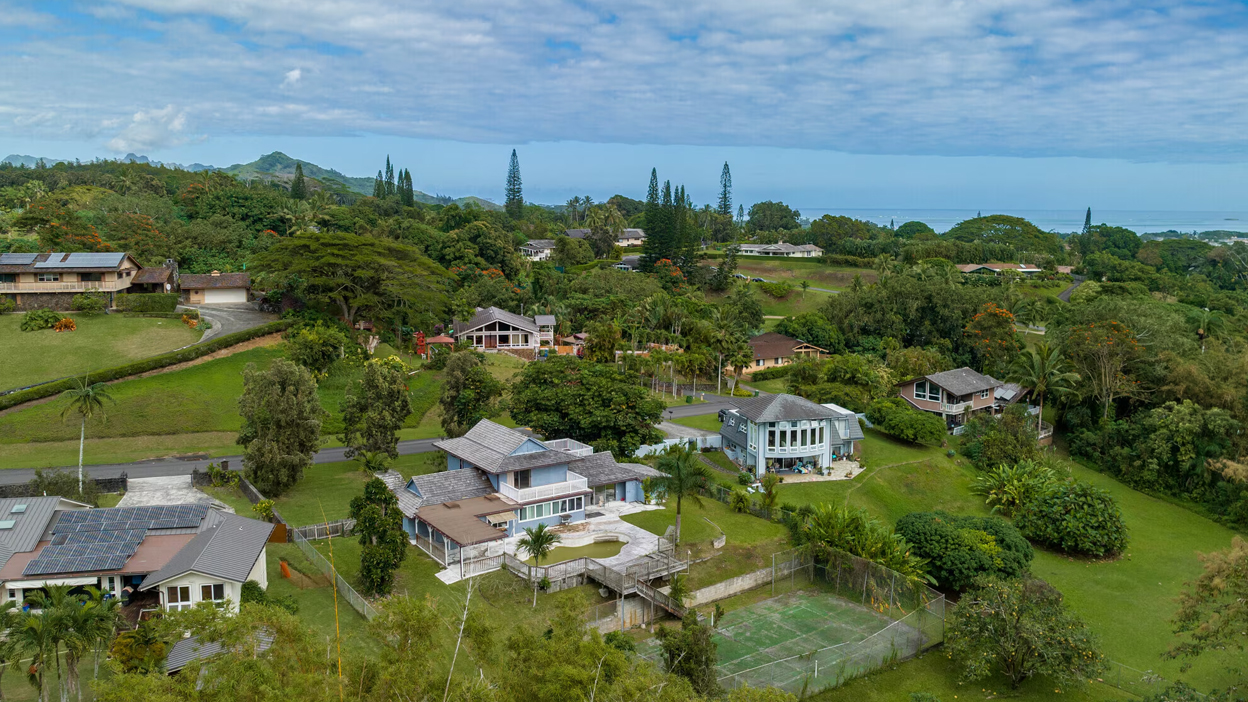
Suburban city with strong military presence and lush landscapes.
- Population: ~37,000
- Median Home Price: ~$1,000,000
- Median Rent: ~$2,300
- Median Household Income: ~$125,000
- Climate: Windward side, abundant rainfall, scenic surroundings.
- Economy and Jobs: Military, government, education sectors.
- Educational Opportunities: Good schools and proximity to Honolulu.
- Ideal For: Military families, nature lovers, commuters.
- Known For: Kaneohe Bay, hiking trails, peaceful vibe.
Kaneohe is perfect for those seeking family-friendly safety near military and nature.
Frequently Asked Questions (FAQs)
What is the most affordable city to live in Hawaii?
Waianae and Hilo top the list for affordability with median home prices well below Honolulu, offering options for budget-conscious residents without sacrificing natural surroundings.
Which island is best for families in Hawaii?
Oahu is ideal for families, especially cities like Mililani Mauka and Kailua, due to their excellent schools, safety, and family-centered amenities.
How does the cost of living in Hawaii compare to the mainland?
Hawaii’s overall cost of living is higher than on the mainland, primarily due to housing, goods transportation, and utilities, though smaller cities offer relatively affordable choices.
What are the most important factors to consider when moving to Hawaii cities?
Key factors include housing affordability, job market strength, quality of education, climate preferences, community safety, and access to transportation.
Are there job opportunities readily available in these top Hawaii cities?
Yes, particularly in Honolulu with its diversified economy including tourism, military, and services. Smaller towns have fewer but often community-focused jobs.
How does weather differ among the best cities to live in Hawaii?
Leeward cities (like Waianae and Kahului) are warmer and drier, while windward cities (like Kailua and Kaneohe) receive more rainfall, influencing outdoor activities and lifestyle.
Conclusion
The 10 best cities to live in Hawaii offer something for everyone—from Honolulu’s vibrant job market and urban culture to Waianae’s affordable coastal charm, and Hilo’s affordable access to nature. Each city reflects distinctive island climates, community vibes, economic conditions, and educational opportunities, forming a nuanced Hawaii livability ranking. Comparing these Hawaiian locales to the most affordable suburbs and family-friendly communities in other states can provide additional insights for potential new residents.
Choosing the right city or island comes down to aligning your budget, career needs, family priorities, and lifestyle preferences with the specific qualities of each location. Whether you want urban excitement or quiet island life, Hawaii’s diverse options cater to a wide spectrum of residents.
Despite higher costs and logistical challenges, Hawaii’s unique cultural richness and breathtaking natural beauty make it an unparalleled place to call home. With this comprehensive guide, you’re well-equipped to decide where to live in Hawaii and begin your new island adventure.
Ready to make the move?