Maine offers a unique blend of natural beauty, community spirit, and quality urban living across its various incorporated cities. This article explores the 10 best cities to live in Maine by examining essential factors like quality of life, economy, education, and environment. For those considering moving to Maine or curious about living in Maine cities, understanding what defines a “city” in the state and how these urban centers differ is critical for making an informed choice.
In Maine, a city is an incorporated municipality governed by a city charter. This legally distinct status sets cities apart from towns, suburbs, or unincorporated areas. The state currently has 23 incorporated cities, including well-known centers like Portland, Bangor, and Lewiston. This guide provides an in-depth overview of Maine’s best cities, focusing on their unique features, community attributes, and lifestyle suitability.
Why Choosing the Right City Matters
Choosing the right city in Maine can dramatically influence your everyday experience and long-term satisfaction. The best cities to live in Maine differ in community atmosphere, job market stability, educational quality, and environmental surroundings.
Some cities, like Orono, are celebrated for their academic atmosphere and outstanding safety, making them ideal for families and learned residents. Others, such as Portland, offer vibrant cultural scenes and thriving urban economies that appeal to young professionals and retirees alike. Meanwhile, cities like Bangor provide affordability paired with regional accessibility, suiting budget-conscious residents.
Maine city rankings reflect this diversity, showing how these urban areas cater to distinct lifestyle preferences. Whether you value coastal charm, affordable housing, or access to strong schools, Maine’s cities present a range of options that can match your needs.
Criteria Used to Select the Best Cities
Our selection includes only legally incorporated cities in Maine, strictly excluding any towns, suburbs, or unincorporated communities, ensuring accuracy and relevance.
The cities featured here were evaluated on key aspects tied to urban living:
- Quality of Life: Safety, community engagement, and neighborhood vibrancy are paramount. For example, Orono consistently receives high marks for its secure and engaged atmosphere, making it a standout choice.
- Economic Opportunities: Employment sectors such as healthcare, education, government, tourism, and technology provide a strong job market foundation in cities like Portland and Augusta.
- Housing Market: Affordability and the availability of homes and rentals vary widely. While Portland’s housing typically commands higher prices, cities like Bangor and Lewiston offer much more affordable options.
- Education: A solid education system, from K-12 through higher education, influences livability, with cities like South Portland and Waterville providing strong schools and university access.
- Climate and Environment: Coastal cities benefit from moderate weather, while inland cities experience more distinct seasonal changes. This affects lifestyle, outdoor activities, and overall comfort.
- Amenities and Services: Proximity to parks, retail, cultural venues, and healthcare facilities shapes day-to-day convenience and quality of life.
Each city’s profile below connects these patterns directly to real experiences of living in Maine’s incorporated cities.
10 Best Cities to Live in Maine (2026 Guide)
1. Portland
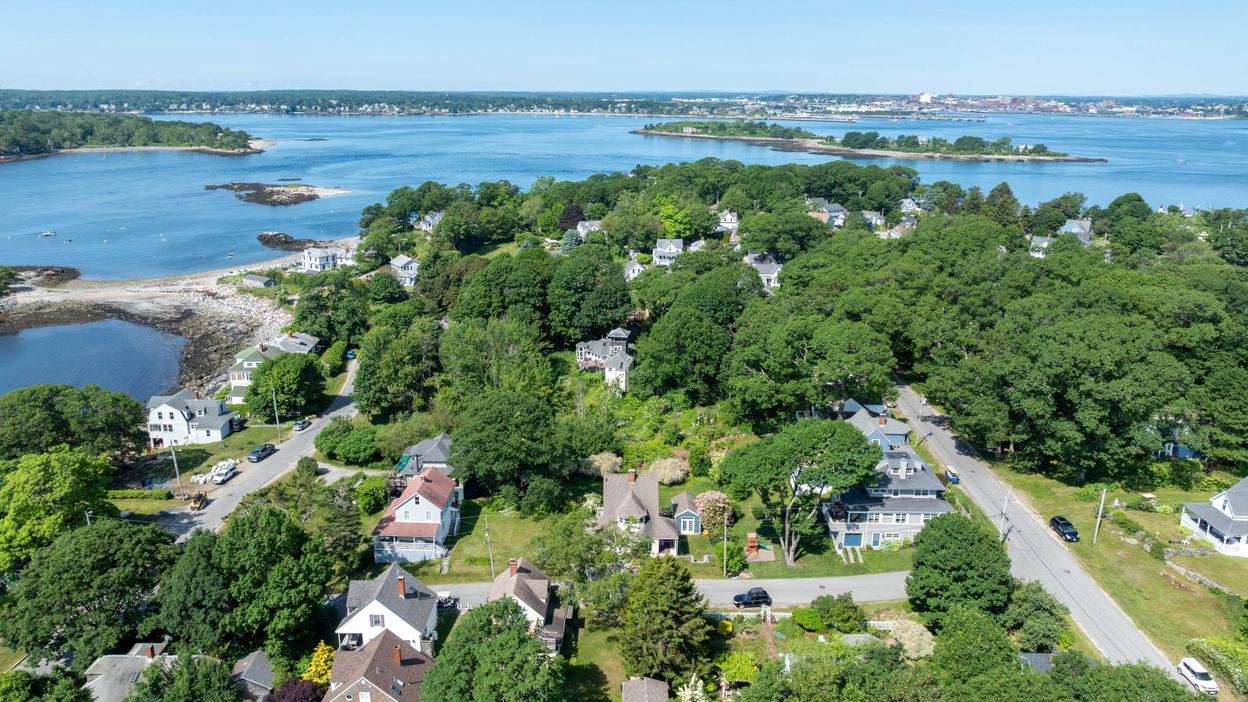
Portland is Maine’s largest incorporated city, home to approximately ~68,800 residents. Holding a city charter, Portland functions as the state’s economic and cultural center, characterized by a dense, vibrant urban core combined with breathtaking coastal views.
- Population: ~68,860 residents
- Median Home Price: ~$489,600
- Median Rent: ~$1,600 per month
- Median Household Income: ~$79,500 annually
- Urban Vibrancy and Coastal Lifestyle: Portland’s walkable neighborhoods buzz with galleries, artisan shops, innovative dining, and a strong arts community. Being a coastal city, it offers a moderated climate with less severe winters compared to inland cities, enhancing year-round outdoor activities. The economy thrives on tourism, tech startups, healthcare, and creative industries, giving diverse employment choices. This blend makes Portland attractive to young professionals chasing career growth, families seeking cultural richness, and retirees desiring accessible amenities. Its lively waterfront and distinct districts like the East and West Ends contribute to its dynamic community vibe.
- Local Weather and Climate: Portland experiences four seasons with a moderated coastal climate, delivering relatively milder winters and pleasant summers infused with ocean breezes. This enhances residents’ enjoyment of outdoor pursuits and community events year-round.
- Economy and Jobs: Robust and diversified, Portland’s economy supports sectors such as healthcare, government services, tourism, retail, and emerging technology companies. This broad economic base underpins stable job opportunities.
- Educational Opportunities: The city offers well-regarded public schools and is close to the University of Southern Maine and other educational institutions, providing strong K-12 and higher education access.
- Ideal For: Young professionals, culturally-engaged families, and retirees seeking an urban yet coastal lifestyle.
- Known For: Iconic waterfront views, a thriving arts scene, vibrant dining districts, and dynamic neighborhoods.
Portland perfectly balances urban energy with coastal charm, creating one of the best cities to live in Maine for those wanting culture, convenience, and career opportunities within a safe environment.
2. South Portland
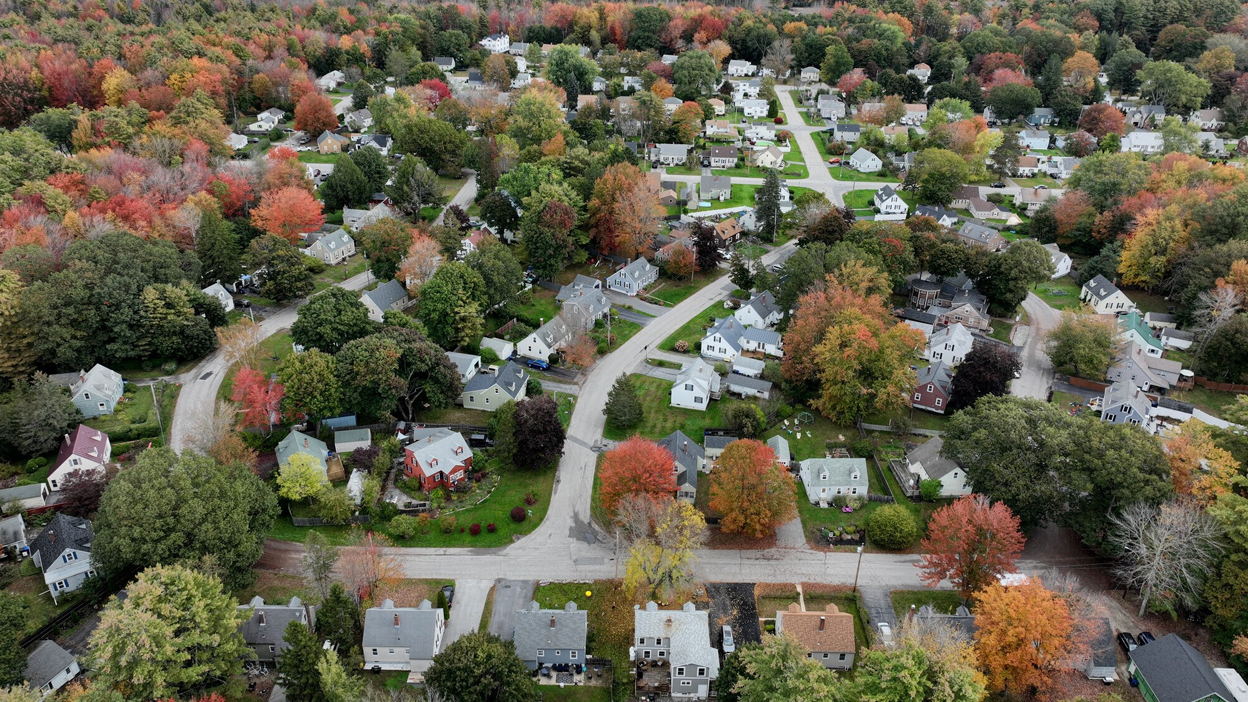
South Portland is an incorporated city with a population of approximately ~25,500. It serves as a family-oriented hub adjacent to Portland but maintains its own city charter and governance structure.
- Population: ~25,520 residents
- Median Home Price: ~$441,000
- Median Rent: ~$1,600 per month
- Median Household Income: ~$90,100 annually
- Safe Family-Centered Community Living: South Portland is prized for its strong emphasis on safety, excellent schools, and an extensive park system. Its neighborhoods offer a quieter, more suburban ambiance while retaining easy access to Portland’s job market and urban amenities. The moderate coastal climate supports seasonal outdoor activities, enhancing its family-friendly appeal. Safe street networks and community events foster a tight-knit environment suitable for raising children.
- Local Weather and Climate: Similar to Portland, South Portland enjoys coastal-moderated four seasons with winters less harsh than inland areas and refreshing summers near the bay.
- Economy and Jobs: Local economy benefits from service industries and manufacturing alongside easy commuter access to Portland’s diverse employment opportunities.
- Educational Opportunities: South Portland boasts highly-rated K-12 schools known statewide for quality education, addressing family needs effectively.
- Ideal For: Families, commuters, and anyone seeking a safe, peaceful environment with urban proximity.
- Known For: Abundant parks, community-focused events, and a balanced mix of suburban calm with city convenience.
South Portland stands out as a secure city with excellent family services, ranking among the best cities to live in Maine for households wanting community safety and educational excellence.
8. Cape Neddick (York)
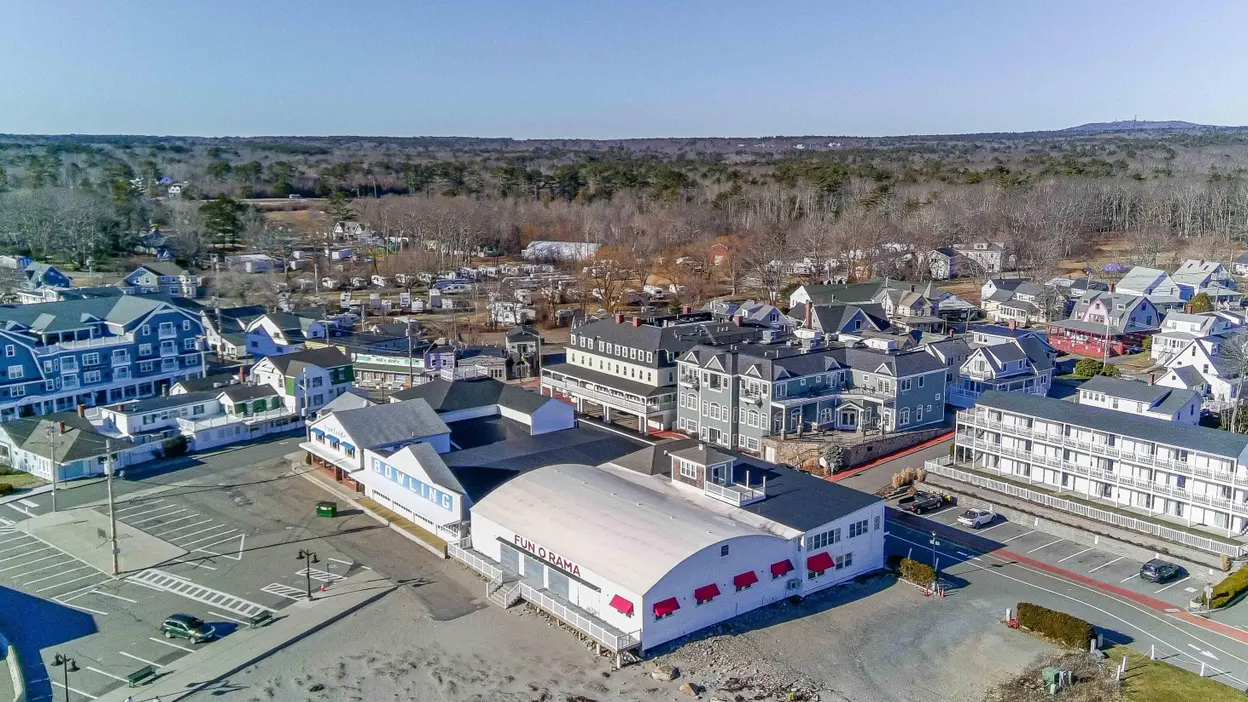
Cape Neddick offers a peaceful coastal lifestyle focused on family recreation and community. As part of the larger York area, it benefits from shared resources.
- Population: ~2,580 residents
- Median Home Price: ~$636,100
- Median Rent: ~$1,700 per month
- Median Household Income: ~$98,100 annually
- Local Weather and Climate: Enjoys a temperate coastal climate ideal for outdoor activities year-round.
- Economy and Jobs: Tourism and local businesses dominate the economic landscape.
- Educational Opportunities: Good public schools supporting family education needs.
- Ideal For: Families seeking quiet coastal living with access to beaches and parks.
- Known For: Scenic beaches and family-oriented outdoor activities.
Cape Neddick is ideal for families valuing nature, calm living, and community engagement.
9. Hampden
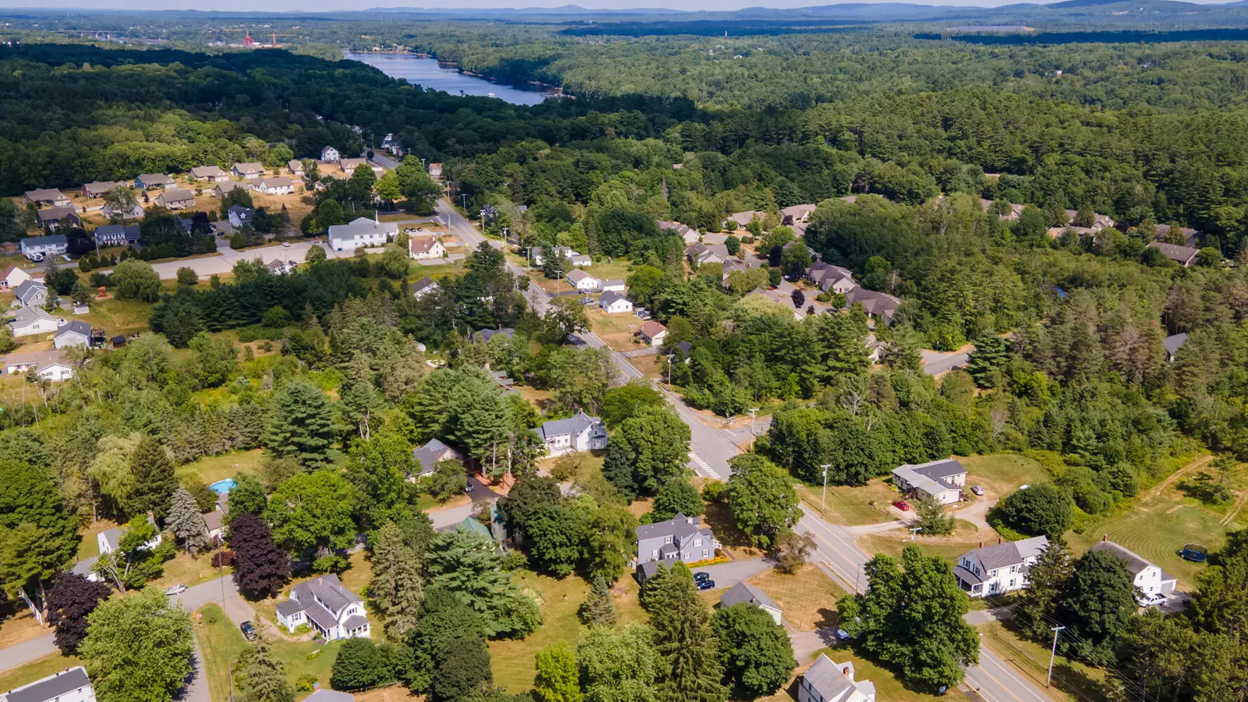
Hampden combines affordability with strong community resources and family-friendly programs.
- Population: ~7,900 residents
- Median Home Price: ~$301,300
- Median Rent: ~$1,300 per month
- Median Household Income: ~$112,000 annually
- Local Weather and Climate: Typical inland Maine climate with cold winters and warm summers.
- Economy and Jobs: Supportive local economy with varied employment opportunities.
- Educational Opportunities: Good public schools and access to private options.
- Ideal For: Families prioritizing affordability and community values.
- Known For: Community spirit and outdoor recreation.
Hampden offers a balanced lifestyle for families needing affordability without sacrificing community and schooling.
10. Cumberland
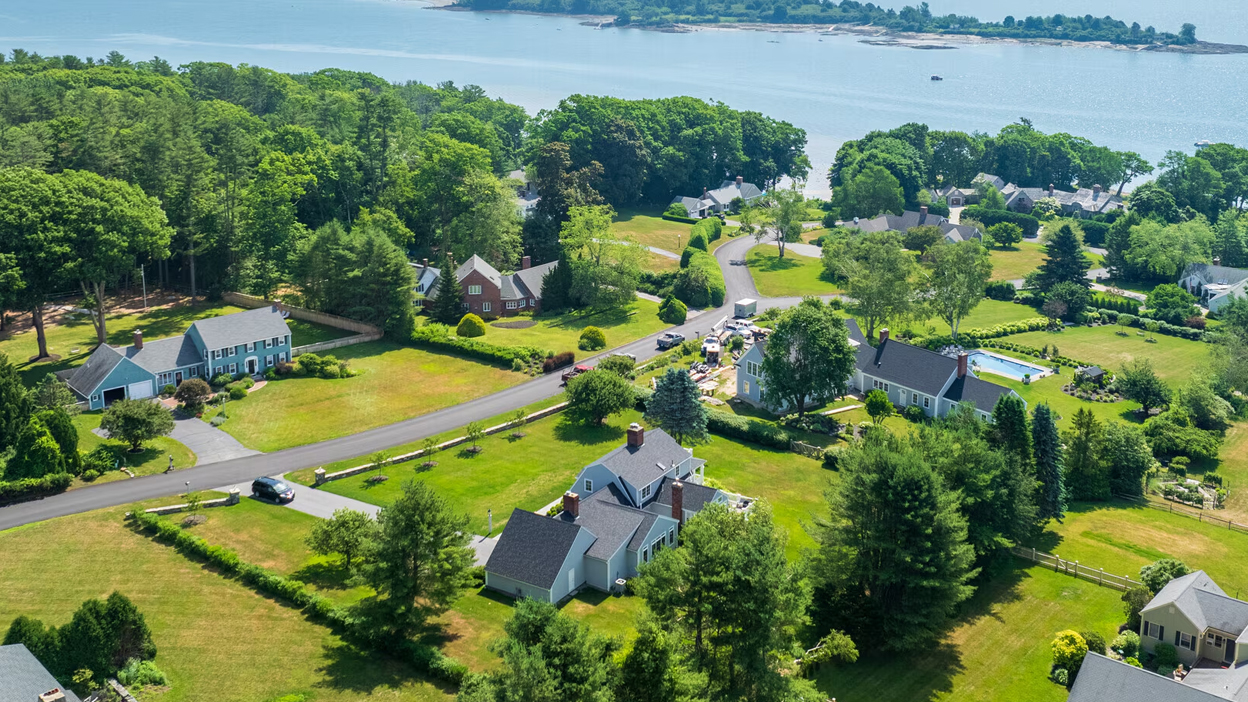
Cumberland is widely recognized as one of the best places to raise a family in Maine, offering a safe, welcoming community with strong family values. Its proximity to Portland combines small-town peace with easy access to urban amenities.
- Population: ~8,650 residents
- Median Home Price: ~$616,800
- Median Rent: ~$2,100 per month
- Median Household Income: ~$173,900 annually
- Local Weather and Climate: Typical Maine climate: cold winters with snow, and mild, pleasant summers perfect for family outdoor activities.
- Economy and Jobs: Cumberland benefits from economic ties to Portland. Residents find jobs across health care, education, and service sectors.
- Educational Opportunities: Home to some of Maine’s cities with top schools, Cumberland schools boast strong academics, low student-to-teacher ratios, and various extracurricular programs.
- Ideal For: Families prioritizing safety, community connection, and excellent education.
- Known For: Having some of the lowest crime rates in Maine.
Cumberland’s blend of safety, educational quality, and community spirit make it a premier choice for family-oriented living.
Frequently Asked Questions
What defines a city in Maine?
A city in Maine is an incorporated municipality governed by a city charter and city council, distinct from towns or suburbs. There are 23 such cities, each legally independent and with specific urban governance.
How do Maine cities differ from towns or suburbs?
Cities have a denser population and service-oriented government structure, while towns are often less dense with broader rural character. Suburbs in Maine, such as Cape Elizabeth, are typically towns that border cities and thus are excluded from city-focused lists.
What are the advantages of living in Maine cities?
Maine cities offer strong communities, safety, no sales tax, coastal or inland environments, and access to employment in healthcare, education, government, tourism, and technology sectors.
How affordable is living in Maine cities compared to other states?
Many Maine cities, such as Bangor and Lewiston, provide cost-effective housing and living expenses below U.S. averages. Coastal cities like Portland offer more cultural amenities but at higher costs, balanced by correspondingly higher incomes.
Are there good job opportunities in Maine cities?
Yes. Jobs abound in government (Augusta), healthcare and education (Orono, Waterville), tech and tourism (Portland), and revitalizing industries in cities like Lewiston.
How is the education system in Maine cities?
Maine cities provide strong K-12 education, with some cities like South Portland and Orono recognized for excellence. Higher education is accessible through universities such as the University of Maine and Colby College.
Conclusion
Selecting the right incorporated city in Maine is pivotal for aligning lifestyle needs with urban living realities. The best cities to live in Maine vary widely, offering options for young professionals, families, retirees, and academics. From Portland’s vibrant cultural scene to Orono’s intellectual safety, each city meets distinct preferences while sharing reliable governance and essential amenities.
This focused guide strictly includes legally recognized cities, ensuring readers receive accurate, relevant information for making a confident choice about moving to Maine or understanding urban MES life. Use these detailed profiles as a trusted resource for navigating Maine’s diverse and welcoming incorporated cities.