Are you wondering where to live in the Midwest? The 10 best cities to live in the Midwest offer a perfect blend of affordability, economic opportunity, and quality of life. The Midwest—a region that generally includes states such as Michigan, Ohio, Indiana, Illinois, Wisconsin, Iowa, Missouri, Minnesota, Nebraska, and Kansas—is gaining popularity among Americans seeking a balanced lifestyle.
Known for its strong communities, resilient economies, and rich culture, the Midwest is a region where you can enjoy both urban convenience and natural beauty. This blog explores the top Midwest cities to move to by analyzing their livability, economic growth, and lifestyle offerings. Whether you are a young professional, starting a family, or looking for a peaceful retirement, these most livable Midwestern cities stand out for their unique advantages.
Reasons Why You Need to Consider Moving to the Midwest
Moving to the Midwest makes sense for many reasons. First, the best cities to live in the Midwest consistently showcase affordability, especially when compared to major East and West Coast urban hubs. For instance, cities like Cedar Rapids, Iowa, and Fort Wayne, Indiana, have median home prices well below the national average, often less than half of prices found in coastal cities. Similarly, rent is more affordable — median rents hover around $700 to $900 monthly in these cities versus $2,000+ in many large coastal metros. Demographic trends and population insights from the U.S. Census Bureau highlight the migration patterns shaping Midwestern growth. For further context on affordability and lifestyle balance, you might explore insights on the most affordable cities to live in the US.
The Midwest benefits from growing cities with strong job markets. Many areas report unemployment rates under 3%. Diverse industries, including healthcare, technology, education, and manufacturing, power local economies. This diversity helps create resilience and job stability for residents. Understanding job opportunities can be enhanced by looking into cities recognized for their strong employment prospects.
Quality of life shines here too. The region offers a true sense of community. Access to parks, lakes, forests, and green spaces is abundant, allowing residents to enjoy both city life and nature. Small lakeside beaches, state parks, and bike paths foster recreational options that enhance living experiences.
Educational and cultural opportunities add immense value. The Midwest is home to top universities like the University of Michigan in Ann Arbor and the University of Wisconsin in Madison. Major cities host a rich calendar of arts, festivals, and museums that reflect vibrant, welcoming cultures.
Safety and family-friendliness are other big pluses. Many most livable Midwestern cities are known for their low crime rates, safe neighborhoods, and excellent schools, attracting families looking for secure and nurturing places to raise children.
Criteria for Choosing the Best Cities to Live in the Midwest
Selecting the top Midwest cities to move to requires scrutinizing several key factors:
- Population Size and Growth Trends: Cities with stable or expanding populations usually indicate economic vitality and good infrastructure. Growing cities tend to invest more in amenities and public services.
- Median Home Price and Rent Affordability: A city’s affordability depends on housing costs relative to local incomes. We prioritize cities where housing is reasonably priced, allowing residents to live comfortably without cost strain.
- Median Household Income and Economic Opportunities: Average household earnings along with job market health and availability in key industries like healthcare, tech, or manufacturing reflect a city’s economic strength.
- Education Quality: Access to well-rated public schools, local colleges, and universities is crucial to residents, especially families and young professionals planning long-term.
- Local Weather and Climate: Typical Midwest weather includes cold, snowy winters; warm, humid summers; and moderate springs and falls. Weather can impact lifestyle, so understanding seasonal patterns helps residents adjust expectations.
- Amenities, Healthcare, and Quality of Life: Recreational options, cultural institutions, dining scenes, and advanced healthcare facilities weigh heavily in livability scores.
These criteria help distill the most livable Midwestern cities and guide people on where to live in the Midwest based on their priorities.
10 Best Cities to Live in the Midwest (2026 Guide)
Below are profiles of the 10 best cities to live in the Midwest, illustrating why they rank highly among top Midwest cities to move to.
- Population: ~479,000 residents.
- Median Home Price: ~$167,800.
- Median Rent: ~$948.
- Median Household Income: ~$61,000.
- Local Weather and Climate: Cold, snowy winters with warm summers.
- Economy and Jobs: Strong in finance, logistics, and manufacturing.
- Educational Opportunities: Good public schools and nearby universities.
- Ideal For: Business professionals and families.
- Known For: Zoo attractions, music venues, and historic Old Market district.
Omaha offers a dynamic job market and cultural amenities, placing it firmly among the top Midwest cities to move to.
9. Overland Park, Kansas
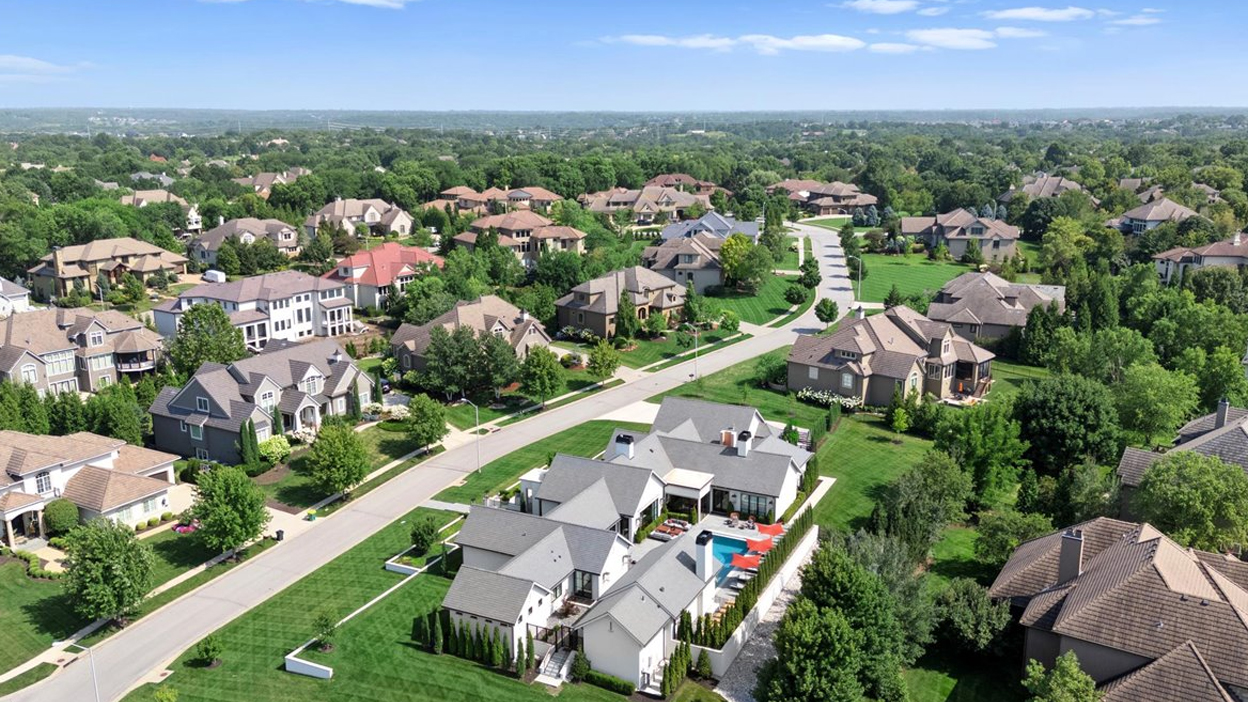
Overland Park is known for safe, family-friendly neighborhoods with plentiful green spaces.
- Population: ~193,000.
- Median Home Price: ~$295,800.
- Median Rent: ~$1,200 per month.
- Median Household Income: ~$86,000.
- Local Weather and Climate: Four distinct seasons with cold winters.
- Economy and Jobs: Healthcare, technology, and education sectors offer good employment.
- Educational Opportunities: Highly rated school districts.
- Ideal For: Families seeking safety and quality schools.
- Known For: Parks, trail systems, and community events.
Overland Park is among the most popular choices for families considering where to live in the Midwest.
10. Rochester, Minnesota
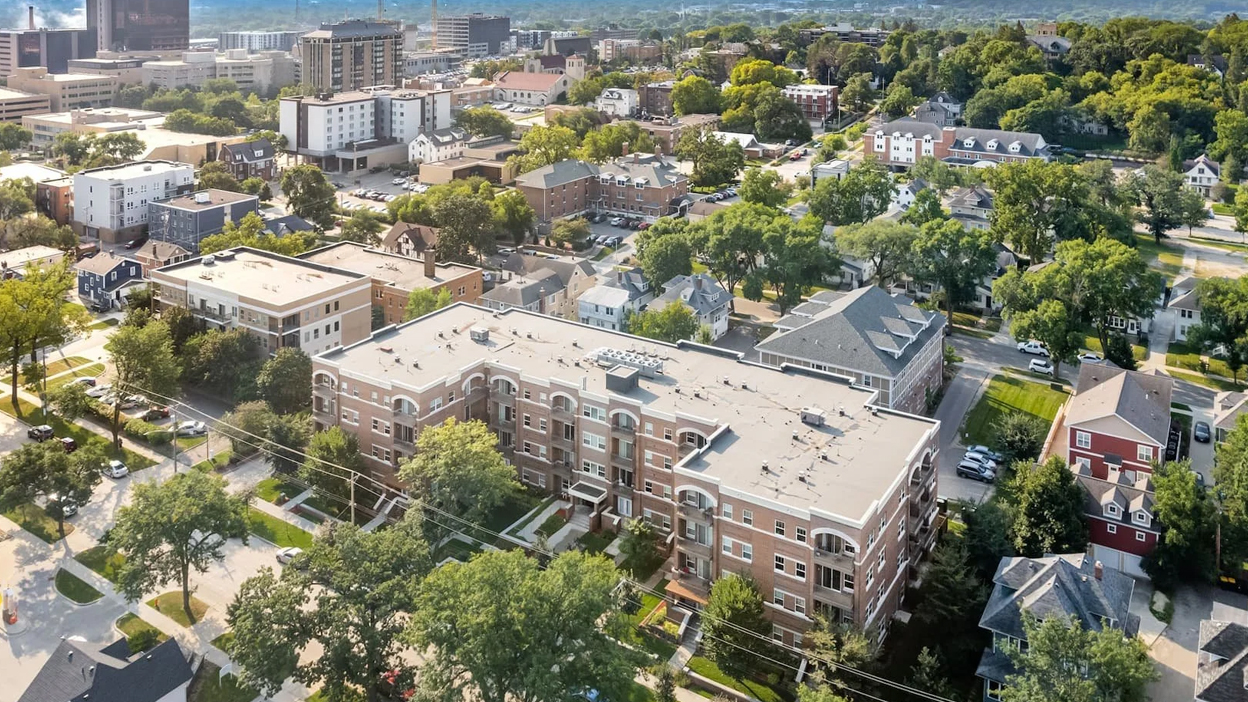
Rochester is well-known as a healthcare and research hub.
- Population: ~117,000.
- Median Home Price: ~$219,400.
- Median Rent: ~$1,044.
- Median Household Income:~$73,000.
- Local Weather and Climate: Snowy winters and warm summers typical of northern Midwest locations.
- Economy and Jobs: Home to the Mayo Clinic, healthcare dominates.
- Educational Opportunities: Good schools and proximity to research institutions.
- Ideal For: Healthcare professionals, retirees, and families.
- Known For: Medical research, cultural events, and outdoor recreation.
Rochester shines as a stable, growing city in the Midwest centered on healthcare and research.
Frequently Asked Questions (FAQs)
What makes a city one of the best in the Midwest to live in?
It’s a mix of affordable living costs, strong local economies, quality schools, safety, and ample amenities like parks, arts, and healthcare. The best cities to live in the Midwest score highly on these factors, creating well-rounded communities.
How affordable is living in Midwest cities compared to other regions?
Typically, housing costs—both home prices and rent—are significantly lower than on the East and West Coasts. Cities like Cedar Rapids and Fort Wayne showcase median home prices that are less than half the cost of coastal metros, adding strong value.
Are the growing cities in the Midwest good for careers and families?
Absolutely. Many growing cities in the Midwest benefit from job growth in healthcare, technology, and education sectors. Combined with family-friendly amenities and safe neighborhoods, they are excellent choices for workers and parents. Housing affordability and market trends reported by Zillow help illustrate why many are choosing Midwestern growth cities for relocation.
What is the climate like in most Midwestern cities?
Midwest cities experience all four seasons distinctly. Winters bring cold temperatures and snow, summers tend to be warm and humid, while spring and fall are mild and enjoyable.
How do the Midwest cities compare in terms of education and healthcare?
Several Midwest cities such as Ann Arbor, Madison, and Rochester are renowned for their universities and world-class healthcare facilities, contributing to their reputation as most livable Midwestern cities.
Conclusion
The 10 best cities to live in the Midwest present an attractive combination of affordability, community spirit, economic opportunity, and growth potential. Each city on this list offers unique advantages, from Naperville’s top schools and safety to Rochester’s healthcare excellence.
When deciding where to live in the Midwest, consider your priorities: cost of living, job prospects, education, or lifestyle. Whether you prefer a bustling college town like Ann Arbor or a growing business hub like Columbus, the Midwest provides some of the best environments to build your life.
These cities exemplify the most livable Midwestern cities, embodying balance and opportunity. To truly grasp their value, we encourage you to explore these destinations personally. Experience their neighborhoods, amenities, and culture firsthand before making your next move.
Your ideal Midwest home is waiting among these top Midwest cities to move to — a region where community, economy, and quality of life come together seamlessly.
Start exploring your future today in the 10 best cities to live in the Midwest!