When searching for the most affordable places to live in Alabama, focusing on incorporated cities offers clarity and assurance. Incorporated cities in Alabama have official municipal governance, deliver essential city services, and provide established community frameworks that residents rely on for stability and infrastructure.
Alabama is known for its low cost of living Alabama-wide, and its incorporated cities are no exception. For those seeking affordable Alabama cities where housing costs are manageable and life expenses remain low, this guide highlights the top ten options. You’ll find detailed insights into each city’s affordability, lifestyle, employment opportunities, education, and why these cities truly stand out as affordable places to call home.
Why Choosing the Right Affordable City Matters
Choosing the right affordable city impacts not just your housing costs, but your overall quality of life. In high-cost areas, several expenses such as mortgage payments, rent, and utilities can consume a significant portion of your household income. This limits your ability to manage other essentials like education, healthcare, savings, or leisure activities.
Living in low cost of living Alabama cities offers multiple advantages:
- Financial Flexibility: With affordable mortgage or rent payments, more income remains for other needs and goals.
- Broader Lifestyle Options: Reduced everyday expenses enhance your ability to enjoy recreational activities, invest in personal development, and save for the future.
- Career Choices: Lower living costs give residents freedom to pursue jobs they enjoy without feeling pressured to over-earn just to cover housing.
- Family Security: Affordable living allows families to thrive on a stable budget, often supporting single-income households or reduced working hours without sacrificing quality.
Alabama’s cheapest places to live do not mean sacrificing essential community qualities. Many affordable Alabama cities also provide safe neighborhoods, good schools, and access to amenities—all factors supporting long-term affordability and comfort.
The Criteria for Selecting Alabama’s Most Affordable Incorporated Cities
To ensure accuracy and relevance, this list exclusively includes incorporated cities in Alabama. We excluded towns, suburbs, census-designated places, and unincorporated areas to focus strictly on legally governed cities with official municipal services.
Affordability was evaluated with respect to:
- Housing Affordability: Median home prices and median rents, with a focus on how housing payments fit into household incomes (payment-to-income ratio).
- Income Balance: Median household income levels that enable residents to comfortably cover housing and non-housing expenses.
- Overall Cost of Living: Costs for utilities, groceries, transportation, and local services compared with Alabama averages.
- Stable Housing Markets: Cities showing steady or moderate housing price trends, avoiding speculative spikes.
- Community Amenities: Availability of affordable groceries, healthcare, banking, and transportation.
- Employment Diversity: Economies offering jobs in healthcare, manufacturing, education, technology, retail, and government sectors.
- Educational Quality: Access to public K-12 schools and community colleges supporting families and workforce development.
- Safety: Low crime rates contributing to community stability and affordable living.
These combined factors reveal affordable Alabama cities where residents benefit from both low housing costs and a sustainable, quality lifestyle.
10 Most Affordable Places to Live in Alabama (2026 Guide)
1. Clay, Alabama
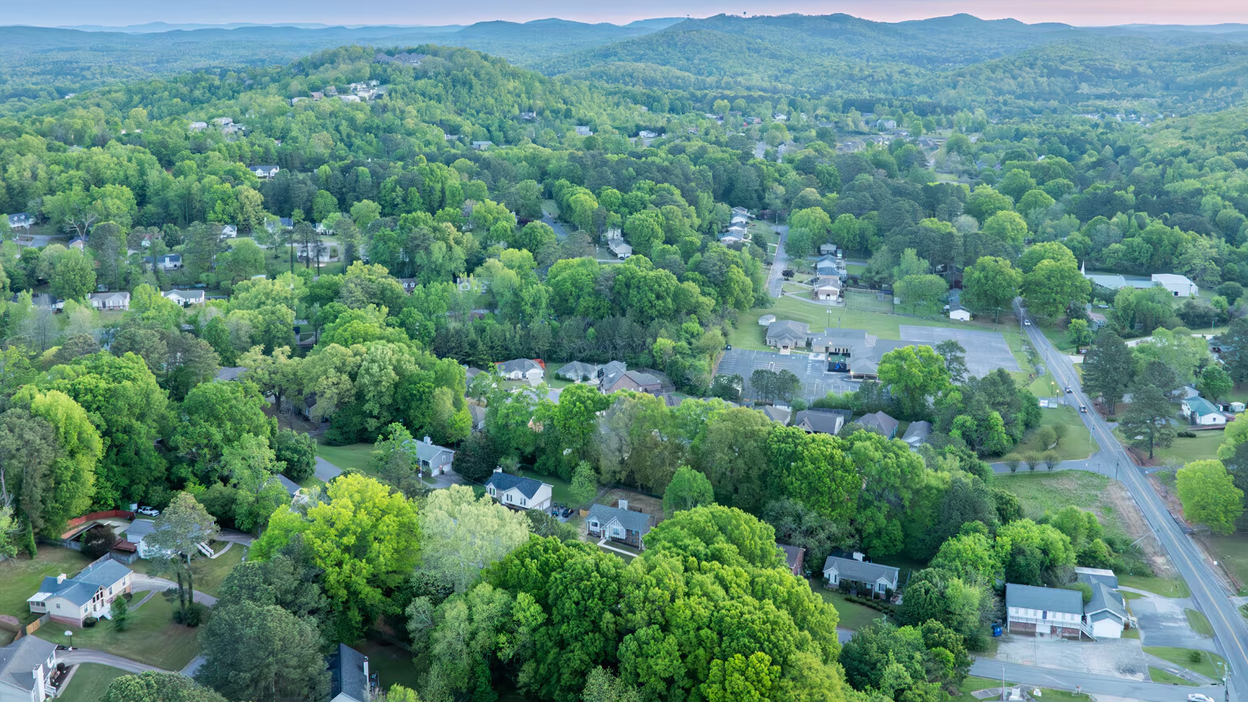
Clay is an incorporated city located in St. Clair County, serving as a suburban community within the Birmingham metropolitan area. With its steadily growing population and suburban feel, Clay offers a balance of affordable living with accessibility to metropolitan job markets.
- Population: ~9,390 residents
- Median Home Price: ~$209,100
- Median Rent: ~$1,000 per month
- Median Household Income: ~$92,100 annually
- Affordability Factors Supporting Comfortable Living: Clay boasts the most favorable payment-to-income ratio in Alabama, with mortgage payments consuming only about 22.5% of the typical household income. This means housing costs fit well within residents’ budgets, leaving flexibility for savings, education, and leisure. Both homeownership and rental options remain affordable relative to income levels. Local utilities, transportation, and services maintain reasonable rates, supporting low cost of living Alabama lifestyles. Economic and housing market stability reduces price volatility, making Clay a reliable choice for long-term affordability.
- Local Weather and Climate: Typical humid subtropical climate with mild winters and warm summers. This moderate climate generally results in manageable heating and cooling expenses year-round, benefiting household budgets.
- Economy and Jobs: Being part of the Birmingham metro, residents tap into diverse opportunities in healthcare, manufacturing, professional services, and technology. The city’s proximity to regional employers provides career flexibility without driving up housing costs.
- Educational Opportunities: Clay is served by St. Clair County Schools with access to quality K-12 education. Nearby Birmingham’s colleges and universities offer continuing education and training without leaving the metro area.
- Ideal For: First-time homebuyers, young families desiring suburban safety, and middle-income professionals focused on building equity without large housing burdens.
- Known For: Strong economic accessibility, growing residential development, and exceptionally favorable housing cost-to-income balance.
Clay exemplifies Alabama’s most affordable incorporated cities through its remarkable housing cost control relative to income, suburban amenities, and access to metropolitan job markets, making it an exceptional choice for affordable city living.
2. Moody, Alabama
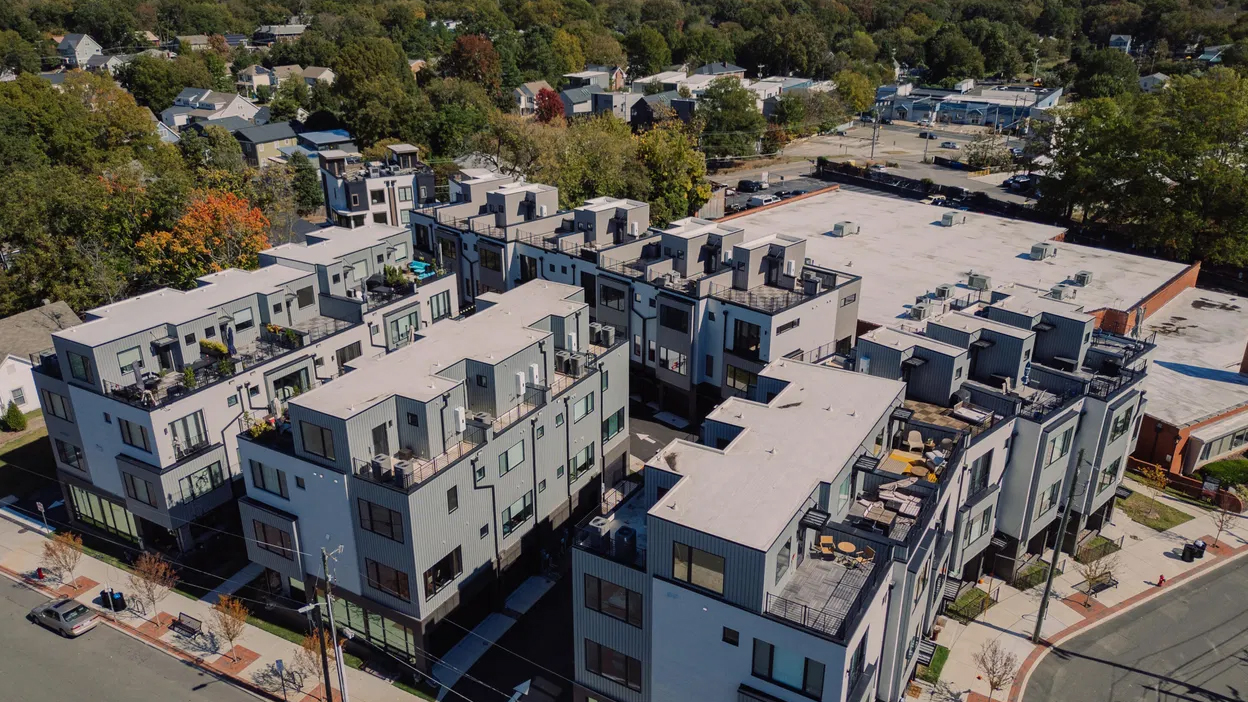
Moody is an incorporated city in St. Clair County, nestled between Birmingham and Anniston. It maintains a quiet, family-friendly suburban environment with accessible housing and reasonable everyday costs.
- Population: ~13,080 residents
- Median Home Price: ~$219,200
- Median Rent: ~$900 per month
- Median Household Income: ~$81,200 annually
- Affordability Factors Supporting Comfortable Living: Moody’s housing costs consume just about 24% of household incomes, creating comfortable affordability for homeowners and renters alike. The city balances housing availability with incomes that allow discretionary spending and long-term financial planning. Community services, utilities, and transportation remain affordable, embodying the low cost of living Alabama ethos.
- Local Weather and Climate: Humid subtropical climate with mild winters and warm summers supports outdoor lifestyles and moderate utility bills.
- Economy and Jobs: Situated between two employment hubs, Moody residents benefit from diverse job markets ranging from manufacturing and retail to healthcare and professional services. This mix supports stable incomes aligned with local housing costs.
- Educational Opportunities: Served by St. Clair County Schools for public education; accessibility to community colleges and universities in surrounding metro areas supports lifelong learning.
- Ideal For: Families seeking stability and affordability, commuters working in Birmingham or Anniston, and middle-income homebuyers.
- Known For: Family-oriented suburban setting, balanced cost of living, and solid school systems.
With an affordable payment-to-income ratio and strategic location between economic centers, Moody is a standout affordable incorporated city offering financial security and quality community life.
9. Tuscaloosa, Alabama
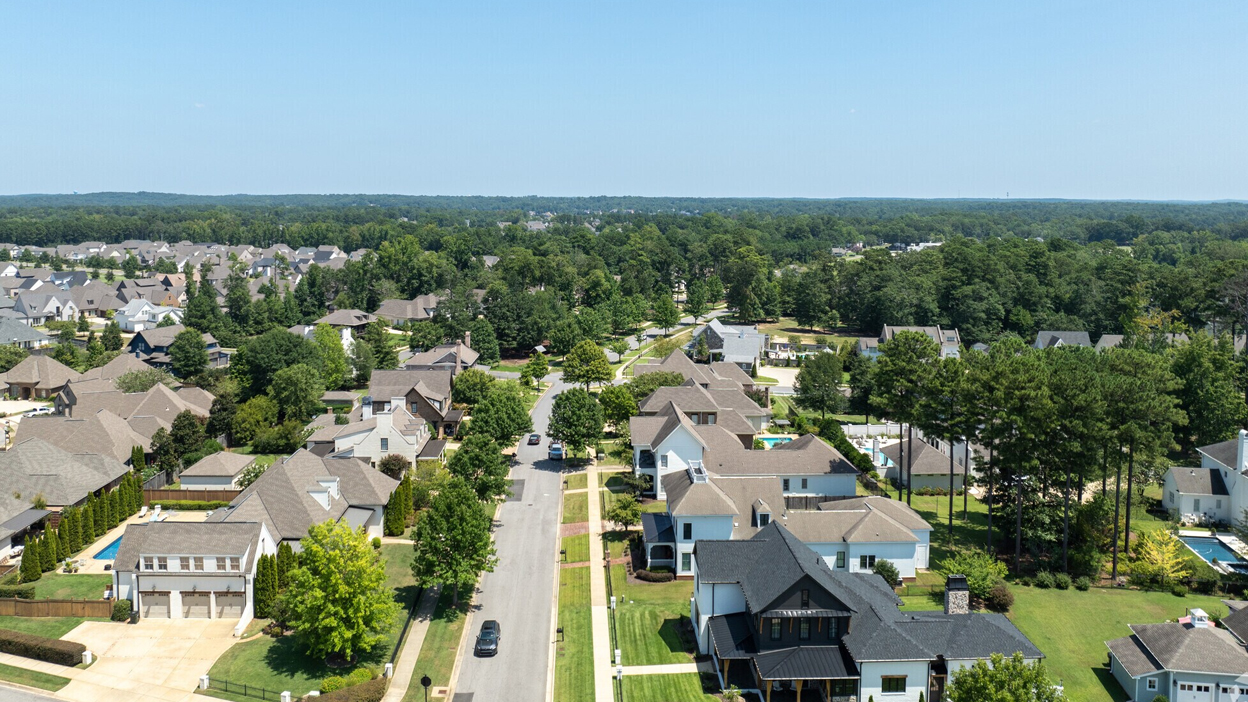
Tuscaloosa is an incorporated city in west-central Alabama, home to the University of Alabama. The city combines educational vibrancy, cultural activities, and affordable living.
- Population: ~111,630 residents
- Median Home Price: ~$270,700
- Median Rent: ~$800 per month
- Median Household Income: ~$47,300 annually
- Affordability Factors Supporting Comfortable Living: Tuscaloosa’s housing costs align with incomes partially supported by university employment, creating affordability for residents including families, students, and professionals. Rental and purchasing options remain accessible with reasonable daily living expenses. Community investments in revitalizing the downtown area further enhance livability without inflating costs excessively.
- Local Weather and Climate: Humid subtropical climate with mild winters and hot summers, facilitating outdoor recreation along the Black Warrior River.
- Economy and Jobs: University of Alabama drives stable employment in education and research, supplemented by healthcare, retail, and manufacturing jobs.
- Educational Opportunities: Home to the University of Alabama and quality public schools, fostering strong educational resources for families and professionals.
- Ideal For: University staff and students, families seeking culture-rich affordable living, retirees wanting active communities.
- Known For: College town atmosphere, sports culture, riverfront outdoor activities, and educational resources.
Tuscaloosa offers a unique blend of cultural and academic opportunities with affordable living costs, making it attractive for a wide demographic.
10. Huntsville, Alabama
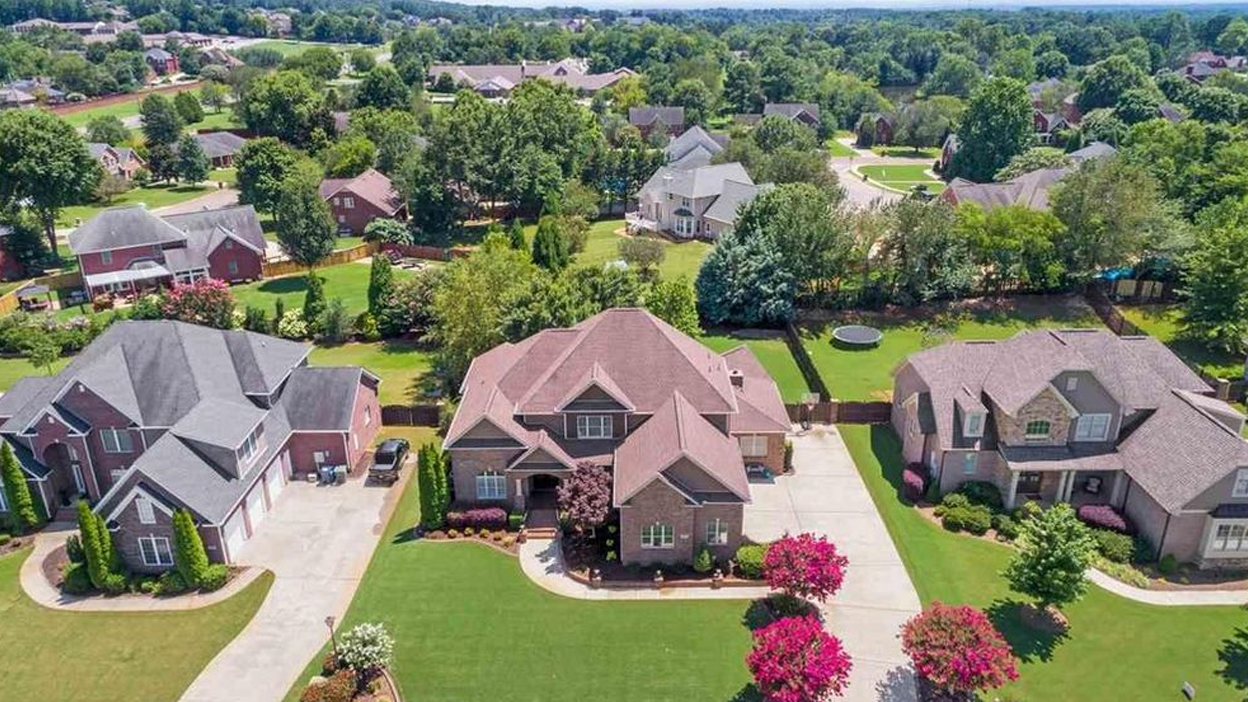
Huntsville is an incorporated city and Alabama’s second-largest, located in Madison County. It’s recognized nationally for advanced aerospace, defense, and technology industries combined with affordable living.
- Population: ~228,600 residents
- Median Home Price: ~$302,300
- Median Rent: ~$900 per month
- Median Household Income: ~$113,300 annually
- Affordability Factors Supporting Comfortable Living: Huntsville combines high-wage technology jobs with housing costs substantially lower than comparable tech hubs. The city’s strategy of expanding housing supply alongside job growth helps maintain affordability. Utilities, groceries, and local services remain accessible, supporting a balanced lifestyle for professionals and families.
- Local Weather and Climate: Humid subtropical with mild winters and warm summers, featuring scenic outdoor recreational opportunities in the Tennessee Valley.
- Economy and Jobs: Major employers include NASA Marshall Space Flight Center, defense contractors, and advanced manufacturing. The city’s employment diversity underpins economic resilience and income stability.
- Educational Opportunities: University of Alabama in Huntsville provides strong technical programs. Multiple community colleges and public schools support education throughout the region.
- Ideal For: Technology professionals, engineers, families seeking modern amenities, and career-oriented individuals looking for affordable high-tech hubs.
- Known For: High-tech employment, aerospace research, strong educational institutions, and balanced affordability.
Huntsville is an exceptional affordable city where professional opportunity meets manageable living costs, making it one of Alabama’s most appealing incorporated cities for career and family life.
Frequently Asked Questions
What Defines the Most Affordable Places to Live in Alabama?
Affordability is defined by the balance between median home prices, rent, and household incomes, along with overall living costs like utilities and groceries. These cities feature payment-to-income ratios ensuring housing does not consume disproportionate income, combined with reasonable day-to-day expenses and stable economies for sustainable living.
Are These Cities Safe and Family-Friendly?
Many cities on this list, especially Calera, Hoover, Smiths Station, and Huntsville, maintain low crime rates and quality schools, making them attractive to families. Safety and community character are important selection factors alongside affordability.
How Does Cost of Living Compare to Larger Alabama Metros?
Smaller cities generally offer 10-20% lower costs in housing and daily expenses than larger metros. Birmingham and Huntsville themselves are affordable compared to similar-sized U.S. cities, offering metropolitan advantages without high prices.
What Job Opportunities Exist in These Affordable Cities?
Job opportunities vary: metropolitan areas like Birmingham and Huntsville have diverse industries including healthcare, technology, and manufacturing; smaller cities often rely on commuting or niche sectors. Research specific career fields before relocating.
Is Public Transportation Available?
Larger cities typically offer limited public transport. Most smaller cities lack public transit, requiring vehicle ownership. Transportation costs should be factored into affordability considerations.
Conclusion
Alabama’s most affordable incorporated cities provide a compelling range of housing options, community assets, and economic opportunities. From Clay’s exceptional payment-to-income ratio to Huntsville’s tech-driven economy, these cities demonstrate affordable Alabama city living does not mean compromising on quality.
Their official incorporation status ensures structured municipal governance, delivering essential services and community stability. Whether you seek suburban safety, small-city charm, coastal living, or metropolitan vibrancy, these cities offer affordable pathways for homebuyers, renters, families, and professionals alike.
Considering your unique needs and career goals, these 10 incorporated cities represent Alabama’s best affordable living options—offering financial freedom, supportive communities, and quality of life at a manageable cost. Explore these cities to find your ideal affordable Alabama city to call home.