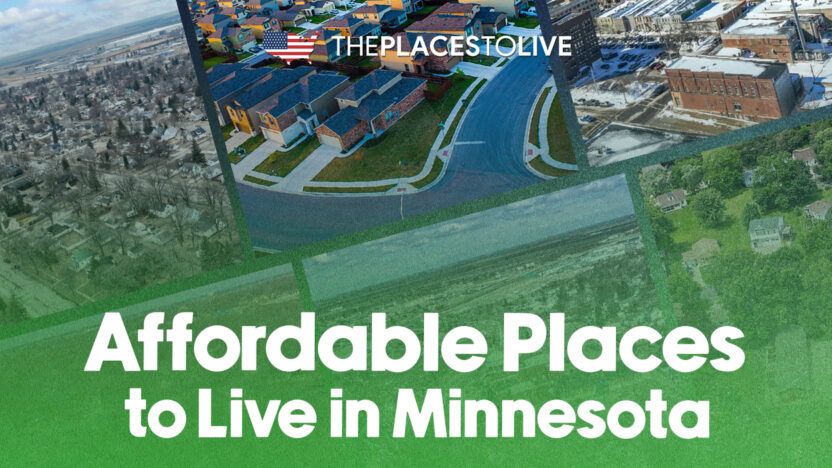
Finding the most affordable places to live in Minnesota can be a game-changer for residents seeking to balance quality of life with manageable expenses. Affordability in this context means securing housing that fits comfortably within a budget, ensuring stable living conditions, and maintaining access to essentials like good schools, healthcare, and recreation throughout Minnesota’s distinctive four-season climate. This article focuses exclusively on officially incorporated cities in Minnesota, guaranteeing accuracy and relevance. Whether you are a family, retiree, or young professional, these affordable Minnesota cities offer lower living costs while preserving community vibrancy and essential services.
Why Choosing the Right Affordable Minnesota City Matters
Opting for an affordable Minnesota city does more than save money—it promotes housing stability by making homeownership or renting sustainable and predictable. When residents can count on reasonable housing costs, their financial stress lessens, leaving room in their budgets for education, healthcare, and leisure pursuits. Affordability balanced with safety, schools, and job opportunities lays the foundation for a rewarding lifestyle. Affordable Minnesota cities are crucial for diverse populations, from families starting out to retirees seeking comfort without high expenses. Ultimately, lower costs in these cities contribute to long-term financial health and a better overall quality of life.
Criteria Used to Select the Best Affordable Minnesota Cities
Selection was based on clear affordability benchmarks, including median home prices generally under ~$250,000 and median rents below ~$1,200 per month. Additionally, median household incomes between ~$50,000 and $80,000 provide economic context supporting balanced housing-to-income scenarios.
Beyond numbers, qualitative factors were considered: availability of budget-friendly amenities such as affordable groceries, community parks, public infrastructure, and services that help residents stretch their finances without sacrificing comfort or convenience. Only those cities matching these affordability and incorporation standards appear below.
10 Most Affordable Minnesota Cities for Low-Cost Living (2026 Guide)
1. Thief River Falls
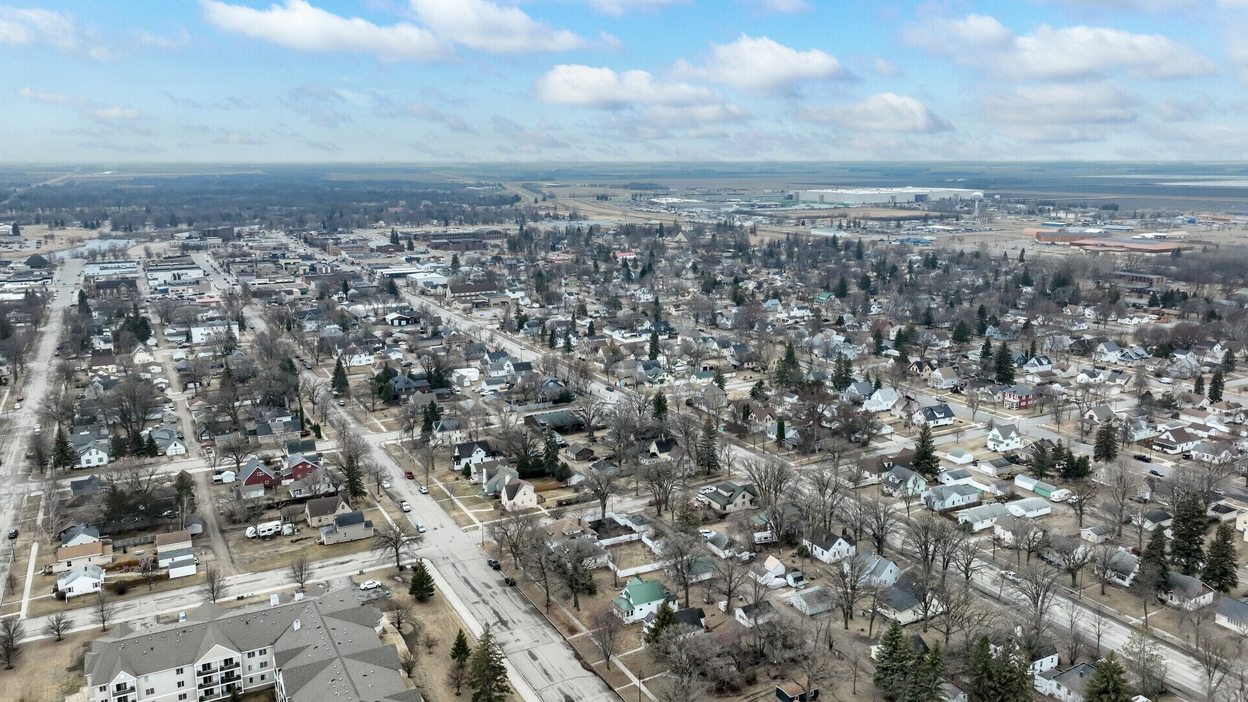
Thief River Falls is an incorporated city located in Pennington County, serving as a regional center in northwest Minnesota. This city combines a small urban feel with access to natural surroundings, offering a genuine example of affordable Minnesota cities.
- Population: ~8,700 residents
- Median Home Price: ~$198,000
- Median Rent: ~$1,100
- Median Household Income: ~$58,000
- Affordability and Everyday Value: Thief River Falls benefits from low housing costs that significantly ease monthly expenses for residents. Affordable utilities and local groceries allow families and individuals to maintain steady budgets. Community-driven events and free amenities such as parks and recreational centers support active lifestyles without financial strain. Volunteer services and modest property taxes enhance the cost-effectiveness of living here, truly embodying cheap places to live Minnesota can offer.
- Local Weather and Climate: The city experiences cold, snowy winters with average snowfall around 50 inches and crisp temperatures, typical of northern Minnesota. Summers are mild and comfortable, generally reaching the low 70s (°F), encouraging seasonal outdoor recreation alongside the Red Lake River.
- Economy and Jobs: Thief River Falls has a stable economy rooted in manufacturing, notably with Polaris Industries, and agriculture-related work. These sectors provide steady employment aligned with local income levels, supporting affordability and community sustainability.
- Educational Opportunities: The city’s public schools are well-regarded, complemented by Northwest Technical College, which offers vocational and technical training beneficial for residents seeking skill development and career growth.
- Ideal For: Retirees seeking peaceful affordability and manufacturing employees looking for lower-cost living options are particularly well-suited to this city.
- Known For: Thief River Falls is known for its snowmobile culture and access to outdoor activities including trails and the scenic Red Lake River.
Thief River Falls stands as one of the most affordable places to live in Minnesota, offering low-cost housing combined with community support and natural northern charm.
2. Austin
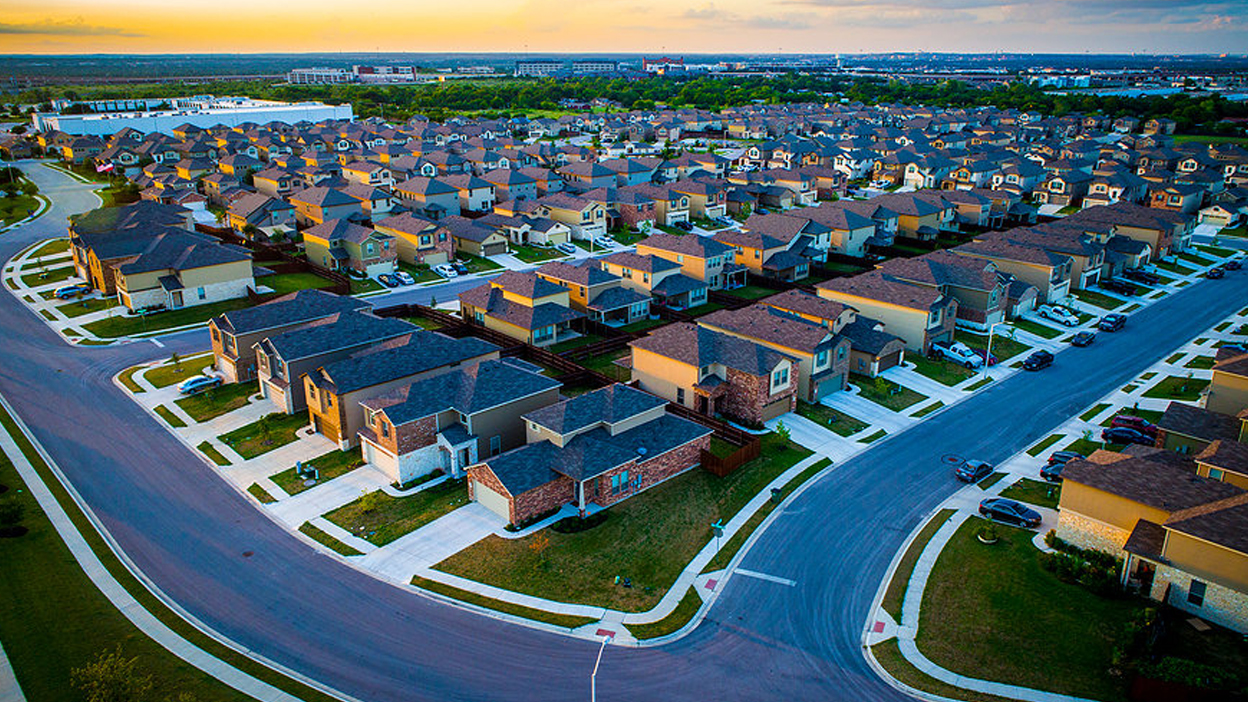
Austin is an incorporated city in Mower County situated in southern Minnesota. It boasts a vibrant community and strong local economy, making it a key example among affordable Minnesota cities.
- Population: ~26,000 residents
- Median Home Price: ~$176,000
- Median Rent: ~$900
- Median Household Income: ~$62,000
- Affordability and Everyday Value: Austin leads with ultra-affordable rent and housing prices, enabling residents to maximize budgets on lifestyle and family needs. Affordable dining options, parks, and community programs offer enriched living free from high costs. The city supports a healthy balance of everyday amenities that make sustainable budgeting easy.
- Local Weather and Climate: Summers are moderate, typically around 75°F, while winters bring about 40 inches of snow, softened by southern breezes, creating a generally comfortable climate for outdoor and indoor activities year-round.
- Economy and Jobs: Known as the headquarters of Hormel Foods, Austin offers abundant opportunities in food processing alongside healthcare and retail sectors, underpinning local incomes and affordable living.
- Educational Opportunities: Austin provides strong K-12 education through Austin Public Schools and access to Riverland Community College, supporting families and workers seeking continued learning.
- Ideal For: Families connected to the food industry and first-time homebuyers searching for value will find Austin especially appealing.
- Known For: The city is home to the famous Spam Museum and hosts the annual SPAM Jam festival, reflecting its unique cultural identity.
Austin distinguishes itself in the realm of affordable Minnesota cities through strong economic foundations and exceptional housing affordability.
9. Fairmont
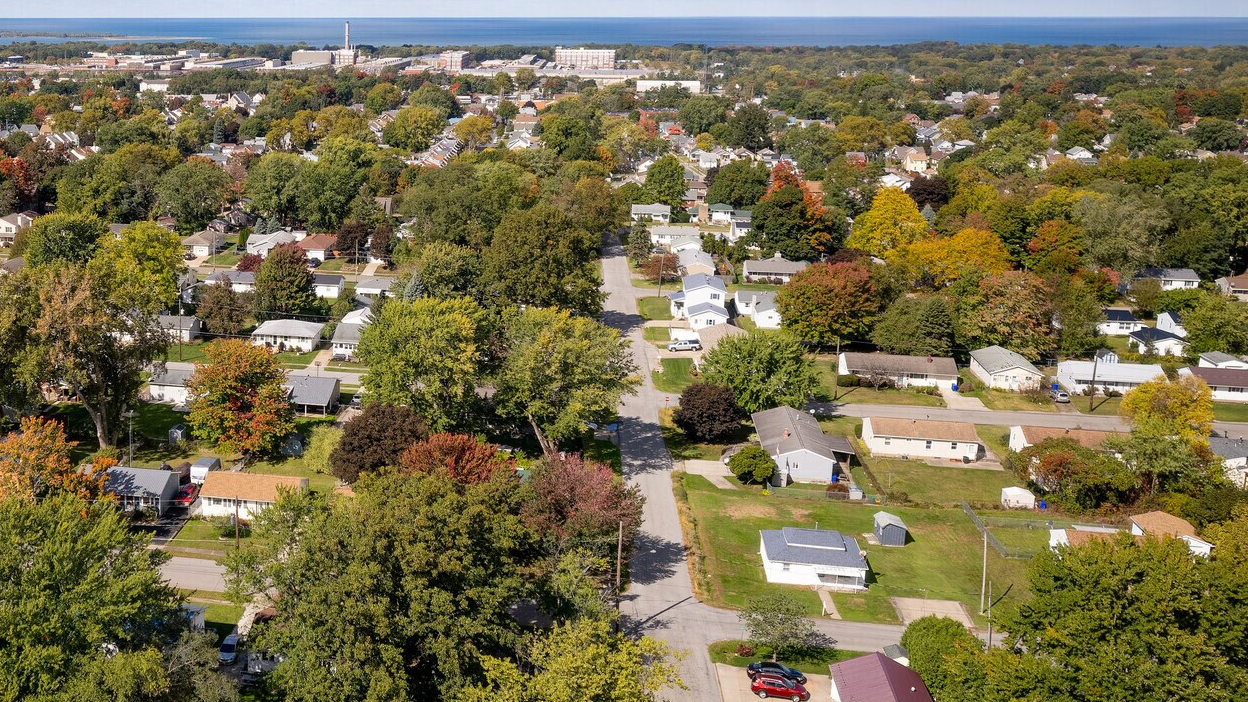
Fairmont is an incorporated city in Martin County, located in southern Minnesota amid a chain of lakes. It balances scenic living with cost efficiency.
- Population: ~10,000 residents
- Median Home Price: ~$195,000
- Median Rent: ~$950
- Median Household Income: ~$57,000
- Affordability and Everyday Value: Access to affordable lakeside recreation adds quality without major expense. The local economy supports low housing and living costs, making leisure affordable and accessible.
- Local Weather and Climate: As a southern city, Fairmont enjoys milder winters with about 35 inches of snow and warm summers conducive to outdoor events and lake use.
- Economy and Jobs: Healthcare providers and manufacturing drive much of the local employment, ensuring relative job security alongside affordability.
- Educational Opportunities: Fairmont Public Schools deliver family-friendly education with easy accessibility.
- Ideal For: Retirees and outdoor enthusiasts who seek an affordable lakeside lifestyle.
- Known For: The city is known for its “Chain of Lakes,” a collection of five connected bodies of water popular for fishing and boating.
Fairmont brings affordable lakeside living together with essential city services, fitting well within affordable Minnesota cities.
10. Hibbing
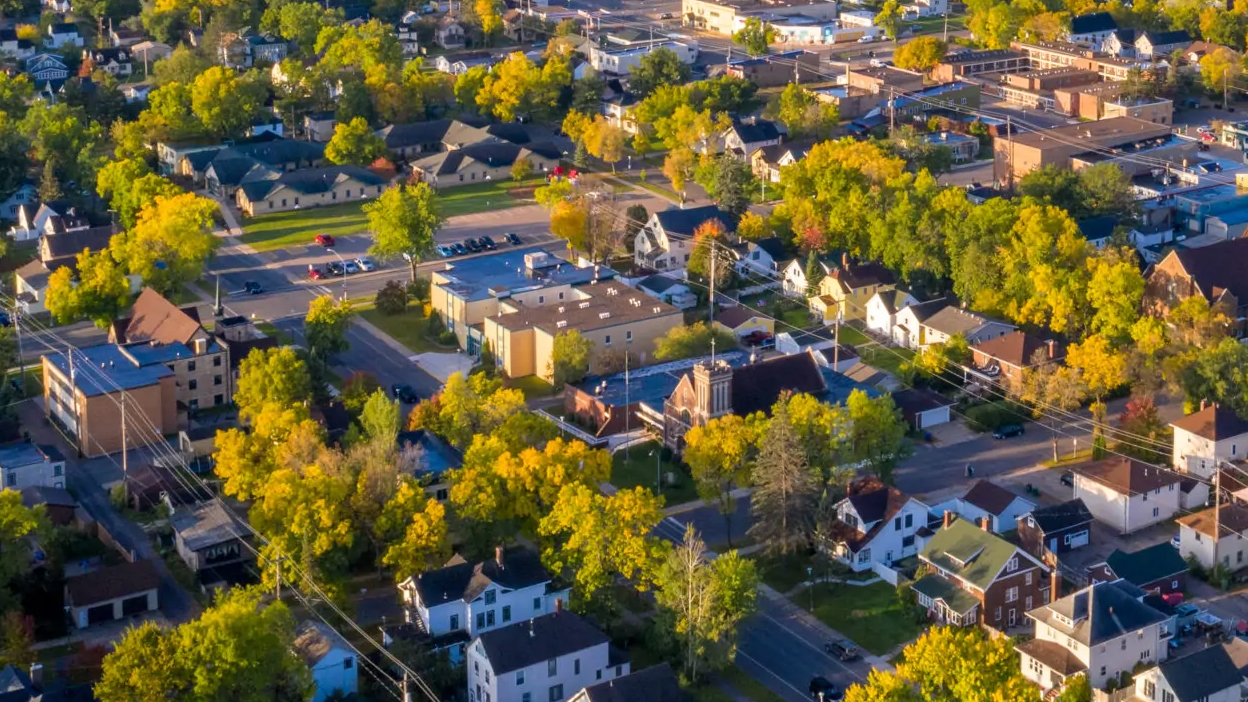
Hibbing is an incorporated city in St. Louis County, part of Minnesota’s Iron Range in the northern region. It is historically a mining town with a strong cultural identity.
- Population: ~16,000 residents
- Median Home Price:~$160,000
- Median Rent: ~$850
- Median Household Income: ~$52,000
- Affordability and Everyday Value: Low property taxes linked to the mining heritage keep living costs in check. Community benefits include parks and volunteer amenities that support tight budgets.
- Local Weather and Climate: Long winters with heavy snowfall (close to 70 inches) define the climate, balanced by cool summers, reflecting a typical northern Minnesota lifestyle.
- Economy and Jobs: Mining remains influential, supported by healthcare services, offering residents stable economic options consistent with affordable city living.
- Educational Opportunities: Hibbing Community College and local schools serve educational needs across age groups.
- Ideal For: Families rooted in mining and retired residents valuing affordability.
- Known For: Hibbing is famously the birthplace of Bob Dylan, adding cultural uniqueness.
Hibbing’s mining heritage and affordable costs round out the list of the most affordable cities in Minnesota.
Frequently Asked Questions
What defines an affordable city in Minnesota?
An affordable city in Minnesota has median home prices below $250,000, median rents under $1,200 per month, and housing expenses not exceeding about 30% of median household income. This metric applies strictly to incorporated cities, ensuring genuine affordability within official city boundaries.
How is affordability measured for housing and living expenses?
Affordability combines payment-to-income ratios for housing with related costs such as utilities, groceries, and local taxes. Recent 2025-2026 data guide these evaluations—balancing financial feasibility alongside quality of life considerations.
Are these affordable cities safe and family-friendly?
Most listed cities maintain relatively low crime levels when compared to major metropolitan areas. They offer strong local schools, parks, and community programs supporting safe and nurturing environments for families.
How does the cost of living here compare to larger metros like Minneapolis/St. Paul?
These cities present housing costs 20-40% lower than Minneapolis/St. Paul, with cheaper utilities and property taxes. This enables residents to enjoy urban amenities at a fraction of metro expenses.
What kinds of jobs are available in these cities?
Manufacturing, agriculture, healthcare, and education dominate local economies. Jobs in these fields provide stable incomes aligned with the affordable living costs found in these Minnesota cities.
Is public transportation available?
Public transit options remain limited but are gradually expanding near colleges and hospitals. Most residents rely on personal vehicles, consistent with lifestyle and affordability typical of these cities.
Conclusion
Choosing an affordable Minnesota city means embracing budget-friendly housing, sound community infrastructure, and access to education and jobs, all while enjoying the state’s natural surroundings and seasonal climate.
Whether you are a family, retiree, or professional, these affordable Minnesota cities offer viable, sustainable options for living well within your means. Careful evaluation of your lifestyle priorities alongside this trusted list can guide a confident decision when seeking cheap places to live Minnesota-wide, ensuring your next move supports long-term financial health and a rewarding daily life.
Explore affordability without compromise—discover the best affordable Minnesota cities today.