
When reflecting on the cost of living in Dallas, it’s clear that the experience extends far beyond just housing checks. It weaves into the texture of daily expenses—the groceries stacked on kitchen shelves, the pulse of commutes weaving across highways, and the chosen moments of leisure that define time off. These elements blend into a financial rhythm unique to Dallas, shaped by its blend of sprawling suburbs and energetic urban pockets, underpinned by the persistent Texas sun.
This isn’t simply about numbers ticking up or down but about how the pace of monthly flow unfolds through everyday life. Managing money here involves more than budgets; it’s the quiet negotiation of flexibility, the choices that sway toward convenience or savings, and the subtle trade-offs that residents make as part of living here.
The Overall Cost of Living Feel in Dallas
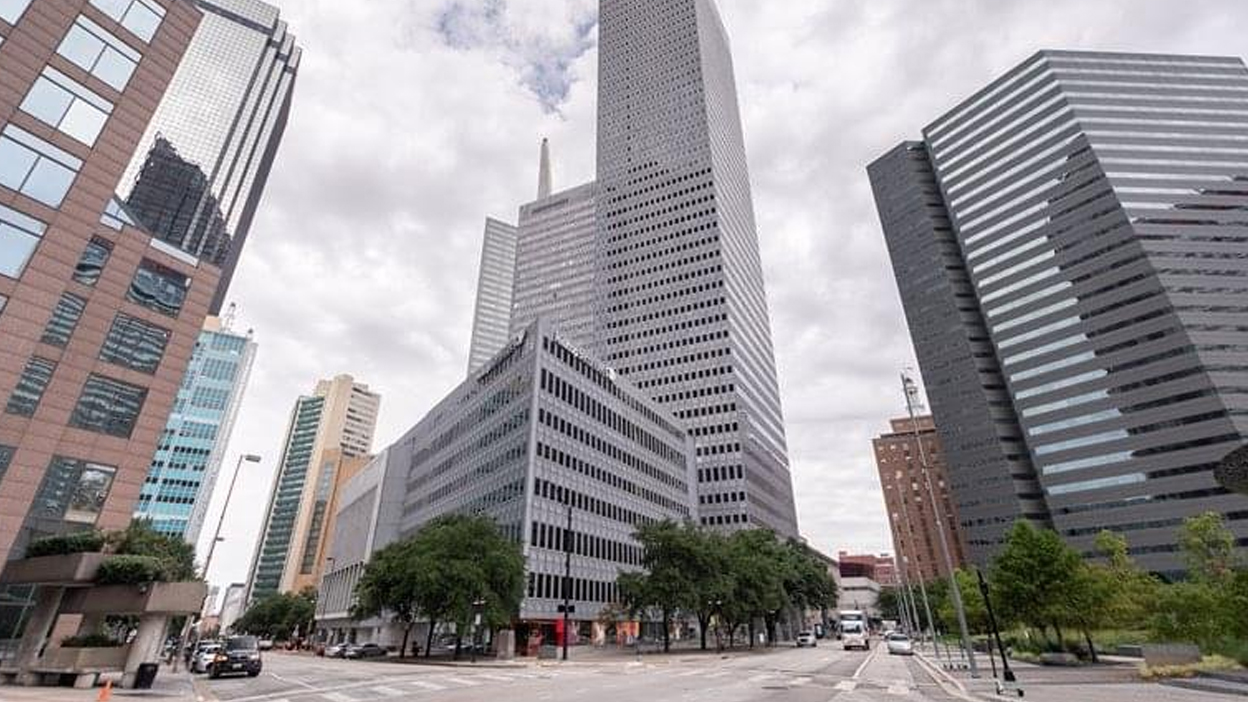
Living here, the sense of handling everyday finances is steady yet watchful. Money flows through daily life with pressure points that often come from essentials—items one cannot sidestep—but the strain rarely feels overwhelming. Instead, there’s a dependable rhythm, punctuated by small adjustments as households subtly negotiate the squeeze.
Quiet strategies arise naturally: buying in bulk, carpooling, or savoring local parks rather than splurging on entertainment. Budgets rarely feel like fixed cages, more like ongoing tunes that adapt as the city itself grows and changes. The monthly flow involves a balance between managing costs carefully and embracing the opportunities that arise, giving a sense of moderate stretch but not constant tension in everyday finances.
Housing Costs and Living Arrangements
Housing frames much of the financial rhythm in Dallas. Whether renting a snug apartment in one of the city’s trendier neighborhoods, owning a home that fits comfortably in a middle-income bracket, or sharing a place with others in more budget-friendly areas—these decisions set the pace for household budgeting.
Renting a one-bedroom often lands near $1,450 monthly, a figure that settles into the background of the month-to-month flow, quietly shaping what follows. Lease arrangements come with their variability, echoing in subtle shifts in spending flexibility. Shared living requires careful coordination between roommates but can loosen financial pressure. Owning a property, meanwhile, means household budgeting must accommodate property taxes and maintenance without disrupting the overall financial rhythm.
This spending frames the softer edges of financial life in the city, an ongoing dance in the background of routines.
How Costs Feel for Different Residents

The experience of daily money management varies across the diverse tapestry of Dallas’s residents. Singles often find more room to play with household budgeting, tweaking leisure spending around a stable but watched flow of non-rent expenses. Their financial rhythm holds flexibility, though urban rental prices gently pressure how freely they can adjust.
Families navigate a tighter coordination, balancing school runs, grocery bills, and car expenses amid the steady beats of a larger household. Their financial flow frequently carries quiet pressures—the invisible weight of recurring necessities shaped by a car-dependent lifestyle.
For retirees and remote workers, life often moves to more affordable corners like suburbs, trading commute time for leisure while managing long-term costs like property taxes. Their household budgeting adapts to quieter rhythms, shaped by reduced healthcare expenses but mindful of persistent obligations.
Across groups, the cost feels personal—household budgeting evolves naturally, reflecting distinct life stages and priorities within the shared pulse of living here.
Reflection on Dallas’s Unique Lifestyle Flow
Dallas presents a financial landscape marked by subtleties—the flow of traffic and car maintenance, the rising pulse of summer utility bills, and the flexible choices woven into lifestyle spending each month. Together, these elements create a rhythm that is not only economic but deeply tied to the lived experience of the city.
Those who settle here soon recognize these patterns as more than costs—they are pieces of a larger, opportunity-rich rhythm of daily life. As you consider your own finances, it can be helpful to see the cost of living in Dallas as a personalized flow that intertwines with the unique blend of urban energy, suburban spread, and Texas heat.
Living here means engaging with a month-to-month dance of choices and trade-offs, shaped as much by lifestyle and climate as by dollars and cents.