
Moving to a new city is always a big step. If Detroit is your next destination, spending a weekend there before making the move is a smart idea. This guide will show you how to spend a weekend in Detroit before you move, offering a detailed Detroit weekend itinerary to help you get a feel for the city’s culture, neighborhoods, transportation, and daily life. Think of it as a “test weekend” — a chance to experience Detroit beyond tourist hotspots and see how life really feels in this evolving city.
In just 48 hours, you can observe Detroit’s vibrant neighborhoods, try out different ways to get around, and soak up the local vibe. You’ll gain insight into the pace of life, community spaces, and cultural identity. Keep in mind, though, that a weekend won’t cover everything — longer-term details like school choices, housing market trends, or how harsh winters affect daily life need more time. But this travel guide is your essential first step to exploring Detroit through an authentic lens before you make the leap.
Why a Weekend Visit Helps Before Moving to Detroit
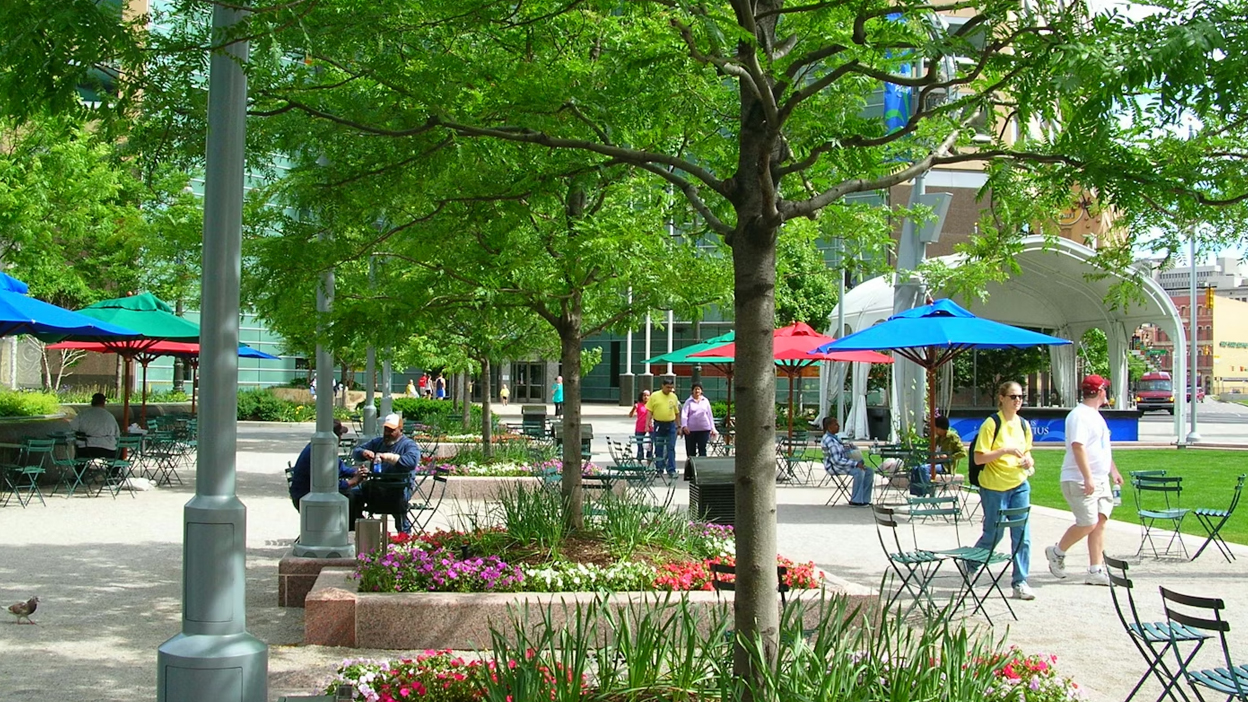
A quick weekend trip does more than scratch the surface. Detroit is a city where urban revitalization meets rich history, and a short visit lets you witness this unique blend firsthand.
Experience Detroit’s Pace of Life and Revitalization
Detroit’s revitalized urban core shines in its mix of restored historic buildings, colorful public art, and lively public spaces. Places like Campus Martius Park and the Detroit Riverwalk show how community and commerce come together, blending green space with city energy.
At the same time, Detroit’s deep roots shine through institutions like the Motown Museum and the Charles H. Wright Museum of African American History. Exploring these reveals the cultural pride and historic identity that shape daily life here.
Get to Know Transportation and Traffic Patterns
Detroit’s neighborhoods reveal a lot about how people move around. The city’s core is fairly walkable, especially in Midtown and downtown areas around the museums and stadiums. Many locals and visitors cycle, walk, or use rideshares and the streetcar QLine to navigate.
However, Detroit is also widespread, making a rental car useful for reaching neighborhoods like Belle Isle or Eastern Market with ease. Sampling these transportation options during your visit helps you understand traffic flow, transit stops, parking ease, and cycling infrastructure.
Explore Diverse Neighborhoods and Community Atmospheres
Your weekend should include visits to significant neighborhoods:
- Midtown offers a lively mix of educational institutions, museums, and residential streets — a hub where urban life pulses with student energy.
- Corktown presents a quieter, historic neighborhood vibe with old homes, close-knit restaurants, and bars.
- Eastern Market vibrates with entrepreneurial spirit, seen in its food stalls, murals, and community commerce that happens every week.
This variety will reveal how different areas balance walkability, social life, and local character.
Dive Into Detroit’s Evolving Cultural Scene
Detroit embraces a rich creative culture. From the galleries at the Detroit Institute of Arts and street art corridors like The Belt, to live music legacies at the Motown Museum and riverside festivals, the arts are deeply woven into local life.
Weekend events and sports games at venues like Comerica Park add communal rhythms. Experiencing this evolving identity during your visit is vital to understanding Detroit’s spirit beyond the headlines.
Day 1: Getting a Feel for Everyday Life in Detroit
Morning: Cafés and Walkable Neighborhoods in Midtown or Corktown
Kick off your trip in either Midtown or Corktown to observe the city waking up.
- In Midtown, stroll near the Detroit Institute of Arts and university campuses. Here you’ll see students, professionals, and families getting coffee, running errands, and starting their day amid a dense, mixed-use urban scene. This area highlights Detroit’s walkability and transit connections.
- Alternatively, start in Corktown. This neighborhood is quieter in the mornings with historic homes and local cafes. Its intimate feel showcases a more residential side of Detroit life, contrasting the downtown bustle.
Use this time to watch foot traffic, notice noise levels, observe street cleanliness, and see how easy it is to do basic errands on foot. These details help you gauge everyday convenience.
Waterfront & Recreation: Belle Isle and Riverwalk
These outdoor areas are crucial for understanding Detroit’s relationship with its waterfront. Belle Isle and the Riverwalk are popular for recreation, running, biking, festivals, and community gathering, showing seasonal lifestyles and park infrastructure.
Adjacent Small-City Feel: Hamtramck
Just outside the hustle of central Detroit, Hamtramck offers ethnic diversity, older housing stock, and unique local entertainment. This area shows a different side of metro Detroit’s residential and cultural life, often quieter but rich in community spirit.
Visiting a mix of these neighborhoods reveals contrasts in housing styles, noise levels, walkability, amenities, and social environments.
What a Weekend in Detroit Can and Can’t Tell You
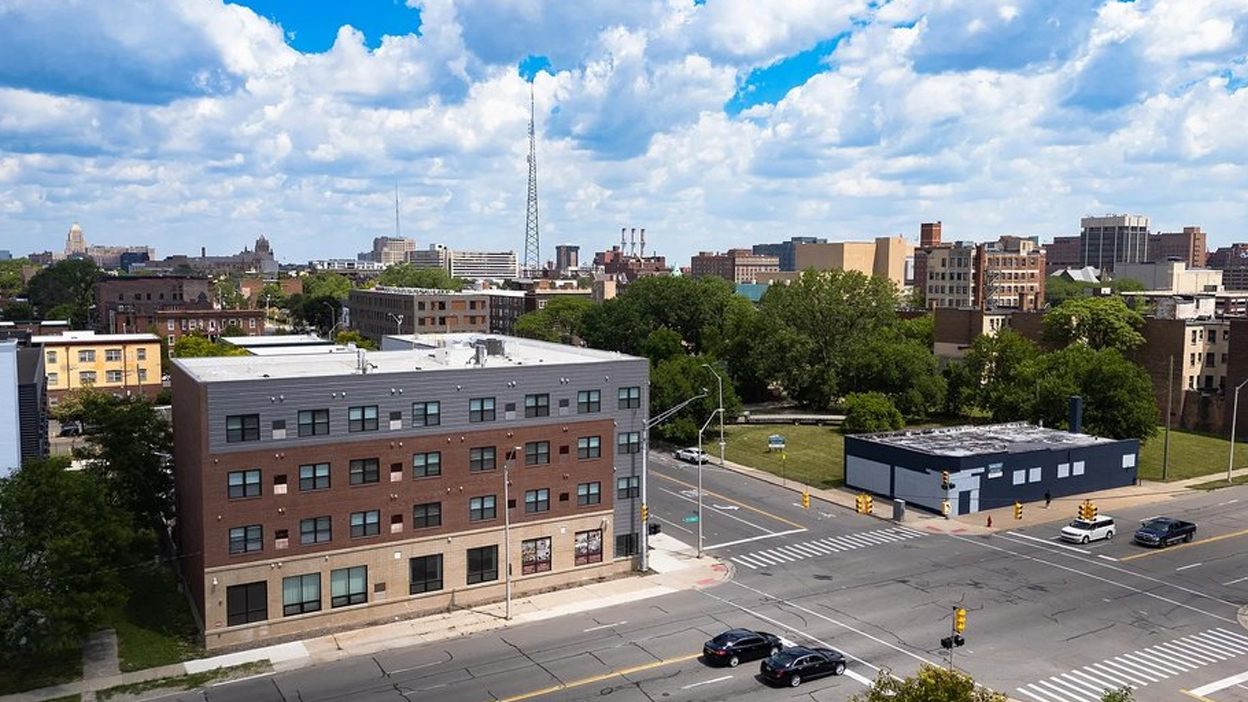
What You Can Learn in a Weekend
- Pace of life: You’ll see how busy or quiet areas are at different hours — morning rush, afternoon lulls, and nighttime buzz.
- Transportation realities: Try driving, transit, biking, or walking to judge what fits your lifestyle. You’ll notice traffic patterns, parking availability, and mobility options.
- Local culture and identity: Witness Detroit pride through Motown heritage, African American history, public art, community festivals, and sports enthusiasm.
- Neighborhood variety: Understand differences in density, housing types, social atmosphere, and street activity between core areas and residential zones.
What You Cannot Fully Understand
- Long-term community integration: Building local relationships, grasping neighborhood politics, or safety trends require extended time and deeper connections.
- Schools: Quality and fit vary widely; research on specific districts or charter options is essential beyond a weekend visit.
- Housing market: Trends in prices, conditions, taxes, and seasonal effects need long-term study and professional advice.
- Winter and seasonal challenges: A short visit usually misses how cold months influence commuting, outdoor activity, and social life.
Tips for Planning Your Weekend in Detroit
When to Visit
Aim for mid-April through early October for pleasant weather, outdoor events, and full access to parks and markets. Avoid holiday weekends to experience typical local life without crowds or closures.
Where to Stay
Reserve lodging in downtown or Midtown for immersion in walkable neighborhoods near shopping, museums, restaurants, and transit. Look for places with parking if you rent a car.
How to Get Around
Rent a car if you plan to explore multiple neighborhoods, especially areas like Belle Isle or Hamtramck. For central Detroit, use walking, rideshare, and bikeshare to get a local feel and avoid parking hassles.
Balanced Itinerary
Plan 1–2 main activities per day, such as visiting Eastern Market or Belle Isle, and leave time for casual wandering, grocery runs, or café breaks. Prioritize errands and neighborhood strolls to simulate real living over ticking off tourist sites.
Booking and Prep
- Ensure your hotel or rental has parking if driving.
- Reserve your rental car, transit passes, or bikeshare passes ahead of time.
- Consider a guided walking or architecture tour early in your weekend to gain historical context and ease navigation.
Conclusion
Spending a weekend in Detroit before moving offers invaluable firsthand exposure to daily life, transportation, and neighborhood diversity. This practical experience lets you see beyond stereotypes and polished images, helping you test your own comfort with Detroit’s rhythms and community culture.
By walking through markets, parks, residential streets, and enjoying local food and events, you’ll gain grounded insight into what living in Detroit truly feels like. This approach supports more confident, informed relocation decisions rooted in authentic community experience — an essential step toward making Detroit your new home.