Planning a weekend getaway to explore Jacksonville before relocating can be an invaluable step in making the right moving decision. This travel guide covers exactly how to spend a weekend in Jacksonville before you move, helping you experience daily life, neighborhoods, transportation, and community firsthand. Jacksonville, Florida, holds the unique title of the largest city by land area in the continental United States. This vast size means each neighborhood feels like its own distinct town, presenting a broad range of lifestyles and atmospheres to discover.
A well-planned two-day visit offers a realistic preview of Jacksonville’s rhythms—showing you how locals live, commute, shop, and relax. Jacksonville’s urban-coastal blend delivers a rare mix of big-city amenities alongside more laid-back beach culture. From its more than 22 miles of beaches to vibrant historic urban districts, this city offers a spectrum of living experiences, all under the warmth of around 270 sunny days a year. This travel guide is designed so you can test-drive Jacksonville’s practical livability before committing to a move.
Why a Weekend Visit Helps Before Moving to Jacksonville
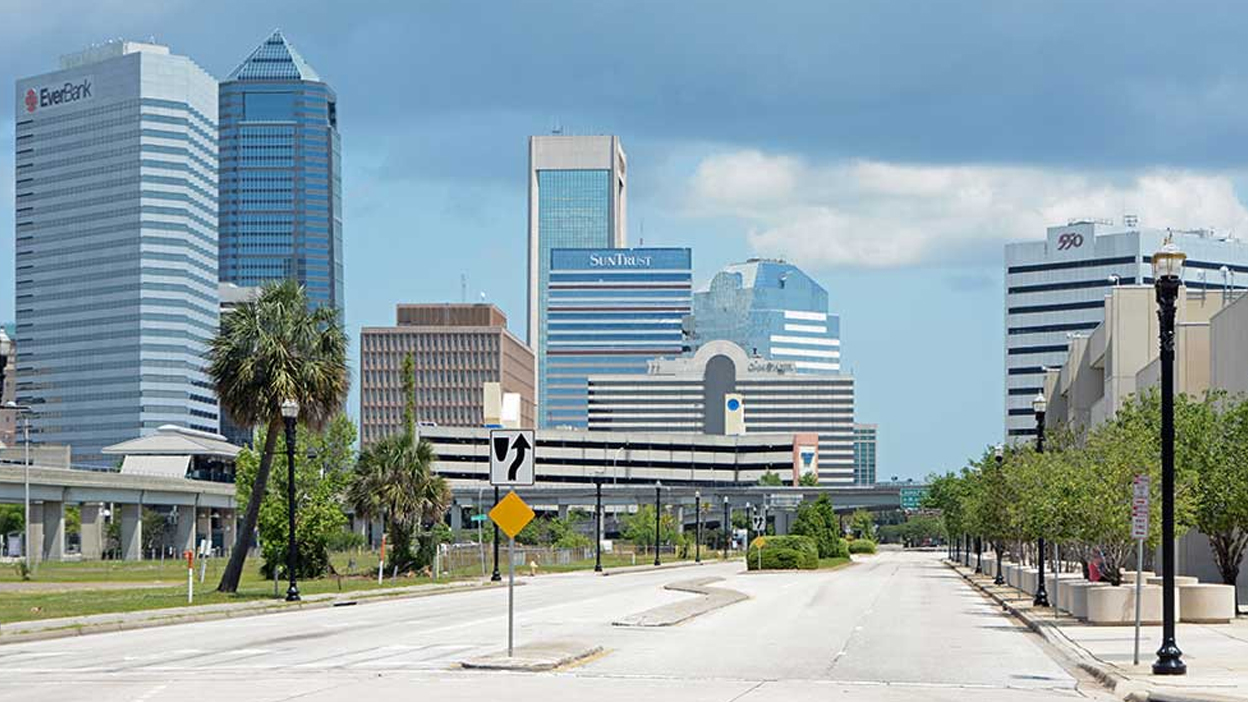
Taking a weekend in Jacksonville before moving allows you to take the city’s pulse beyond tourist spots. Jacksonville offers a harmonious marriage between its relaxed coastal lifestyle and an active urban core full of festivals, sports, and cultural events. Sampling this blend firsthand clarifies where you feel most at home.
Transportation is a critical factor to test during your trip. Jacksonville is notably car-dependent, with sprawling neighborhoods linked by highways like I-95 and JTB (State Road 202). Testing actual commute times on weekend traffic patterns, including bridges like Matthews and Dames Point, will help you assess whether you’re comfortable driving in this city. Moreover, trying out Jacksonville’s public transit options — the JTA bus system and the limited Skyway downtown — will give insight into your future transportation needs.
Neighborhood contrasts are particularly important to experience in person. The beach communities — Jacksonville Beach, Neptune Beach, Atlantic Beach — boast vibrant surf culture and casual dining. In comparison, historic urban districts like Riverside and San Marco feature tree-lined streets, artsy shops, and walkable village centers with strong community ties. Suburban areas such as Mandarin and Southside offer more car-dependent, family-oriented living, with access to schools and shopping.
Finally, a weekend visit unveils the community atmosphere: do locals in your preferred area greet strangers with warmth? Do they participate actively in neighborhood events or leisurely weekends out at parks and pubs? These insights are key pieces in your moving puzzle.
Day 1: Getting a Feel for Everyday Life in Jacksonville
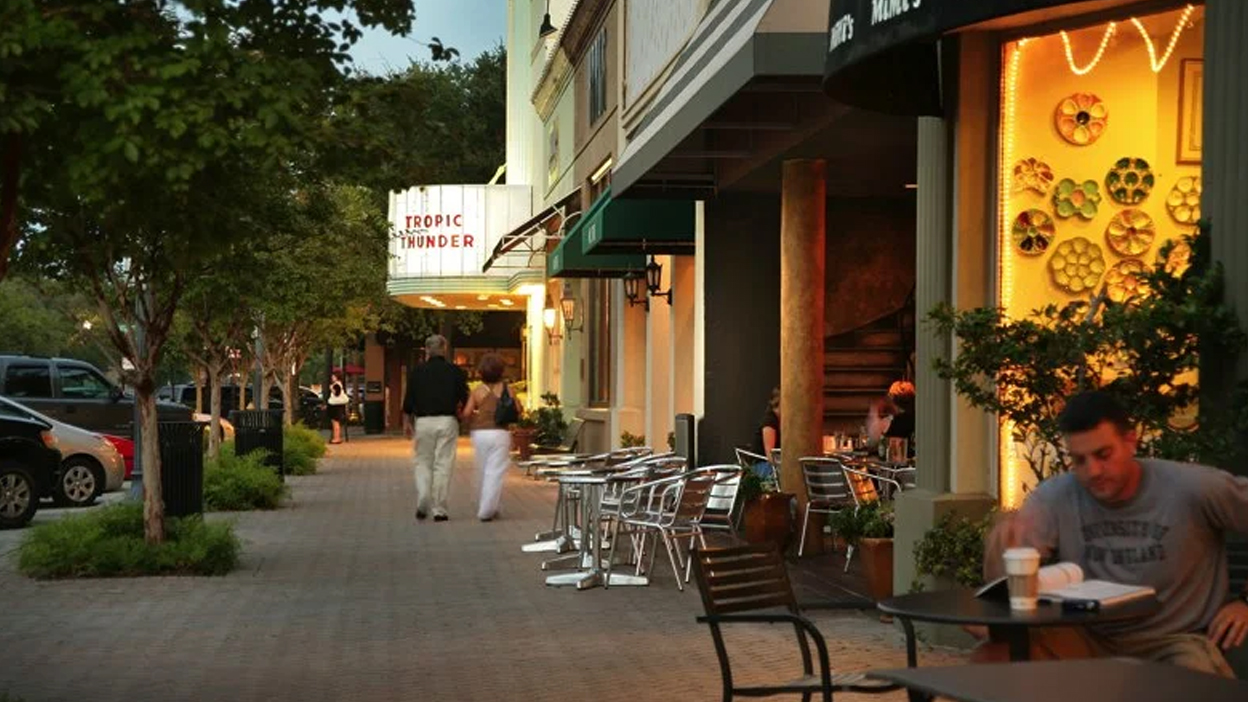
Morning: Local Cafés in Riverside or San Marco
Start your Jacksonville weekend itinerary in one of the city’s most walkable and charming neighborhoods: Riverside or San Marco. Riverside is known for its historic streets shaded by large oaks, the weekend Riverside Arts Market, and scenic riverfront parks. Here, you’ll see locals enjoying coffee shops and breakfast spots bustling with remote workers, students, and families. Watch how parking flows, listen to the mixture of accents, and observe how approachable the atmosphere feels.
San Marco offers a different vibe. With its Italian-inspired architecture and quaint village plaza centered around the iconic Three Lions fountain, San Marco feels like a small town within a big city. Walking the sidewalks, popping into boutique shops and local bakeries provides a window into the morning routines of Jacksonville’s urbanites.
This part of your visit captures key aspects of how to spend a weekend in Jacksonville before you move: assess walkability, discover demographic mixes, and gauge the ease of daily errands and socializing in a lively community setting.
Historic Urban Districts
Riverside, Avondale, San Marco, and Springfield offer tree-lined streets, historic architecture, arts markets, and independent shops. These walkable communities attract professionals and culture seekers wanting proximity to downtown amenities alongside local flair. Their well-preserved character contributes greatly to Jacksonville’s distinct identity.
Suburban Family Areas
Southside, Mandarin, Orange Park, and parts of Northside provide planned subdivisions with larger homes, family-oriented amenities, and school access. These car-dependent neighborhoods have extensive shopping hubs and parks suited for families, tradespeople, and commuters seeking space and convenience outside the urban core.
Urban Centers
Downtown and nearby riverfront districts offer proximity to museums, professional sports (Jacksonville Jaguars stadium), festivals, and redevelopment projects. Residents here enjoy events and cultural institutions but navigate an evolving downtown atmosphere with some quieter residential pockets.
What a Weekend in Jacksonville Can and Can’t Tell You
What a Weekend Can Reveal
- The pace of life: how busy streets, parks, and public places feel at different times of day and on weekends.
- Transportation realities: how comfortable you feel driving between neighborhoods, handling traffic, and finding parking, plus the usability of limited public transit.
- Neighborhood vibes: noise levels, walkability, street life, feeling of safety, and local demographic mixes.
- Community feel: friendliness, resident interactions in parks, pubs, and markets, plus cultural engagement.
What a Weekend Can’t Fully Reveal
- Long-term affordability: A weekend snapshot doesn’t fully capture housing price trends, insurance, utilities, or overall cost of living.
- Job market fit: Evaluating professional opportunities requires broader research, interviews, and networking beyond a quick stay.
- School quality and fit: This demands specific school visits, parent feedback, and understanding zoning beyond surface impressions.
- Seasonal and weather impacts: Hurricanes, summer heat, and humidity, or winter cold snaps need longer experience to truly gauge.
Tips for Planning Your Weekend in Jacksonville
- Best times to visit: Aim for spring or fall when the weather is comfortable, beaches are pleasant, and signature events like the Jacksonville Jazz Festival or Springing the Blues abound.
- Accommodations: Stay downtown or near San Marco for city access and easy drives to the beach. Alternatively, choose Jacksonville Beach or Atlantic Beach if coastal living is a priority.
- Transportation: Rent a car to test daily commutes and errands efficiently across Jacksonville’s sprawling landscape. Use public transit or rideshare once or twice to assess their real-world practicality.
- Light experiences: Include a kayak or boat rental, guided historic walking tours of Riverside or San Marco, and visits to top attractions like the Jacksonville Zoo and Riverside Arts Market to immerse yourself in local life.
- Frame your logistics as test runs: See accommodation, car rental, and chosen activities as simulations of your future lifestyle—including commuting, grocery shopping, and evening outings.
Conclusion
Spending a weekend in Jacksonville before moving won’t answer all your long-term questions, but it offers essential clarity about shape, pace, and feel. This quick yet immersive visit helps you decide if you prefer beach, urban, or suburban living. It tests your personal tolerance for driving distances, daily rhythms, and climate.
By exploring neighborhoods, sampling local dining and nightlife, and observing community interactions in parks, libraries, and markets, you glean a genuine sense of Jacksonville’s friendliness and culture. Treat this weekend as a practical “test run” using authentic local stays, transportation, and activities designed to build confidence about whether Jacksonville feels like home before you make your move.