Moving to a new city is a big decision, especially when that city is as unique and complex as San Francisco. Knowing how to spend a weekend in San Francisco before you move can be a crucial step in understanding if the city’s lifestyle, neighborhoods, and transportation options fit your needs. A short trip isn’t about hitting every tourist spot; instead, it’s an opportunity to experience San Francisco’s everyday life, observe local rhythms, transit usage, and get a real sense of which neighborhood might become home.
This blog offers a practical SF weekend itinerary designed for people scouting the city before relocating. It’s not your typical travel guide focused on landmarks or attractions. Instead, it emphasizes a realistic experience of living in San Francisco, aiming to equip you with insights to make more informed decisions.
San Francisco is a compact city of about 7 by 7 miles, yet it contains sharply contrasting microclimates, cultural pockets, and transit realities. This guide breaks down what to do over two days to sample the city’s diverse atmospheres and practical features you need to consider before moving.
Why a Weekend Visit Helps Before Moving to San Francisco
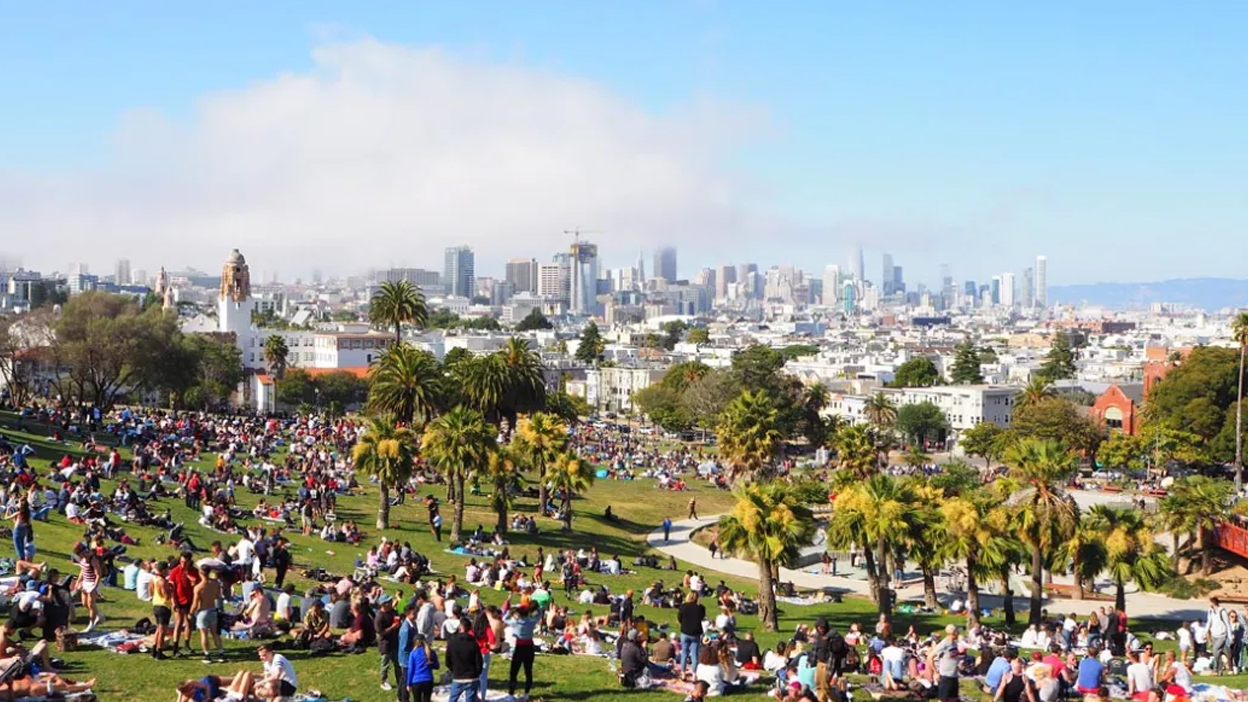
San Francisco might be small in size, but its neighborhoods couldn’t be more varied. From dense, bustling urban centers to quiet residential enclaves, the city offers a wide range of lifestyle options.
Diverse Neighborhoods and Urban Density
Neighborhoods like SoMa (South of Market) and the Mission District represent a highly urban, walkable environment full of new apartments and vibrant nightlife. Other areas, such as Outer Sunset and Bernal Heights, provide a calmer, family-friendly atmosphere with more single-family homes and parks. A weekend visit allows you to experience these contrasts firsthand, essential for assessing where you might fit best.
Understanding the Local Pace of Life
San Francisco’s pace varies dramatically by area. In central neighborhoods like Hayes Valley or SoMa, mornings see people hurrying to work, grabbing coffee, or attending outdoor fitness classes. Residential zones like Bernal Heights or Noe Valley slow down in the afternoons, with families in parks and neighbors chatting on the street.
Getting a sense of this rhythm helps you understand which pace matches your lifestyle — whether you thrive in a buzzing urban hub or prefer a quieter, community-driven neighborhood.
Transportation Realities
How you get around San Francisco can differ widely depending on where you live. Parking is notoriously tough in dense neighborhoods like Downtown and the Mission, making public transit, biking, or walking more popular choices. Meanwhile, outer neighborhoods such as Richmond or Outer Sunset tend to offer more parking availability, but commutes may be longer.
Using this weekend to try Muni buses, BART trains, and, optionally, a rental car gives you a practical overview of daily transit options and how realistic a car-free lifestyle might be for you.
Neighborhood Vibes and Cultural Diversity
San Francisco is a cultural mosaic. Areas like the Mission District showcase Latino heritage alongside a growing tech presence, while Richmond and Outer Sunset feature vibrant Asian communities and a surf culture vibe. Walking the streets, hearing different languages, and observing local businesses brings home how diversity shapes daily life.
Experiencing Community Attitudes
Finally, a weekend lets you glimpse the city’s community spirit. Are residents friendly? Do neighborhoods host regular social events, outdoor fitness activities, or farmers’ markets? Are parks busy with families or dog walkers? This exposure helps you gauge how you might connect to local culture and feel at home.
Day 1: Getting a Feel for Everyday Life in San Francisco
Your first day in the city should be about immersing yourself in typical resident routines, starting centrally and moving toward residential neighborhoods by afternoon and ending with local dining options in the evening.
Morning: Central, Walkable Neighborhoods to Observe Daily Life
Begin between 8 and 10 a.m. in a neighborhood known for walkability and vibrant local life, such as Hayes Valley, SoMa, or Lower Haight/Duboce Triangle.
Find a café where you can settle in and observe. Note the variety of patrons—families grabbing coffee before school, remote workers on laptops, and commuters heading to transit stops. Pay attention to transportation methods: How many people walk, bike, or scoot? How many drive or take transit? What’s the noise level, and how’s the neighborhood energy?
Hayes Valley stands out for its mix of modern apartments, boutique shops, and outdoor fitness classes, offering a lively yet neighborly atmosphere. SoMa is dominated by office workers and downtown commuters and delivers a distinctly urban vibe with newer condo developments. Meanwhile, Lower Haight balances a slightly quieter residential feel with easy transit access.
Highlights:
- Rich multicultural influences visible in food scenes and languages.
- Strong community ties with local markets and cultural institutions.
- Less touristy, more “local resident” vibe.
- Varied housing types and neighborhood characters mixed with affordability.
Visiting these districts reveals authentic San Francisco flavors important for cultural fit.
Commuting and Lifestyle Implications
Urban hubs afford short commutes to tech and downtown jobs but at a higher cost and parking difficulty.
Residential neighborhoods offer parking and space but potentially longer commutes and varying microclimates.
Culturally diverse areas bring vibrant local businesses and community but require assessing amenities and commute trade-offs.
Talk to locals like baristas or shop owners to glean deeper insights into a neighborhood’s character. Check bulletin boards or community centers for events and gatherings to gauge social life.
What a Weekend in San Francisco Can and Can’t Tell You
What You Can Learn in a Weekend
Your short trip lets you experience:
- The pace of daily life throughout morning rush hour, midday calm, and evening nightlife.
- Transit usability, walkability, and car practicality in different areas.
- Noise levels, street cleanliness, microclimates, and cultural demographics.
- The lifestyle balance between family-friendly parks and nightlife scenes.
This practical exposure helps form a realistic picture of living in San Francisco, not just visiting.
What a Weekend Cannot Fully Reveal
However, two days won’t give you:
- A thorough understanding of San Francisco’s notoriously high cost of living, including rent, utilities, and taxes.
- How easy it is to build a social network or fully integrate into community life.
- The realities of the employment market, remote work options, and office commute burdens.
- The complexities of the housing market, such as bidding wars, landlord conditions, and school district benefits.
To compensate, combine your weekend trip with online research on housing costs, crime, schools, and commute times. When possible, arrange a longer follow-up stay in your preferred neighborhoods through a short-term rental to gather deeper insights.
Tips for Planning Your Weekend in San Francisco
Best Time to Visit
- Avoid major holidays and peak tourist seasons when the city’s locals might be away.
- Aim for spring or early fall for a balanced atmosphere — not the foggiest or hottest times.
- Remember that microclimates cause variation: Western neighborhoods are cooler and foggier, eastern areas sunnier.
Where to Stay
Book short-term rentals or hotels in Hayes Valley, Nob Hill, SoMa, Marina, or near downtown to ensure walkability and transit access.
Getting Around
- Purchase Muni day or multi-day passes to freely use buses, streetcars, and light rail.
- Reserve a car rental for one day for outer neighborhoods like Richmond or Outer Sunset to test parking and driving logistics.
- Try bike or scooter shares in flatter regions such as Marina or Hayes Valley to evaluate active commute options.
Structuring Your Stay
- Limit your itinerary to exploring 2–3 neighborhoods per day.
- Give yourself time to sit in cafés, parks, and transit trips without rushing.
- Set observational goals:
- Can you walk easily to necessary shops and transit stops?
- What’s the neighborhood like after sunset?
- How comfortable are you with daily commutes here?
Practical Bookings
Remember to:
- Book your short-term stay in advance for the best neighborhood choices.
- Reserve your car rental day early.
- Purchase Muni passes ahead of time to avoid wait times.
Conclusion
Learning how to spend a weekend in San Francisco before you move gives invaluable real-life perspective needed to choose the right neighborhood and lifestyle fit. By following this careful SF weekend itinerary — focusing on daily routines, commuting, local culture, and evening vibes — you gather tangible insights beyond glossy travel guides.
Pairing this focused scouting trip with deeper research on housing costs, schools, and long-term visits dramatically increases your confidence and readiness for a successful move. San Francisco’s distinct microclimates, transit patterns, and cultural fabric reveal themselves best through real experience—and a well-planned weekend is the perfect start.
Planning your move thoughtfully means fewer surprises and a smoother transition into one of America’s most fascinating urban environments.
Ready to explore San Francisco with this insider itinerary? Book your short-term rental, plan your transit passes, reserve a car day, and start discovering the city where you might soon call home.