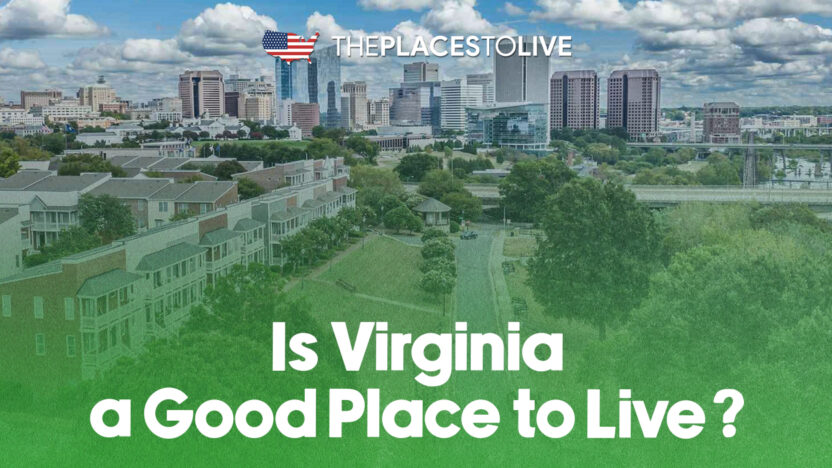
When asking the question, “Is Virginia a good place to live?” the answer always depends on who you are—and what you want from your everyday life. This question doesn’t yield universal truths grounded in numbers or rankings. Instead, it hinges on the fit between Virginia’s rhythms, values, and daily flows and your personal lifestyle preferences and long-term expectations.
Living in Virginia is about experiencing patterns of life shaped by geography, culture, work routines, and community styles unique to this state. This article offers grounded, experience-based insights to help you decide if the Virginia lifestyle aligns with your values as you consider moving to Virginia. Rather than focusing on cities, costs, or statistics, the goal is to explore broad impressions of life across different regions, aiming to portray who tends to feel comfortable living in Virginia, and who might face challenges fitting in.
What Living in Virginia Generally Feels Like
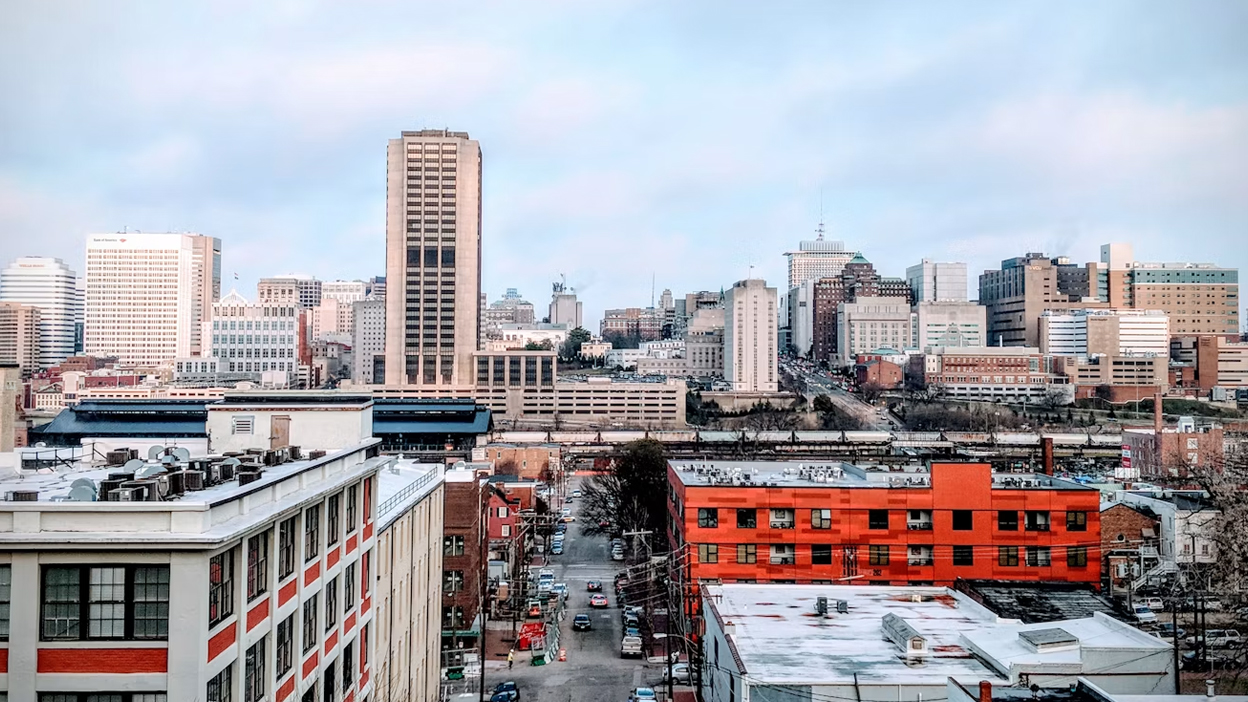
Virginia’s overall pace is neither hurried urban chaos nor sleepy rural isolation but strikes a balanced rhythm that many residents find steady and manageable.
In many parts of the state, especially rural areas and small towns, life moves at a slower, more relaxed pace. Here, daily patterns unfold in connection with the land and seasons—a morning might begin with a quiet drive through open countryside, followed by work punctuated with outdoor breaks when weather allows. In contrast, busier corridors and regions closer to economic hubs tend to have a livelier tempo, with residents more actively engaged in commutes, errands, and social activities. Yet even in these zones, the frantic hustle common to very dense urban centers rarely takes hold.
Part of this rhythm comes from Virginia’s distinctive geography, which creates a feeling of expansive space across the state. Distances between communities can stretch, and travel often requires planning. While some commutes are inevitable, infrastructure like toll roads, commuter trains (such as the VRE), and regional transit help manage these flows without tipping into overwhelming congestion. This plays into residents’ day-to-day routines, enabling many to balance travel with other priorities while maintaining a grounded sense of place.
Virginia’s diverse landscape—from the Appalachian Mountains in the west through rolling Piedmont and countryside to coastal plains and beaches—further shapes daily life. This natural variety encourages residents to integrate the outdoors into their routines, with flexibility for seasonal changes. Mild springs and falls invite outdoor walks and weekend hikes; winters call for more indoor-focused habits; summers often revolve around water and mountain escapes. Combined with distinct built environments—from small farms to suburban neighborhoods and moderate urban centers—this context supports a Virginia lifestyle that feels rooted in both space and time.
In summary, living in Virginia generally conveys a mixed but steady rhythm, where routines adapt according to regional environment but maintain a foundational balance, appealing to those who prefer neither constant bustle nor complete stillness.
Community, Culture, and Social Atmosphere
Virginia’s social atmosphere is often described as a blend of traditional reserve and practical openness. Interactions tend to reflect Southern hospitality’s polite, community-oriented roots, tempered by an everyday pragmatism that values stability over showiness.
Many areas of Virginia carry the imprint of deep historical roots. Longstanding communities often uphold traditions and social codes that create a measured, respectful tone in neighborhood and social life. This does not mean insularity or rigid formality but rather a willingness to engage with others in a manner that respects privacy and intimacy. At the same time, parts of Virginia experience considerable diversity—from multicultural influences in more developed regions to migration-driven changes—that enrich the cultural tapestry without necessarily producing highly visible or continuous social extroversion.
Socially, Virginia is a good fit for those valuing communities that blend traditional values with openness. Its combination of history-steeped neighborhoods and evolving cultural diversity creates environments where neighborliness is genuine but not intrusive, suitable for residents who want friendly yet grounded social atmospheres.
Finally, people who prioritize proximity to nature balanced with practical conveniences often find satisfaction here. The seasonal natural beauty, green spaces, and variety of landscapes can accommodate outdoor enthusiasts and those who enjoy regular exposure to varied environments.
In sum, those asking “Is Virginia a good place to live?” often find that the state fits well when their priorities include regional diversity, moderate pace, community stability, and a connection to nature embedded in everyday living.
Who Might Struggle Living in Virginia
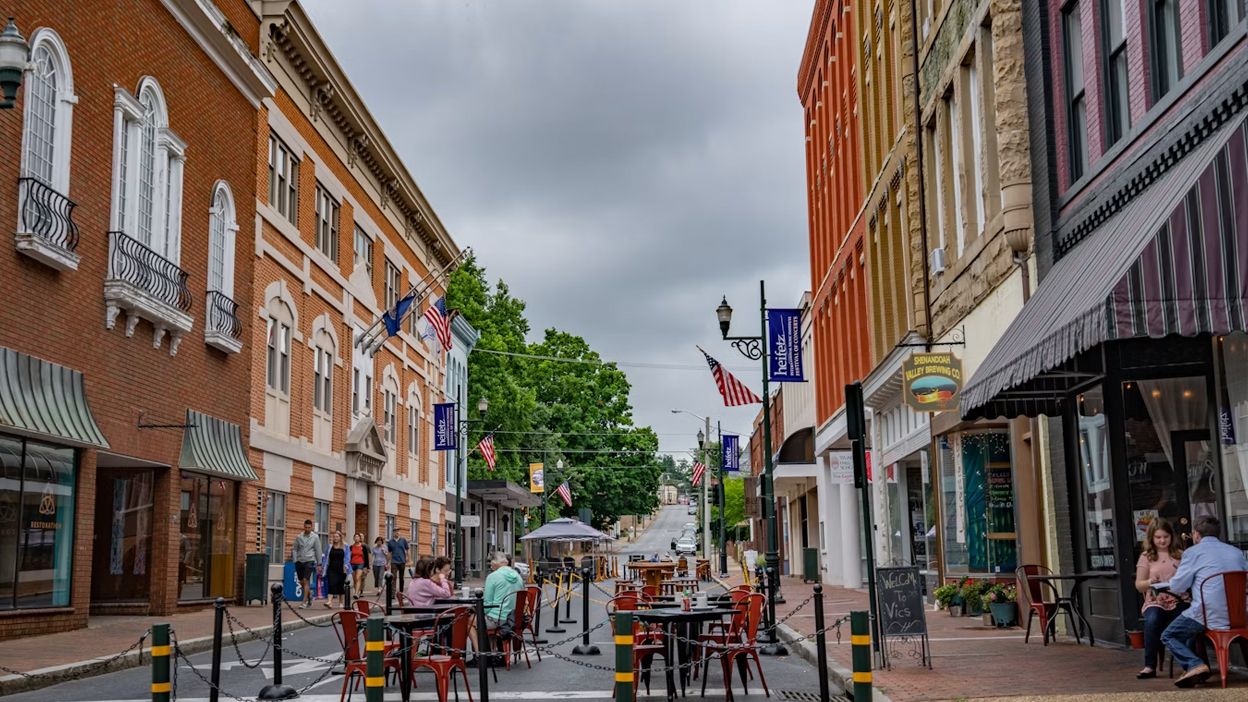
Virginia’s particular lifestyle patterns may present challenges for some people, notably when expectations diverge significantly from the state’s characteristics.
Individuals seeking fast-paced, high-density urban living with nonstop activity might find Virginia’s tempered rhythms and regional variety less appealing. The state lacks any single city-scale urban core that delivers uniform, relentless energy, instead offering moderation and spatially varied intensity.
Those who hope for zero-commute lifestyles or minimal daily travel may experience friction with Virginia’s geographic spread. Many areas require regular travel via toll roads, commuter trains, or highways; complete avoidance of daily driving or transit is uncommon except in limited zones.
People desiring cultural uniformity might find the patchwork of Virginia’s social tones—shaped by history, migrations, and regional differences—disorienting. The state’s layered and diverse heritage resists simple cultural categorization, resulting in social environments that range widely in traditions, openness, and demographic composition.
Additionally, individuals at budget extremes may face hardships. Certain premium areas in Virginia come with elevated costs for housing, goods, and services. Those unprepared for these dynamics or expecting uniformly low costs may struggle with the variation between rural and more developed zones.
Ultimately, challenges in living in Virginia often stem from mismatched expectations about pace, travel, community character, and economic accommodation rather than shortcomings inherent to the state itself.
Conclusion
The answer to “Is Virginia a good place to live?” lies less in objective measurements and more in how well your personal lifestyle preferences align with Virginia’s unique blend of rhythms, spaces, and community styles.
Reflecting on your tolerance for pace, your comfort with commuting or hybrid work patterns, and your preference for social atmosphere is crucial. Virginia offers a balanced, place-rooted lifestyle that suits those who appreciate regional variety, moderate travel, community grounded in both tradition and openness, and a connection to nature amid developed conveniences.
Satisfaction with living in Virginia arises primarily from this subjective fit. By understanding the state-level lifestyle patterns presented here—free from city-specific or numerical distractions—you can better assess whether the Virginia lifestyle resonates with your values and long-term goals as you consider moving to Virginia.
Ultimately, Virginia is a place where many find a practical blend of environment, work, and community that supports steady routines and adaptable lives, but it is not a one-size-fits-all setting. Your comfort depends on how well your rhythms match those of the state’s diverse regions and cultures.