
When asking, is Washington DC a good place to live? the answer is anything but universal. It depends heavily on an individual’s lifestyle, career goals, and personal preferences. The city’s distinctive rhythm—deeply rooted in its political and professional sectors—mingles with a structured but energetic daily flow, shaping what living in Washington, D.C. truly feels like. Recognizing the living in DC pros and cons requires looking beyond superficial attributes to the core factors influencing life here: career aspirations, social engagement, and how the metropolitan environment fits with personal routines.
Washington, D.C. is known for its role as America’s capital. But the question of living here goes further than geography; it hinges on how the city’s unique pulse aligns with your everyday life and longer-term ambitions.
What Daily Life in Washington, D.C. Actually Feels Like
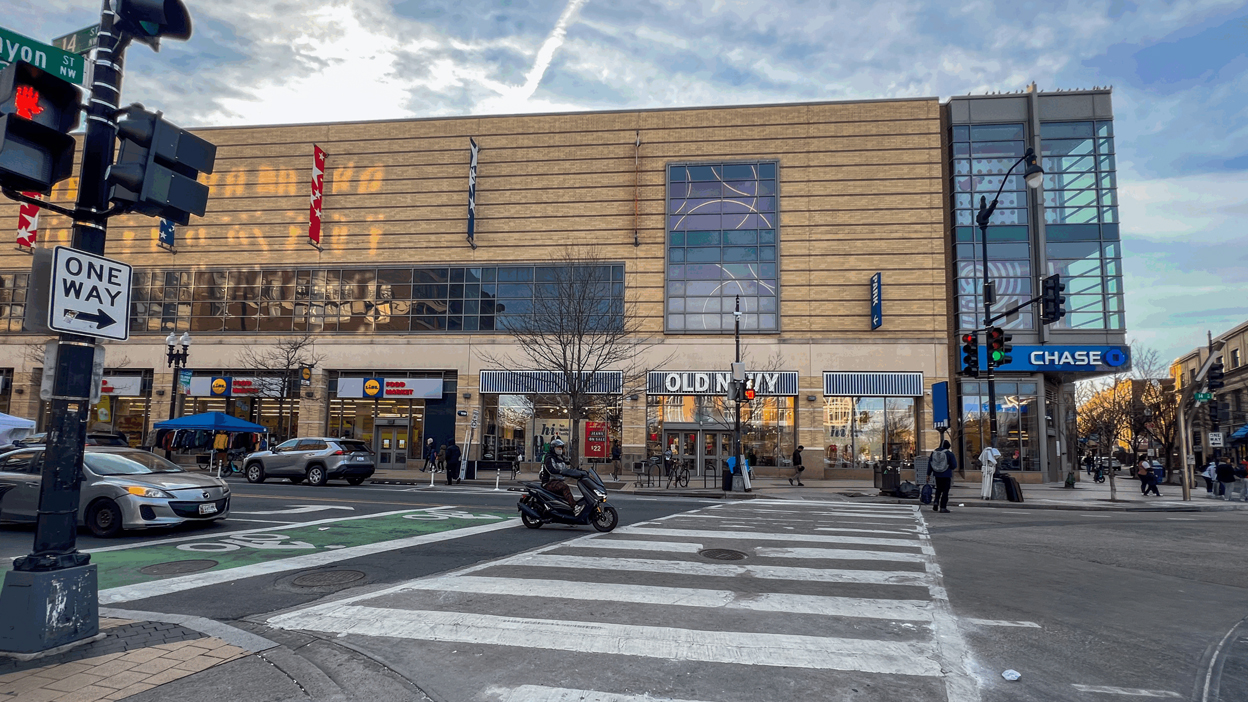
Living in Washington, D.C. means participating in a city where daily life is both energetic and orderly. The days are shaped largely by political cycles and professional demands, creating an environment where weekdays typically follow a purposeful, tightly scheduled pattern. Commuters navigate the Metro and roadways toward offices often located near Capitol Hill or other federal hubs, while private sector professionals adhere to similarly demanding routines.
Weekends in the city offer a shift. Areas like U Street come alive with cultural events, nightlife, and dining that reflect the city’s diverse identity. Here, the historic jazz clubs and international cuisine draw both locals and visitors. Meanwhile, Capitol Hill maintains a high energy level, with government workers and residents frequently engaging in events or neighborhood gatherings. In outer neighborhoods, the pace tends to moderate, allowing for more relaxed weekends among green spaces and community-oriented activities.
The city’s tempo varies noticeably by neighborhood choice, influencing how is Washington DC a good place to live feels in practice. Georgetown, for example, is known for its constant activity and tight-knit but bustling community, mixing dense retail and dining scenes with historic charm. Adams Morgan, by contrast, presents a more moderate vibe, appealing particularly to young professionals seeking a blend of cultural richness with a relatively flexible lifestyle. Here, condos and smaller apartment complexes soften the relentless pace, creating pockets of pause amid the urban buzz.
Overall, the rhythm here is tied closely to your neighborhood and routine—whether that means an ever-energetic scene or a more measured approach to the urban environment.
The Social and Community Atmosphere
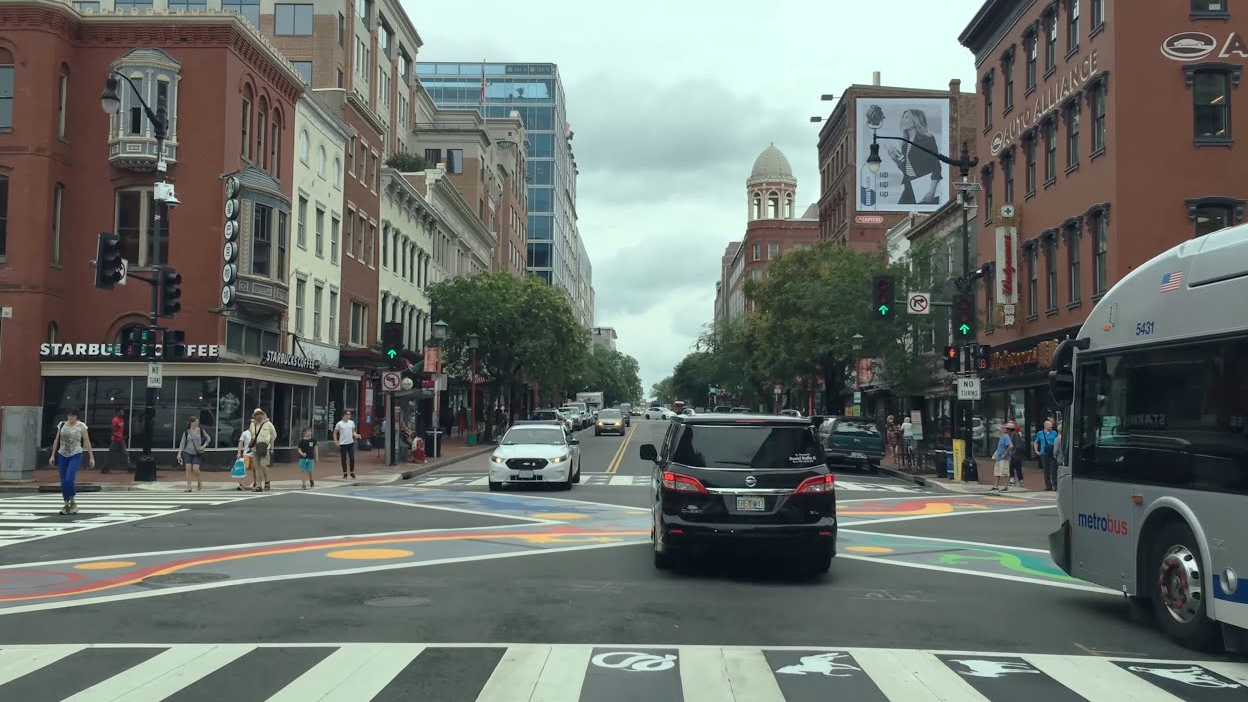
The social fabric of Washington, D.C. is richly layered and varied. Communities form around political engagement, creative pursuits, and international influences, reflecting the diverse populations drawn to the city. Adams Morgan stands out as a creative hub where local artists, musicians, and cultural activists blend with long-term residents and newcomers. U Street carries a historic international flavor, its dining options and jazz venues telling stories of past and present cultural intersections.
Young professionals or singles in neighborhoods filled with condominium developments, like Navy Yard, often align well with the city’s pace and resources. These areas offer a blend of career opportunity and lifestyle amenities, from waterfront access to social venues, enabling a balance between work intensity and personal life.
Residents who proactively build social networks and appreciate living with an awareness of the city’s distinct professional pulse often describe greater levels of satisfaction. The option for occasional quiet moments in neighborhood parks or less hectic districts complements their urban rhythm.
Where living in DC pros and cons fit into this picture depends on the match between individual preferences for engagement and the city’s inherent demands.
Who Might Struggle Living in Washington, D.C.
Conversely, Washington, D.C. can feel challenging for those seeking a slower, more predictable day-to-day lifestyle. The city’s notable political intensity and constant flux may prove uncomfortable for residents yearning for long-term neighborhood roots or stable social environments.
Many find frustration in the city’s high living costs and frequent residential turnover. These factors, combined with the transient population, can complicate efforts to establish lasting community bonds or patterns. For families or individuals prioritizing stability over change, D.C.’s environment may seem less accommodating.
Additionally, the pervasive political atmosphere and professional focus may wear on those reluctant to engage with or even be exposed to the city’s dominant cultural themes. The balance between work and personal life might lean heavily toward work for many residents, which can be taxing depending on profession and neighborhood.
These difficulties highlight important living in DC pros and cons, underscoring that the city’s pace and culture are not universally comfortable.
Conclusion
Ultimately, deciding is Washington DC a good place to live is a deeply personal judgment. It calls for honest reflection on one’s career aspirations, preferred lifestyle rhythms, and social engagement needs. The city’s dynamic political and professional backdrop, combined with its high costs and complex social fabric, presents unique opportunities and challenges.
For those aligned with its fast-moving professional pulse and urban trade-offs, Washington, D.C. offers a vibrant and multifaceted environment. For others, the city may require compromises or feel incompatible with longer-term lifestyle goals.
Understanding living in DC pros and cons means assessing how your daily preferences and priorities resonate within this capital city’s structured yet energetic life. Deciding whether it fits your needs takes more than surface observation—it demands consideration of your place in the city’s ongoing narrative.