Choosing where to live within Alabama is less a matter of labeling one city as better than another and more about discovering which urban environment aligns best with your personal lifestyle preferences. Alabama’s cities, diverse in their geography, culture, and history, offer distinct daily rhythms and community experiences that shape what life feels like from day to day.
Within this tapestry, Mobile stands out as the state’s only saltwater port city, infused with a coastal atmosphere and rich Southern heritage. These qualities give Mobile a unique identity among Alabama’s urban centers, from its maritime culture to its social traditions and environmental rhythms. This exploration aims to reflect on the differing experiences of living in Mobile Alabama compared to other cities across the state, offering insight into how location influences daily life without direct ranking or competition.
Daily Pace and Environment Differences
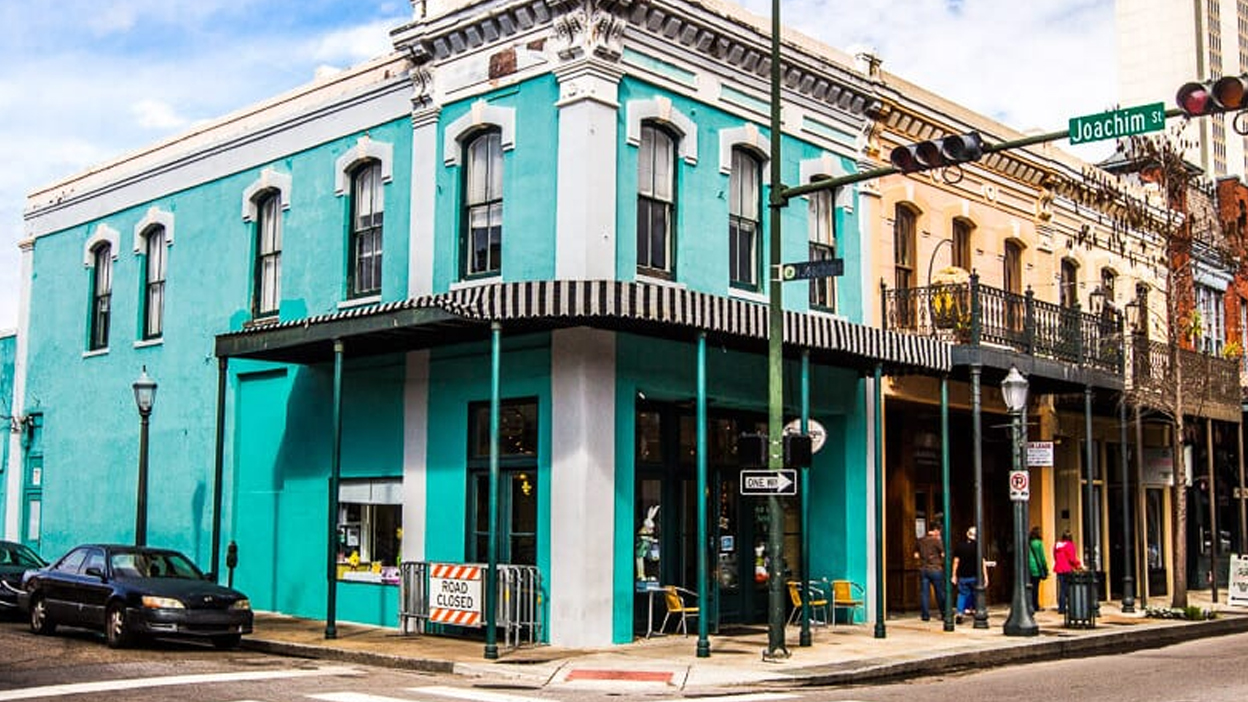
Living in Mobile Alabama means immersing oneself in a daily pace marked by the influence of the nearby Gulf of Mexico. The coastal setting softens weather extremes, bringing milder winters and the occasional sultry humidity characteristic of southern shores. This natural environment fosters a moderately relaxed tempo, with rhythms shaped by the ebb and flow of port activity and maritime culture. Waterfront leisure, fishing, and boating form natural extensions of everyday life, and there is a sense that the city’s heartbeat is tethered to tides and shipping schedules.
This coastal atmosphere naturally contrasts with the experience of those living in Alabama’s inland cities. Here, geography and local heritage steer the tempo in different directions. Some inland communities carry an industrial legacy or the energy of large university campuses, infusing daily life with a briskness or dynamism often absent along Mobile’s gentler waterfront. The interior urban environments vary broadly—from areas shaped by dense residential or commercial activity to places whose local economies revolve around manufacturing or education. These factors produce community vibes that feel busier or more transitionary, with daily movement reflecting the rhythms of high commuter inflows or student populations.
While Mobile’s coastal breeze fosters a more measured pace rooted in tradition and natural surroundings, Alabama’s interior cities offer a diverse range of energetic atmospheres molded by their specific economic and cultural anchors. Understanding these distinctions helps prospective residents grasp how living in Mobile Alabama feels uniquely tied to place without implying that one experience outweighs another.
Housing and Space Expectations
Housing in Mobile reflects its layered history and coastal geography. Many neighborhoods feature historic homes nestled under canopies of stately oak trees, showcasing architectural styles that recall the city’s antebellum and early 20th-century past. These neighborhoods radiate a charm that intertwines with the waterfront lifestyle—lots tend to feel cozy, supporting close-knit communities where neighbors frequently interact. The proximity to the bay influences development patterns, resulting in a spatial arrangement that balances intimacy with access to coastal amenities, like piers, parks, and marinas.
Elsewhere in Alabama, the approach to housing can look quite different. Inland cities often demonstrate denser urban layouts, where apartment complexes and newer subdivisions comprise a larger share of the residential landscape. Architectural styles in these areas may range widely—from modern constructions aligned with recent growth to more utilitarian designs that reflect industrial or post-war influences. Lot sizes frequently respond to inland geography and zoning priorities, with more expansive properties common in outlying residential areas but tighter footprints near city centers.
By contrast, Alabama’s inland cities present social atmospheres that spring from their economic and cultural focal points. Cities bustling with commuters exude a diversity shaped by daily transitions, where social life integrates professional networks alongside residential interactions. University towns buzz with youthful energy, driven by collegiate sports, arts, and academic calendars that shape gathering places and entertainment options. Other inland communities, more residential in character, develop social patterns tied to family life and local commerce, emphasizing slower-paced but stable social engagement.
Together, these social environments illustrate the variety of community atmospheres across Alabama. Living in Mobile Alabama exposes one to a coastal cultural blend where history and festivity meet everyday interaction, contrasting with the broader mix of commuter-driven, academic, and residential social settings found inland.
Who Mobile Tends to Suit Best
Mobile’s unique combination of moderate pace, coastal heritage, and historic richness makes it especially appealing to certain lifestyles. Maritime professionals and those whose work or interests relate to the port and waterfront often find the city’s rhythms well aligned with their needs. Families who appreciate neighborhoods with longstanding character, shade from ancient oaks, and proximity to water-based recreation may also find a good fit here. Additionally, retirees drawn to a relaxed daily tempo and access to coastal amenities often feel at home in Mobile’s community fabric.
On the other hand, individuals who thrive amid denser urban tempos or seek the vibrancy of university-associated cultures might resonate more with Alabama’s inland cities. Those valuing bustling job markets, extensive commercial options, or particular residential layouts shaped by inland geography could find these settings more compatible with their lifestyle preferences. Ultimately, the choice hinges on what kind of daily rhythm and environmental setting an individual or family seeks rather than a one-size-fits-all judgment.
Conclusion
Deciding whether to live in Mobile or elsewhere in Alabama involves more than comparing amenities or labels—it calls for thoughtful reflection on your personal priorities, daily rhythms, and the trade-offs that come with different urban environments. Alabama’s cities—from its distinctive coastal ports to varied inland hubs—offer a spectrum of lifestyles shaped by geography, culture, and history.
Living in Mobile Alabama means embracing a coastal pulse enriched by maritime heritage and a social dynamism grounded in tradition. Other Alabama cities provide their own unique atmospheres, whether through the hustle of commuter networks, the energy of university towns, or the steady pace of residential communities inland. Recognizing these differences encourages a mindful approach to selecting the place where you will feel most at home, focusing on what daily experience and community feel best suit your life.
This reflective perspective on living in Mobile vs other cities in Alabama invites prospective residents to center their decision on personal comfort and lifestyle harmony over external rankings, honoring the diverse urban mosaic that defines the state’s charm.