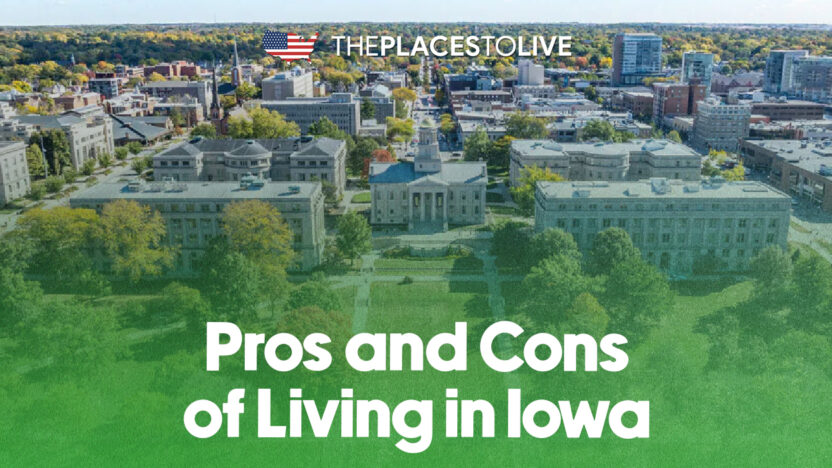
Living in Iowa means more than just residing in Des Moines or a small town somewhere in the middle of the Midwest. It stretches across a patchwork of distinct regions, from the rugged and deeply carved Paleozoic Plateau in the northeast, rich with steep valleys, woodlands, and prominent rock outcroppings, to the wide, flat glaciated plains of the northwest, where prairies like Doolittle Prairie hold some of the state’s most diverse native plant life. These varied geographies create a complex tapestry of everyday realities.
When we talk about the pros and cons of living in Iowa, we aren’t simply listing abstract positives or negatives. Instead, we explore how these intertwined factors shape daily routines, moods, mobility, social interaction, and lifestyle choices across different parts of the state. While Iowa shares some broad traits with the wider Midwest relocation trends—such as steady population patterns and increasing minority communities in certain counties—this discussion focuses squarely on Iowa’s distinctive lived conditions and how they shape life here.
The Main Advantages of Living Here
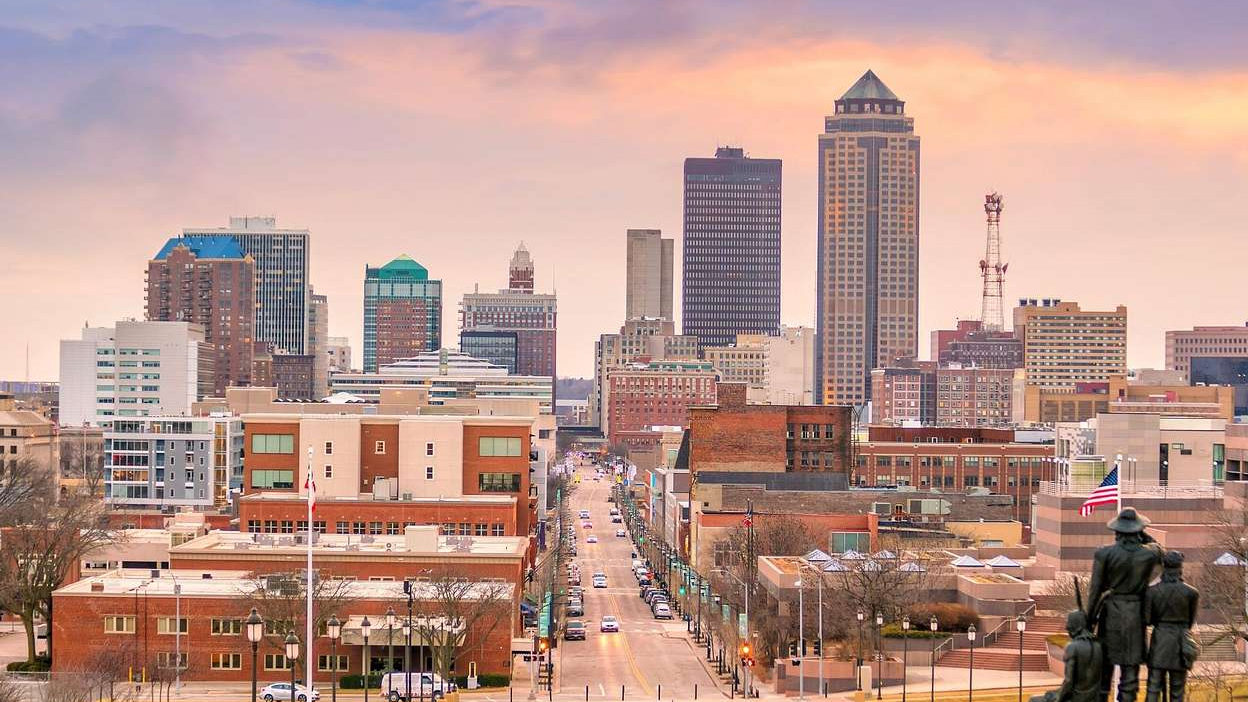
Life in Iowa tends to embrace a deliberate, steady pace that threads through its urban centers, suburbs, and rural communities alike. This calmer speed influences how days unfold. In the rural agricultural counties, mornings might begin with the predictable rhythm of farm life: tending crops or livestock, followed by a quiet afternoon broken by occasional neighborly visits or outdoor chores. By contrast, midsize cities like Des Moines or Cedar Rapids pulse with more varied social and cultural activities, offering local festivals, farmers markets, and community events that enrich daily possibilities without overwhelming pace.
Iowa’s geography amplifies these rhythms. The northeast’s Paleozoic Plateau stands out with its contrasting relief—narrow, forested valleys and rocky bluffs providing natural sanctuaries. This terrain creates cooler, moist microclimates that support northern species and offer refreshing retreats, particularly in summer. Meanwhile, the northwest’s glaciated plains present broad expanses of prairie dotted by pockets like Doolittle Prairie, where native plants thrive and open skies stretch endlessly. Across Iowa, the seasons distinctly sculpt life: winter hushes the landscape into stillness, spring and summer awaken agricultural activity and vibrant prairie ecosystems, and autumn sweeps in golden hues, setting the mood for harvest-time traditions.
Wildlife sightings enrich everyday experiences here—pheasants dart across farm fields, monarch butterflies flutter along prairies, and the buzz of insects is a familiar summertime soundtrack. These natural elements invite people outside, coloring walks, weekend adventures, and local celebrations.
At the heart of Iowa’s cultural fabric is its community spirit. Neighborliness is more than a cliché; it’s a practiced value evident in frequent local gatherings, potlucks, and the Midwest hospitality that folds new arrivals into social circles. Places like Storm Lake illustrate this evolving social dynamic well. With its growing multicultural population—Hispanic, Asian, African American, and Native residents blending with longer-established families—the town exemplifies how traditions expand to embrace new influences while maintaining a foundation of mutual support. This blend shapes social life into a dynamic but grounded experience.
The diverse environments also offer lifestyle flexibility. Life unfolds differently whether someone is nested in a small tight-knit town surrounded by rolling fields, living in a quiet suburban enclave with gentle bike paths and community parks, or participating in the livelier, more cosmopolitan tempo of downtown neighborhoods. Residents continuously adapt their daily routines to match their surroundings—choosing between early morning farm chores, urban coffee meetups, or Saturday afternoon prairie hikes.
These trade-offs shape the texture of daily life in practical and emotional ways—daily tempo, social calendars, and even moods respond to Iowa’s dynamic intersection of nature, culture, and geography.
Who Is Likely to Enjoy Living Here
Iowa suits those who find comfort in a grounded, steady pace of life. It appeals to people who value strong community bonds and enjoy familiarity rooted in shared traditions, whether in tiny prairie towns or more stable, moderately diverse metro areas. These individuals often appreciate the rhythm of seasons—the cycle of quiet winters and lively summers—and find joy in balancing access to urban amenities with ready entry to nature and open space.
People drawn to geology and agricultural landscapes may find special satisfaction here. The rugged beauty of the Paleozoic Plateau’s wooded valleys and the sweeping vistas of the northwest prairies offer an ongoing connection to the land and its cycles. The state’s protected natural areas and growing multicultural towns like Storm Lake provide a cultural depth rarely highlighted but deeply felt by those who call Iowa home.
Those seeking lifestyle stability as part of Midwest relocation often find this a welcoming environment. The cultural warmth, safety, and connection to sustainable agriculture and nature create a foundation for building routines, friendships, and a life aligned with natural and social rhythms.
Who Might Feel Frustrated Living Here
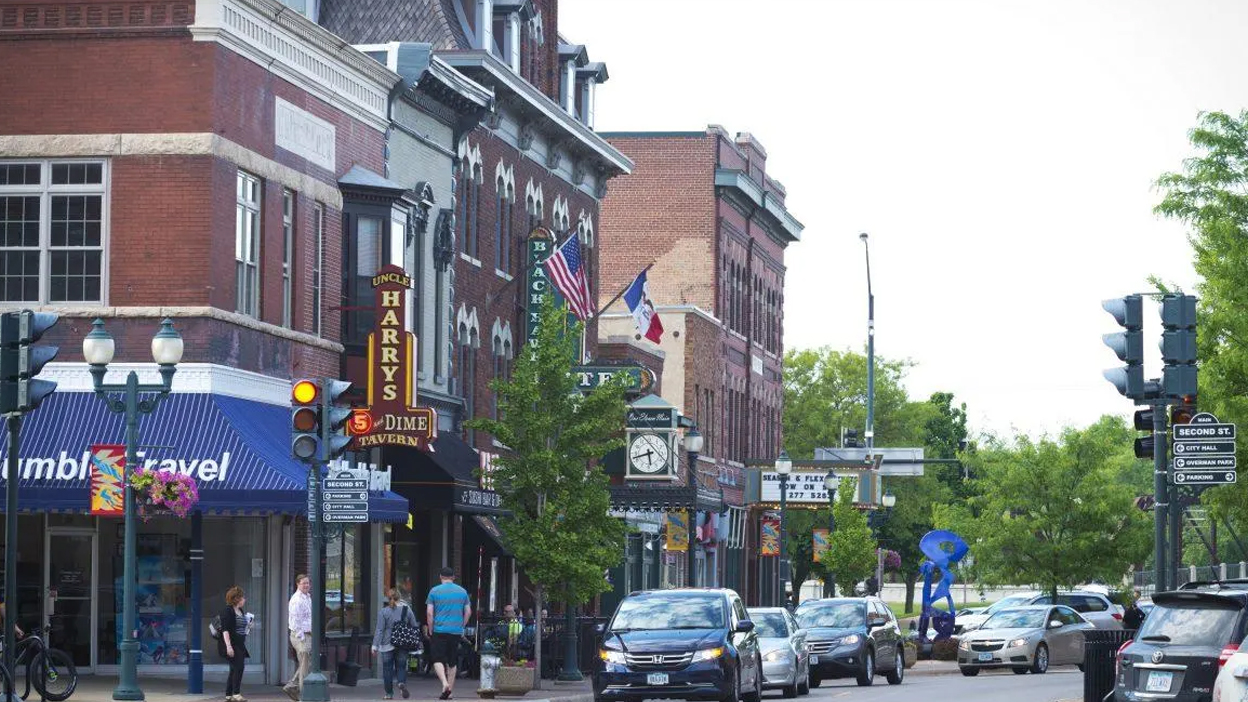
Conversely, some might feel constrained by the uneven availability of services and infrastructure. Those craving diverse entertainment options, fast-paced nightlife, or broad cultural variety may find Iowa’s quieter corners limiting. Outside core urban areas, the slower rhythms and fewer choices can feel stifling.
People less inclined to adjust to Iowa’s seasonal climate extremes may find the cold winters and hot, humid summers difficult to integrate into preferred lifestyles. Even the cooler microclimates in the northeast provide only partial respite.
Finally, individuals sensitive to geographic sprawl and long travel distances might struggle. The demands of driving extended routes for simple errands or social visits can wear on those accustomed to denser, walkable environments. Similarly, newcomers or residents who find tight-knit social norms overwhelming—especially in less diverse rural counties where communities are smaller and often more insular—may experience frustration.
Living here invites adaptation, and for some, that degree of accommodation might conflict with their priorities or temperament.
Conclusion
The pros and cons of living in Iowa are not just features to be weighed but integral parts of an intertwined daily experience. From the prairie wetlands shaping seasonal celebrations to rugged forested plateaus coloring rural solitude, from agricultural rhythms setting steady routines to urban centers blending cultural growth and tradition, life in the state unfolds in complex layers.
These realities influence how residents move through their days, connect with others, and choose how they live. Taking time to reflect quietly on one’s own rhythms, social openness, and lifestyle preferences can reveal how well life in Iowa might align with personal needs without the noise of rankings or data. Understanding these intertwined experiences helps clarify if this layered state feels like a place for you.
The pros and cons of living in Iowa, lived day to day, challenge and inspire in equal measure.