New York State is vast and varied, stretching far beyond the iconic skyline of New York City. The experience of living here covers a broad spectrum of climates, cultures, and day-to-day realities. From the humid subtropical warmth downstate to the humid continental chill upstate, each region of the state presents its unique weather patterns, social environments, and rhythms of life. The pros and cons of living in New York unfold as complex trade-offs, shaped by geography, climate, mobility, and social habits that influence how residents live, move, and connect across this diverse landscape.
Simple categories like urban versus rural or coastal versus inland barely scratch the surface. Instead, life in New York state is woven from layers of contrasts and complements. This blog explores how various environments within New York shape routines, moods, options for transportation, social interaction, and everyday lifestyle choices, turning the everyday into a nuanced balancing act shaped by place.
The Main Advantages of Living Here: A Tapestry of Places and Paces
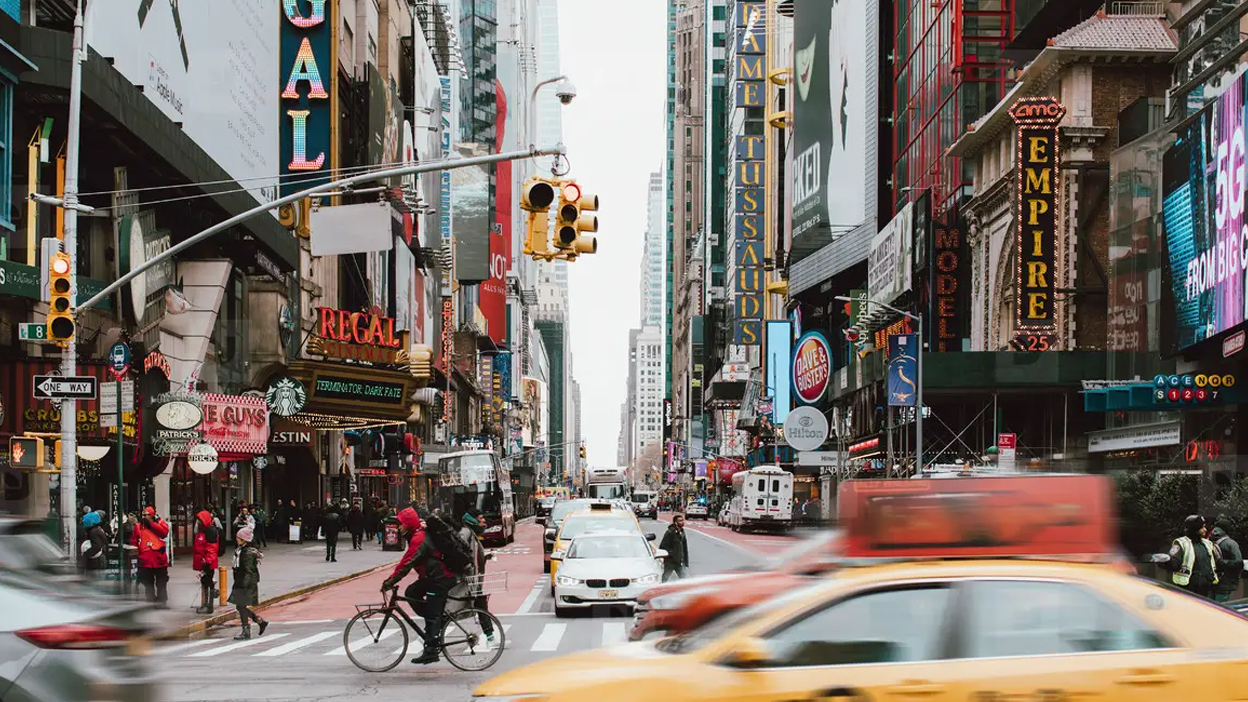
One of the most striking features of living in New York state is the range of daily experiences offered by its regions — especially how the pace of life and environment influence individual moods and routines.
Varied Pace and Climate
In New York City, the urban bustle is palpable. The city’s dense concrete, glass, and asphalt create a heat island effect that can raise average temperatures several degrees above surrounding green areas. Summers here feel warmer and longer, blending with the constant hum of streets alive with people, transport, and commerce. The faster tempo impacts everything from commuting to socializing, creating an environment where time often feels compressed but opportunity abundant.
Contrast this with upstate areas—places like the Adirondacks or the Finger Lakes region—where cooler climates and slimmer population density slow the clocks. Summers here are milder and filled with tranquil natural surroundings. Winters bring snow-laden forests and quiet streets, inviting slower activities and deeper connection to seasons. The differences in temperature and life rhythm shape daily mood distinctly, with the downstate heat and buzz energizing some, while the calm upstate landscape offers peace and reflection for others.
Rich Natural Geography Fuels Lifestyle Diversity
New York boasts over 7,600 lakes, mountain ranges like the Adirondacks and Catskills, the Hudson River winding through the state, and an Atlantic coastline that brings both maritime air and sweeping vistas. This natural wealth shapes what people do for recreation, rest, and social connection.
Residents in upstate often spend weekends hiking mountain trails, boating on pristine lakes in summer, or skiing during winter’s long nights. Rivers and forests become an extension of their living rooms, influencing moods with fresh air and physical movement. Meanwhile, downstate dwellers might take short trips out to nearby beaches or parks to escape the urban intensity, balancing metropolitan living with nature’s restorative qualities.
Blended Cultural Identity
Life here reflects a blending of cultures and traditions. In New York City and Long Island, multicultural neighborhoods thrive, reflecting waves of immigration and vibrant social tapestries. Festivals, cuisines, and city events celebrate this diversity, creating a rich urban mosaic.
Upstate regions embody long-standing rural traditions inspired by the Appalachian and Western Plateaus. Farming communities, county fairs, and agricultural gatherings build strong neighborhood ties and shared values rooted in place and heritage. This cultural mix oils social life differently, whether it’s a bustling city block party or a small-town harvest festival.
Lifestyle Flexibility: Urban Amenities and Nature Escapes
One hallmark of living in New York state is residents’ ability to toggle between worlds. Many people commute for work or leisure via highways, rail lines, and river routes that connect sprawling regions—from the capital corridor through the Hudson Valley, to the finger lakes and Lake Erie shores.
For example, one might spend their weekdays among high-rise apartments, bustling cafés, and cultural venues in downstate urban centers. Come weekends, they may retreat to a cabin in the Catskills or enjoy boating trips on summer lakes. This seasonal and regional back-and-forth shapes how people structure their social time, home life, and choice of wardrobe for humidity or cold.
This complex interplay forms a distinct cadence—one that requires residents to be fluid in routines, open to change, and find personal harmony amid diversity. The state’s cost, commute, and climatic variations are not just facts but lived experiences woven into the fabric of everyday life here.
Who Is Likely to Enjoy Living Here: Profiles of Fit and Flow
The richness of New York’s contrasts attracts people who find meaning and comfort in its dynamic diversity.
Appreciators of Urban Intensity and Pastoral Calm
Those who thrive tend to welcome the vibrant pulse of cities like New York alongside the quiet cool of the Adirondacks or Finger Lakes. The contrast between multicultural urban warmth and serene forested retreats offers varied sources of belonging.
Comfort with Seasonal Change and Climate Variety
Residents comfortable with marked seasons—embracing snowy, cold winters and warm, humid summers—adapt well. They navigate shifts in wardrobe, activity, and mindset fluidly, whether facing winter snowdrifts or summer lake breezes.
Values of Cultural Diversity Coupled with Nature
People who value both deep cultural diversity and active outdoor lifestyles find the blend compelling. Hiking trails, boating lakes, and multicultural city festivals all form core elements of their rhythm, reinforcing a lifestyle that fuses social richness with nature engagement.
Lifestyle Balance Seekers Navigating Geographic Scale
Some use regional climates and geography strategically, choosing spaces with moderated conditions—such as the temperate effects near Lake Erie or the Hudson Valley’s milder air—to align with personal rhythms. Their flexibility in moving to New York supports an ongoing dance between scale, access, and environment.
Who Might Feel Frustrated Living Here: When Preferences Clash with Reality
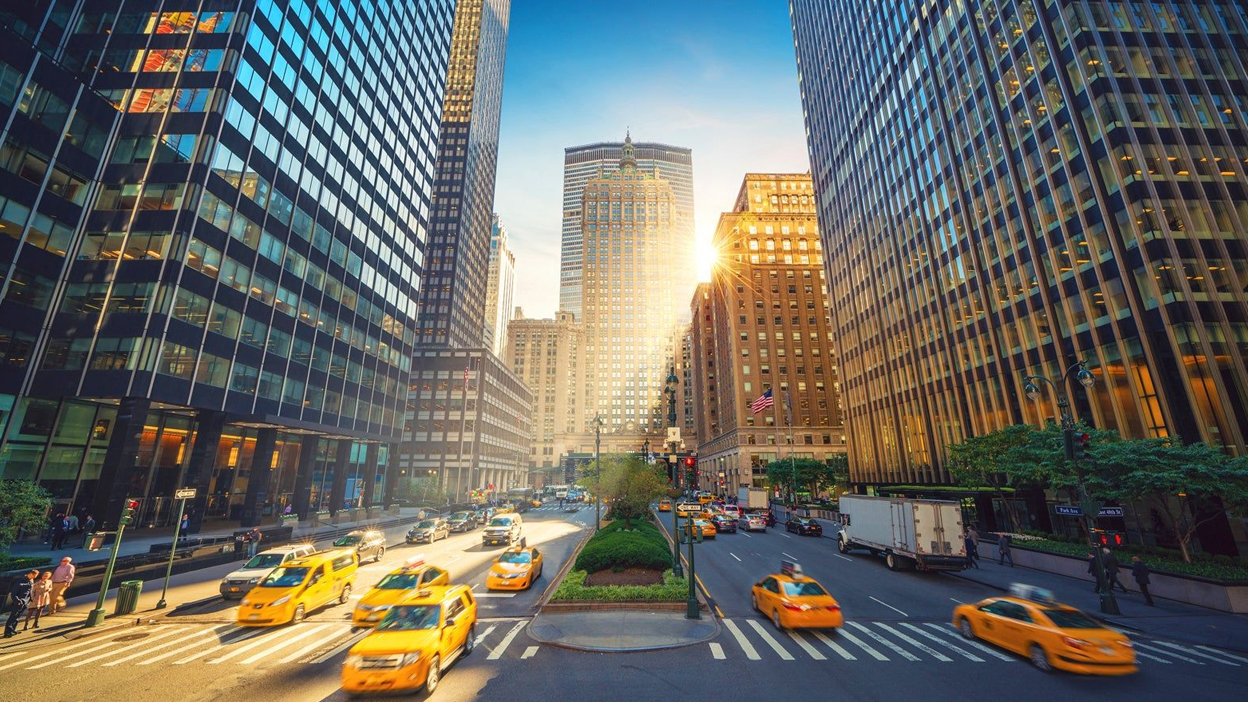
While New York offers many advantages, certain aspects challenge those whose preferences differ from the state’s varied conditions.
Preference for Uniform Climate
People who desire steady, predictable weather may find the extremes off-putting. The icy Adirondack winters with subzero nights contrast sharply with sticky, humid summer heat downstate, with regional quirks like lake-effect precipitation complicating expectations. This climatic patchwork demands continuous adaptation that can feel exhausting.
Sensitivity to Commute Distance and Sprawl
Those bothered by long travel times or geographic sprawl may struggle with the state’s vast distances and uneven urban development. The challenge of regularly navigating hours-long commutes between distant highland and lowland regions, or limited rural transport, weighs on daily life and can reduce spontaneous social connection.
Desire for Consistent Services and Costs
Individuals expecting uniform availability and costs of services might meet frustration here. The stark divide between dense, costly city living and sparse, less expensive rural areas means planning carefully with uneven access to healthcare, shops, or public transport. This economic and infrastructural contrast leads to mismatches for some lifestyles.
Personal Fit, Not State Deficiency
These frustrations arise from personal preferences and lifestyle fits rather than flaws of living here. New York’s topographic, climatic, and cultural diversity simply means that its environment does not align well with all types of routines or tolerances—making personal evaluation essential.
Conclusion
The pros and cons of living in New York reflect an intricate interplay of regional climate diversity, vast geographic scale, and cultural variety. These factors do not lend themselves to simple judgments but rather outline complex, ongoing trade-offs and adaptations.
Deciding whether the state suits you depends on how your personal rhythms, priorities, and tolerance for variation align with realities like snowy upstate winters or humid downstate summers. Understanding this nuanced landscape is vital when moving to New York or considering life in the state—not as external validation but as a deliberate, reflective step toward lifestyle alignment.
Taking this perspective helps frame the rich lived experience of moving to New York with clarity, accepting both its challenges and its unique opportunities.