
Moving to a new city means more than just packing boxes. If you’re considering a relocation to the Windy City, understanding the realities of living in Chicago Illinois is key. This guide covers the essential things to know before moving to Chicago, Illinois, focusing on everyday matters that impact newcomers. From picking the right neighborhood to handling winter weather, and from work options to transportation, this post breaks down what really matters as you get ready for your move.
You’ll read about Chicago’s variety of neighborhoods, the balance of the cost of living, job prospects, how to get around, weather expectations, setting up your new home, and common challenges that arise. This straightforward view will help you prepare with practical, experience-based insights rather than just general information.
Why People Choose to Move to Chicago
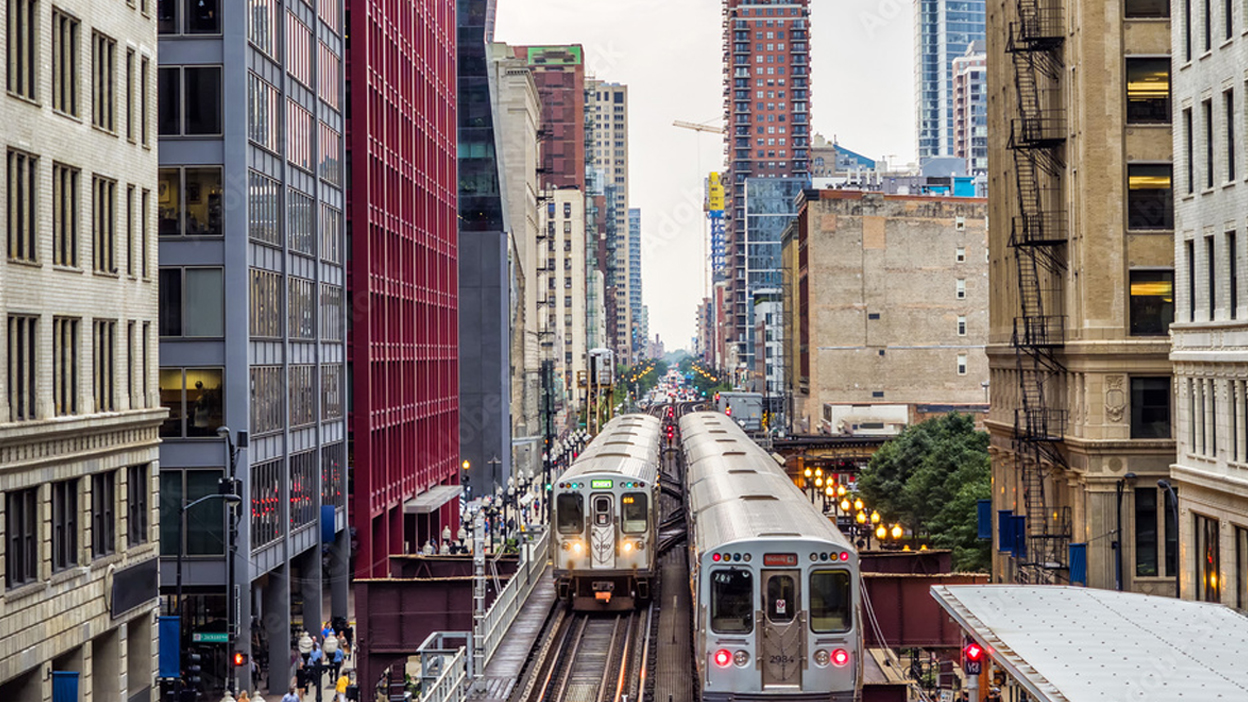
Many people are drawn to Chicago because it offers a broad range of jobs across different industries. The city is known for opportunities in finance, healthcare, manufacturing, media, and transportation. This job variety gives newcomers a chance to find work that fits their skills in a big urban center. Families also appreciate the access to education, with schools spread throughout the city and nearby suburbs.
Chicago’s neighborhoods offer a wide mix of lifestyles. Some areas buzz with city energy, while others feel quieter and more residential.
This means people can pick a place that suits their preferences and needs. Additionally, the city’s location in the Midwest makes it a handy hub for travel and business connections across the region.
For those who value culture, Chicago has well-known museums, theaters, and a vibrant food scene. While many find Chicago welcoming, those moving here should expect a learning curve with local customs and day-to-day social habits. Knowing these subtleties helps newcomers fit in more comfortably as they settle into city life.
These points highlight important things to know before moving to Chicago, Illinois, especially if you want a smooth transition to living in Chicago Illinois.
Understanding the Cost of Living and Its Impact on Daily Life
Chicago’s cost of living provides a mix of benefits and challenges. Housing tends to be more affordable here compared to big coastal cities, which is good news for renters and buyers. But property taxes in Illinois are relatively high, which can add to the overall cost, especially for homeownership. Also, rents have been increasing, so budgeting wisely is important.
For transportation, many residents depend on public transit like trains and buses. This reduces the need for a car, which can cut down on expenses related to fuel, insurance, parking, and vehicle upkeep. Still, if you choose to own a car, those costs add up quickly and should be factored into your financial plans.
Many newcomers adjust daily spending by picking affordable grocery stores and looking for low-cost entertainment options. Choosing where to live can also affect your budget. Living near downtown or public transit means paying more for housing but saves money and time on transportation. Living farther out usually offers more space and lower rents but comes with a longer commute.
If you’re planning your move, keep Chicago cost of living in mind and use moving tips Chicago residents often recommend: track expenses carefully, be flexible about location, and balance your housing and transportation costs to suit your income.
Near Lake Michigan, lake-effect weather adds some variation, and occasional summer storms may occur but don’t dominate life here. Seasonal shifts influence how people dress, commute, and maintain their homes. Knowing these patterns is a key part of things to know before moving to Chicago, Illinois, so you’re prepared year-round while living in Chicago Illinois.
Important Paperwork and Setup After the Move

Once you settle in Chicago, you’ll face several setup tasks to get fully established. Getting an Illinois driver’s license and registering your vehicle under state rules is important to avoid fines and legal issues. Utility services like gas, electric, water, and internet need to be arranged promptly, as these are critical for daily comfort.
Depending on your new neighborhood, other local registrations or account setups might be necessary, such as city vehicle stickers or trash services. If you have children, enrolling them in the right schools takes time and may involve understanding district boundaries and enrollment steps.
Trying to do everything on your first day in town can quickly become overwhelming. It helps to spread these tasks out, focusing on immediate basics first and planning remaining steps over weeks or months.
Including paperwork and setup in your moving tips Chicago checklist ensures a smoother transition and helps you avoid surprises during those first weeks after relocating.
Common Challenges and How to Manage Them
Like with any big move, living in Chicago Illinois comes with challenges. Finding housing that fits both your budget and lifestyle takes patience and research. Although Chicago is generally more affordable than many large metro areas, costs can still feel high.
Adjusting to city life’s fast pace and density may take time, especially if you come from smaller towns or rural areas. The winter season’s long, cold days can be tough to handle until you develop routines and coping strategies.
Making new friends and getting a handle on local social customs often requires extra effort. Chicagoans are friendly but knowing local habits, like typical food preferences or neighborhood etiquette, helps newcomers feel more at home.
These challenges are normal. With realistic expectations and steady planning, you can manage them well. Keeping things to know before moving to Chicago, Illinois in mind and applying moving tips Chicago locals share will make your transition more manageable and less stressful.
Conclusion
Relocating to Chicago means balancing many factors—from affordable housing options and job market conditions to winter weather and transit use. Understand what daily life really looks like here by researching neighborhoods, budgeting for costs, and planning for paperwork and social adjustments.
Chicago offers cultural richness and economic opportunities, but newcomers should approach the city with clear eyes and practical plans. This guide covers key practical points so you can avoid surprises and gradually build a comfortable life in your new home.
With thoughtful preparation and patience, moving to Chicago Illinois can be a smooth experience that opens doors to a unique urban lifestyle in one of America’s major cities.