Moving to Colorado Springs often unfolds in ways that differ significantly from newcomers’ initial expectations. The city’s unique combination of mountain-town charm, strong military influence, and high-elevation lifestyle reshapes many assumptions about daily life. For those relocating, understanding what to expect when moving to Colorado Springs helps ease the transition by preparing them for both practical changes and emotional adjustments.
Living in Colorado Springs requires embracing an essential adjustment phase. This period allows new residents to acclimate to unpredictable weather patterns, sprawling neighborhood layouts, and a culture deeply influenced by outdoor living and military communities. In this guide, we will explore these elements in depth to offer clear, value-dense insights about life in this distinctive city.
The First Weeks: Initial Impressions and Reality Checks
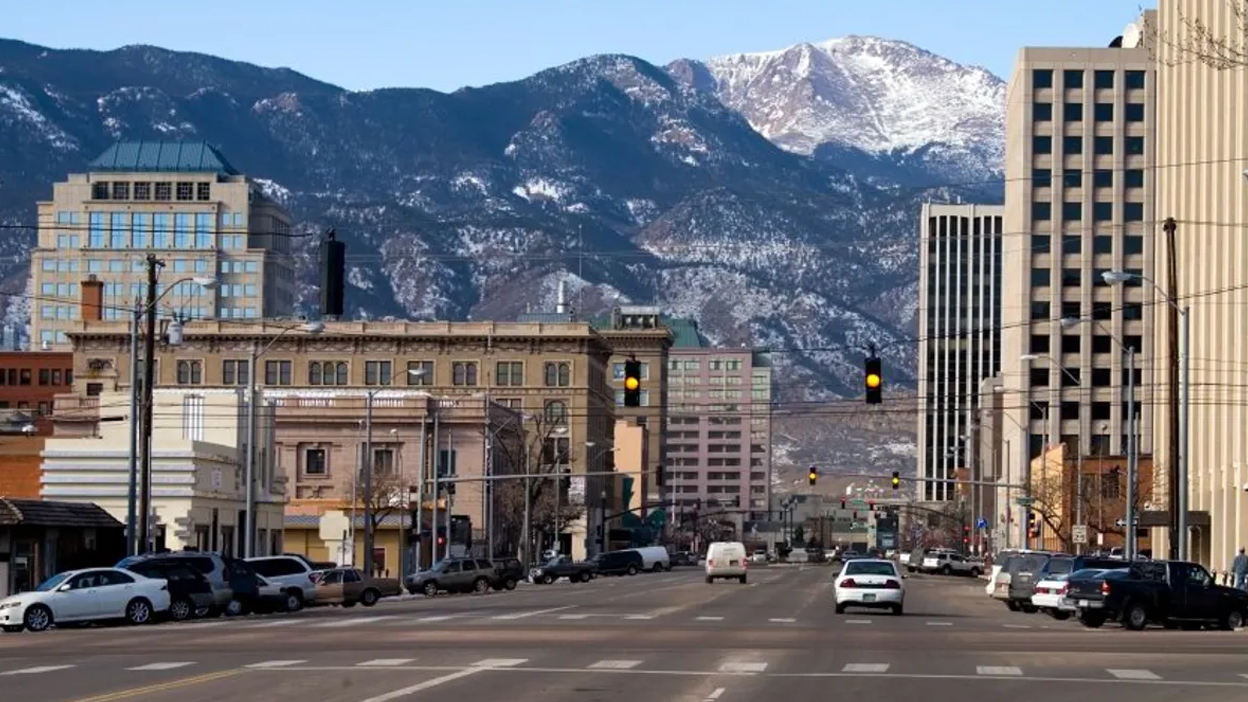
Upon arrival, many relocating individuals quickly notice sensory shifts that set Colorado Springs apart. Compared to denser urban centers, life here moves at a slower pace. Residential neighborhoods such as Old Colorado City and the Powers corridor feature notably quieter surroundings, creating a calmer daily rhythm.
A defining characteristic of the city is its natural environment. Pikes Peak looms prominently on the horizon, shaping both the skyline and local lifestyle. Nearby trail systems invite outdoor enthusiasts to explore extensive parks and open spaces, which infuse the local atmosphere with a strong connection to nature.
New residents often encounter unexpected physical effects due to Colorado Springs’ high elevation. Dehydration and fatigue can surface within the first few days as the body adjusts to thinner air. Winters here are milder but unpredictable, with weather that can shift quickly without heavy snowfall typical of lower altitudes.
Another aspect that surprises many is the visible military presence. Bases like Fort Carson and the Air Force Academy have a prominent role in shaping community activities and local growth. Rapid neighborhood developments are underway in regions such as Northgate and Fountain, reflecting the city’s evolving nature. The local culture leans toward outdoor pursuits and a more laid-back lifestyle rather than urban hustle. Understanding these dynamics is crucial when moving to Colorado Springs and can help newcomers set realistic early expectations.
Adjusting to Daily Routines
One of the immediate adjustments involves modifying daily routines, especially commuting patterns. Many residents begin to navigate routes centered around I-25 corridors, strategically aligned near military installations like Fort Carson and the Air Force Academy. This shift is significant for those transitioning from more compact urban settings.
Navigating spread-out neighborhoods such as Stetson Hills and Flying Horse introduces new challenges. Peak travel times differ from those in metropolitan areas, and drivers often find that elevation impacts vehicle performance – an unfamiliar factor for some. Commuters learn the rhythms of local traffic congestion and gradually optimize their routes through experience.
Learning how to properly hydrate and manage altitude effects is often the first significant step. Understanding the quirks of specific neighborhoods – knowing traffic patterns, local services, and social scenes – follows as newcomers become more comfortable. Forming reliable support networks, especially in military or family-oriented communities, further anchors one’s sense of belonging.
Repeated engagement with the city’s infrastructure – from commuting routes to trail systems – supports this transition. Military community rhythms and seasonal events create ongoing opportunities for familiarization and connection.
Living in Colorado Springs means embracing this continuous adaptation. Moving to Colorado Springs is less about a destination point of feeling “settled” and more about dynamic integration into an evolving, multifaceted urban environment.
What Helps the Transition Feel Easier

Several practical mindsets and behaviors help ease the adjustment to Colorado Springs. Developing consistent daily routines is important – especially intentional hydration to counteract altitude dehydration and planning neighborhood explorations to build familiarity and confidence.
Patience is essential when dealing with the military Permanent Change of Station (PCS) timeline, which influences community demographics and services. Gradually testing commute routes, particularly along the Powers Corridor, allows newcomers to find efficient travel patterns.
Realistic expectations about milder winters, slow rises in living costs, and the social landscape provide emotional steadiness. Taking part in community events in neighborhoods like Northgate and Downtown fosters social integration and builds a sense of local identity.
Local realtors prove valuable as resource persons, offering tailored insights into neighborhood lifestyles and helping align housing choices with one’s preferred way of living.
What to expect when moving to Colorado Springs includes embracing these strategies to navigate transitions more smoothly and develop a richer experience of the city.
Conclusion
Feeling unsettled after moving to Colorado Springs is a common and normal experience. These feelings often arise from the city’s distinctive high-altitude environment and military-centered culture, rather than from any personal shortcomings or relocation mistakes.
The adjustment phase is highly personal and nonlinear. There is no fixed schedule for feeling fully “at home” in this rapidly growing and diverse city. Instead, newcomers follow a natural progression from initial uncertainty toward a genuine sense of belonging.
Understanding what to expect when moving to Colorado Springs can help make that journey smoother and more understandable. Living in Colorado Springs offers a unique blend of lifestyle and community that unfolds with time, patience, and active engagement after the move.