Moving to Indianapolis involves more than just transporting belongings and unpacking boxes. It means stepping into a new environment that requires time and effort to understand and adapt to. For anyone moving to Indianapolis, knowing what to expect in Indianapolis can help reduce stress and set realistic expectations for the transition ahead.
This guide offers a clear and thorough look at living in Indianapolis during the early weeks and months. It focuses on daily realities, emotional adjustments, and practical insights that new residents often encounter. Understanding these factors helps newcomers navigate their fresh start with more confidence and calm.
The First Weeks: Initial Impressions and Reality Checks
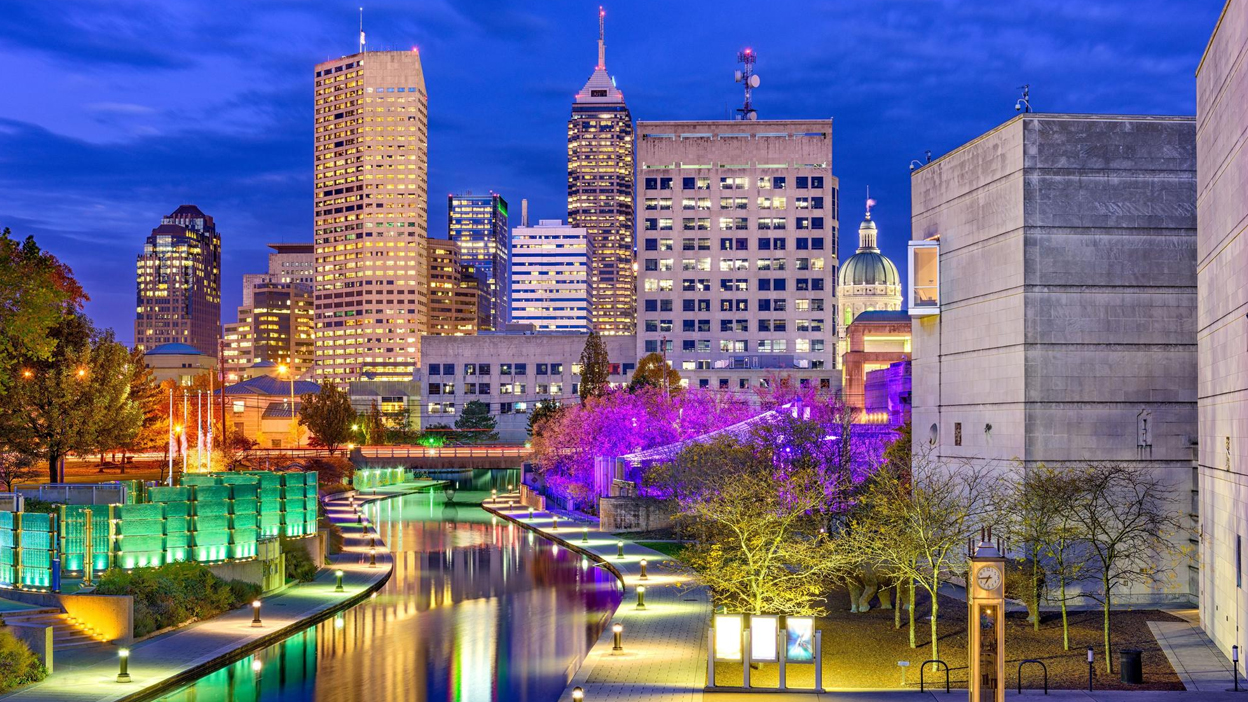
When moving to Indianapolis, the initial sensory and environmental changes tend to be striking and create a period of adjustment. The pace of life here can feel noticeably different from what newcomers have experienced before. Some may find the city rhythm slower or steadier, while others notice quiet residential areas contrasted with busier commercial districts.
Noise levels vary depending on the neighborhood. Some parts of the city hum with activity, especially near downtown or commercial hubs, whereas suburban or residential zones offer a calmer background. This variation in soundscape affects daily experiences, such as sleep quality and outdoor time.
The city’s layout influences how people get around. Indianapolis stretches out with a mix of grid street patterns and wide avenues. New residents quickly notice how traffic flows at peak and off-peak times, which shapes daily commutes. Unlike larger metro areas with extensive transit networks, Indianapolis relies heavily on cars with a more limited public transit system. This can influence when and how newcomers plan errands and outings.
The weather plays a significant role in the early impressions. Indianapolis experiences distinct seasons—warm summers, chilly winters, and transitional spring and fall months. Weather changes impact clothing choices, daily activities, and mood. Newcomers often find themselves adapting to sudden temperature swings or seasonal events that mark the city’s calendar.
Some specific challenges that stand out early include:
- Navigating the local public transit routes and schedules, which may feel sparse compared to other cities.
- Understanding the “vibe” of different neighborhoods—knowing where to find quiet residential streets versus lively commercial corridors.
- Locating public spaces such as city parks, community centers, and cultural institutions, which can be central to feeling at home and connected.
These initial surprises or moments of confusion are normal. Over time, learning the city’s rhythms—including seasonal festivals, traffic patterns, and neighborhood personalities—contributes to a deeper sense of familiarity and ease.
What brings a sense of being settled is increasing familiarity: knowing local rhythms, recognizing favorite places, establishing routines, and developing social connections. This progression varies widely.
Rather than focusing on deadlines or timelines, newcomers benefit from allowing themselves to acclimate naturally, recognizing that comfort grows gradually instead of suddenly.
What Helps the Transition Feel Easier in Indianapolis
Making the transition to living in Indianapolis easier often comes down to cultivating routines that respect both the city’s pace and personal preferences. Trying to adapt too fast or conform too rigidly can add unnecessary stress.
Patience and self-compassion go a long way. Setting realistic expectations about ups and downs reduces pressure and encourages progress without discouragement.
A specific support available in Indianapolis that may benefit some newcomers involves sensory-friendly community resources. The city offers events and accommodations at places such as Newfields and the Indiana State Museum designed to support individuals with sensory sensitivities or accessibility needs.
These accommodations include quiet hours, sensory guides, and tailored programming that can help residents who struggle with noise, crowds, or visual stimuli feel more comfortable. While this is a niche part of the broader adjustment experience, it reflects Indianapolis’s efforts to be inclusive and supportive.
For most newcomers, utilizing community resources, exploring cultural institutions, and seeking out welcoming social environments contribute to smoother transitions.
Conclusion
Understanding what to expect in Indianapolis after moving helps set a clear, realistic mindset. Early feelings of uncertainty or being unsettled are completely normal and typically temporary.
Challenges in adjusting to new routines, social dynamics, and emotional shifts do not reflect the wisdom of relocating but are part of the natural progression to feeling at home.
By persisting through those initial discomforts and allowing time for growth, newcomers can gradually build comfort, confidence, and a sense of belonging in Indianapolis.
Living in Indianapolis is a journey filled with discovery, adjustment, and new opportunities. Embracing this with patience and openness leads to a rewarding transition over time.
This detailed guide aims to give readers a clear, honest picture of moving to Indianapolis and what to expect in Indianapolis from the first days forward. The more newcomers understand about living in Indianapolis, the better prepared they are to make it their new home.