Arizona is a top relocation choice for many Americans, thanks to its warm, sunny climate and diverse lifestyle options ranging from vibrant urban centers to peaceful suburban areas and quaint small towns. Whether you’re considering the low cost of living or eyeing an active Arizona real estate market with various housing options, this state stands out as a land of opportunity and high quality of life. For a broader perspective, exploring the 10 Best Cities to Live in the West can offer insights into how Arizona compares with neighboring states.
In this comprehensive guide, we examine the 10 Best Places to Live in Arizona, focusing on the top cities and neighborhoods that offer a perfect blend of affordability, amenities, and lifestyle. We also delve into crucial factors influencing your relocation decision, such as lifestyle preferences, climate, cost of living in Arizona cities, and real estate market trends—all to help you make a well-informed choice.
Why You Need to Know the Best Places to Live in Arizona
Selecting the right city or neighborhood goes far beyond geography—it’s about matching a location to your unique lifestyle needs. Are you a family seeking excellent schools and safe parks? A retiree looking for a warm, serene environment? Or a professional aiming for job opportunities in a thriving economy? Knowing the best places to live in Arizona enables you to align your relocation with these priorities. If safety is a top concern, reviewing the list of 10 Safest Cities in the US might help you evaluate how some Arizona cities correspond with national safety standards.
The local economy and job market of a city play a significant role in your long-term stability. Cities with diversified industries such as technology, healthcare, manufacturing, and education tend to offer more robust employment opportunities. Demographic data from the U.S. Census Bureau can provide valuable insights into population growth and economic trends that impact city livability.
Moreover, understanding the cost of living in Arizona cities is critical for budgeting. Housing prices vary widely—from more affordable towns like Sierra Vista and Sahuarita to upscale cities like Scottsdale and Queen Creek—making it crucial to evaluate affordability in alignment with your income and lifestyle goals. Resources like Zillow offer up-to-date information on housing market trends and affordability which can aid in realistic financial planning.
Lastly, neighborhood characteristics such as amenities, safety, and community vibe impact your overall satisfaction. Having knowledge of how these features differ across best neighborhoods in Arizona ensures you find a community where you feel at home, secure, and engaged.
Criteria for Choosing the Best Places to Live in Arizona
When evaluating Arizona’s cities, several key criteria should guide your decision:
- Population Size and Growth Trends: Population size indicates how sprawling or intimate a city feels, while growth trends reveal economic vitality. Cities like Gilbert are experiencing rapid growth, signaling robust infrastructure development and expanding services.
- Median Home Price and Rental Costs: Median home price represents the midpoint value in the real estate market and highlights affordability. In Arizona, median prices can range from around $240,000 in more affordable areas like Sierra Vista to upwards of $700,000 in luxury markets such as Scottsdale. Rental costs parallel these trends, directly affecting your monthly housing budget. For a detailed comparison of living expenses, the Cost of Living in Phoenix, Arizona provides a focused look at financial considerations in one of the state’s largest cities.
- Median Household Income and Economic Indicators: Median household income reveals the average earning power of residents, affecting purchasing power and quality of life. For instance, towns like Sahuarita and Vail boast median incomes exceeding $120,000, reflecting local affluence and economic opportunity.
- Local Weather and Climate: Arizona is known mostly for its desert climate with warm to hot summers and mild winters. However, elevation differences create microclimates, where some cities enjoy cooler temperatures, which can influence your comfort and outdoor activities.
- Availability of Educational Institutions: Quality education is often a priority, especially for families. Public school ratings and proximity to colleges matter. Cities such as Gilbert and Vail are noted for their excellent school districts, making them attractive for families prioritizing education.
- Strength of Local Economy and Job Market: Economic stability is enhanced when cities offer a diverse array of industries. Top Arizona cities tend to emphasize sectors like technology, healthcare, tourism, and defense, all providing employment resilience.
- Safety, Amenities, and Community Vibe: Safety metrics, access to parks, cultural events, shopping, and community activities shape livability. East Valley towns often rank high on safety and community satisfaction, important for establishing roots and a fulfilling lifestyle.
10 Best Places to Live in Arizona (2026 Guide)
Here’s an in-depth look at the best places to live in Arizona, analyzed on key factors such as population, housing, income, climate, economy, education, and more.
8. Vail
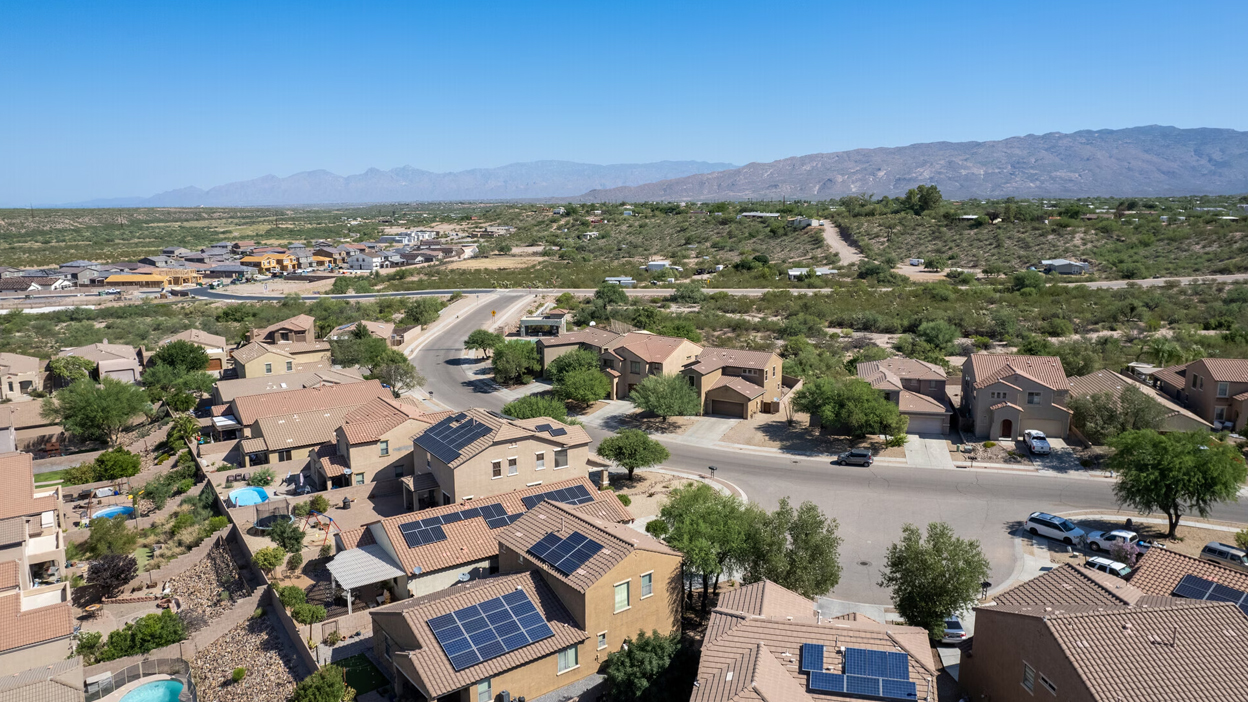
Vail is a smaller town recognized for its excellent schools and outdoor living.
- Population: ~13,000
- Median Home Price: ~$420,000
- Median Rent: ~$2,000
- Median Household Income: ~ $120,000
- Local Weather and Climate: Warm desert climate with slightly cooler temperatures due to elevation.
- Economy and Jobs: Education and local services dominate the economy.
- Educational Opportunities: A-rated school districts draw families prioritizing education.
- Real Estate Market Trends: Steady appreciation with growing demand for quality homes.
- Ideal For: Families, retirees, nature lovers
- Known For: Cienega Creek Natural Preserve, small-town charm
Vail stands out among the best places to live in Arizona for its quality schools and relaxed, nature-focused lifestyle.
9. Sahuarita
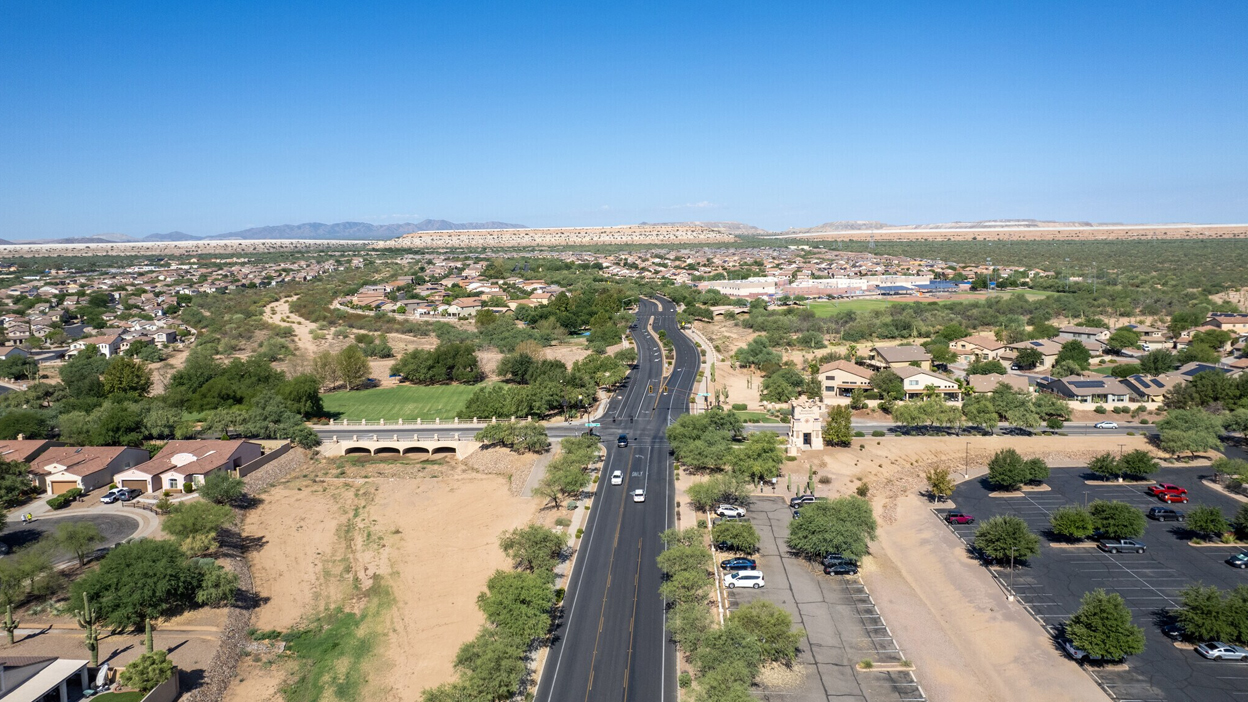
Sahuarita is a small town known for affordable housing and strong community spirit.
- Population: ~35,000
- Median Home Price: ~$370,000
- Median Rent: ~$1,800
- Median Household Income: ~$90,000
- Local Weather and Climate: Typical desert warmth with mild winters.
- Economy and Jobs: Retail and light industry provide steady jobs.
- Educational Opportunities: Good schools serve the local population.
- Real Estate Market Trends: Noted for affordability and steady demand.
- Ideal For: Retirees, families, value-driven buyers
- Known For: Quiet neighborhoods and close community ties
Sahuarita’s combination of affordability and lifestyle makes it a notable choice among best neighborhoods in Arizona.
10. Tempe
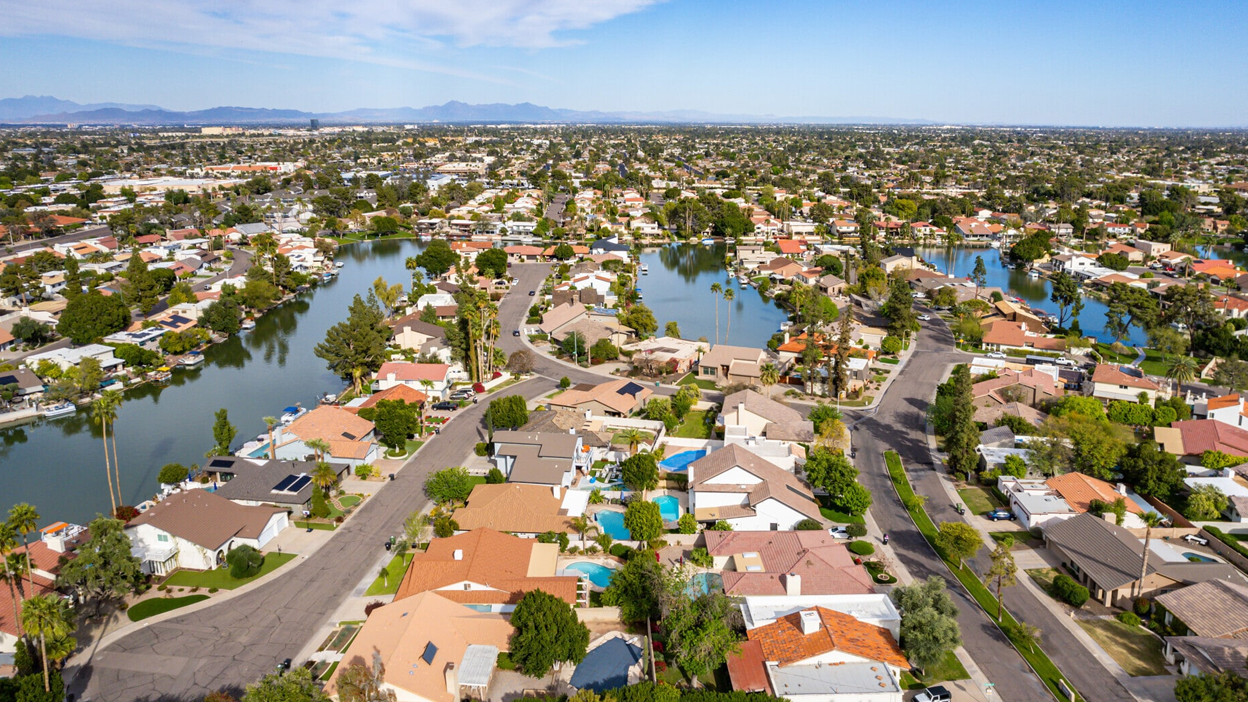
Tempe is a vibrant college town with a dynamic urban atmosphere and diverse residents.
- Population: ~185,000
- Median Home Price: ~$520,000
- Median Rent: ~$1,800
- Median Household Income: ~$76,000
- Local Weather and Climate: Warm desert climate conducive to year-round outdoor activity.
- Economy and Jobs: Anchored by Arizona State University, plus a growing tech startup ecosystem.
- Educational Opportunities: ASU is a major academic and cultural hub.
- Real Estate Market Trends: Dynamic rental market, steady home value growth.
- Ideal For: Students, young professionals, academics
- Known For: Arizona State University, nightlife, cultural events
Tempe offers an energetic urban lifestyle, making it one of the top cities in Arizona for young adults and academics. For those weighing different urban options, Living in Tempe vs Other Cities in Arizona can be a helpful guide to compare cultural and lifestyle differences.
Frequently Asked Questions (FAQs)
What are the most affordable cities to live in Arizona?
Sierra Vista, Sahuarita, and smaller towns like Vail offer some of the most affordable housing and lower cost of living in Arizona cities, ideal for buyers on a budget.
How does the Arizona real estate market affect homebuyers?
Arizona’s real estate market is active with rising home prices, especially in growth areas. Homebuyers should consider market timing, mortgage rates, and inventory levels to make confident purchases.
Which Arizona cities have the best schools?
Gilbert, Vail, and Scottsdale are recognized for their highly rated public schools and access to quality education institutions, making them attractive for families.
What are the pros and cons of different Arizona climates?
The hot desert climate offers abundant sunshine and mild winters but harsh summers. In contrast, higher elevation cities provide cooler temperatures and more moderate weather year-round.
What job opportunities exist in the top cities?
Tech hubs like Chandler and Gilbert boast technology and healthcare jobs, while military-oriented cities such as Sierra Vista provide defense-related employment.
How does the cost of living in Arizona compare nationally?
Arizona generally offers a lower cost of living than California and many East Coast states but is higher than some Midwestern states. Costs vary widely depending on city and neighborhood.
Conclusion
The 10 Best Places to Live in Arizona offer a diverse mix of lifestyle options, economic opportunities, and housing affordability. By evaluating cities based on population growth, housing costs, local economies, educational quality, and safety, you can find the ideal city or neighborhood that fits your lifestyle and financial goals.
Understanding the Arizona real estate market and the cost of living in Arizona cities is fundamental for making a well-informed decision. Whether you prioritize top-tier schools, a vibrant job market, or a community rich in amenities, Arizona’s mix of bustling urban centers and quaint suburbs has something for everyone.
We encourage you to research these cities further and consult with professional advisors who can guide you to the best neighborhoods in Arizona tailored to your unique needs. Start your journey toward finding the perfect Arizona home today!