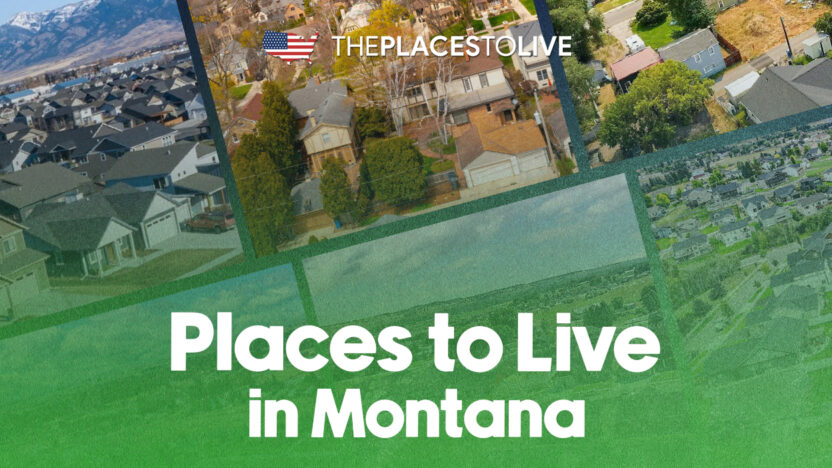
Montana, known as the Treasure State, is famed for its spectacular natural beauty, ranging from rugged mountain ranges to sprawling plains. These breathtaking landscapes create a unique lifestyle, blending outdoor recreation with small-town charm and growing urban amenities. Whether you’re drawn to hiking alpine trails, fishing serene lakes, or enjoying thriving cultural scenes, Montana offers a diverse array of communities suited for many tastes.
This blog post explores the 10 best places to live in Montana, examining the Montana real estate market, lifestyle, cost of living in Montana cities, and the best neighborhoods in Montana. The goal is to guide you in finding the perfect city or neighborhood to live or invest in, highlighting key features of some of the top cities in Montana.
Why You Need to Know the Best Places to Live in Montana
Montana offers a vast range of lifestyles, amenities, and housing options. Understanding these differences is crucial because the best places to live in Montana vary greatly depending on what you’re looking for.
Some towns, like Whitefish, emphasize outdoor adventure and a close-knit, friendly atmosphere. Others, such as Bozeman and Missoula, combine urban convenience with educational institutions, cultural activities, and economic growth. For readers interested in mountain living and the outdoor lifestyle, our guide to 10 Best Mountain Towns to Live in the US offers a great perspective.
Access to amenities plays a major role in quality of life. Schools, healthcare facilities, employment, and recreational options differ widely, affecting where people choose to settle. For more about family-friendly communities and safe places, see our guide on 10 Best Places to Raise a Family in the US. To explore how safety impacts community appeal, our 10 Safest Cities to Live in the US article offers useful context.
Additionally, the cost of living in Montana cities varies substantially. Popular urban areas often have higher housing costs, while rural towns may be more affordable but have fewer amenities. Zillow data on home prices and rental trends provides valuable information for understanding the affordability of different Montana cities.
Whether moving for work, family, or investment, knowing the Montana real estate market and local conditions in top cities in Montana and their best neighborhoods will help you make a smart, informed decision.
Criteria for Choosing the Best Places to Live in Montana
To select the best cities and neighborhoods, several important factors are considered. For insights on selecting cities with balanced populations and amenities, check out our post on 10 Best Mid-Sized Cities to Live in the US.
- Population Size and Demographics: Larger cities like Bozeman and Billings offer a broad spectrum of job opportunities, schools, and cultural amenities. Smaller towns, such as Livingston or Browning, provide tight communities and often a slower pace of life. For insights on choosing the right sized city, check our post on 10 Best Mid-Sized Cities to Live in the US.
- Median Home Price and Affordability: Prices differ dramatically. Resort towns like Whitefish command premium housing prices ($700,000+ median), while former mining towns such as Butte offer more affordable homes (around $200,000 median).
- Cost of Living: This includes everyday expenses like groceries, utilities, transportation, and healthcare. It tends to be moderate across Montana but shows variation between cities. More urbanized places usually have higher expenses. Learn about cost considerations in smaller towns at 10 Best Small Towns to Live in the US.
- Median Rent and Household Income: Median rent and household income figures are economic indicators showing both affordability and lifestyle. Towns with higher incomes often have higher housing costs but may offer better amenities.
- Local Weather and Climate: Montana’s varied geography creates diverse climates. Mountain areas experience colder, snowier winters and mild summers, while plains cities have milder winter temperatures and less precipitation. See how climate affects living choices in our 10 Best Mountain Towns to Live in the US guide.
- Economy, Job Opportunities, and Growth Potential: The Montana economy thrives on education, healthcare, tourism, agriculture, energy, and emerging tech industries. University towns like Bozeman have dynamic job markets, while others focus on government or resource sectors. For nationwide growth trends, visit 10 Best Cities to Live in the US.
- Educational Opportunities: Quality of education varies. Cities with universities (Montana State University in Bozeman, University of Montana in Missoula) support strong K-12 systems and cultural resources, benefiting families and young adults. For a deeper dive, see 10 Best Places to Raise a Family in the US.
- Lifestyle and Recreational Amenities: Outdoor activities including hiking, skiing, fishing, and cultural events are essential to Montana’s appeal. Communities offering rich recreational options stand out.
By evaluating these factors, you can find the best neighborhoods in Montana suited to your personal and financial goals.
9. Great Falls, Montana
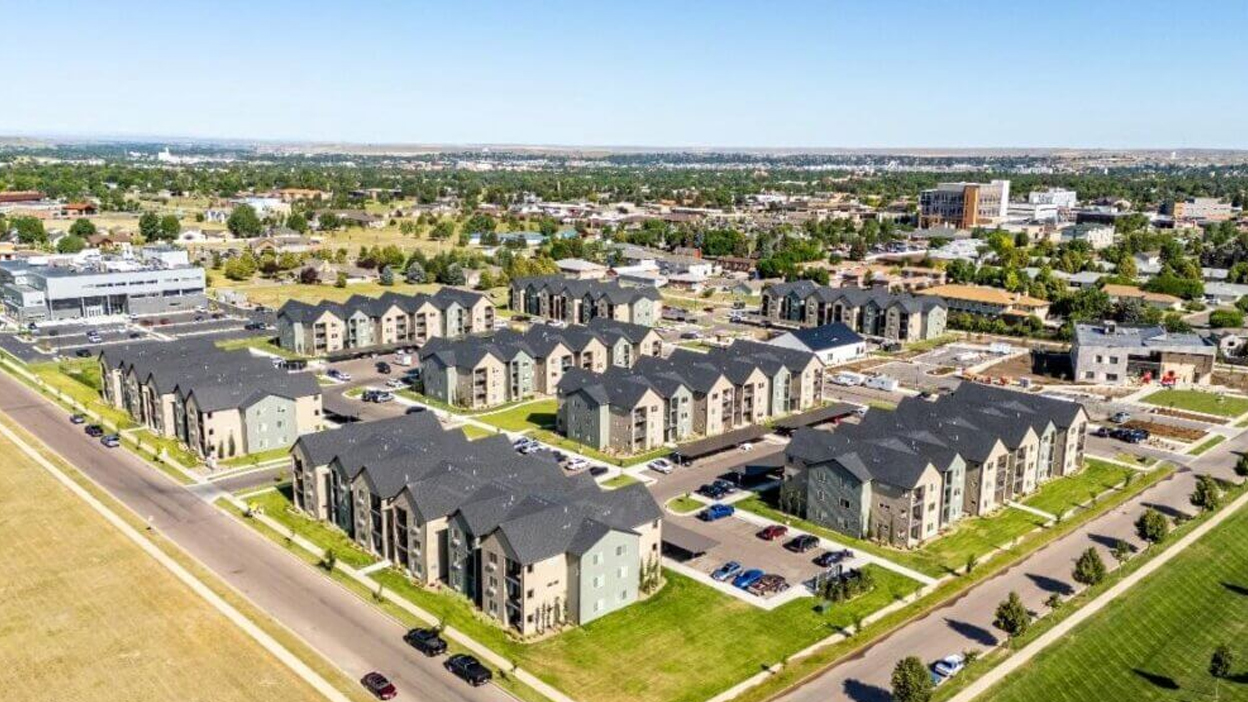
Great Falls is a mid-sized city with military bases and energy sector employment.
- Population: ~58,000
- Median Home Price: ~$230,000
- Median Rent: ~$900/month
- Median Household Income: ~$45,000/year
- Local Weather: Semi-arid, cold winters.
- Economy and Jobs: Military, energy, manufacturing sectors.
- Educational Opportunities: Solid school systems.
- Ideal For: Military families, budget-conscious residents.
- Known For: Gates of the Mountains, waterfalls, parks.
Great Falls offers affordable living with steady employment.
10. Browning, Montana
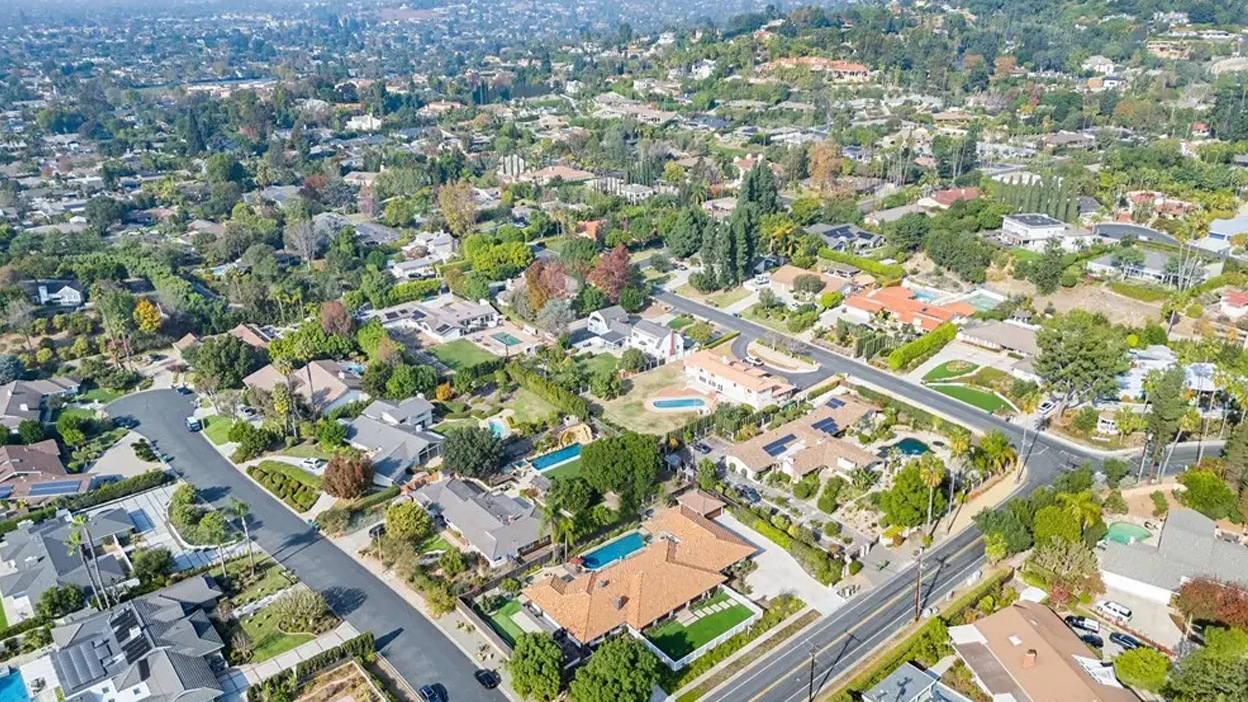
Browning is the gateway to the Blackfeet Indian Reservation and rich in Native American culture.
- Population: ~1,000
- Median Home Price: ~$120,000
- Median Rent: ~$500/month
- Median Household Income: ~$34,000/year
- Local Weather: Plains climate with harsh winters.
- Economy and Jobs: Tribal government, tourism.
- Educational Opportunities: Schools focused on indigenous culture and community.
- Ideal For: Those interested in Native American culture and rural lifestyles.
- Known For: Indigenous heritage, access to Glacier National Park.
Browning has strong cultural elements but economic challenges.
Frequently Asked Questions (FAQs)
How does the cost of living in Montana cities compare to national averages?
Montana cities generally have a moderate to slightly lower cost of living than the national average. However, popular areas like Bozeman and Whitefish can be pricier due to demand, while smaller towns tend to be more affordable.
Which Montana city has the best real estate market for buyers?
Bozeman and Missoula provide strong real estate markets with potential appreciation but come with higher prices. Affordable options exist in Butte, Great Falls, and similar towns, offering budget-friendly home buying opportunities. For nationwide market tips, see 10 Best Places to Live in the US.
What are the safest neighborhoods in Montana?
Safety rankings highlight smaller towns and suburban areas like Four Corners near Bozeman as some of the safest neighborhoods. Generally, communities with lower population density have lower crime rates.
How does the weather and climate vary between Montana’s top cities?
Western Montana (Whitefish, Kalispell) features wetter, colder, and snowier winters, whereas eastern Montana (Billings, Great Falls) has drier, milder winters. Mountainous regions are colder year-round.
What is the job market like in Montana?
Montana’s economy is diversified across education, healthcare, tourism, agriculture, energy, and tech, especially strong in university towns such as Bozeman and Missoula. Growth sectors include healthcare and technology.
What educational opportunities are available in key Montana cities?
Bozeman, Missoula, and Helena offer high-quality K-12 schools along with major universities (Montana State University, University of Montana), providing excellent educational resources for families and students. For more on family-friendly cities, visit 10 Best Places to Raise a Family in the US.
Conclusion
Understanding the 10 best places to live in Montana is essential for finding a community that fits your lifestyle, budget, and priorities. Montana offers a broad spectrum of living experiences, from vibrant college towns like Bozeman and Missoula, to mountain resorts such as Whitefish, and affordable historic towns like Butte. According to the U.S. Census Bureau, demographic trends and migration patterns offer key insights into Montana’s evolving population dynamics.
Each city and neighborhood differs significantly in terms of the Montana real estate market, cost of living in Montana cities, amenities, employment opportunities, and climate. Evaluating these factors carefully helps you make an informed choice to find your ideal home or investment. Also, for tips on peaceful lifestyles and scenic living, consider exploring 10 Best Peaceful Places to Live in the US. Additionally, for perspectives on beautiful surroundings and natural charm, the 10 Most Scenic Cities to Live in the US is an excellent read.
For more in-depth information, we recommend consulting local experts or real estate professionals who can offer personalized guidance.
Ready to start your search? Explore the top cities and best neighborhoods in Montana today, and discover why the Treasure State is one of the best places to live.