Remote work is no longer a niche trend—it’s become a fundamental shift in how millions of Americans perform their jobs. Enabled by digital technologies and a growing desire for flexibility, remote work allows professionals to work from anywhere outside of traditional office settings. This guide highlights the 10 most affordable cities for remote workers in the US, hand-picked to help you save money without compromising lifestyle or career. For those considering relocation, exploring insights on the best cities for remote workers can provide valuable perspectives.
For remote professionals seeking to stretch their income, finding low-cost cities for remote professionals with strong infrastructure and vibrant communities is crucial. This blog serves as a resource to discover the best budget cities for working remotely, combining affordability with quality of life, connectivity, and opportunity.
Why You Need Affordable Cities for Remote Work
Choosing to live in most affordable cities for remote workers offers a range of benefits that go beyond just saving money. Since many remote workers earn salaries not tied to the local economy, living in a cheaper city can extend your savings and reduce financial stress. According to data from the U.S. Census Bureau, shifts in migration and work habits are reshaping where Americans choose to live and work remotely.
- Lower Housing Costs Extend Your Budget: Inexpensive rent and home prices mean that a larger percentage of your income can go toward savings or investments, rather than monthly bills. For example, cities where a median home costs under $300,000 allow professionals to buy or rent without breaking the bank. Housing market insights from Zillow highlight current trends and affordability challenges that remote workers should consider during relocation planning. To better understand housing expenses, reviewing detailed cost of living data in various cities can help remote professionals balance their budgets.
- Affordable Access to Daily Essentials: Being in an affordable city ensures that groceries, healthcare, transportation, and other basic needs don’t carry premium prices. This reduces day-to-day financial pressure while maintaining quality living standards.
- Improved Work-Life Balance: Affordable housing and recreational activities free up time and energy for hobbies, fitness, and social connections. This balance is essential for remote workers to avoid burnout and maintain motivation.
- More Resources for Growth: With less money tied up in living expenses, remote workers can invest more in online courses, certifications, or creative pursuits, advancing their careers and personal development.
- Supportive Remote Worker Communities: Many cheapest US cities for digital nomads and remote professionals foster social networks, coworking programs, and meetups that help reduce isolation and build meaningful connections.
In short, choosing low-cost cities for remote professionals is a smart strategy to increase financial security, health, and happiness.
Criteria for Choosing the Best Cities for Remote Workers
Finding the most affordable cities for remote workers requires evaluating practical and lifestyle factors. Here is a clear framework of key criteria to consider:
- Affordability: Look at the median home price and median rent. Ideal budget cities typically have median home prices below the national median (which is over $400,000) and rental rates under $1,500 per month for a one-bedroom. Affordable housing is crucial to keep overall living costs manageable.
- Robust Local Economy: A diverse economy with low unemployment rates supports stability. Cities with industries like tech, healthcare, entrepreneurship, and coworking hubs often welcome remote workers. This diversity safeguards your career options and offers networking opportunities.
- Quality of Life: Safety statistics, mild or pleasant climates, and access to cultural events, parks, and outdoor recreation all contribute to a satisfying lifestyle. Cities with four distinct seasons or sunny weather support a healthy work-life balance.
- Reliable Infrastructure: Fast, dependable internet is non-negotiable for remote work. Cities with multiple coworking spaces, business centers, and digital resources help remote professionals stay productive and connected.
- Educational Opportunities: For families and lifelong learners, strong public schools and universities offering adult education or remote learning programs make a city more attractive.
- Community & Networking: Successful remote workers thrive in supportive communities with professional meetups, remote worker assistance programs like Tulsa Remote, and active digital nomad groups.
Selecting cities based on these criteria ensures you pick one of the best budget cities for working remotely that go beyond just low cost.
7. Bellevue, Washington
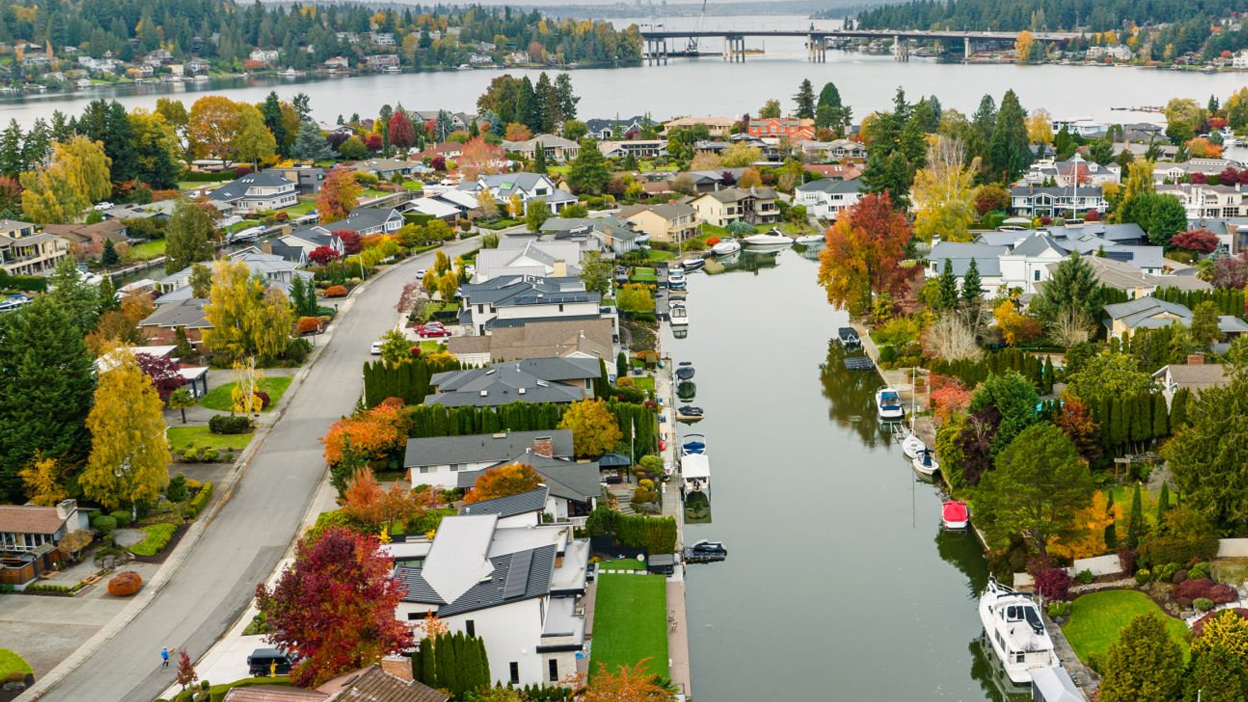
Bellevue, a Seattle suburb, offers high wages and strong tech job markets but with higher living costs.
- Population: ~155,000
- Median Home Price: ~$1,050,000
- Median Rent: ~$2,400 per month
- Median Household Income: ~$92,000
- Local Weather and Climate: Mild, green, and near mountains.
- Economy and Jobs: Tech-focused with multiple remote work opportunities.
- Educational Opportunities: Excellent schools and city-wide learning programs.
- Ideal For: High-earners and tech professionals.
- Known For: Walkable downtown and vibrant business district.
Though pricey, Bellevue compensates with top remote work jobs and quality of life.
8. Frisco, Texas
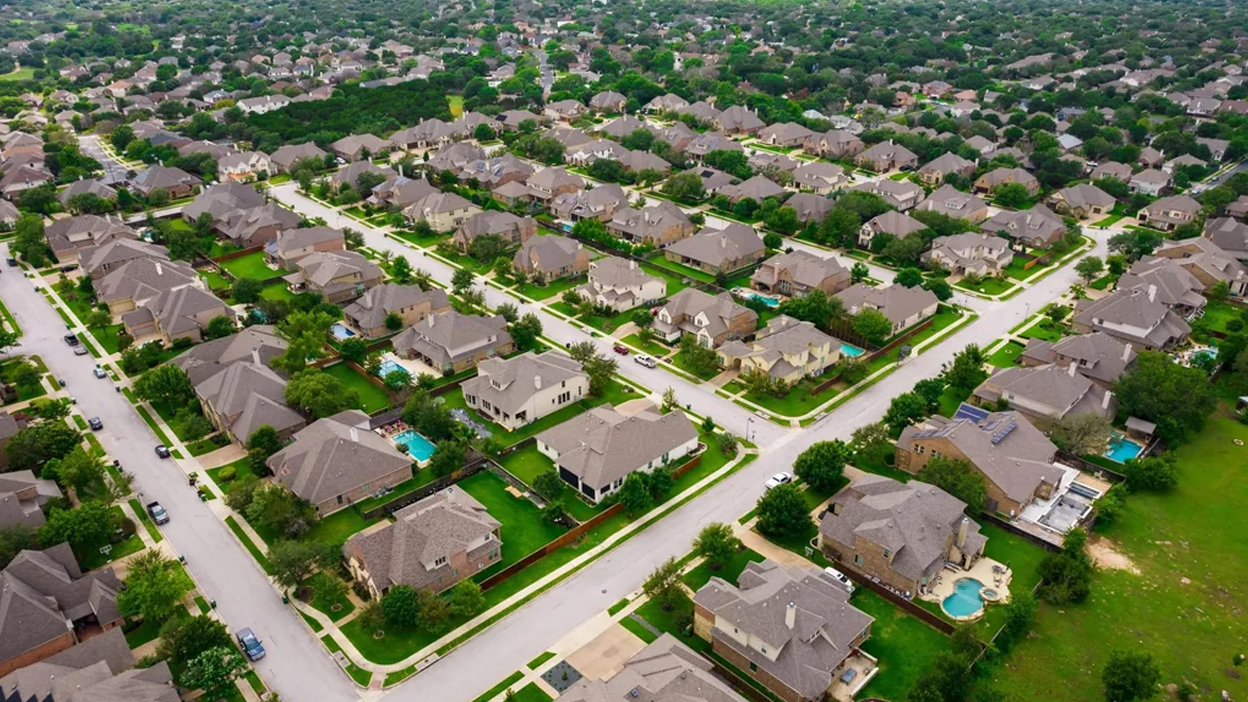
Frisco boasts a low cost of living for Texas, strong earnings, and a rapidly growing remote workforce.
- Population: ~220,000
- Median Home Price: ~$600,000
- Median Rent: ~$1,850 per month
- Median Household Income: ~$72,000
- Local Weather and Climate: Hot summers and mild winters.
- Economy and Jobs: Tech, low unemployment, and numerous businesses supporting remote work.
- Educational Opportunities: Growth in schools and proximity to Dallas’ educational resources.
- Ideal For: Remote-working families.
- Known For: Nearly 40% remote workforce and strong income potential.
Frisco offers suburban comfort with a high remote work adoption rate, making it a solid best budget city for working remotely.
9. Louisville, Kentucky
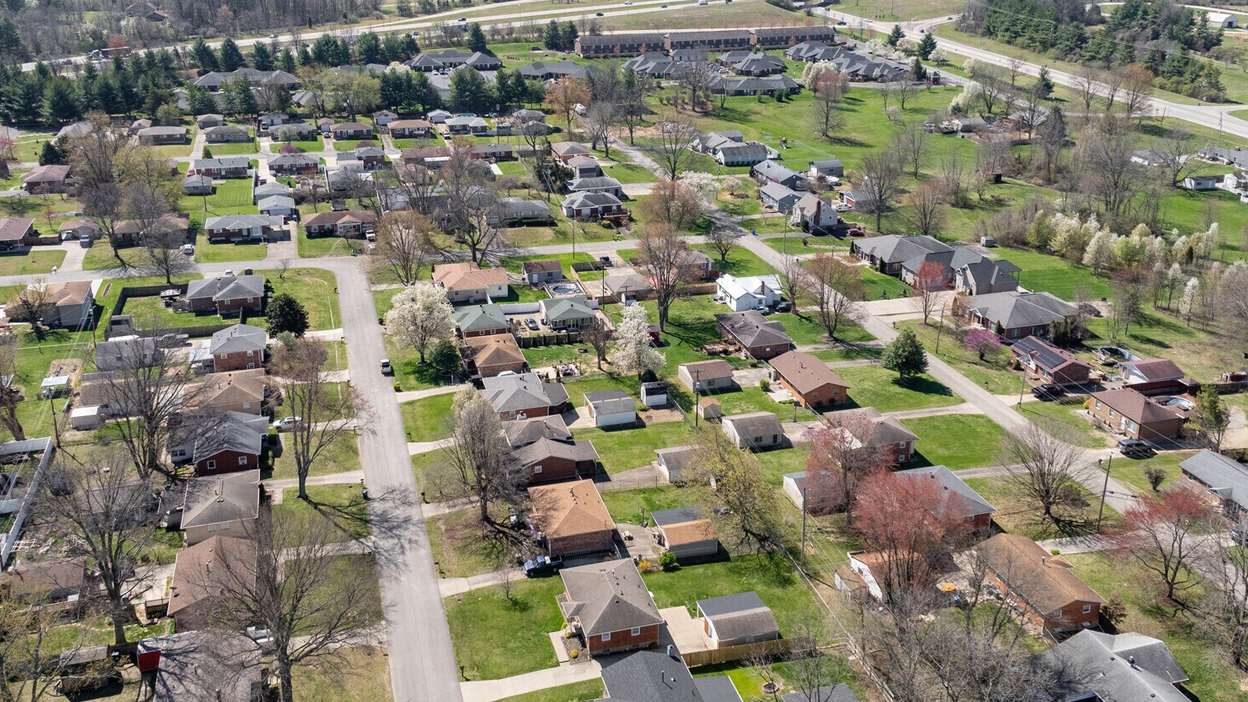
Louisville combines low housing costs with a lively cultural and social scene.
- Population: ~620,000
- Median Home Price: ~$241,000
- Median Rent: ~$859 per month
- Median Household Income: ~$58,000
- Local Weather and Climate: Four seasons with humid summers.
- Economy and Jobs: Healthcare, logistics, and small business are major employers.
- Educational Opportunities: Several universities and cultural educational events.
- Ideal For: Value seekers and creatives.
- Known For: Coffee culture and historic districts.
Louisville’s affordability and social vibe make it an appealing city in the cheapest US cities for digital nomads group.
10. Tucson, Arizona
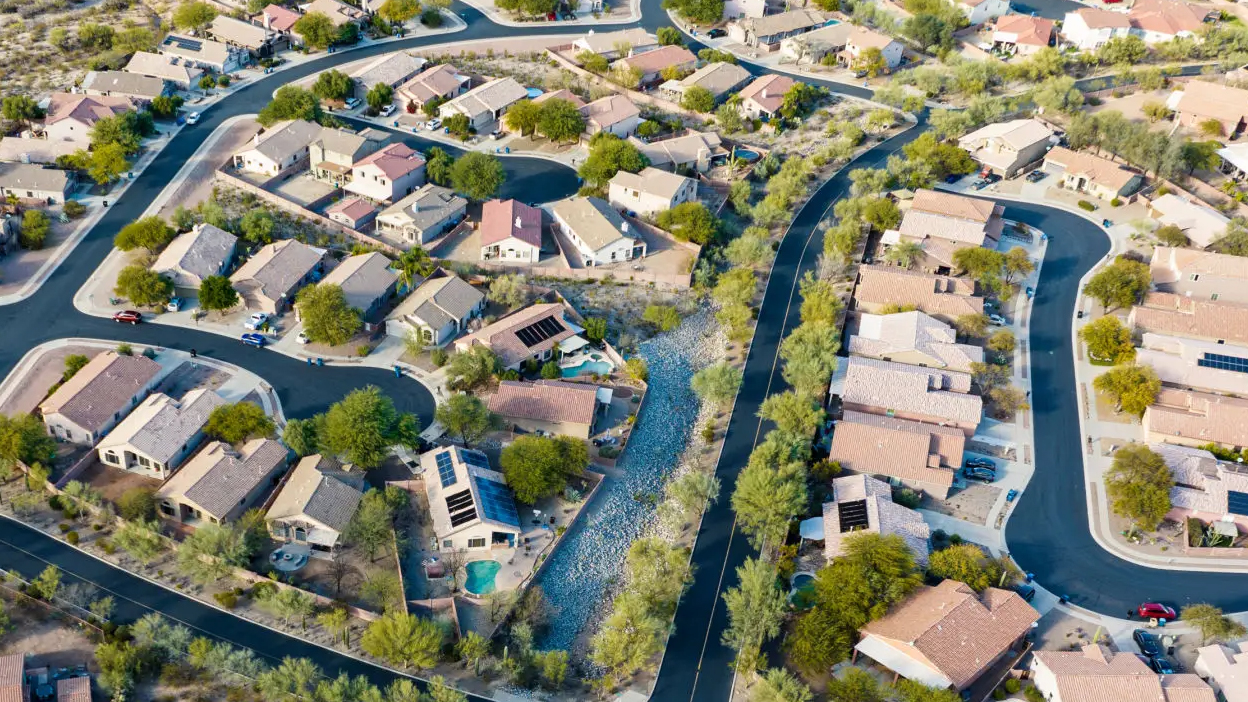
Tucson offers very low rent with sunny, desert weather and a big college-town atmosphere.
- Population: ~546,000
- Median Home Price: ~$340,000
- Median Rent: ~$720 per month
- Median Household Income: ~$47,000
- Local Weather and Climate: Desert dry heat with lots of sunshine.
- Economy and Jobs: University-driven, plus healthcare and retail sectors.
- Educational Opportunities: University of Arizona and adult learning programs.
- Ideal For: Students and sun-lovers.
- Known For: Affordable rent and strong youth culture.
Tucson offers warmth, affordability, and education, making it a top pick for budget-conscious remote workers.
Frequently Asked Questions (FAQs)
What defines an affordable city for remote workers?
An affordable city balances low housing costs with a livable median income and essential amenities. It also offers reliable internet and quality of life aspects like safety and recreation.
How do I choose the best budget city for my remote work lifestyle?
Evaluate factors like monthly living costs, internet quality, job market stability, personal interests, social scene, and climate preferences.
Are low-cost cities safe and good for families?
Many affordable cities have improving public safety and strong schools, but it’s important to research specific neighborhoods.
What other factors should remote professionals consider besides cost?
Internet speed, coworking spaces, community support, education, healthcare, and climate all impact your experience.
How can digital nomads find community and networking in these cities?
Look for local remote worker programs, coworking spaces, meetups, and online social groups specifically for digital nomads.
Do these affordable cities have good internet connectivity?
Yes—most have or are improving high-speed internet and multiple coworking spaces critical for remote work.
Conclusion
The 10 most affordable cities for remote workers in the US highlighted offer diverse options for professionals seeking cost savings without sacrificing quality of life, career growth, or connection. From Tulsa’s incentive programs to Boise’s outdoor lifestyle and Chattanooga’s lightning-fast internet, each city presents a unique blend of affordability, infrastructure, and community.
By carefully matching your personal and professional priorities with the criteria and profiles presented, you can make an informed choice about where to base your remote work life. Explore additional resources, connect with local remote communities, and start planning your move to one of these exceptional best budget cities for working remotely today.
Your next affordable remote work hub awaits!