Finding the most affordable places to live in New York can feel challenging amid the state’s varied real estate markets and living costs. This guide focuses exclusively on officially incorporated cities in New York State that offer affordable housing, manageable rents, and sustainable household incomes. Affordability here means median home prices below approximately $200,000 and rental costs under about $1,200 per month—well below New York’s wider state and national averages.
Moreover, these cities balance low costs with key urban amenities, utilities, transportation, and community services. This ensures daily living expenses remain manageable without sacrificing quality of life. Whether you are seeking cheap places to live in New York or sustainable city living on a budget, the following analysis highlights affordable NY cities optimized for cost-conscious residents.
Why Choosing the Right Affordable City Matters in New York
New York’s cost of living varies dramatically, and choosing the right affordable city can transform your quality of life. Housing costs often consume a large portion of income in many parts of the state, especially downstate urban centers. Utilities, especially heating in harsh winters, add further monthly expense burdens, while transportation costs rise with car dependency or limited public transit options.
Affordable living means more than low housing prices—it supports careful budgeting, family planning, and the ability to save for the future while maintaining access to essential services. Incorporated cities provide reliable governance, infrastructure, and urban amenities such as schools, parks, and public transit, which unincorporated or non-city areas may lack. Choosing officially incorporated cities helps secure dependable safety standards and municipal services that low-cost areas must include to sustain long-term community wellbeing.
In short, affordable NY cities combine cost savings with structured urban supports, making them optimal choices for residents looking to maximize quality without high living expenses.
Criteria for Selecting the Most Affordable Official Cities in New York
Our list strictly adheres to cities officially incorporated under New York State law. This excludes towns, villages, CDPs, or unincorporated areas to maintain accuracy aligned with the article’s core intent.
Key factors included in selecting these most affordable places to live in New York are:
- Median home prices approximately under $200,000, with most well below that threshold.
- Median rents below roughly $1,200 per month, enabling budget-friendly leasing.
- Median household incomes sufficient to keep housing costs sustainably below 30% of income.
- Local job markets with low unemployment, generally below 5%, ensuring economic stability.
- Community features like parks, reputable public schools, and safety levels better than state averages.
- Reliable infrastructure and public services typical of incorporated cities.
These combined factors ensure affordability is practical and sustainable, not just numerical. Data comes from the latest 2026 real estate reports and cost of living analyses, focusing on providing readers an up-to-date, comprehensive perspective on affordable NY cities.
10 Most Affordable Places to Live in New York (2026 Guide)
1. Hornell
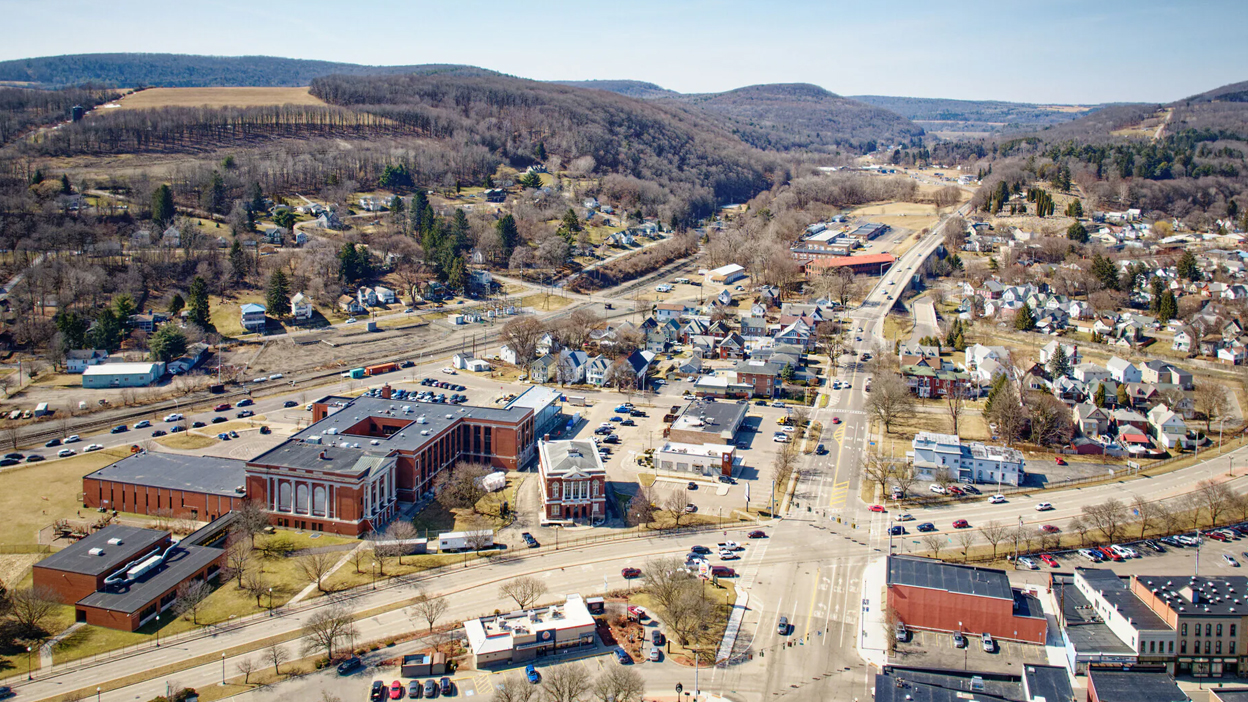
Hornell is an officially incorporated city in Steuben County, located in New York’s Southern Tier near the Pennsylvania border. About 70 miles south of Rochester, Hornell is a small industrial city with rural surroundings, blending urban access and quiet lifestyles.
- Population: ~8,150 residents
- Median Home Price: ~$94,500
- Median Rent: ~$800 per month
- Median Household Income: ~$47,400 annually
- Affordable Living Experience: Hornell exemplifies affordability beyond its low housing prices. Utilities, transportation, and groceries remain economically manageable thanks to the city’s small-scale economy. With housing costs roughly 50% below national averages, residents can allocate income toward amenities and savings. Safe neighborhoods and dependable municipal services provide residents with value-packed affordability without sacrificing urban convenience.
- Local Weather and Climate: Hornell experiences cold winters averaging around 20°F, leading to higher heating needs. Summers are mild, near 70°F, reducing cooling expenses. Seasonal weather influences utility costs but efficient home designs help moderate living expenses.
- Economy and Jobs: Key industries include manufacturing and education, supported by proximity to Alfred University and SUNY Alfred. Employment is stable with low unemployment, contributing to Hornell’s sustainability as an affordable city.
- Educational Opportunities: Access to nearby public universities enhances educational affordability. Public schools offer families cost-effective learning options.
- Ideal For: Students, young professionals starting their careers, retirees on fixed incomes.
- Known For: Its rich rail heritage, scenic surroundings, and student-friendly housing environment.
Hornell’s drastically low home prices and cost structures make it one of the most affordable places to live in New York, perfectly suited for those seeking sustainable, budget-conscious urban living.
2. Ogdensburg
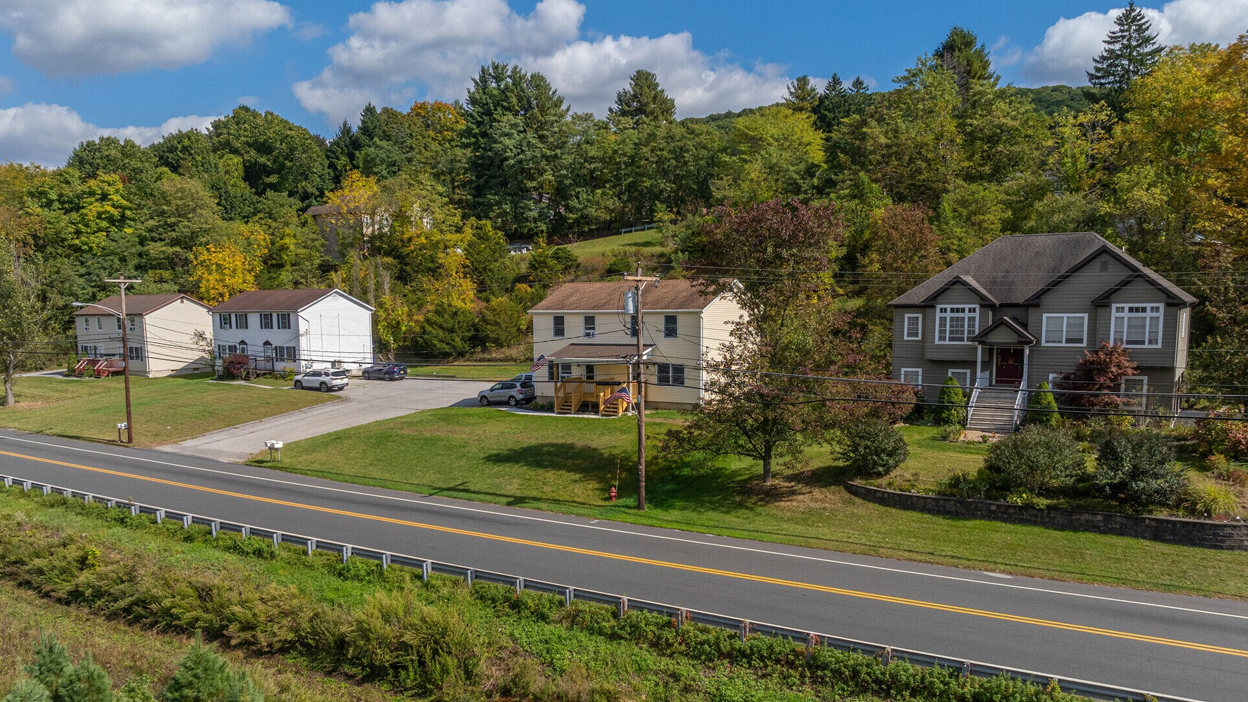
Ogdensburg is an incorporated port city in St. Lawrence County, situated on the St. Lawrence River near the Canadian border. It serves as a historic trade hub with a compact, community-oriented atmosphere.
- Population: ~9,460 residents
- Median Home Price: ~$85,400
- Median Rent: ~$800 per month
- Median Household Income: ~$61,800 annually
- Affordable Living Experience: Ultra-low rentals and modest utilities allow residents to enjoy surplus income for leisure and essentials. Proximity to the river helps keep transportation economical, and local grocery prices remain budget-friendly. Overall, Ogdensburg offers affordability combined with stability and safety.
- Local Weather and Climate: Winters here are harsh and snowy, with temperatures between 10-20°F. Summers stay cool around 70°F. The energy costs in winter are buffered by affordable utilities and heating rates.
- Economy and Jobs: Industries focus on logistics, manufacturing, and small business. The unemployment rate is low, near 3.2%, supporting economic affordability.
- Educational Opportunities: The city offers good public schools and places emphasis on vocational training. College access in the region adds value for residents seeking education on a budget.
- Ideal For: Families, budget-conscious workers, and individuals valuing quiet stability.
- Known For: Its rich riverfront history and well-maintained parks such as Veterans Memorial.
Ogdensburg’s combination of extremely low housing costs and solid governance places it among the cheapest and most affordable cities in New York.
9. Troy
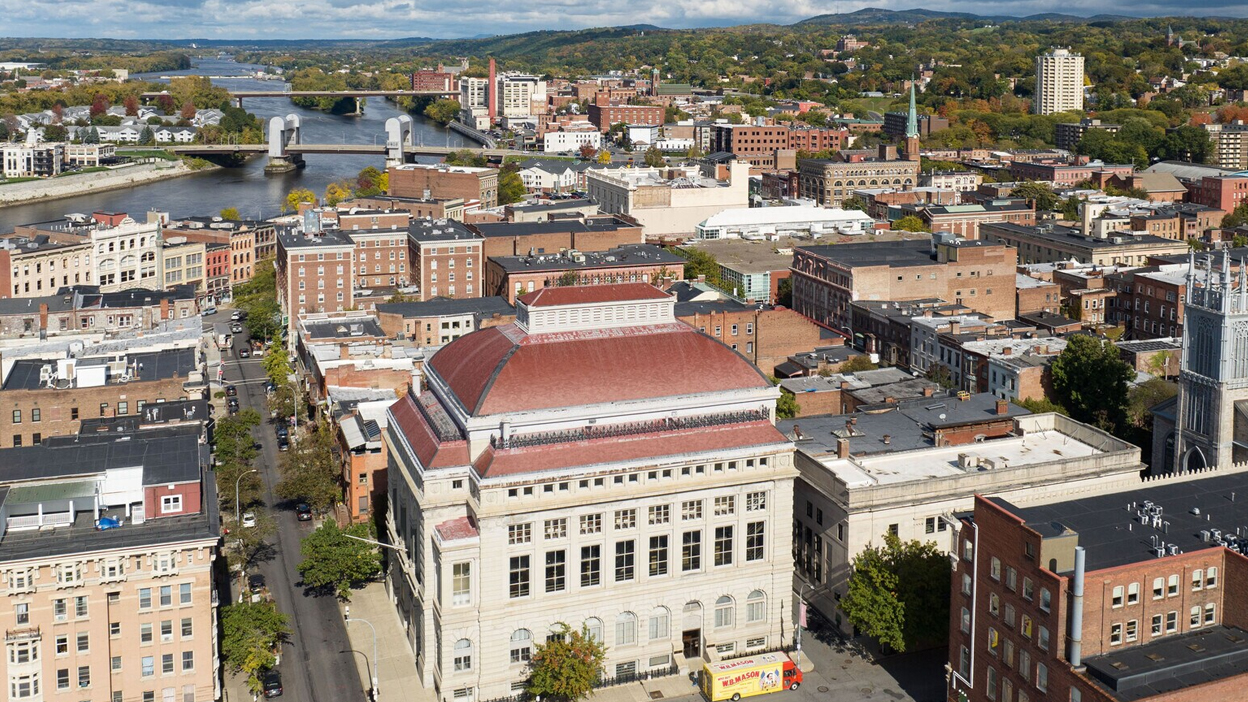
Troy is an incorporated city in Rensselaer County on the Hudson River, near Albany, nicknamed the “Collar City” for its historic textile industry.
- Population: ~52,440 residents
- Median Home Price: ~$201,800
- Median Rent: ~$900 per month
- Median Household Income: ~$57,700 annually
- Affordable Living Experience: Troy offers charming riverfront living with historic architecture at lower cost than other Hudson Valley cities. Its proximity to Albany’s jobs and services balances convenience with saving potential.
- Local Weather and Climate:Temperate Hudson Valley climate with cold winters and mild summers influences utility bills but remains manageable.
- Economy and Jobs: Engineering, education, and government sector jobs (e.g., at Rensselaer Polytechnic Institute and Sage Colleges) contribute to employment opportunities.
- Educational Opportunities: Strong STEM programs at local universities and quality public schools serve families and students.
- Ideal For: Students, college-affiliated residents, and young professionals.
- Known For: Historic architecture, university presence, and cultural festivals.
Troy’s low rents and housing costs combined with job proximity make it a top choice for affordable city living in New York.
10. Albany
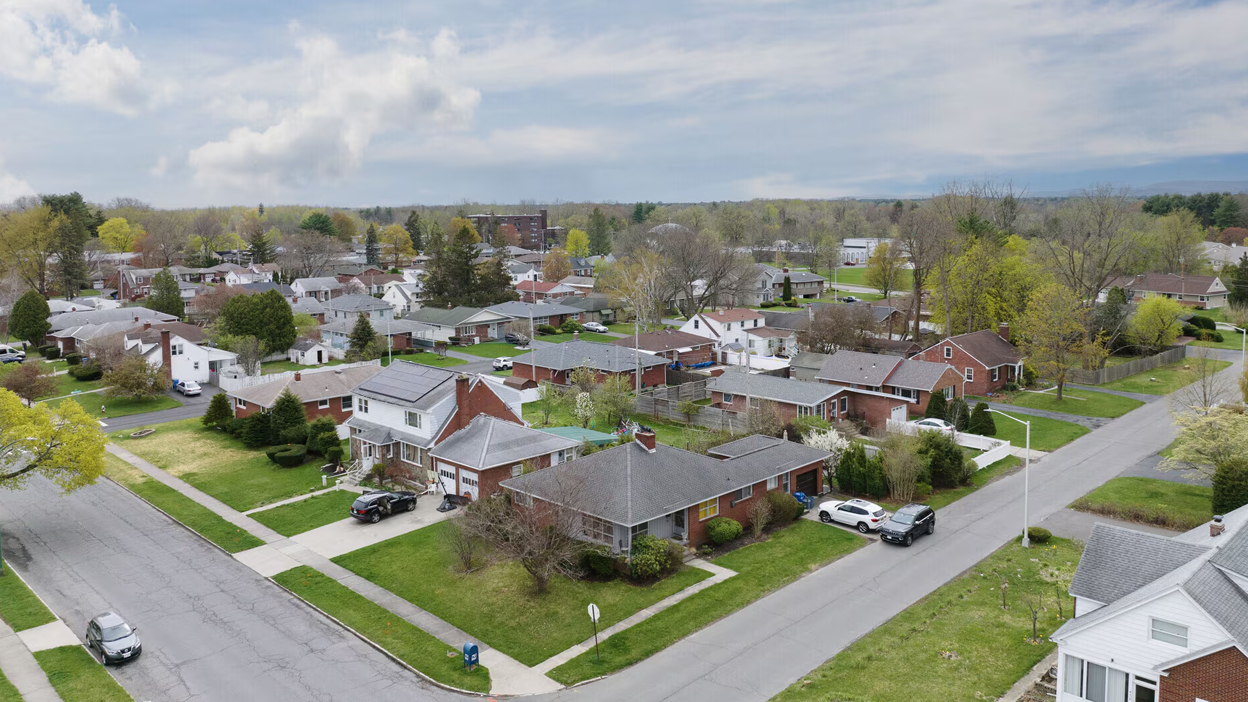
Albany is the incorporated state capital of New York, situated in Albany County on the Hudson River. It is a government and education hub.
- Population: ~103,410 residents
- Median Home Price: ~$223,700
- Median Rent: ~$1,000 per month
- Median Household Income: ~$57,000 annually
- Affordable Living Experience: State employment provides reliable income sources, stabilizing local costs. Urban services, quality utilities, and accessible lifestyles contribute to consistent affordability.
- Local Weather and Climate: Four distinct seasons with snowy winters and mild summers influence heating and cooling bills but remain predictable.
- Economy and Jobs: Government, healthcare, and educational institutions like SUNY Albany provide diverse job markets.
- Educational Opportunities: SUNY Albany and reputable public schools offer extensive educational access.
- Ideal For: Professionals, families, and public sector employees.
- Known For: State government, historical landmarks, and vibrant downtown culture.
Albany’s status as a capital city with affordable housing and steady employment rounds out this list of the most affordable places to live in New York.
Frequently Asked Questions (FAQ)
What defines an affordable city in New York?
An affordable New York city features housing costs significantly below state averages, with median home prices typically under $200,000 and rents below $1,200 monthly. Income levels must support these costs sustainably, keeping housing expenses under 30% of earnings. Affordability also considers utilities, transportation, and access to services that maintain a reasonable overall cost of living.
How does cost of living differ across New York cities?
Upstate cities such as Hornell and Ogdensburg boast costs approximately 20-50% below national averages, largely driven by low housing prices. Downstate metro areas generally have higher costs, especially in NYC, where housing pressures and daily expenses can be 2-3 times greater. Geography and local economy influence these disparities.
Are affordable cities still safe and family-friendly?
Yes. Selected affordable cities in New York maintain safety levels better than many urban areas statewide. Community parks, quality public schools, and supportive infrastructures create family-friendly environments even within lower-cost cities.
How to evaluate affordability beyond just housing costs?
Consider utilities, transportation availability, job market stability, climate factors affecting energy usage, and educational access. These collectively shape someone’s real living experience and financial sustainability in a city.
Can affordable cities provide good job opportunities?
Absolutely. Many affordable New York cities have stable job markets in sectors such as healthcare, education, manufacturing, and government. Cities like Buffalo and Syracuse especially boast diverse, growing economies suitable for career advancement while keeping housing affordable.
Conclusion
This detailed examination of the 10 most affordable places to live in New York highlights cities officially incorporated under state law that combine low cost housing with sustainable incomes and diverse job markets. From Hornell’s ultra-low home prices to Albany’s government stability, these cities represent a balance of urban amenities and affordability rarely found elsewhere in New York.
Choosing an incorporated city ensures access to reliable services, infrastructure, and governance essential for long-term cost control and quality of life. For anyone prioritizing low cost of living New York options, this list delivers authoritative, practical choices grounded in data and lived experience.
When considering relocation or starting fresh, focusing on affordable NY cities as outlined here can offer sustainable urban lifestyles, budget-friendly housing, and community stability. These truly are the most affordable places to live in New York—places where residents can thrive economically and socially without the usual New York cost burdens.
Ready to explore affordable city living in NY? These incorporated cities provide pathways to a balanced budget and rich urban experiences for both new arrivals and lifelong residents.