
Deciding where to live in Alabama is more than a question of geography or market conditions; it is a profoundly personal choice shaped by distinct lifestyle priorities. The process is not about chasing popular “best places to live in Alabama” lists or external rankings but rather about thoughtful self-reflection. This means weighing what environments suit your daily rhythms, what services you need close by, and how you engage with community and nature.
Alabama offers a rich blend of communities, ranging from bustling urban centers to calm suburban neighborhoods and expansive rural stretches. Understanding how these diverse settings align with your values and routines guides your decision. Along the way, the Alabama cost of living becomes an important factor—not only regarding housing but also day-to-day expenses and how these integrate with your lifestyle preferences. Let’s explore how to evaluate where to live in Alabama through a framework that emphasizes lifestyle fit over preconceptions.
Daily Lifestyle Priorities: Urban, Suburban, and Rural Living

At the heart of determining your ideal location in Alabama is clarifying the tempo and environment that resonate with your everyday life.
Urban living in cities like Birmingham and Huntsville is defined by proximity to a variety of amenities. These include cultural venues, libraries, parks, and event spaces offering year-round activities. The urban pace encourages social engagement and accessibility, with short distances to restaurants, theaters, and community events. For some, this environment fosters a sense of energy and connectivity, shaping how daily routines unfold—from morning walks in green spaces to spontaneous evening plans.
On the other hand, suburban life in areas adjacent to cities offers a hybrid pace. Neighborhoods near Huntsville or Mountain Brook exemplify this balance, where residents enjoy more space, walkable streets, and a quieter atmosphere without losing easy access to employment centers and urban services. The suburban rhythm often brings family-focused communities, a greater sense of privacy, and opportunities for backyard gardening or local gatherings. This blend can satisfy those wanting city convenience and residential calm.
Rural residency stretches across the vast lands of Alabama. Places like Wetumpka or near DeSoto State Park characterize this slower lifestyle dominated by natural surroundings. Here, daily life might involve fishing on a river, hiking forest trails, or simply savoring wide open skies. However, services such as grocery stores, healthcare, or entertainment may require longer travel times, and social life tends to be smaller in scale but often more intimate. The question many grapple with is how much they value urban conveniences compared to rural tranquility.
These categories are not about hierarchy but trade-offs. Urban convenience is balanced against rural space and peace, while suburban areas often mediate these contrasting preferences. Understanding how these lifestyles impact the Alabama cost of living is essential, as daily living expenses and housing costs interplay differently in each environment, influencing overall satisfaction.
Geography and Regional Differences
Alabama’s geography shapes distinct living experiences that go beyond community type, offering regional flavors that deserve consideration.
The coastal Gulf region, including Mobile and nearby areas, attracts those drawn to water-related activities, such as boating and beachside relaxation. Scenic bay views and mild winters here create a lifestyle intertwined with nature’s rhythms. This region’s charm lies in its blend of maritime culture and urban amenities, though humidity and storm seasons factor into comfort and energy needs.
Moving northward, the mountainous zones of northern Alabama provide a change of pace with cooler temperatures and hilly terrain. The Appalachian foothills invite hiking, waterfalls, and panoramic overlooks—spaces for immersive outdoor experiences. Places like Monte Sano State Park near Huntsville stand out as natural retreats close to urban infrastructure, allowing residents to balance rugged scenery with city conveniences.
Urban areas are social melting pots, offering greater cultural diversity and a range of social opportunities. Birmingham’s Forest Park neighborhood or Huntsville’s cultural festivals exemplify vibrant urban community life with art shows, music events, and varied cuisines. These environments support an inclusive experience blending longtime residents and newcomers.
University towns add another layer, pulsating with youthful energy and social activities centered on athletics and arts. Yet, not everyone seeks constant engagement, and for some, a quieter, more stable social fabric suits emotional needs better.
Social diversity, engagement, and pace vary across these settings, shaping feelings of safety, belonging, and comfort. Reflecting on which kind of social environment nurtures your wellbeing is as important as evaluating practical factors when considering where to live in Alabama.
Short-Term vs Long-Term Living Considerations
Your intended duration of residence significantly affects which factors to prioritize in your decision.
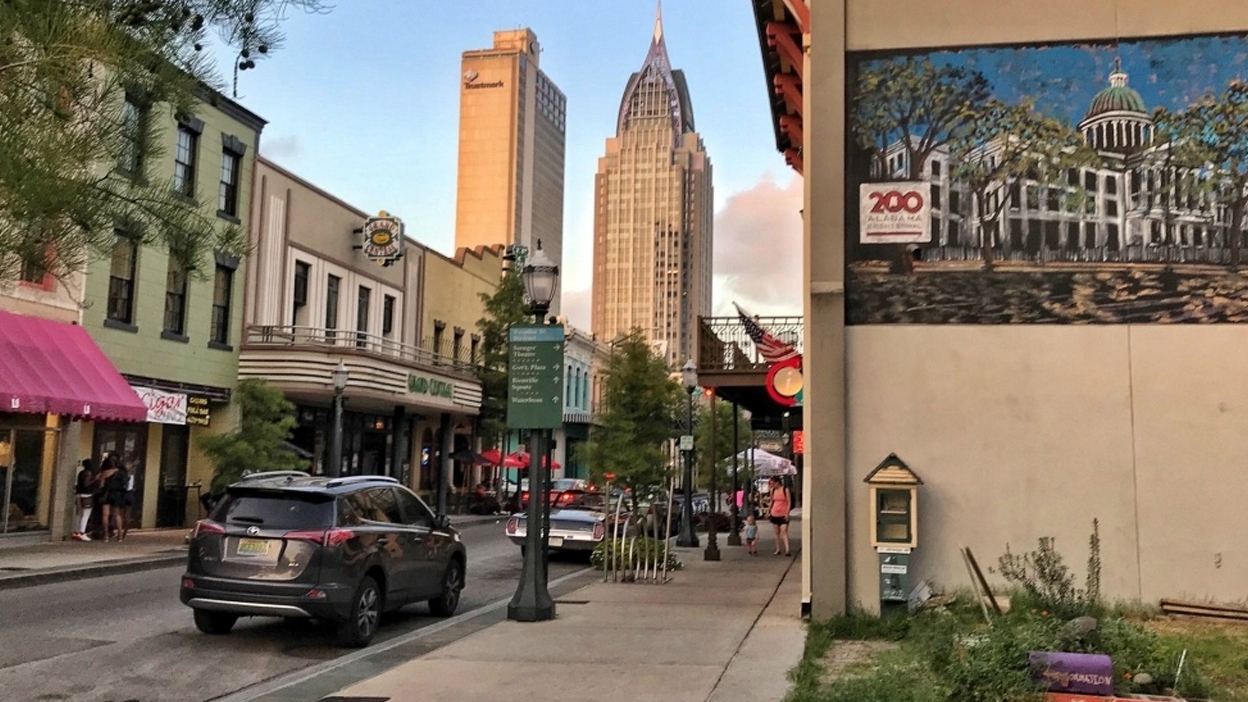
For short-term stays, flexibility and immediacy tend to take precedence. Urban centers like Birmingham offer high convenience for trial living, easy rental opportunities, and diverse entertainment. Coastal cities such as Mobile provide settings where one can quickly immerse in beachside living without deep commitment.
Living long term shifts focus to embedding into the community, fostering relationships, and adapting to evolving needs—whether through family growth, career shifts, or lifestyle changes. Suburban and rural areas often support these goals by offering space for larger homes, outdoor activities, and stability over time. Here, exercising patience in settling and embracing local culture becomes integral.
Long-term residents might also consider adaptability. Mild Alabama winters combined with access to natural parks support aging in place, and suburbs close to economic hubs allow balancing work evolutions.
Rather than rigid plans, developing a framework that anticipates change while honoring current priorities enables a sustainable approach. Recognizing how duration affects preferences sharpens your sense of alignment with Alabama’s varied living options.
Practical Ways to Narrow Down Your Options
Moving from abstract considerations to concrete decisions involves a structured method.
Begin with genuine self-reflection: clarify what matters most. Is access to work or education paramount? Does proximity to nature inspire you daily? Do you seek an active, diverse social scene or prefer a quiet, familiar neighborhood? How influential is the pace of life—fast urban energy or slow rural calm?
Next, experience Alabama firsthand. Walk Birmingham’s Railroad Park, hike DeSoto Falls trails, or explore Wetumpka’s riverbanks. Physical exploration reveals intangible elements: the warmth of locals, seasonal shifts, community rhythms, and how public spaces feel. These visits help ground decisions in reality beyond online research.
During visits, observe practical elements: commute times, neighborhood interactions, housing conditions, and general affordability. Evaluate how these aspects interact with your lifestyle preferences and finances.
Finally, practice patience and openness. Decisions unfold over time. Allow space for surprise discoveries, such as Huntsville’s unique blend of urban life with nearby nature escapes. A measured, reflective approach increases the likelihood that choices align deeply with your personal vision.
Conclusion
When navigating Alabama’s diverse landscapes and community types, no singular answer fits all. The ideal locale is one that reflects your unique blend of priorities—whether that means the vibrancy of a bustling city, the harmonious balance of a suburban setting, or the peaceful expanse of rural surroundings.
By focusing on what genuinely feels like home—supporting your day-to-day wellbeing and matching lifestyle aspirations—you move beyond external opinions or transient trends. Embrace the complexity of the choice with thoughtful confidence, appreciating the richness Alabama offers as you find your place in its dynamic tapestry.