Deciding how to choose where to live in Louisiana is not simply a matter of consulting rankings or checking off popular lists. It’s a deeply personal process, guided by what fits your daily rhythms, values, and long-term plans. Louisiana is a patchwork of diverse communities, ranging from vibrant urban hubs steeped in culture and history to family-focused suburban enclaves and tranquil rural areas woven into the bayou landscape.
Understanding the state’s variety—from the street parades of New Orleans to the quiet charm of northern parishes—requires more than knowing the best places to live in Louisiana by broad metrics. Instead, it calls for a reflection on how your lifestyle aligns with the character of different locales. Choosing where to live in Louisiana means finding a place where your everyday life can thrive in harmony with community energy, natural surroundings, and practical realities.
Daily Lifestyle Priorities: Urban, Suburban, and Rural Living in Louisiana

Lifestyle fit begins with recognizing how living environments shape your routines and experiences. Louisiana offers a spectrum: the fast-paced hum of urban centers, the measured balance of suburbs, and the spacious calm of rural settings. Each influences daily life distinctly, reflecting trade-offs without necessarily ranking one as better.
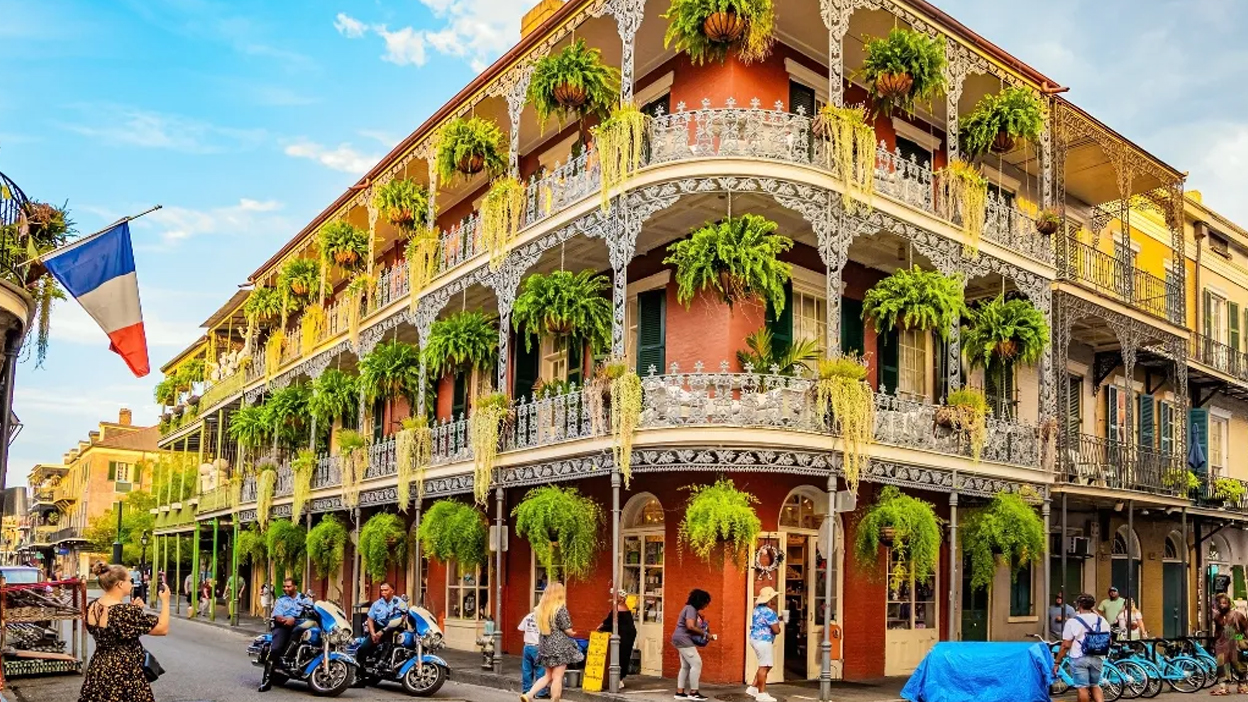
In Louisiana’s cities, urban living manifests through dense populations, a rich mosaic of housing options, and a cultural tapestry brimming with music, food, and festivals. From historic French Quarter homes to contemporary apartments, these areas pulse with energy. Days are marked by the buzz of nightlife, diverse dining that reflects Creole and Cajun heritages, and frequent community events. Urban life invites a dynamic routine but demands adjusting to traffic congestion and sometimes aging infrastructure. The faster pace suits those energized by variety and cultural immersion but may feel overwhelming to others.
Suburban neighborhoods offer a different rhythm. Here, the day unfolds more quietly, blending access to essentials with peaceful surroundings. Quality schools, parks, and local shops are characteristic, making suburbs particularly appealing to families or anyone valuing predictability and ease. The pace supports routines that balance work and leisure with community gatherings, neighborhood sports, or farmer’s markets. While offering proximity to urban opportunities, suburban life cushions residents from the intensity of city living.
Rural areas, especially in northern and bayou regions, invite slower days with ample personal space and strong social networks built on long-standing ties. The outdoors plays a central role; mornings or weekends often include fishing, boating, or simply enjoying nature’s calm. These communities emphasize hospitality and continuity but require accepting longer drives to specialized healthcare, shopping, or entertainment. The quiet fosters introspection and connection to place in ways hard to find in denser settings.
When considering where to live in Louisiana, think carefully about how these lifestyles align with your daily priorities. Urban environments may fuel your social energy, suburbs might support family logistics, and rural settings could nurture reflection and space. Understanding your preferences without framing any as better lays the foundation for a meaningful choice.
Geography and Regional Differences Shaping Life in Louisiana
Louisiana’s geography plays a subtle yet profound role in everyday living. The state’s humid subtropical climate brings long, warm summers marked by heavy humidity, influencing everything from housing design to utility bills. Its location along the Mississippi River and proximity to Gulf Coast wetlands create distinctive regional flavors that shape lifestyle more than straightforward pros or cons.
Southern Louisiana immerses residents in coastal culture, where waterways thread through cities and countryside alike. Architectural styles such as the vibrant shotgun houses embody history and tradition here. The environment encourages outdoor activities like fishing, boating, and birding amid wetlands and bayous. Living near water offers recreational pleasures and urban conveniences but also introduces hurricane and flooding risks that require awareness and preparation. The interplay between urban amenities and natural surroundings in the south offers a nuanced lifestyle where community rhythms reflect both land and water.
Conversely, northern Louisiana features more stable, less flood-prone terrain with a quieter ambience. The economy often revolves around recreation-based industries and retirees seeking calm. The landscape here supports a slower pace and draws those valuing serenity and clearer seasonal changes. While the natural splendor remains, the lifestyle reflects a different relationship with the environment, often less intertwined with coastal features.
Cultural traditions unique to Louisiana, such as Cajun lifestyles, Mardi Gras festivities, and statewide music events, contribute to social cohesion and enrich everyday experience statewide. Demographic composition also plays a role: urban areas tend to be more diverse ethnically and racially, while rural locales may be more homogeneous. This mosaic results in a variety of social experiences to explore.
Choosing where to live in Louisiana includes reflecting on what kind of social environment suits your temperament and values. Whether you thrive in close, consistent networks or prefer broad, vibrant urban diversity greatly affects your sense of community and belonging.
Short-Term Versus Long-Term Living Considerations
Your intended duration of residence shapes priorities when evaluating locations in Louisiana. Short-term stays often focus on flexibility and convenience, favoring housing that accommodates evolving needs such as job changes, schooling, or family growth. This typically aligns with urban or suburban settings, where rental availability and infrastructure support transient lifestyles.
Long-term residents generally seek stability—affordable properties with potential for appreciation, peaceful neighborhoods, or rural land that supports family expansion, retirement plans, or a fixed base. Areas that allow investment in homeownership and community ties tend to attract those planning decades ahead.
Life stages heavily influence these considerations. Aging might prioritize healthcare proximity, while remote work can free individuals to seek quieter environments later in life. Natural events like hurricanes also weigh in, perhaps influencing settlement choices with attention to insurance costs and safety protocols.
Importantly, there is no universal timeline or recommended approach. Reflection on your own goals, combined with flexibility, supports decisions that evolve alongside your needs. Being mindful of how intentions intersect with lifestyle realities helps maintain balance between present comfort and future possibilities.
Practical Ways to Narrow Down Your Options in Louisiana
The search for the right place to live in Louisiana benefits from deliberate, thoughtful exploration rather than checklist-driven urgency. Start by assessing your preferences for daily life: Do you find energy in urban buzz, calm in suburban stability, or peace in rural quiet? Identify your key trade-offs, such as distance to work versus cultural offerings, or cost savings against service availability.
Immerse yourself by experiencing different parts of Louisiana firsthand. Spend days or weeks in a city neighborhood, a suburban community, and a rural town. Notice your reactions to local climate, humidity, social atmosphere, architectural styles, and available amenities. This deeper familiarity helps bridge abstract concepts with personal intuition.
Patience is vital. Keep a journal of your impressions, highlighting how each place aligns with or challenges your priorities. Try short-term rentals where possible to test comfort and convenience. Engage openly with locals to gain insight on living expenses, schools, infrastructure, and insurance nuances.
This process is gradual, encouraging reflection rather than rushed conclusions. By stepping outside of impersonal rankings and listening to your experience, you develop a clearer sense of where your lifestyle and values truly match, supporting a confident and satisfying decision.
Conclusion
Choosing where to live in Louisiana is a nuanced, subjective process grounded in aligning your daily life and values with the unique social, economic, and natural landscapes of the state. Whether drawn to urban vitality, suburban balance, or rural tranquility, each environment presents a distinctive set of trade-offs involving geography, community feel, costs, and practical considerations.
No singular community can satisfy everyone’s needs perfectly. Embracing this complexity invites thoughtful evaluation and calm confidence as you explore locations that resonate authentically. The journey to find your place in Louisiana is ultimately one of discovery, blending personal reflection with real-world experience to uncover where your life can most comfortably unfold.