Deciding where to settle in Montana is far from a straightforward choice. Asking how to choose where to live in Montana involves deep personal reflection and a nuanced understanding of what fits your lifestyle, values, and practical needs. Rather than relying on lists of the best places to live in Montana or popularity rankings, this guide focuses on helping you evaluate locations based on the lived experience they offer. Montana’s variety—from lively small cities to expansive rural lands and remote wilderness—means daily life varies widely depending on where you hang your hat.
Montana’s diverse living environments shape your rhythm, access to services, social circles, and costs in ways that defy simple comparisons. On one hand, there are growing urban hubs with cultural events and expanding amenities; on the other, vast rural areas offer solitude and open space at a different pace entirely. Interwoven with these lifestyle choices is Montana’s cost of living, a complex fabric that includes more than just housing prices. In this article, we’ll carefully examine decision-making frameworks to help you evaluate Montana’s many possibilities in thoughtful, lasting ways.
Daily Lifestyle Priorities: Urban, Suburban, and Rural Living in Montana
Understanding the character of Montana’s varied living environments is fundamental to assessing where your day-to-day life is best supported.
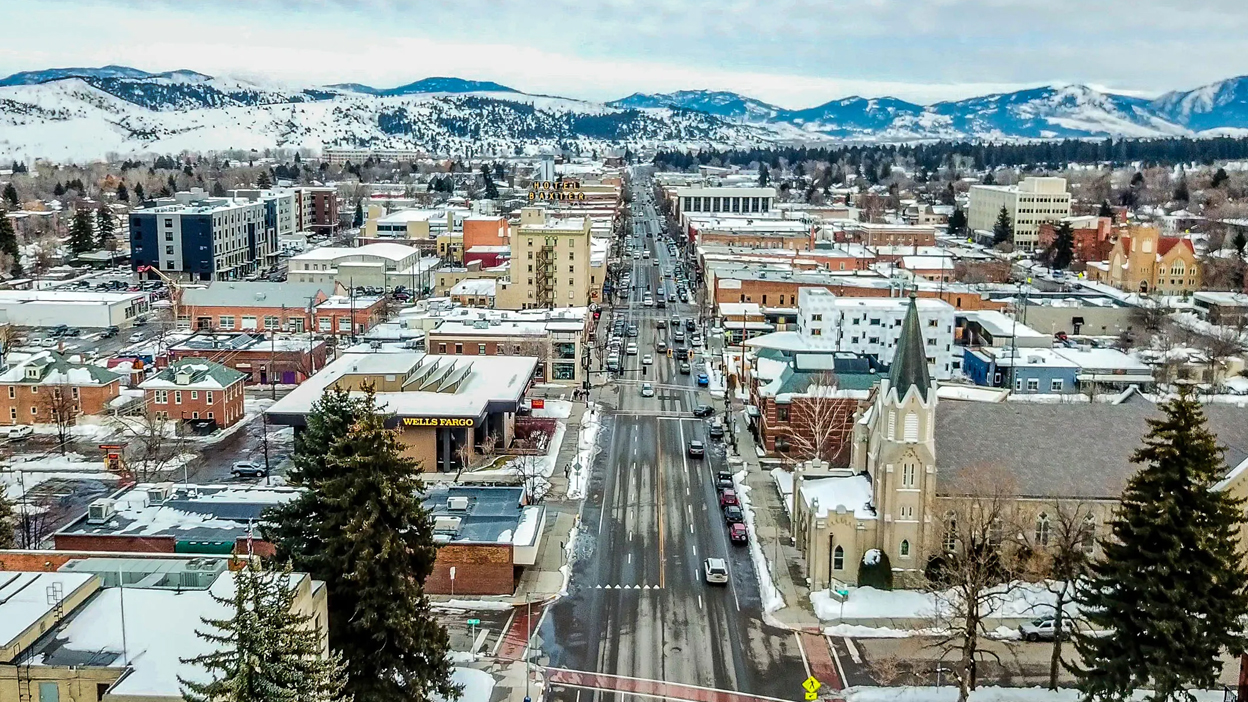
Urban life in Montana centers around small but growing cities like Bozeman, Missoula, and Billings. These places feature expanding offerings such as boutique restaurants, craft breweries, cultural festivals, and gathering spots that foster community activity. Despite this growth, Montana’s cities remain modest in scale compared to larger metros, retaining a strong sense of identity and manageable crowds. The pace here is more vibrant but still relatively relaxed.
Suburban and small-town living provides a “middle ground”—offering some nearby amenities and a gentle buzz without the full energy of urban environments. Communities in this category often allow residents to enjoy local shops, events, and some conveniences while retaining the slower tempos and neighborly intimacy Montana is known for. Many appreciate this balance, where social connection flourishes without overwhelming bustle.
Rural Montana living is defined by authentic solitude and expanses of open land. The trade-offs are more tangible here: traveling longer distances to essential services such as groceries, healthcare, and schools is common. Winters can complicate these trips further, making isolation a genuine factor. Accessibility shapes lifestyle significantly—while rural residents benefit from vast personal space and quieter surroundings, they often accept limitations in convenience and variety.
Across this spectrum, Montana generally offers a slower pace of life than the national average. Commutes tend to be shorter, neighborhood rhythms more unhurried, and residents often enjoy more vacation days than average Americans. These traits appear most distinctly in rural and small-town settings, but even urban centers maintain a measured atmosphere compared to larger U.S. cities.
Choosing where to live in Montana involves balancing convenience against community connection and personal space. Where do you want to be on that spectrum?
Your priorities here will shape your experience more than any nominal ranking of best places to live in Montana.
Geography and Regional Differences within Montana
Montana’s geography is a key lens through which to view potential living environments. The state’s land shifts dramatically—from towering mountains and dense forests to broad plains and untouched wilderness—each offering distinct climates, views, and lifestyle implications.
Mountain and forest regions provide close access to nature’s beauty and outdoor recreation that defines Montana’s appeal. Residents near forested areas and ski resorts enjoy opportunities for trails, wildlife observation, and immersive natural encounters. Towns near national recreation areas enable a lifestyle rich in fresh air and seasonal variety, blending wilderness access with urban amenities in some cases.
Thus, reflecting on your social preferences—whether for close-knit familiarity, broad diversity, or somewhere between—is essential when assessing Montana locations. The social environment profoundly impacts day-to-day satisfaction, beyond any material considerations.
Short-Term vs Long-Term Living Considerations in Montana
Your anticipated length of residence heavily shapes which Montana places may suit your needs.
Short-term residents often prioritize immediate convenience, comfort, and access to services. Urban or suburban settings typically fulfill these priorities by reducing travel burdens and providing quicker integration into social and cultural offerings.
Long-term residents benefit from thoroughly evaluating how locations support evolving personal and family needs, career development, and community integration. Factors such as schooling, healthcare accessibility, and the ability to weather harsh winters sustainably become crucial when planning years ahead.
Adaptability is central for those committing to permanent Montana living. Harsh climates, sparse services, and social dynamics require openness and resilience.
Life stages influence priorities markedly. A young professional might appreciate access to outdoor recreation and dynamic urban culture, while families may emphasize school quality and healthcare proximity. Older adults often look for community supports and manageable utility costs.
Building meaningful connections takes time. Long-term residents often gain a richer sense of belonging through sustained involvement, while temporary residents may face more significant challenges finding deep social roots.
Recognizing how your timeline aligns with the realities of Montana living encourages thoughtful planning rather than reactive choices.
Practical Ways to Narrow Down Where to Live in Montana
Refining your location choice involves deliberate self-assessment paired with experiential exploration.
Begin by clarifying what matters most: How do you weigh outdoor access against cultural amenities? How important is solitude versus social variety? What are your transportation limits? What healthcare and service levels do you require? What expenses can your budget realistically support, including utilities, driving, and housing?
Visiting multiple Montana areas across different seasons provides invaluable insight beyond online research. Experiencing winter’s chill or summer’s outdoor vibrancy firsthand helps ground expectations. Pay attention to rhythms of daily life, availability of services, and community atmosphere.
Engage with locals where you visit—spend time in neighborhood cafes or attend community events. Genuine conversations often reveal truths about a place that data cannot capture.
Patience and openness are vital. Initial preferences may evolve as you gain knowledge and perspective. Being willing to revisit and reassess your options fosters better long-term outcomes than rushing toward a quick decision.
This reflective and immersive approach grounds your choice in lived reality rather than anecdote or surface appeal.
Conclusion
Determining where to live in Montana involves aligning your values, lifestyle needs, and practical constraints within the state’s diverse living environments. It’s a personal journey without universal answers, where satisfaction comes through honest self-reflection and deliberate exploration rather than external lists or fleeting impressions.
Montana’s varied natural landscapes, social settings, and cost dynamics blend to create widely differing experiences that need careful consideration. Approached thoughtfully, this decision becomes a meaningful process of discovery, connecting your unique identity with a place that feels truly yours.
By taking the time to understand your priorities and immerse yourself in Montana’s rhythms, you cultivate lasting belonging and a lifestyle harmony that transcends any simple notion of the best places to live in Montana.