
Deciding how to choose where to live in Michigan is a deeply personal process. It involves balancing many factors that shape daily life, from environment and community to work opportunities and affordability. Rather than focusing on the idea of a singular best place to live in Michigan, the goal here is to offer a framework to help match your unique lifestyle preferences and core values with the kind of location that truly fits you.
Michigan is a state of rich contrasts. Its diverse geography ranges from vibrant urban centers and peaceful suburbs to expansive rural areas and wilderness. Each of these settings offers differing rhythms and resources, shaping how residents live and interact daily. Understanding these differences with a reflective, individualized approach is key to making a decision that will serve you well.
Daily Lifestyle Priorities: Urban, Suburban, and Rural Living in Michigan
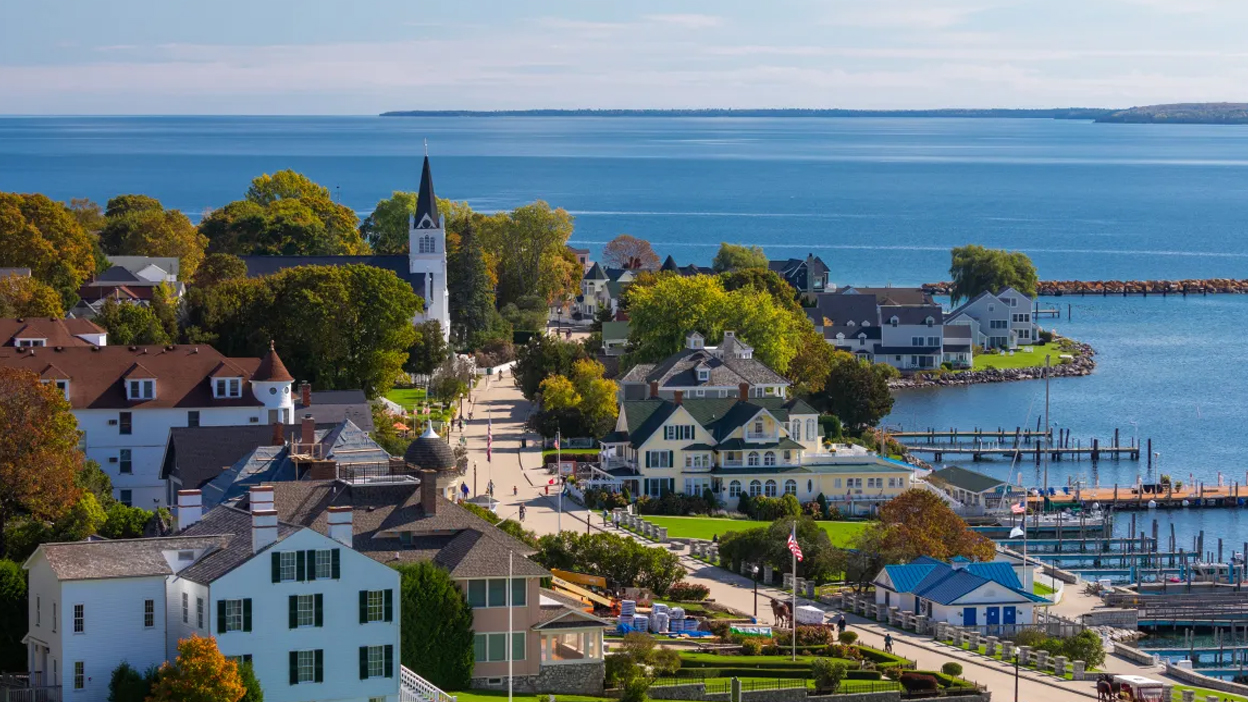
At the heart of where to live in Michigan lies the question of the daily rhythm and accessibility that each environment provides. Michigan’s living environments—urban, suburban, and rural—carry distinct lifestyles shaped by their access to services, social opportunities, and spatial arrangements.
Urban environments offer a concentration of amenities and infrastructure. Cities in Michigan often provide robust broadband access and comprehensive healthcare facilities, including specialty hospitals and clinics. Cultural institutions such as museums, theaters, and diverse culinary scenes enrich the urban experience. The higher density and walkability of downtown areas support a lifestyle where many activities are reachable by foot or public transit.
However, this concentration also brings trade-offs. Urban neighborhoods tend to have higher rates of violent crime and lower rates of homeownership. Many people live as renters, and space is more limited.
By contrast, rural Michigan presents a different set of daily lifestyle priorities. Here, residents enjoy greater privacy, calmer surroundings, and generally lower violent crime rates. Owning a home is common, often accompanied by larger property that allows for gardening, outdoor hobbies, or simply the freedom to avoid restrictive homeowners’ associations. Smaller community networks can foster a strong sense of belonging and connection.
Yet these benefits mean longer drives to access many services, from specialized healthcare to cultural venues, and fewer immediate social opportunities.
Suburban areas sit in between these extremes. They typically offer a moderate population density, proximity to schools functioning as community hubs, and access to urban amenities within a reasonable distance. The social environment tends to balance convenience and community without the intensity or anonymity of larger urban centers. Suburbs frequently appeal to those wanting family-friendly features and practical lifestyle considerations, providing tailored access without requiring full immersion in city living.
The critical insight here is that none of these environments is objectively better. Choosing among urban, suburban, and rural living boils down to understanding which trade-offs align with your priorities: Does your daily life demand immediate access to healthcare and cultural diversity, or do you value privacy and space even if that means longer trips to services? Reflecting on these priorities sharpens your perspective on where to live in Michigan.
Geography and Regional Differences Shape Lifestyle Choices
Michigan’s geography is integral to its lifestyle mosaic. The state is defined by its vast number of lakes, abundant forests—especially in the Upper Peninsula—and varied terrain that hangs between natural beauty and urban development. Seasonal shifts add another layer to the experience, with winters, springs, summers, and falls each bringing different demands and opportunities.
Proximity to natural features often plays a central role in location decisions. Some residents seek urban parks and green spaces that offer nature without leaving the city. These spaces provide a break from urban density and maintain access to cultural amenities. Others desire a more immersive relationship with wilderness—deep forest, lakeshores, or expansive farmland. This is particularly true for those considering the Upper Peninsula, known for its slower pace, striking natural landmarks like waterfalls and rugged mountain areas, and a lifestyle defined by outdoor recreation.
The social pace also varies across these settings. Urban regions move quickly, with a constant hum of activity and numerous cultural offerings. The Upper Peninsula exemplifies a slower rhythm, where residents often cherish the unhurried pace as a retreat from modern pressures.
The critical reflection here is to understand where your social preferences lie. Do you thrive in diverse, bustling environments where new experiences unfold frequently? Or do you find well-being in smaller, stable communities where social ties run deep? Neither is superior; each satisfies different psychological and social needs.
Short-Term vs. Long-Term Living Considerations

The horizon of your stay in Michigan should guide your housing and lifestyle choices. Those contemplating a short-term residency might prioritize flexibility: rental options, proximity to employment hubs, and access to fast-paced social environments. Urban and suburban areas likely afford more mobility and opportunities to switch neighborhoods without significant upheaval.
By contrast, rural living in Michigan often reflects a longer-term commitment. High homeownership rates and extended household tenure point toward established roots. Choosing a rural environment may come with an expectation of deeper investment in the community and lifestyle, as relocating frequently may be less convenient given economic and geographic factors.
One advantage of Michigan’s varied geography is the reasonable driving distances that connect many urban, suburban, and rural zones. This configuration allows residents to shift between different environment types without fully relocating, offering a rare hybrid flexibility.
Consider how your housing needs, employment situation, and lifestyle preferences might evolve over the next five, ten, or twenty years. Balancing future flexibility with present comfort can clarify which option serves your life narrative best.
Practical Ways to Narrow Down Your Options in Michigan
Approaching the question of where to live in Michigan benefits from a deliberate, self-aware process rather than relying on broad rankings or external popularity.
Start with a clear-eyed assessment of your lifestyle priorities. Using the framework of lifestyle types—lake living, farm/acreage, suburban, and city living—helps ground your reflections. Which resonates with your desire for privacy, community, convenience, or proximity to water? This alignment forms the cornerstone of your search.
Experiencing potential communities firsthand deepens insight. Visiting neighborhoods in different seasons reveals how weather and environment affect daily life. Observing rhythms such as weekday commutes, weekend community events, and social interactions can bring subtle but vital factors into view. Talking with locals enriches understanding of your potential social fit and community vibe.
Patience is indispensable. This decision engages complex trade-offs where no choice is perfect. Taking the time to weigh options carefully builds confidence in selecting a Michigan living situation that truly suits your values and lifestyle, free from external pressures or hasty conclusions.
Conclusion
Choosing where to live in Michigan involves much more than identifying popular or “best” places. It requires reflection on what daily life looks like for you—your relationships with work, nature, community, and affordability. By thoughtfully considering urban, suburban, rural, and regional differences, you develop a clearer picture of where your needs and preferences intersect in this diverse state.
Embracing the diversity of Michigan living with openness and self-knowledge enables you to find a setting that aligns with your life’s rhythm. The path to a satisfying home here is personal, complex, and rewarding, guided by your reflections and grounded in real experience.