
Deciding where to live in North Dakota is a deeply personal choice shaped by values, priorities, and the kind of daily life one envisions. It goes beyond simply following popular opinion or relying on standard rankings. Instead of focusing on lists of the “best places to live in North Dakota”, the process benefits from thoughtful reflection on the lifestyle fit and the quality of life each location can offer.
North Dakota presents diverse living environments. These range from large rural expanses and small towns to smaller urban centers like Fargo and Bismarck. Each offers distinct rhythms, opportunities, and challenges. Understanding these facets can help guide meaningful decisions about residence. Whether one prefers tranquility and space or closer access to amenities, this state offers a breadth of experiences that demand careful evaluation of personal needs.
In this article, we’ll explore frameworks that help weigh factors such as daily lifestyle, geography, economic realities, social dynamics, and evolving life plans. These considerations build a thoughtful foundation for pinpointing where to live in North Dakota in a way that aligns with individual priorities.
Daily Lifestyle Priorities: Urban, Suburban, and Rural Living in North Dakota
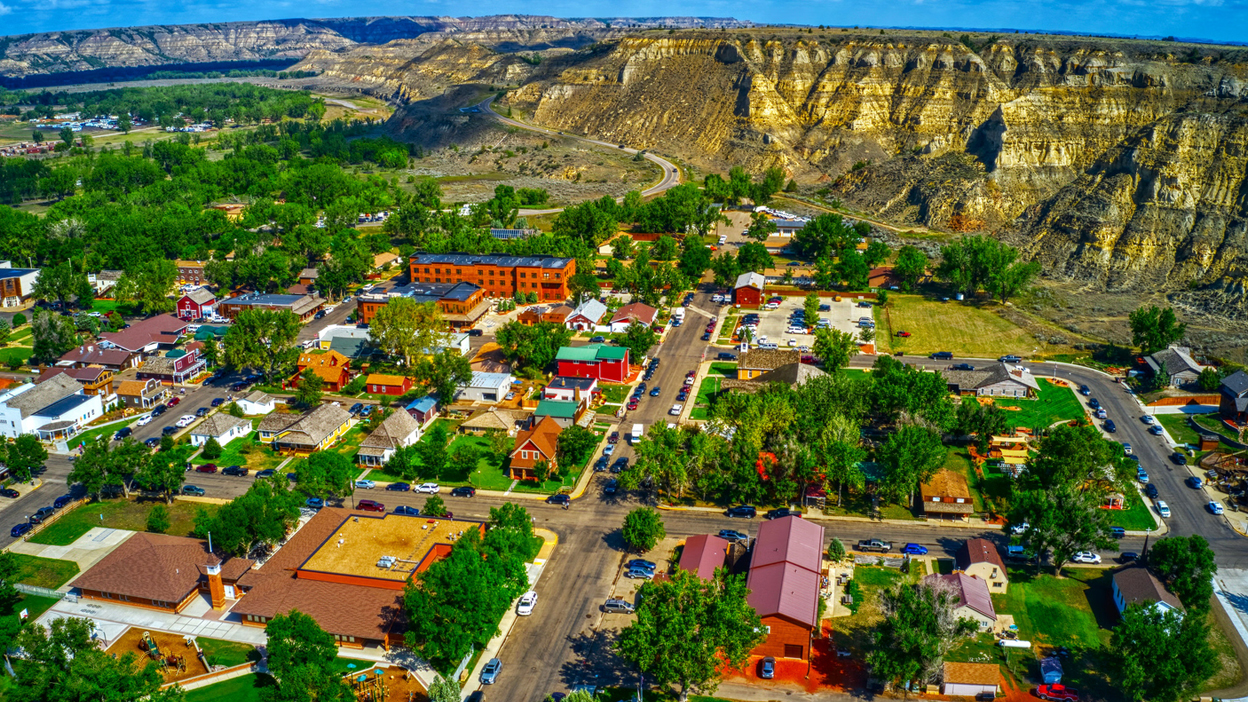
The character of daily routines and lifestyle in North Dakota is strongly influenced by the type of community one chooses. Living in a rural area differs sharply from suburban or smaller city environments in pace, availability of services, and social interaction.
Rural life in North Dakota often unfolds at a slower tempo, shaped by self-reliance and engagement with the outdoors. Residents tend to face longer drives to reach groceries, healthcare, and other essential services. This reality encourages planning ahead and fosters close-knit community ties. The quieter atmosphere and wider personal space can be appealing for those valuing privacy and deeper connection to nature.
In contrast, North Dakota’s smaller urban centers and suburban areas offer more immediate access to shopping, dining, and varied healthcare options. This convenience supports a lifestyle with less logistical effort daily, facilitating easier errands and spontaneous activities. However, the trade-off may include a faster pace and busier social environment.
Reflecting on where to live in North Dakota means contemplating preferences around convenience and community size. Neither rural nor urban forms hold superiority; rather, the fit depends on individual priorities regarding pace, accessibility, and social rhythm. It’s useful to view these distinctions through the lens of ND cost of living — for instance, rural locations may generally involve different expense patterns related to travel and services compared to urban settings.
Geography and Regional Differences in North Dakota
North Dakota’s geography profoundly shapes resident experience, reflecting in lifestyle and practical considerations. The state’s vast plains, seasonal extremes, and diverging regional economies mean that where one lives impacts daily life in diverse ways.
Western parts of North Dakota, influenced by oil production, encounter fluctuating economic dynamics and community growth, creating different opportunities and pressures than more agriculture-driven, depopulating rural areas in the east. The wide open spaces in many rural zones immerse inhabitants in nature but limit quick access to urban conveniences, making transportation and service availability central lifestyle factors.
Smaller urban centers serve as buffers against the harsher climatic swings, offering moderate access to amenities while avoiding the density and pace of larger metro areas. Understanding these geographic realities is crucial when evaluating personal tolerance for isolation, seasonal weather impacts, and the balance of proximity to natural surroundings versus the convenience of urban services.
When assessing communities, reflecting on desired social tempo, diversity, and intimacy helps clarify how well a place aligns with social needs. This insight complements evaluations based on geography or economics, grounding the decision in holistic lifestyle compatibility.
Short-Term vs Long-Term Living Considerations
The motivations and timelines for moving to North Dakota vary widely, influencing how one evaluates location choices. Short-term relocations, often driven by employment booms in energy sectors, prioritize proximity to jobs and may tolerate isolation or service gaps temporarily.
By contrast, long-term residents usually require sustainability in lifestyle, access to schools, healthcare, and community infrastructure adapted to the state’s challenges such as harsh winters. Family considerations, health needs, and plans for aging all shape longer-term decisions.
Recognizing that priorities evolve over time encourages flexibility in planning where to live. Temporary stays that initially prioritize career can shift to focus on lifestyle, social connection, or economic stability. This awareness mitigates regret by allowing space for adjustments aligned with changing circumstances.
Both short- and long-term considerations intersect with ND cost of living, as fluctuating economic cycles impact affordability, job markets, and community resources differently. Reflective decision-making involves anticipating not just current desires but plausible future scenarios.
Practical Ways to Narrow Down Your Options
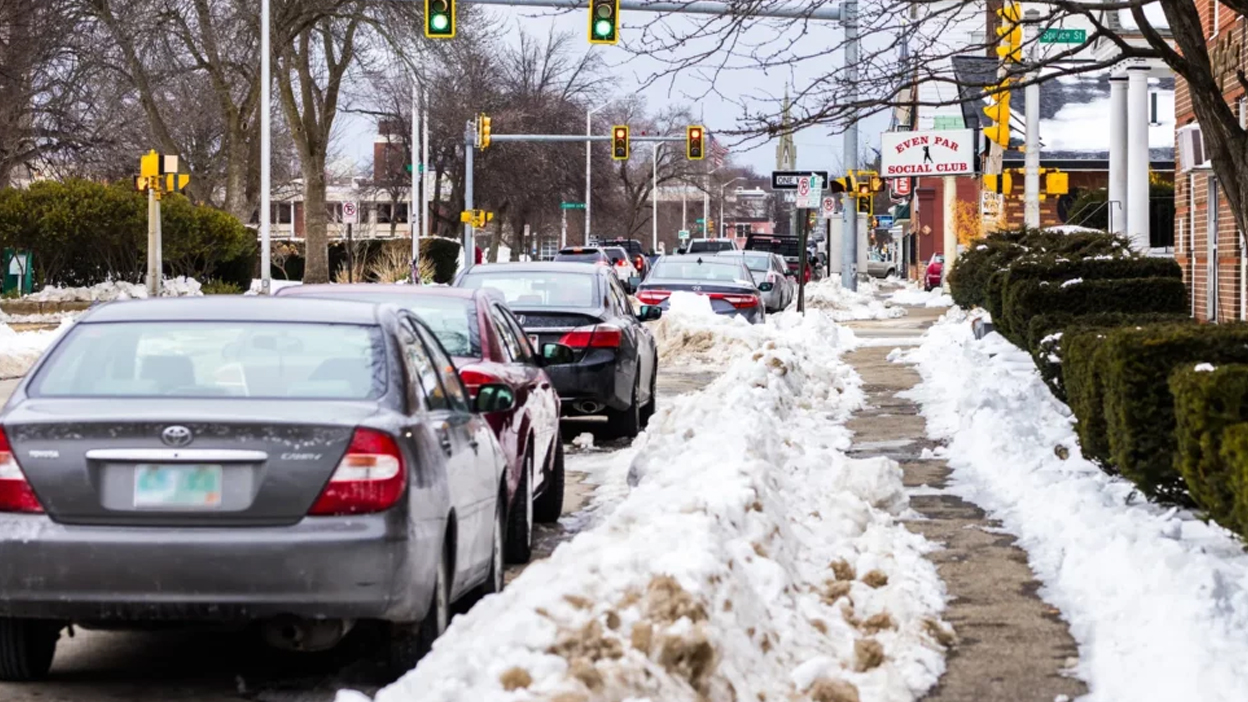
Effectively narrowing down where to live in North Dakota involves a mix of introspection and hands-on exploration. Honest self-assessment about one’s preferences—such as favored pace of life, desire for nature access, appetite for social engagement, and need for conveniences—forms a foundational step.
Visiting a range of communities is indispensable. Experiencing everyday life—whether in a small town with quiet rural roads or a smaller city with more traffic and amenities—reveals nuances that data and rankings can’t capture. Observing the flow of daily errands, social interactions, local services, and weather impacts offers richer understanding.
Patience and openness during this phase yield better outcomes than rushing into choices. Short-term stays or conversations with locals provide vital perspectives on trade-offs and advantages others have discovered.
Incorporating considerations of ND cost of living during visits—such as gauging travel distances, local price levels, and service availability—enables a realistic appraisal. This balanced approach integrates values with tangible community realities, guiding toward a well-suited decision.
Conclusion
No single location in North Dakota can claim to be the perfect fit for everyone. The most meaningful choice emerges from aligning personal lifestyle preferences, practical needs, and the social environment available. Striking a balance between desires—whether for rural tranquility or urban convenience—and economic and geographic realities fosters a sustainable and satisfying life.
Approaching where to live in North Dakota with calm reflection and flexibility acknowledges that priorities shift and insights deepen over time. Instead of chasing quick answers or relying on popularity measures, investing time in understanding individual values alongside place-specific realities cultivates a grounded and enduring home choice.
By considering all these interconnected factors thoughtfully, a residence in North Dakota becomes more than a location; it becomes a setting that supports the kind of life one truly wants to live.