Deciding on where to live in New Mexico is an intimately personal journey, shaped far more by individual priorities and lifestyle needs than by charts or popular opinion. When pondering how to choose where to live in New Mexico, it helps to focus on what matters most to you — your work, social rhythms, connection to nature, and day-to-day conveniences. This state offers a remarkable breadth of environments, from high desert expanses and forested mountain retreats to vibrant urban centers and quiet rural towns. Each of these settings opens different doors for living well, making the decision less about finding the universally best places to live in New Mexico and more about discovering where your unique preferences align.
New Mexico’s environmental diversity extends beyond scenery. The varied climate zones, cultural influences, and economic ecosystems shape distinct ways of life. Giving thought to how these elements interplay with your daily routine — and what you truly value — lays the foundation for choosing a place you can call home.
Daily Lifestyle Priorities: Urban, Suburban, and Rural Living in New Mexico
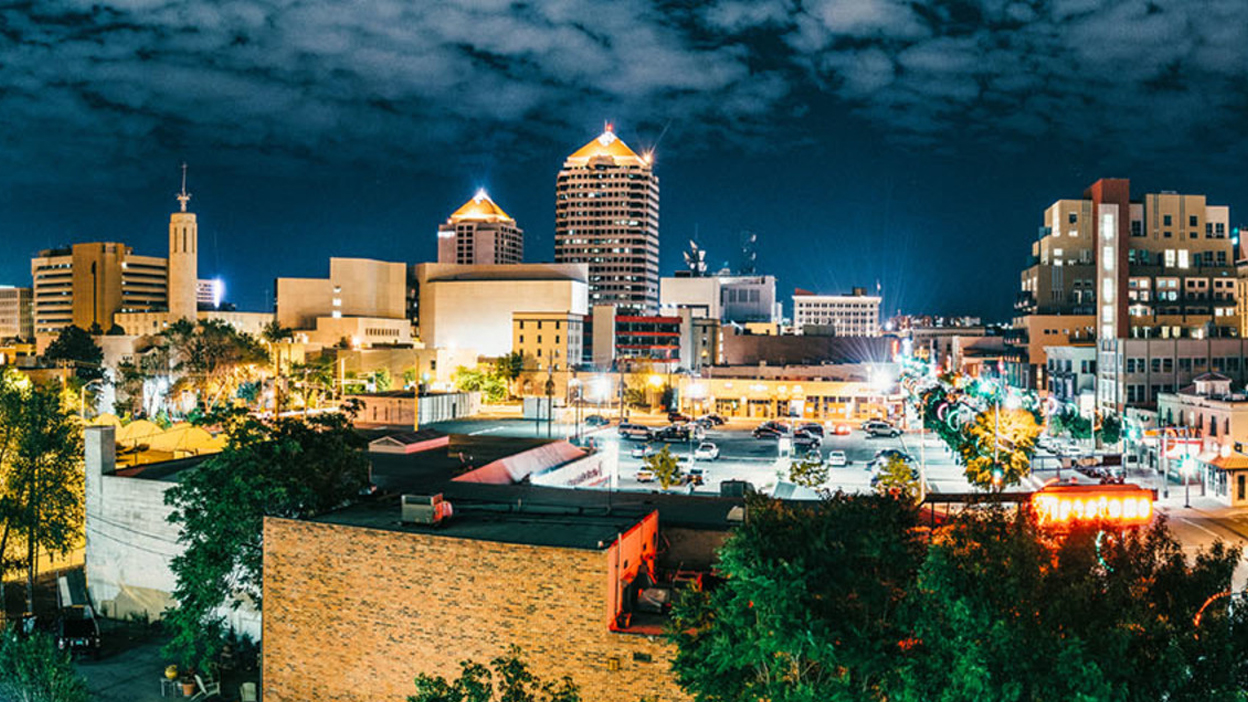
When considering where to live in New Mexico, understanding the spectrum from urban to rural environments clarifies how daily life can unfold differently across the state. Urban living here generally means faster-paced days inside dense hubs where amenities cluster — healthcare facilities, diverse dining, cultural offerings, and some public transit options. Suburban areas offer a middle ground that balances calm neighborhoods with relative proximity to city perks. In contrast, rural living emphasizes spaciousness and quiet, often exchanged for limited access to services and longer travel times.
For example, urban hubs like Albuquerque provide access to grocery stores, healthcare providers, and social activities with less dependence on personal vehicles, given some transit infrastructure. Yet, this comes with busier streets and the challenges of more traffic and higher population density. Suburbs tend to soften the urban rush, allowing more residential calm but requiring some travel for entertainment or work. Meanwhile, rural communities, while offering peace and a close-knit social fabric, frequently demand long drives for even basic errands, highlighting a lifestyle trade-off between accessibility and tranquility.
The NM cost of living also shifts with this urban-suburban-rural gradient. Urban areas may have higher housing and general expenses but compensate with shorter travel times and more available services. Rural zones often promise lower upfront housing costs yet add indirect costs through fuel and time spent commuting for necessities. The rise of remote work in New Mexico introduces a dynamic that can soften some rural constraints, allowing residents to remain connected economically without daily commutes, expanding the range of viable locations for many.
None of these settings is inherently superior; each carries distinct daily rhythms and trade-offs. Choosing an environment well-matched to your preferences about community size, pace, and convenience is vital in identifying where to live in New Mexico.
Geography and Regional Differences within New Mexico
New Mexico’s geographic diversity is a defining factor shaping its lifestyle possibilities. The state spans high deserts with clear, open skies and sparse vegetation, cooler forested mountain areas where seasonal changes invite skiing and hiking, and urban clusters that concentrate services and job opportunities.
Southern New Mexico tends to be hotter and drier, with arid plains and desert landscapes where outdoor activities adapt to heat. Northern regions experience colder winters and even snow, influencing everything from daily routines to winter recreation options. This climatic variation impacts water use, gardening options, and outdoor comfort throughout the year.
The best places to live in New Mexico, socially, are those aligning with one’s desired level of interaction, cultural openness, and pace of life.
Short-Term versus Long-Term Living Considerations in New Mexico
Thinking through the difference between short-term and long-term residency emphasizes how priorities evolve. Short-term stays often lean on convenience, the chance to try new surroundings, or proximity to activities. For example, a temporary rental in an urban center can provide easy access to entertainment and services without long commitments.
Long-term living requires deeper reflection on how foreseeable future needs intersect with your environment. Family growth may shift priorities toward suburbs with schools and amenities, retirees may look for affordable rural retreats balanced by healthcare access, and career changes often bring proximity to job hubs into sharper focus.
Remote work arrangements offer new options, allowing temporary rural experiences that might otherwise be impractical. Yet permanent settlement decisions should also consider infrastructure aging, seasonal weather extremes, and ongoing urbanization patterns that influence community sustainability.
Being mindful about these temporal dimensions encourages living where your current and anticipated needs align rather than reacting impulsively to present conditions. The best places to live in New Mexico, with foresight, accommodate the many chapters life may bring.
Practical Ways to Narrow Down Options within New Mexico
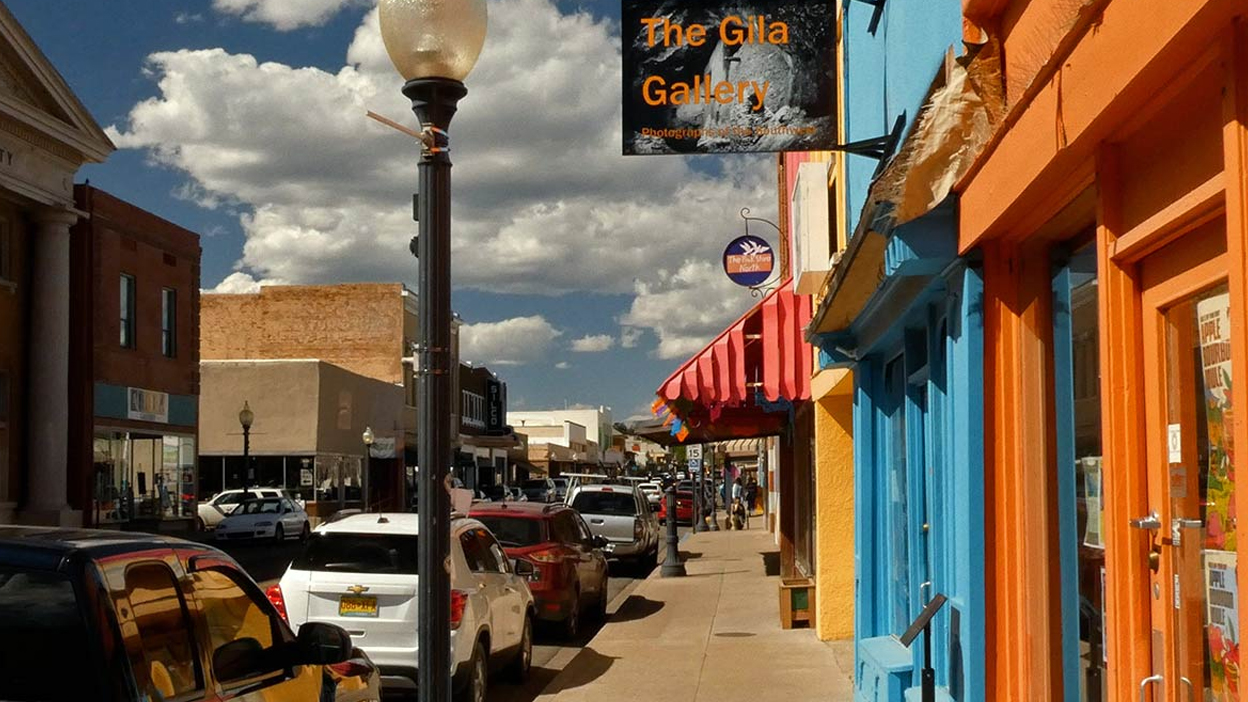
Narrowing down where to live in New Mexico starts with a clear-eyed evaluation of your personal needs. Reflect honestly on factors like job access, social preferences, tolerance for commuting or isolation, proximity to nature, and essential services.
Spending time visiting diverse environments across the state — urban hubs, smaller towns, and rural counties — provides invaluable perspective. By observing daily rhythms, community energy, infrastructure reliability, and natural surroundings, you gain insight beyond descriptions or impressions.
Pay special attention to how social interactions feel, how accessible shopping or medical care is, and practical elements such as internet connectivity, especially if remote work is critical. Taking an unhurried approach allows you to absorb seasonal variation and avoid rushed decisions influenced by temporary circumstances.
Journaling experiences and revisiting preferred locations during different times of the year offer further clarity on climate and lifestyle dynamics and help forge a grounded choice.
This process aligns your values and real-world experience to refine your pursuit of the best places to live in New Mexico for your distinct priorities.
Conclusion
No single place in New Mexico can meet everyone’s needs for lifestyle, work, or affordability. Satisfaction arises when the rhythm of daily life, the character of the social environment, and practical considerations coalesce in a location that feels like home.
Urban vibrancy, suburban balance, and rural quietude each offer meaningful ways to live fully, depending on what matters most to the individual. Navigating these options thoughtfully, with openness to changing needs and an eye for trade-offs, empowers a choice grounded not just in geography or economics, but in the very fabric of personal wellbeing.
In the journey to finding a fulfilling place to live within New Mexico’s vast landscape, trusting your unique path and embracing the interplay of environment and lifestyle provides the deepest guide.