
Deciding where to live in Oklahoma is a deeply personal process shaped by individual priorities, routines, and lifestyle preferences rather than rankings or popular opinion alone. The state encompasses a rich variety of community types—from bustling urban centers to spacious suburban neighborhoods and peaceful rural towns. This diversity forms the backdrop for a nuanced consideration of where to live in Oklahoma, emphasizing that the best location depends on aligning your values and daily life needs with a community’s character and offerings.
Understanding how to choose where to live in Oklahoma begins with recognizing that no one-size-fits-all solution exists.
Instead, it involves weighing trade-offs across factors such as lifestyle pace, access to amenities, affordability, social environment, and long-term goals. This guide unpacks those key considerations to help you evaluate your options in a practical, reflective way.
Daily Lifestyle Priorities: Urban, Suburban, and Rural Living in Oklahoma
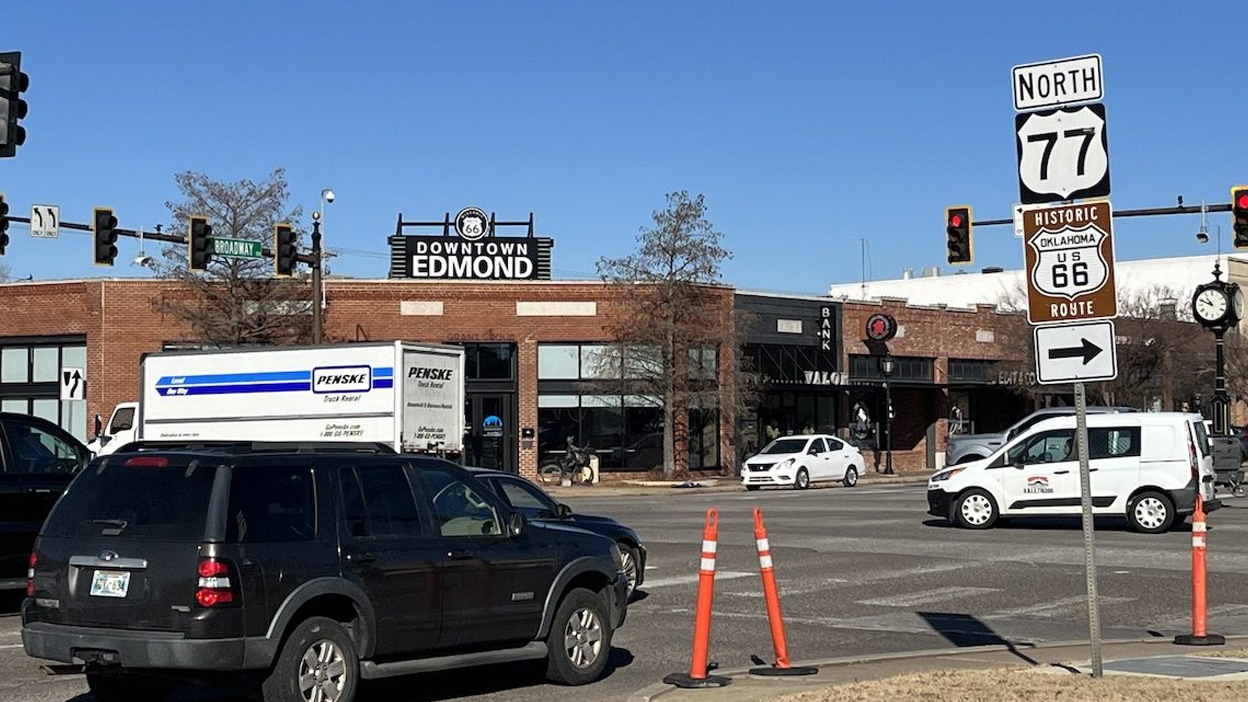
Your daily lifestyle shapes much of what a living environment should provide. Oklahoma offers distinct experiences depending on whether you lean toward urban activity, suburban calm, or rural tranquility.
Urban living in Oklahoma is characterized by a faster pace and easier access to cultural amenities, diverse employment opportunities, and entertainment. Cities like Oklahoma City and Tulsa, while not named here as better or worse, reflect this urban dynamic. Residents benefit from shorter commutes and proximity to restaurants, theaters, museums, and events. For someone who thrives on convenience and a wealth of options within walking or short driving distance, urban life often feels energizing and practical.
Suburban living strikes a different balance. It typically offers more spacious homes and yards, quieter streets, and a sense of community that can feel more connected yet less crowded than urban settings. For families or those valuing a slower daily rhythm, suburban areas around urban centers provide reasonable distances to work, facilitated by major highways and generally lighter traffic conditions. In these neighborhoods, it’s common to experience a more predictable daily schedule with fewer delays, allowing for a blend of convenience and peacefulness.
Rural life presents perhaps the most distinctive trade-offs. It delivers expansive space, quiet surroundings, and intimate social bonds often absent from densified areas. However, services such as grocery stores, healthcare facilities, and entertainment venues may be less accessible or require longer travel times. Routine delays can emerge in unexpected forms—waiting for livestock to cross roads or adjusting to a more fluid, less clock-driven pace. Those choosing rural living often embrace this rhythm and tight community ties while accepting certain practical limitations.
None of these lifestyles holds inherent superiority; each offers different daily experiences shaped by trade-offs. Assessing how these factors align with your daily routines, social needs, and convenience preferences is crucial when considering the best places to live in Oklahoma.
Geography and Regional Differences: How Oklahoma’s Landscape Shapes Living Choices
Oklahoma’s geography presents a varied canvas affecting lifestyle and practical living considerations. The state’s terrain shifts from wide-open plains to rolling hills and areas near modest mountain ranges, creating diverse environments for residents.
In urban centers, the social landscape broadens in diversity and availability of activities but comes with a higher degree of anonymity. Oklahoma cities remain known for a general atmosphere of friendliness and helpfulness, yet interactions with neighbors and community involvement tend to be less frequent than in smaller settings.
Your preference for social environment—whether craving neighborly bonds or seeking the dynamic variety offered by city life—is vital in evaluating where to live in Oklahoma. The quality and quantity of social interactions substantially impact daily happiness and sense of belonging.
Short-Term versus Long-Term Living Considerations in Oklahoma
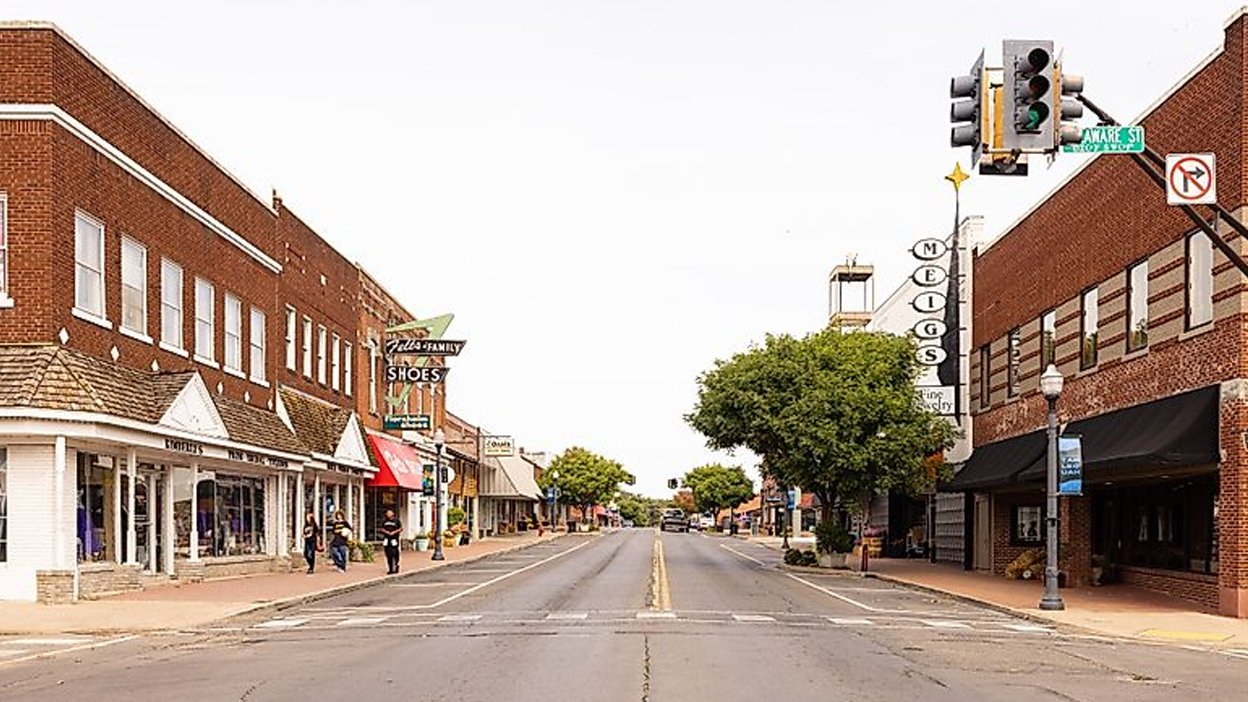
Lifestyle and priorities naturally evolve over time, so choosing where to live in Oklahoma benefits from a flexible, forward-looking approach.
Families with children might prioritize school quality and stable neighborhoods now, favoring places with strong educational systems and safe streets. Conversely, career growth phases might require proximity to metropolitan employment hubs. Retirement or leisure-focused life stages could shift attention toward communities near natural attractions or quieter settings.
Recognizing how your needs could change encourages selecting an environment with sufficient adaptability. This might mean ensuring access to healthcare facilities today or anticipating future recreational opportunities that match shifting interests.
Balancing current demands with potential developments helps ensure a choice that remains sustainable and satisfying rather than requiring frequent relocation.
Practical Ways to Narrow Your Options in Oklahoma
The process of narrowing down where to live in Oklahoma begins with honest self-assessment. Clarifying what matters most—convenience, social atmosphere, affordability, outdoor access, or healthcare—provides a foundation for informed decision-making.
Visiting prospective communities offers invaluable insights. Spending time in different areas during various times of day and week reveals authentic rhythms, service availability, and social dynamics beyond what marketing materials convey. These firsthand experiences often surface practical realities and subtle nuances pivotal to fit.
Remaining patient and open throughout this process is key. Preferences may shift as you explore and learn more about Oklahoma’s varied communities, helping to refine priorities and ultimately guide you toward the environment where you can thrive.
Conclusion
Finding where to live in Oklahoma rests on thoughtful alignment between your unique lifestyle priorities and the distinct character and realities of communities across the state. With genuine diversity spanning lively urban centers, spacious suburbs balancing convenience and comfort, and tranquil rural areas rich in natural beauty and tight-knit connections, Oklahoma offers many viable options.
No single location perfectly suits everyone’s needs. Instead, the right choice emerges by reflecting on your routines, social preferences, economic considerations, and long-term goals, then thoughtfully matching these with the qualities of each area you consider. Approaching this as a meaningful, individualized journey ensures that you select an environment that supports not just where you live, but how you want to live.