
Deciding how to choose where to live in Washington DC is more than a checklist exercise or a search for the so-called “best neighborhoods in DC”. It is a deeply personal journey that invites you to look inward. This process involves considering your unique daily rhythms, emotional responses to different environments, and the ways your lifestyle interweaves with the city’s diverse urban settings.
Moving to DC presents a world of contrasting experiences—from vibrant street life to quiet, leafy enclaves, from fast-paced professional zones to relaxed residential streets. Often, popular opinions spotlight familiar names like Columbia Heights or Dupont Circle as ideal destinations. Yet, these broad endorsements overlook the subtleties of how each area aligns with individual experiences and needs. This post is meant to guide you in reflecting on your own patterns and priorities, rather than relying on lists or rankings that mask the nuanced dance between person and place.
Daily Rhythms and Lifestyle Alignment in Washington DC
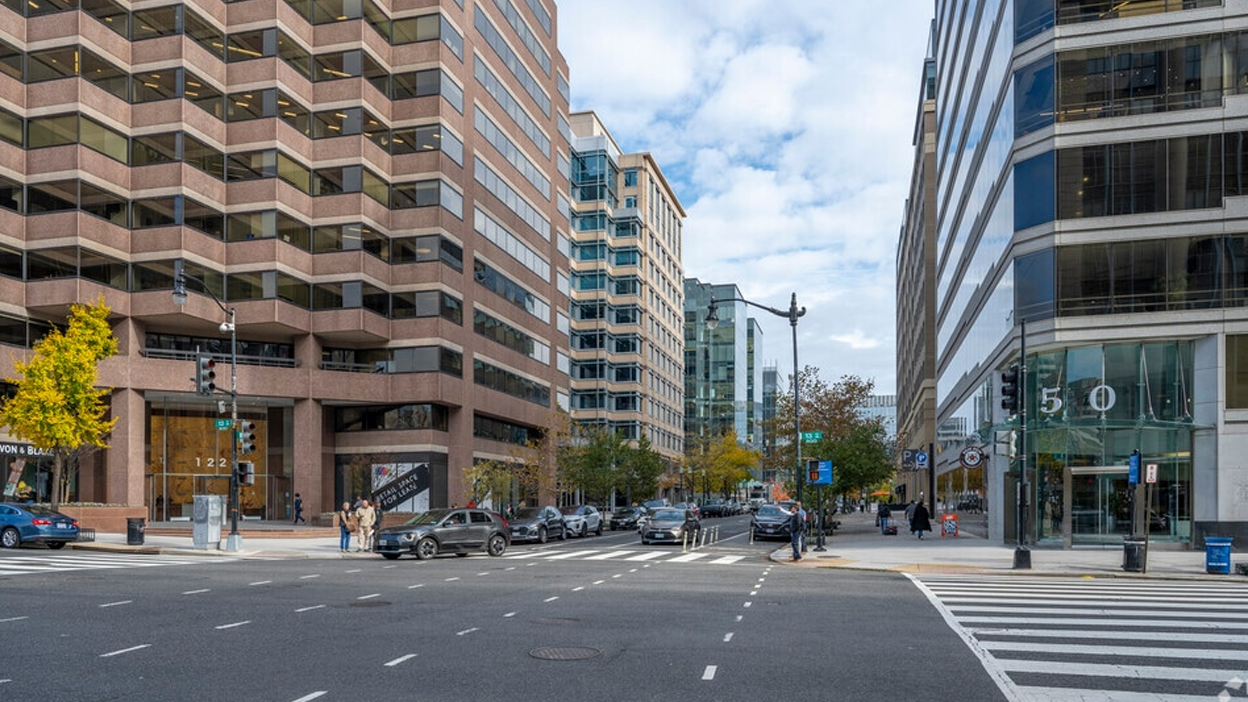
Washington DC pulses with a distinctive tempo shaped by extended professional commitments, lively social evenings, and weekends filled with cultural, outdoor, or community activities. The city’s rhythm varies notably among its parts, influencing daily life in unique ways.
Reflect for a moment on your own energy flow. Are you an early riser craving calm mornings to set your pace, or someone whose peak hours ignite after sunset, drawn to the nightlife or late socializing? Or perhaps your weekends revolve around exploration—hiking trails, attending festivals, or discovering local galleries?
For those moving to DC, these lifestyle questions become crucial. Some city areas resonate with tranquility during early hours, offering peaceful sidewalks and gentle street sounds. Others throb with evening energy, where conversations spill onto sidewalk cafes and restaurants stay vibrant into the night. Weekend adventurers may find themselves drawn to parts of the city alive with events, open-air markets, or accessible parks that suit their leisure.
Recognize that your daily routine will harmonize differently with each urban tempo. Where you live can support or challenge your lifestyle by either matching your natural rhythms or requiring adjustment. Thinking beyond the familiar notion of “best neighborhoods in DC,” consider how your personality and lifestyle might find balance in the areas known for their distinct energies. This reflection can help you avoid mismatches that subtle but constant urban rhythms might create.
Density, Space, and Sensory Experience: What Feels Right?
The sensory landscape of Washington DC varies widely. Some areas buzz with dense activity—pedestrians crowd sidewalks, conversations blend with music and street art, and the city’s cultural fabric feels tangible in every sound and sight. Elsewhere, quieter green spaces and spacious surroundings provide refuge from urban stimulation.
Life Stage and Anticipated Change
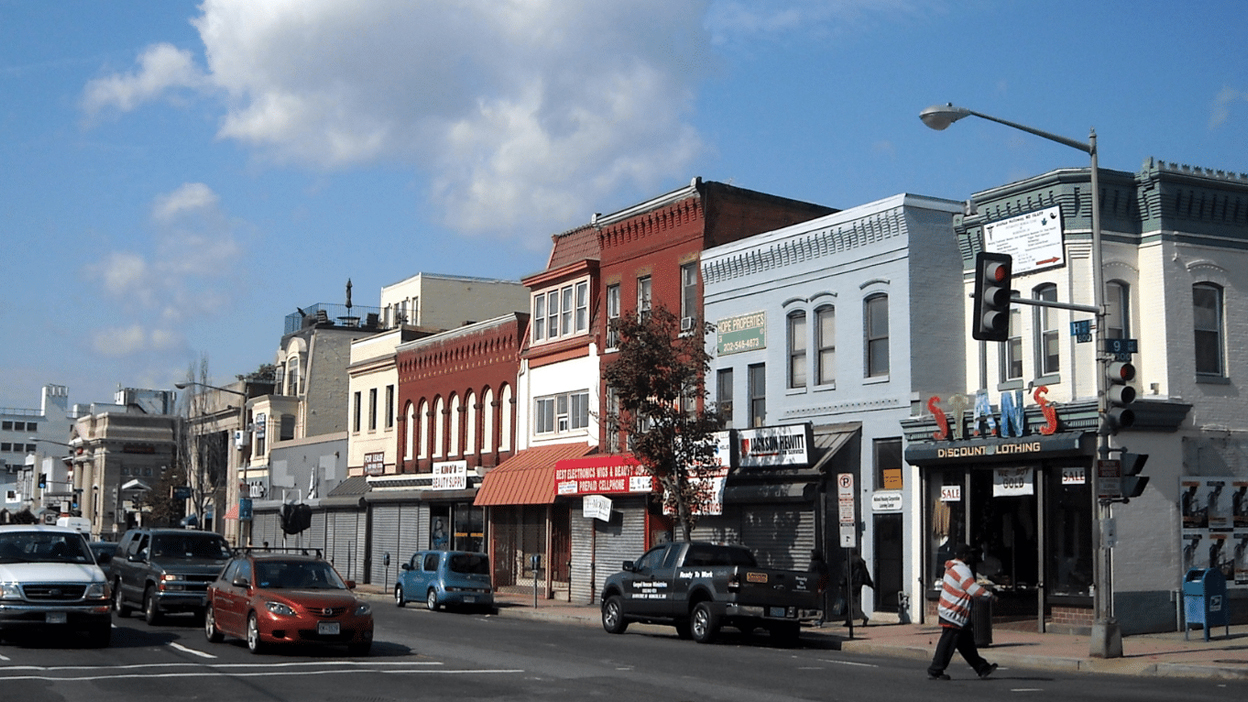
Life stages bring evolving priorities and needs. Career transitions, growing families, changing leisure interests, or new lifestyle choices naturally shift what you seek in a place to live.
When considering where to settle in Washington DC, it is valuable to reflect on not only your current situation but also potential future changes. Some environments offer adaptability, blending varied housing types and amenities that support transitions over time. Others may suit specific phases of life more closely but feel constricting as circumstances evolve.
These reflections invite a forward-looking perspective on locality—one that balances present realities with anticipated shifts, trusting that your relationship to place can be dynamic rather than fixed.
Learning Through Direct Observation
No amount of research or secondhand description substitutes for immersing yourself in the experience of a place. Thoughtful visits allow you to sense the unique rhythm, sounds, and community energy firsthand.
Walking the streets, listening to ambient noises, and observing day-to-day activity at different times of day and week reveals nuances—how light falls, how people interact, how quiet or vibrant an environment is. These observations help you tune into the emotional resonance a place holds for you.
Exploring a variety of settings, from walkable urban centers to quieter, more suburban-feeling areas, enhances your perspective on what fits your lifestyle. This experiential approach grounds your decision in awareness rather than assumptions or external rankings.
Conclusion
There is no universally “best” place to live in Washington DC. The real answer lies in discovering how your own rhythms, sensory preferences, social needs, and life stage intersect with the city’s complex mosaic of urban characters.
Moving to DC offers a chance to reflect deeply on how places support or challenge your daily experience. Whether you gravitate toward lively energy, peaceful green space, community warmth, or thoughtful solitude, your choice depends on personal alignment rather than popular opinion.
By trusting your observations and embracing reflective self-awareness, you navigate Washington DC’s diverse environments with clarity and calm. This inward journey to discover what truly suits you is the heart of how to choose where to live in Washington DC.
This reflective perspective encourages those finding a place in Washington DC to move beyond external “best neighborhoods in DC” lists, honoring instead the nuanced interplay between individual lives and city landscapes. Through thoughtful reflection and mindful exploration, your decision becomes a living dialogue between who you are and where you feel most at home.