
Deciding where to live in Ohio ranks among the more personal and nuanced choices anyone can make. This decision reflects your unique preferences—how your family is structured, what your career demands, and the pace of life you seek. Learning how to choose where to live in Ohio involves more than following popular “best places to live in Ohio” lists. It demands a deeper reflection on how a location complements your daily routines, values, and long-term aspirations.
Ohio offers a range of living environments that shape these considerations. Roughly one-fifth of the population resides in urban hubs, surrounded by mid-density suburban neighborhoods where about half of Ohioans call home. Meanwhile, rural areas cover significant open spaces and agricultural lands, accounting for nearly a third of inhabitants. This urban-suburban-rural continuum weaves a dynamic tapestry, where residents often live in one place, work in another, and seek recreation elsewhere. Understanding this interplay is key to making a well-suited choice about where to live in Ohio.
Daily Lifestyle Priorities: Urban, Suburban, and Rural Living in Ohio

When reflecting on where to live in Ohio, start by examining what daily life looks like within its three primary settings.
Urban centers pulse with activity and density. Here, a faster pace defines life alongside extensive public services and convenient transportation options. From multifamily housing to cultural amenities, the city offers proximity to jobs and conveniences that rarely require a long commute. But this density trades off some personal space and quiet for accessibility.
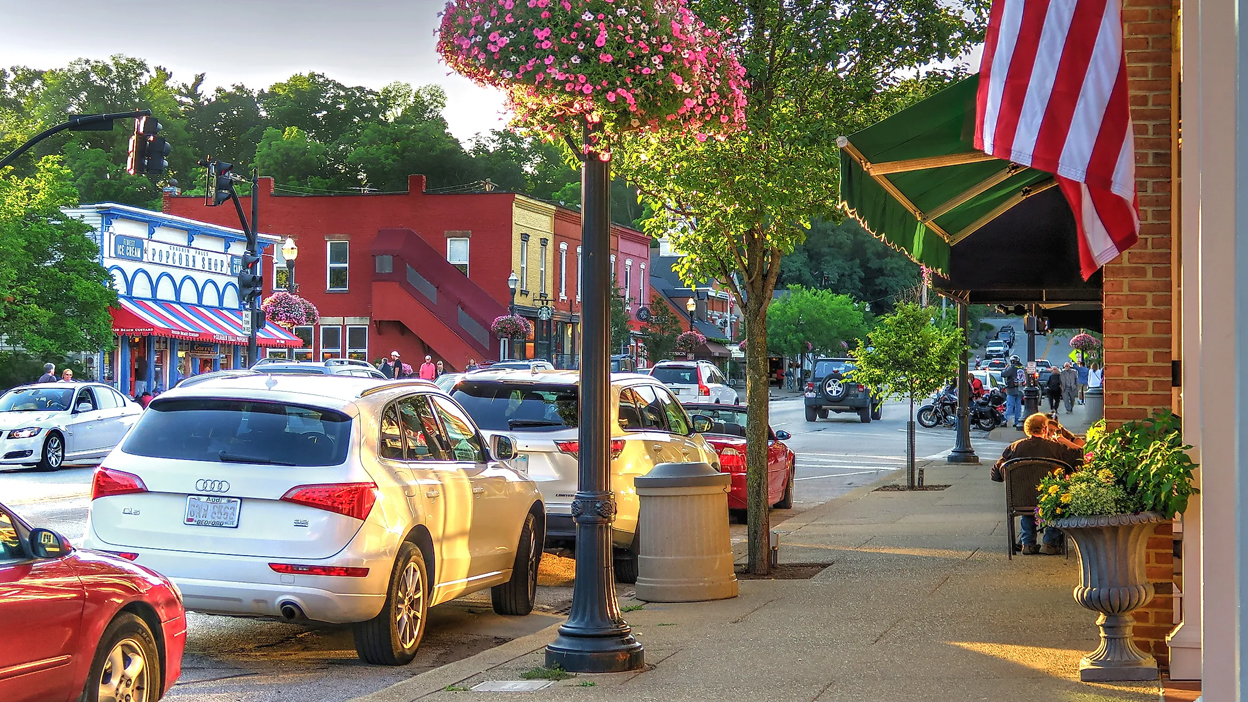
Moving outward, suburban neighborhoods provide a different rhythm. These mid-density areas tend to emphasize family life with good schools and a community-oriented feel. They strike a balance between access and openness, often serving as homes for those desiring convenience without the intensity of a big city. Suburbs in Ohio frequently act as hubs where residents can find local retail, parks, and moderate traffic flows — all conducive to varied daily routines.
Rural Ohio offers tranquility and larger property sizes. The pace slows down, and the quieter environment often suits those seeking privacy or connection with nature. However, rural living comes with fewer public services and a heavier reliance on personal vehicles. Daily tasks like shopping or commuting may require careful planning due to distances and limited public transport.
Evaluating these trade-offs should be grounded in your own lifestyle needs. Consider how your work, family activities, social engagement, and downtime align with factors such as space, pace, and service accessibility. Also, Ohio’s cost of living varies across these settings, influencing how lifestyle priorities translate into financial realities. Urban or suburban options may come with higher living expenses but reduce travel costs, while rural areas often offer affordable housing but greater transportation demands.
Geography and Regional Differences Across Ohio
Ohio’s geographic diversity plays a subtle but significant role in shaping where you might feel comfortable living. Much of the state is forested rural land, creating vast natural backdrops that nurture farming and outdoor recreation. Certain counties include the Appalachian foothills, adding hilly terrain and unique local cultures. Most population centers fall along an urban corridor where cities cluster, concentrating metropolitan amenities.
Climate patterns also vary subtly across the state. Areas near Lake Erie experience lake-effect weather, influencing seasonal living and outdoor activities like boating or ice fishing. Such geographic traits impact not just daily life but your broader lifestyle options—whether that means proximity to parks, farmland, or urban conveniences.
Ultimately, the social atmosphere that fits best varies widely by individual. Whether you thrive amid urban diversity, suburban blends, or rural closeness depends on your personal social preferences, need for inclusion, and comfort with community scale. Recognizing these subjective dimensions adds crucial depth when selecting a place that feels like home.
Short-Term vs Long-Term Living Considerations in Ohio
The timeframe over which you expect to live in Ohio significantly influences priorities in location choice. Short-term stays often prioritize immediate access to employment, amenities, and transportation—advantages commonly found in urban or suburban communities. This makes practical sense for people in transitional phases, early career growth, or temporary relocations.
Long-term residence encourages weighing space, stability, and lifestyle sustainability. Many who plan for extended periods might prefer rural or suburban areas that offer room for family development, outdoor engagement, or aging in place. Yet long-term rural living also carries considerations like housing upkeep, service gaps, and the reality of an aging population, making preparedness vital.
Career trajectories, family expansion, and changing personal needs over time underscore adaptability as a foundation for decision-making. The growth of remote work flexibility adds nuance to these choices, allowing more variation in where life’s next stages might unfold.
When reflecting on where to live in Ohio, consider your anticipated duration and how your priorities could evolve. This forward-looking approach helps avoid choices that seem perfect now but become misaligned soon after.
Practical Ways to Narrow Down Options Within Ohio
To refine your search effectively, start with self-assessment exercises emphasizing what matters most to you. Rank factors like daily pace, community diversity, access to services, property size, and commute implications. This structured reflection surfaces essential trade-offs shaping your personal fit.
Complement assessment with field research by visiting prospective neighborhoods or towns during weekdays. This direct experience reveals patterns—rush hour intensity, noise levels, green space availability, and community vibe—that data alone cannot capture. Observing how residents move, interact, and use space gives invaluable insight.
Patience and deliberation are key. Allow time to process impressions rather than rushing decisions. Engage in follow-up visits if feasible, or tap into local resources for deeper understanding.
Remember, thoughtful decision-making blends empirical observation with mindful reflection. Avoid impulsive choices or over-reliance on external rankings focused solely on “best places to live in Ohio”. Instead, prioritize how well a location integrates with your holistic lifestyle vision.
Conclusion
Every corner of Ohio offers distinct living environments shaped by urban energy, suburban balance, and rural calm. Each satisfies different lifestyle needs, and no single spot fits everyone equally. By calmly evaluating how your rhythms, priorities, and values align with these diverse settings, you can approach the question of where to live in Ohio with both confidence and clarity.
This process is less about chasing popular trends and more about personal resonance—finding a place that complements your evolving journey. In the dynamic, interconnected fabric of Ohio’s urban, suburban, and rural communities, discovering home remains a deeply individual and ongoing pursuit.