
When considering moving to Tucson, the question of how to choose where to live in Tucson often arises. It’s easy to be drawn into the familiar rhythm of searching for best neighborhoods in Tucson or following popular relocation trends. But these impulses tend to overlook what truly matters: the personal rhythms, daily routines, and lived experiences that shape how one feels at home in this unique city. This reflection-based approach invites those moving to Tucson to consider how the city’s varied environments may support or challenge their individual lifestyles, rather than offering rankings or prescriptive advice about where to live in Tucson AZ.
This thoughtful framework shifts the focus from external judgments to internal alignment, recognizing Tucson as a place of diverse spaces and rhythms. Whether your daily life thrives in tranquil open spaces, bustling hubs, or somewhere in between, understanding these nuances is key to a grounded living choice.
Daily Rhythms and Lifestyle Alignment in Tucson
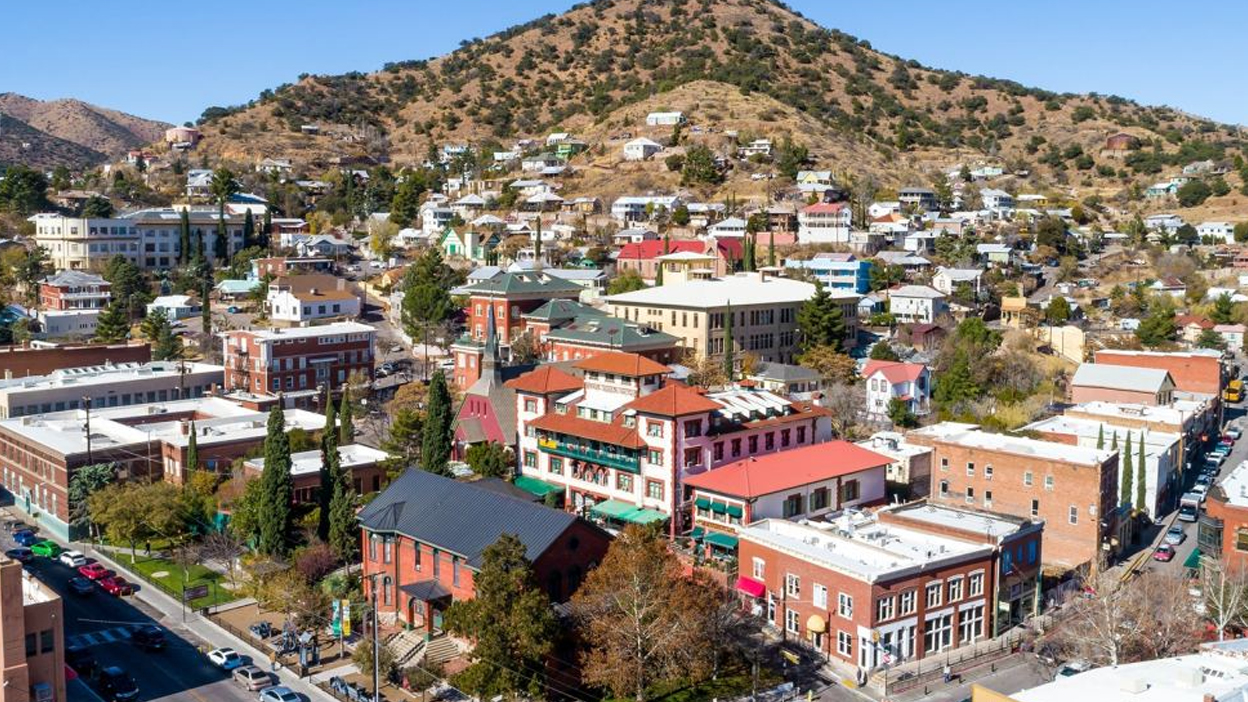
Our daily rhythms—patterns of when we work, when energy peaks, and how we unwind in the evenings or weekends—profoundly influence our relationship with place. In Tucson, these rhythms connect deeply with the type of environment one inhabits. A morning person may find resonance with areas that welcome early light and easy access to outdoor trails, while those energized by evening activity might feel more attuned to vibrant hubs that come alive under the stars.
The city’s extensive bike-friendly infrastructure, featuring over 131 miles of paved, car-free paths like the Chuck Huckelberry Loop, is a defining characteristic influencing lifestyle fit. For active individuals whose peak energy includes cycling, walking, or jogging, such pathways not only facilitate movement but also foster a rhythmic flow to the day. The options for movement and engagement with the city’s natural environment can profoundly shape how daily life unfolds.
Reflecting on your own energy patterns can offer insight. Do you prefer starting early with a quiet morning walk, or does your vitality build as daylight fades, seeking lively social or cultural settings? Considering how these rhythms align with Tucson’s variety of urban and suburban textures helps cultivate a location decision based on experiential fit rather than external labels.
Density, Space, and Sensory Experience: Finding Your Comfort Zone
Urban density—the concentration of buildings, people, and activity—plays an essential role in how a place feels on a sensory level. It influences privacy, noise, natural lighting, and the overall peace or stimulation encountered daily. Tucson’s landscape provides a broad spectrum, from dense, walkable cores buzzing with cultural liveliness and ambient noise to quiet, open areas where mountain vistas and dark night skies offer a sensory refuge.
The city’s commitment to dark sky preservation results in breathtaking clarity after dusk, especially in less dense zones where artificial light yields to stars. This unique sensory feature adds a layer of quiet contemplation for those who find peace in the night’s calm. Contrasts arise in historic districts blending old-world charm with modern urban conveniences, where sensory input balances cultural immersion and the comfort of familiarity.
Recognizing your own social rhythm and how it intertwines with the social visibility of a place enriches reflective decision-making about where to live in Tucson AZ, beyond conventional notions of social desirability.
Life Stage and Anticipated Change: Planning for Your Evolving Needs

Life stage adds an important layer to contemplating place. The needs and values of young adults, growing families, or retirees can differ markedly, and Tucson’s diverse environments provide adaptable settings for various life chapters.
Thinking beyond present needs to anticipated changes—whether family growth, health considerations, or shifts in lifestyle desires—encourages forward-looking reflection. Vibrant urban centers may suit those drawn to youthful energy and cultural pulse, while family-oriented areas often offer schools and outdoor spaces integrated into daily life.
Retirement years may inspire preference for tranquil foothill environments with cooler altitudes and panoramic views, inviting ease and contemplative rhythms.
Recognizing that your relationship to place will evolve alongside life stages enhances clarity when moving to Tucson, aligning current choices not only with immediate priorities but also with your anticipated path.
Learning Through Direct Observation: Experiencing Tucson Firsthand
Beyond research, lists, or hearsay, direct, mindful visits remain the richest way to understand fit. Experiencing Tucson’s diverse areas by attending local events, wandering public spaces, or riding its bike loops invites genuine sensing of how the environment resonates with you.
Notice sensory details—the quality of light, ambient sounds, spatial openness, and emotional tone. Visits to historic sites like El Presidio, exploration of the extensive biking loops, or participation in farmers markets offer tangible insights into rhythms otherwise invisible on paper.
Engaging with the city through its local offerings, such as SkyNights at Mt. Lemmon SkyCenter, can attune you to seasonal cycles, cultural textures, and community pulse.
This hands-on approach to place cultivates an informed, nuanced understanding that grounds your living choice amid Tucson’s range of experiences.
Conclusion
There is no single right
or best
place to reside in Tucson AZ. True alignment stems from attuning to your own daily rhythms, evolving routines, and emotional responses to different environments. The city’s unique blend of cultural richness, natural beauty, and varied community types offers a mosaic of possibilities waiting to be explored reflectively.
Location decisions are an ongoing process—shaped by growth, change, and deepening self-knowledge. Approaching moving to Tucson with openness and calm reflection invites a living experience that honors both your personal narrative and the city’s multifaceted character.
In this evolving dialogue of self and place, your choice will continue to unfold, becoming a nuanced journey through one of the Southwest’s most distinctive urban landscapes.