
Considering relocating to Nevada requires a factual understanding of the state’s unique geographic, economic, and environmental realities. This guide lays out the essential things to know before moving to Nevada, providing a comprehensive overview of the key factors that shape life across this diverse desert state. Rather than focusing on individual cities, this article covers Nevada’s statewide patterns and practical considerations for prospective residents who are evaluating the state as a whole.
Nevada is one of the major desert states in the United States, known as the driest state in the U.S. Its dominant desert and semi-arid climates, combined with extreme elevation variations and unique geographic features, greatly influence settlement, infrastructure, and daily living. Understanding these broad patterns is critical before moving to Nevada and narrowing down specific locations.
Geographic and Regional Differences Within Nevada

Nevada’s landscape is primarily defined by plateau terrain shaped by the characteristic basin-and-range topography. This consists of hundreds of parallel mountain ranges separated by arid valleys or basins. The state boasts over 300 named mountain ranges including the renowned Sierra Nevada to the west, the Ruby Mountains, and the Spring Mountains nearer to urban centers.
Two distinct desert regions dominate Nevada:
- Great Basin Desert: Covers northern and central Nevada. It is a cold desert climate with hot summers and cold winters, influenced heavily by elevation.
- Mojave Desert: Occupies southern Nevada near Las Vegas. This is a hot desert climate characterized by extreme summer heat and minimal precipitation.
Elevation ranges have a marked effect on Nevada’s climate. The eastern region averages between 5,000 and 6,000 feet in altitude, while the western region spans 3,800 to 5,000 feet. Southern Nevada sits lower at 2,000 to 3,000 feet, with some areas by the Colorado River dropping below 1,000 feet.
These elevation differences correspond with substantial climatic variation. Higher mountains receive significant snowfall and increased precipitation, while valleys remain dry and hot. This is largely due to the Sierra Nevada rain shadow effect, where Pacific moisture is lost on the western slopes, leaving Nevada arid. Consequently, most of the state averages just 6 to 12 inches of annual rainfall, among the lowest in the nation.
Nevada’s population is highly concentrated. The Las Vegas metro area holds the majority of residents, followed by the Reno metropolitan region in the northwest. Outside these hubs, expansive rural and mountainous areas are sparsely populated. The desert climate also imposes environmental risks such as persistent drought, frequent wildfire hazards, and seasonal flash flooding in desert washes.
Urban vs Rural and Regional Living Patterns
Nevada’s settlement pattern shows a clear split between well-developed urban centers and vast rural desert regions.
The principal urban areas—Las Vegas and Reno—feature extensive infrastructure networks. These metropolitan zones provide reliable utilities, broad public services, transportation options, and robust commercial sectors, supporting dense populations and economic activity.
Suburban expansion has extended around these cities, particularly Las Vegas, but beyond these developed corridors, Nevada’s rural desert communities face minimal infrastructure. Such areas have limited utilities, fewer public services, and reduced access to emergency response.
Geographic isolation defines rural living. Many residents in these sparsely settled desert regions must travel long distances to access medical care, groceries, and other essential services. Commutes of 50 to 100 miles or more are common in these locations.
Nevada’s environmental hazards are closely tied to its climate:
- Persistent drought conditions challenge water resource management.
- Wildfire risk is elevated due to dry brush, low humidity, and accumulated fuels.
- Flash floods from sudden monsoon rains create hazards in desert terrains.
Consequently, climate-related factors influence building codes requiring fire-resistant structures, strict water usage regulations, and increasing insurance requirements, particularly in wildfire-prone zones.
Cultural, Social, and Lifestyle Norms (Broad State Level)
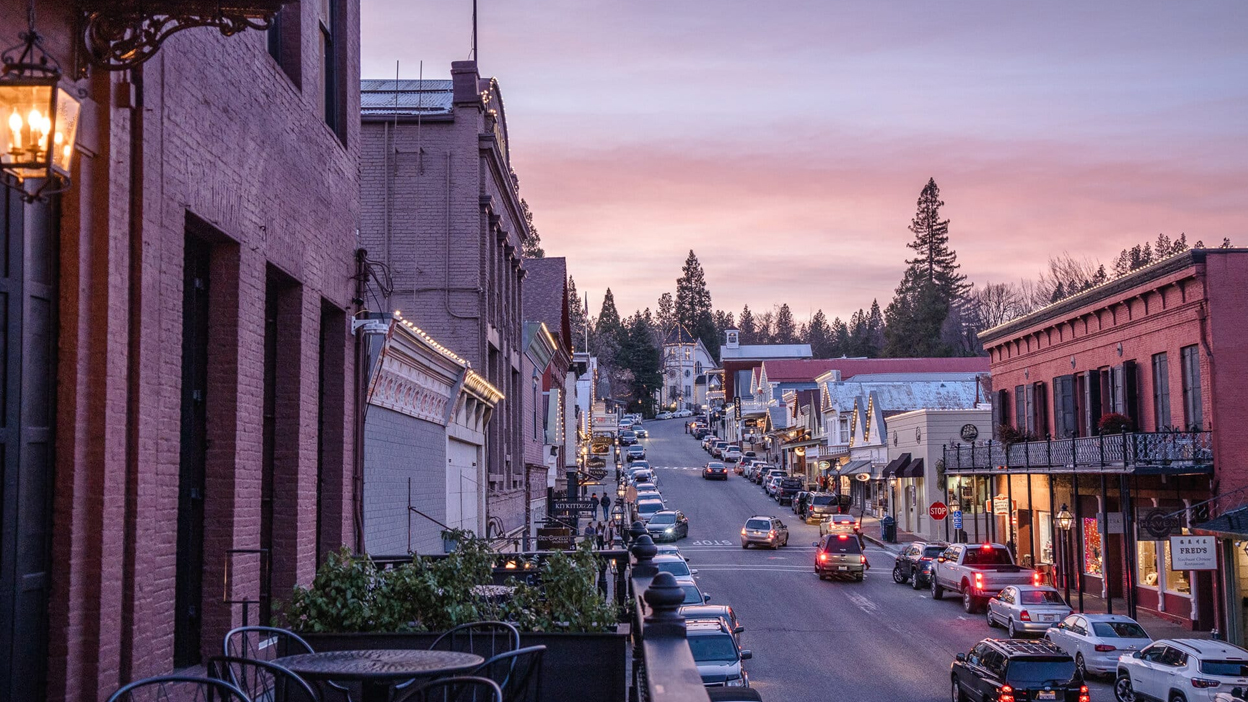
Nevada’s demographic and social environment reflects its rapid population growth and desert characteristics.
The state’s population boom, mainly driven by migration into Las Vegas and Reno, has increased ethnic and cultural diversity in these urban centers. Southern Nevada’s social fabric is heavily shaped by its gaming and entertainment culture, resulting in a unique 24-hour economy and workforce dynamics.
Conversely, rural northern and central Nevada tend to maintain traditional community profiles with less emphasis on tourism or entertainment industries.
Desert living norms permeate statewide:
- There is a strong emphasis on water conservation.
- Residents adapt to extreme heat with appropriate behavioral and housing adjustments.
- Outdoor recreation in Nevada’s desert and mountain areas is common, supported by access to natural landmarks such as Red Rock Canyon.
The state also features a transient workforce, particularly prevalent in hospitality sectors, leading to higher population turnover compared to many other U.S. states.
Taxes, Regulations, and Long-Term Planning
Nevada is known for its favorable tax environment, especially as it has no state income tax, which often attracts new residents. Property taxes and sales taxes are applied but generally remain competitive with other states.
Regulatory frameworks reflect the desert environment’s challenges:
- Water scarcity has led to strict water usage regulations to conserve limited supplies.
- Building and fire codes mandate fire-resistant materials and structural designs suited to mitigate wildfire risks.
- Long-term infrastructure and urban planning must address continued drought pressures and population growth, particularly in metropolitan areas like Las Vegas.
Prospective residents should carefully evaluate these regulations and the implications of climate-driven planning in their relocation decisions, as they impact both cost of living and quality of life.
Conclusion
Understanding these critical things to know before moving to Nevada is essential for anyone considering relocation to this distinctive desert state. Nevada’s vast geographic and climatic diversity, concentrated urban centers contrasted with remote rural areas, economy focused on gaming and tourism, and environmental challenges all shape the reality that residents face statewide.
This factual overview provides a solid foundation for those in the research and planning stage of moving to Nevada. Thorough awareness of the state’s geographic, climatic, economic, and regulatory landscapes will better prepare prospective residents to select the right region within Nevada and adapt efficiently to its unique conditions.
Moving to Nevada involves embracing both the opportunities and constraints of one of America’s driest and most geographically varied desert states.