
Deciding where to live in Seattle can feel like more than just finding the “best neighborhoods in Seattle”—it’s an inward journey to explore how a place fits your rhythms, preferences, and daily life. When thinking about how to choose where to live in Seattle, it helps to leave behind rankings or popularity contests and instead tune into the connection between your lifestyle and the city’s varied urban settings. Moving to Seattle offers a chance to consider how its diverse textures—from waterfront trails to vibrant arts districts and walkable urban villages—can blend with your everyday flow and lived experience.
Seattle is not a monolith. Each area carries a distinct pulse, shaped by the local environment and community. Rather than focusing on labels often attached to “best neighborhoods in Seattle”, this exploration invites reflection on the interplay between your personal routines and the city’s spatial fabric. This approach grounds relocation in thoughtful alignment, nurturing a calmer, more observant mindset about moving to Seattle.
Daily Rhythms and Lifestyle Alignment in Seattle

Your daily rhythms—the habitual patterns of energy through work, leisure, and rest—offer a lens to understand which parts of Seattle might resonate with you. These rhythms shape how urban environments either enliven or strain your sense of balance.
For those whose workdays center around tech hubs, proximity to places like Amazon in South Lake Union can sync tightly with the daily tempo. Mornings might fill with brisk commutes and purposeful movement, while evenings may transition swiftly toward restful or social hours. In contrast, if your days are punctuated with creative pursuits or nightlife, neighborhoods with dense, expressive scenes such as Capitol Hill offer a cadence aligned with vibrant evening energy and cultural events.
Weekend lifestyles further differentiate these flows. Some embrace relaxed, artsy atmospheres where Saturday mornings might include wandering through pop-up markets or quiet café interludes—a mood found in the bohemian corners of Seattle’s eclectic districts. Others may prefer weekend rhythms defined by family outings in parks or well-attended community festivals that impart a more structured, nurturing pace.
These rhythms do not imply that any one environment is superior. Instead, they illuminate how your work and leisure cycles interact with urban settings to create a subjective sense of comfort or dissonance. Being mindful of how your particular daily tempo aligns with the city’s diverse neighborhoods fosters a deeper awareness beyond generic “best neighborhoods in Seattle” notions. This perspective frames where to live in Seattle WA as an echo of your unique life flow.
Density, Space, and Sensory Experience Across Seattle’s Urban Fabric
The city’s physical density, spatial layout, and ambient sensory environment shape how you experience each neighborhood on a very personal level. From the auditory hum to visual openness, these elements influence your daily well-being and comfort.
Imagine the energetic collage that is Capitol Hill. The streets pulse with vibrant murals, historic mansions converted to lively spaces, and an artistic buzz that saturates sidewalks and cafés alike. Here, proximity often means little privacy and continuous sensory input—street noise, chatter, music spilling out after dark. This can feel invigorating and enriching if you thrive in density and human bustle.
By contrast, parts of West Seattle offer a more spacious sensory palette. Coastal beaches like Alki provide natural quiet, open skies, and room to breathe, where the sounds of waves and wind compose a slower rhythm. Similarly, areas along the Fremont Canal feature a quirky openness, low-rise structures, and green trails that invite a different sensory pattern—more playful and spacious, less confined.
Considering these varied social atmospheres invites reflection on how your social personality and needs interface with place. This personal alignment in community presence enriches your experience when moving to Seattle, moving beyond simple judgments of popular or trendy areas.
Life Stage and Anticipated Change
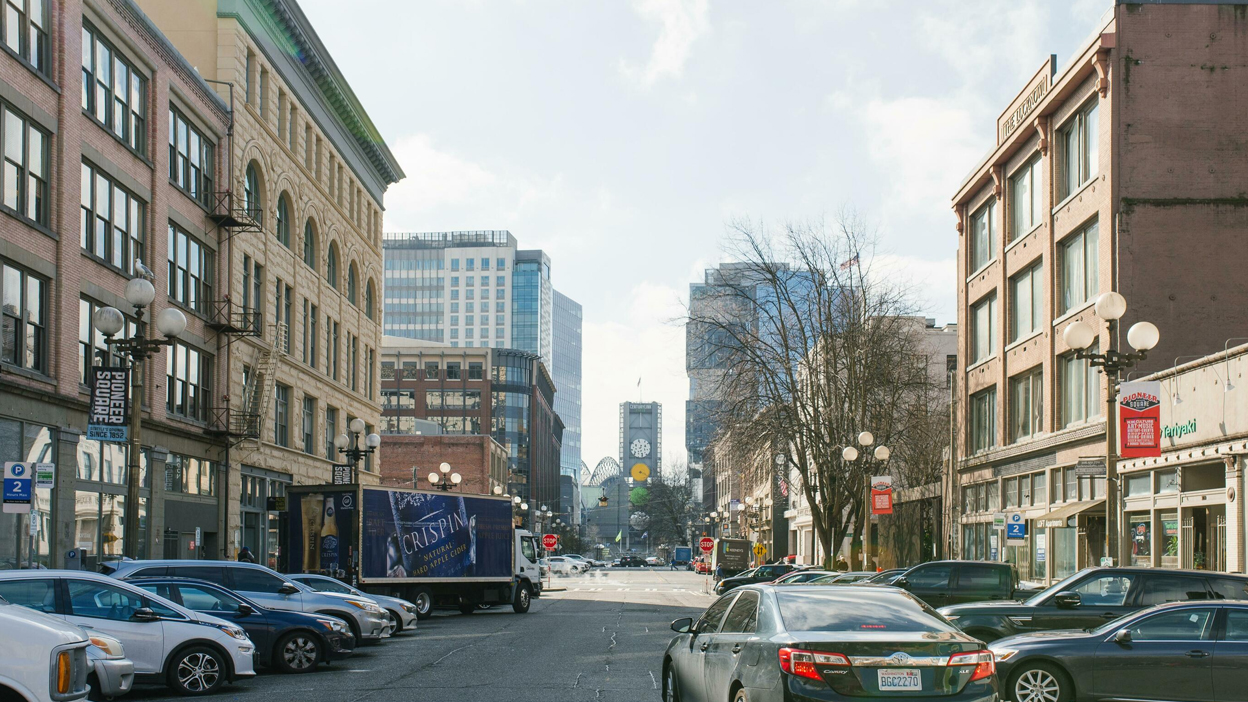
Life stage significantly reframes priorities when considering location within Seattle. The interplay of who you are now and who you anticipate becoming shapes what environments support or challenge you.
Young adults and students often align with neighborhoods pulsating with walkable energy and density, close to universities and nightlife. Families may transition their focus toward areas emphasizing parks, schools, and quieter streets where children can play safely.
Retirement or slower phases of life bring attention to serenity, ease of movement, and access to calming natural spaces. Anticipated life changes—like growing a family or shifting work patterns—encourage thinking longitudinally about place, not only fitting present needs but also supporting evolution.
This approach reminds you that your relationship to place is dynamic. Emotional and practical considerations evolve over time, making it valuable to reflect on both current rhythms and future aspirations. Locales gain meaning not only by snapshot impressions but through unfolding life chapters.
As you ponder where to live in Seattle WA, reflect honestly on your life phase and possible transitions to foster a living arrangement that can flex alongside you rather than feeling imposed or static.
Learning Through Direct Observation
While research and data provide necessary background, truly understanding fit comes from personal, sensory engagement with Seattle’s places. Mindful observation deepens insight beyond what statistics or external opinions can offer.
Engage with the city by walking or paddling familiar routes: stroll Capitol Hill’s streets lined with public art and vibrant venues to tune into urban energy; paddle South Lake Union to sense the rhythm of waterfront life and commuting flow; hike West Seattle’s Lincoln Park for the experience of coastal calm beyond maps.
Notice what you hear—the mix of street noise, voices, natural sounds. Observe how crowds and personal space feel during casual walks. Sense the emotional resonance of community markets, trails, and quiet pockets alike.
These firsthand experiences illuminate the qualities that data omit: a feeling of welcome, subtle stressors, or surprising comfort. This kind of attentive exploration builds personal knowledge of what aligns with your daily life and personality, refining your sense of moving to Seattle from theory to lived reality.
Conclusion
There is no single answer on how to choose where to live in Seattle that fits everyone. The city’s varied environments—from immersive urban hubs pulsating with tech energy, to tranquil coastal retreats, artsy enclaves, and family-centered villages—resonate differently depending on individual lifestyles, rhythms, and personalities.
Focusing on personal alignment invites you to reflect on your daily energy patterns, sensory preferences, social needs, and anticipated life changes. This thoughtful awareness nurtures a sense of place rooted in lived experience rather than external judgment or rankings.
As you navigate moving to Seattle, allow yourself the space to listen inwardly, explore openly, and consider how the city’s complex urban fabric might support the life you envision—not because it’s deemed best by others, but because it feels attuned to you. In this reflection lies the true foundation for where to call home.