
Deciding where to live in Texas is more than consulting ranked lists or online ratings. It’s a highly personal and nuanced choice shaped by your unique lifestyle preferences, family needs, and long-term goals. Understanding how to choose where to live in Texas involves blending practical considerations with a deep reflection on what matters most to you day to day and in the years ahead.
Texas offers a remarkable range of living environments. From bustling Texas cities like Dallas and Austin to master-planned suburban communities, then further out to expansive rural landscapes dotted with farms and forests, the options illustrate just how complex making this decision can be. Each type of setting provides a distinct rhythm of life, different costs, and social dynamics that will affect your daily experiences and future plans.
This guide aims to help you evaluate your choices by focusing on these key decision-making frameworks rather than rank or rate places. By thinking through lifestyle fit, practical trade-offs, and evolving priorities, you can better understand where to live in Texas that aligns with your personal values and needs.
Daily Lifestyle Priorities: Urban, Suburban, and Rural Living in Texas
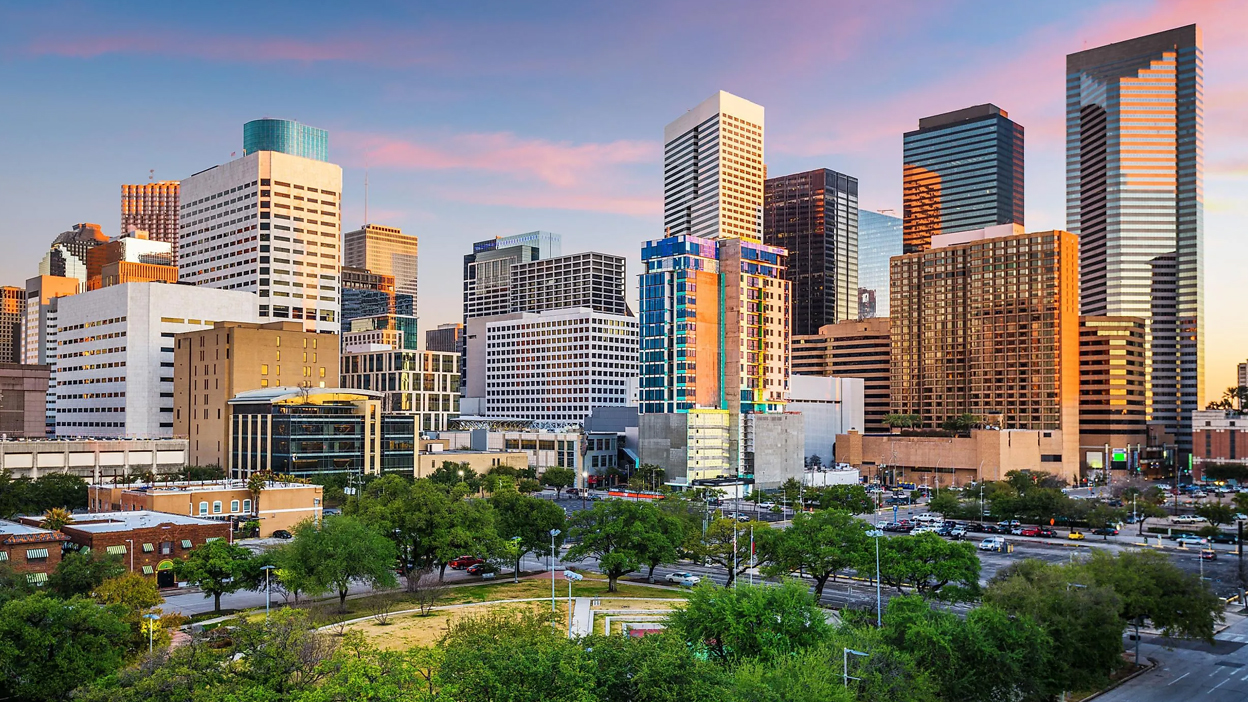
One of the fundamental ways to approach your decision is by defining what daily life looks like for you and your household. Texas offers a spectrum: from urban environments with fast-paced energy to tranquil rural settings, with suburban life often positioned as a balanced middle ground.
Urban Living in Texas tends to center around large metropolitan hubs such as Austin, Dallas, or Houston. Here, your daily routine likely involves close access to jobs, cultural events, diverse dining, and entertainment options. These cities pulse with opportunities and conveniences—all within reach via short commutes or public transit. But with these perks come typical urban trade-offs: more noise, higher crowd density, and often elevated day-to-day costs. Housing might be denser, and living spaces smaller, but the vibrancy of an urban Texas lifestyle can be a compelling draw.
Suburban Life in Texas usually means communities designed around family living and safety with amenities like quality schools, parks, and recreational facilities. Places on the outskirts of large Texas cities typically allow for a more moderately paced lifestyle. Compared to urban cores, commutes are manageable, yards and green space more common, and neighborhoods often cater to active outdoor interests that take advantage of Texas’s sunny climate. Suburban environments can offer a sense of both community and proximity to urban conveniences, which appeals to many balancing work and family life.
Rural Texas Living offers something substantially different—a quieter pace defined by privacy, open space, and a strong connection with nature. Rural regions in East Texas, the Piney Woods, or out west provide opportunities for self-sufficiency on larger plots of land, from gardening to raising livestock. The slower lifestyle might mean fewer amenities immediately available, longer distances to grocery stores or hospitals, and an emphasis on planning daily life around these limitations. Yet, the reward is a lifestyle rich with tranquility, wildlife, and room to breathe.
Each of these lifestyle choices involves trade-offs with cost, social environment, and convenience. While urban residents face higher living expenses and busier environments, rural dwellers benefit from open spaces but must navigate infrastructure challenges. Suburbs attempt to balance these factors, offering moderated costs and a family-oriented vibe. Understanding these distinctions is critical to grasping the broader question of where to live in Texas and what “best places” mean in your individual context.
Geography and Regional Differences: The State’s Vast Tapestry
Texas’s sheer size contributes to significant geographic diversity—from the humid shores of the Gulf Coast to the dry expanses of the western plains. This variation plays a vital role in daily life, shaping your environment far beyond climate alone.
In the eastern part of the state lie the lush Piney Woods, known for greener landscapes and dense forests, offering residents ready access to hiking, lakes, and outdoor parks. This contrasts sharply with the arid, sparsely populated western plains, where isolation and agricultural lifestyles dominate, and residents often live miles apart on ranches or farmland.
Suburbs frequently provide an intermediate dynamic. Often family-focused, these neighborhoods prioritize safety, good schools, and a moderate social tempo. Residents benefit from a community familiar enough to offer support, yet close enough to urban centers to access broader cultural and social experiences.
Evaluating the social environment means reflecting on what kind of community you want to engage with daily—whether that be the intimacy of rural life, the variety of city living, or the familiarity of suburban neighborhoods. This dimension significantly shapes overall satisfaction with where to live in Texas.
Short-Term Versus Long-Term Considerations for Living in Texas
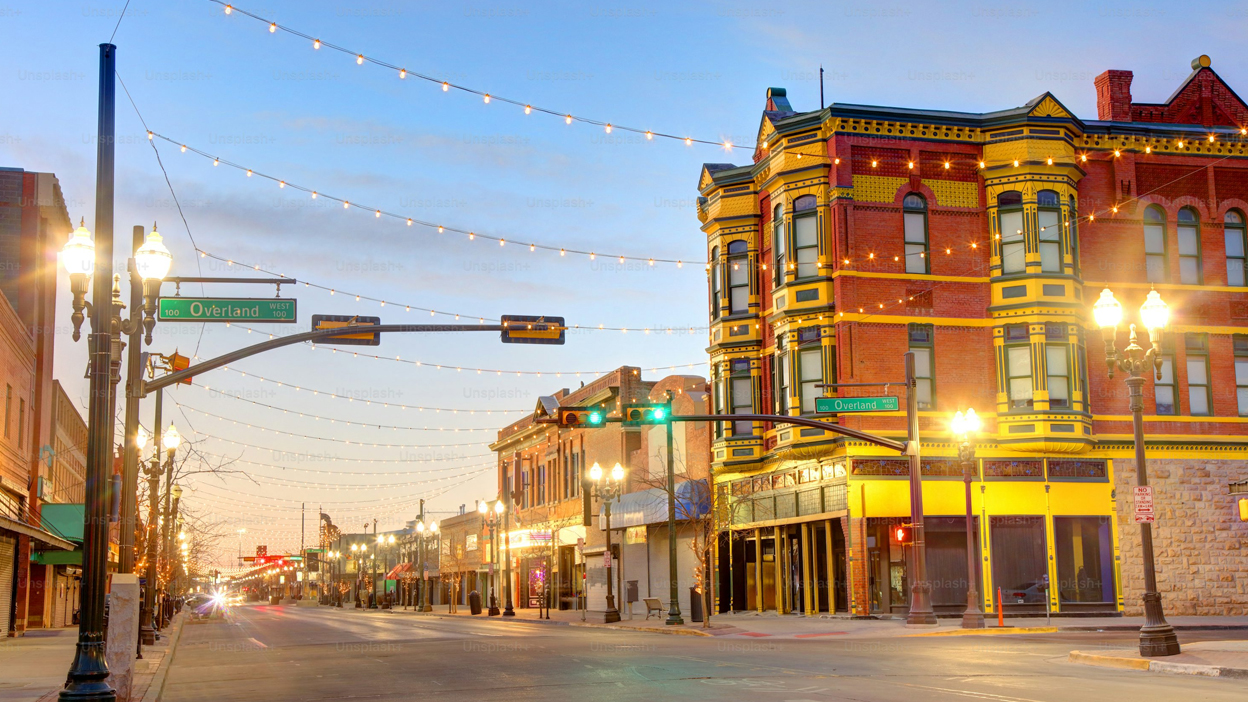
Your current situation and future expectations should guide your assessment. Immediate needs—such as job location, schooling for children, or reliable internet for remote work—often weigh heavily in short-term choices. Rural areas outfitted with broadband connections can serve well for remote employment or temporary retreats.
However, when looking ahead, different priorities emerge. Health care access becomes more critical with age, favoring proximity to hospitals. Economic vitality affects whether schools, jobs, and social opportunities will remain viable for family growth. Rural regions may face challenges supporting aging populations due to distances and fewer services. Conversely, suburban areas often adapt well to family changes and career shifts owing to their infrastructure and amenities.
Urban centers may hold appeal for those seeking dynamic lifestyles but not without corresponding increases in living expenses and congestion. Planning for how your priorities might evolve ensures better alignment with long-term satisfaction.
Recognizing that what suits you today might not suit you years from now encourages flexible thinking when choosing a place to live in Texas.
Practical Ways to Narrow Down Your Options in Texas
The process of selecting where to settle in Texas benefits greatly from mindful reflection and hands-on exploration.
Begin with a self-assessment: consider what aspects of lifestyle matter most. Do you prioritize tranquility or proximity to entertainment? Are social opportunities or privacy more important? What are your non-negotiables—such as commute duration, school quality, or internet reliability?
Next, visit a variety of places that represent the different Texas settings you are considering. Take time to observe everyday life beyond surface impressions. Note the condition of roads, availability of groceries and healthcare, community engagement, and noise levels. Drive routes locals use—not just main highways.
Using resources like census urban-rural maps can offer helpful context on population density and infrastructure, clarifying your sense of place within a community’s landscape.
Above all, resist rushing based on external rankings or transient trends. Patience and thoughtful exploration enhance the chance of finding a genuine match—one that integrates your values with the state’s diverse options.
Conclusion
Choosing where to live in Texas calls for a reflective decision that balances your personal lifestyle, values, and practical needs with the state’s broad array of urban, suburban, and rural possibilities. No single “best” place suits everyone; rather, success lies in matching your unique preferences to the blend of factors—from pace and affordability to social environment and long-term visions—that different regions offer.
The vibrant cities, comfortable suburbs, and peaceful rural areas each hold distinct appeal shaped by geography, economy, and culture. Thoughtful exploration helps identify which environment will support your well-being and aspirations most fully.
As you move forward, keep an open approach, ready to evolve your understanding as your circumstances and priorities shift. Texas, with its expansive landscapes and dynamic communities, invites you to find your own place that truly fits.