
Deciding where to settle within a sprawling, diverse city like San Antonio is a nuanced and deeply personal process. This isn’t about seeking the universally “best neighborhoods in San Antonio”, but rather about reflecting carefully on your own daily rhythms, comfort zones, and how your lifestyle might resonate—or not—with the city’s varied urban environments. Understanding how to choose where to live in San Antonio means stepping away from rankings or conventional portrayals and instead centering your unique lived experience in the conversation.
San Antonio is a city rich with cultural depth, shaped by Mexican, Indigenous, Spanish, and European influences. It’s also marked by distinct economic and spatial contrasts, especially visible along its north/south and east/west axes. These contrasts reveal themselves in the types of services available, the texture of community life, and the feel of public spaces. Exploring where to live here is really an exploration of how your personal habits, routines, and needs find harmony—or friction—with the different parts of the city. This blog invites you to reflect, not to judge or rank, as you consider moving to San Antonio or shifting your place within it.
Daily Rhythms and Lifestyle Alignment
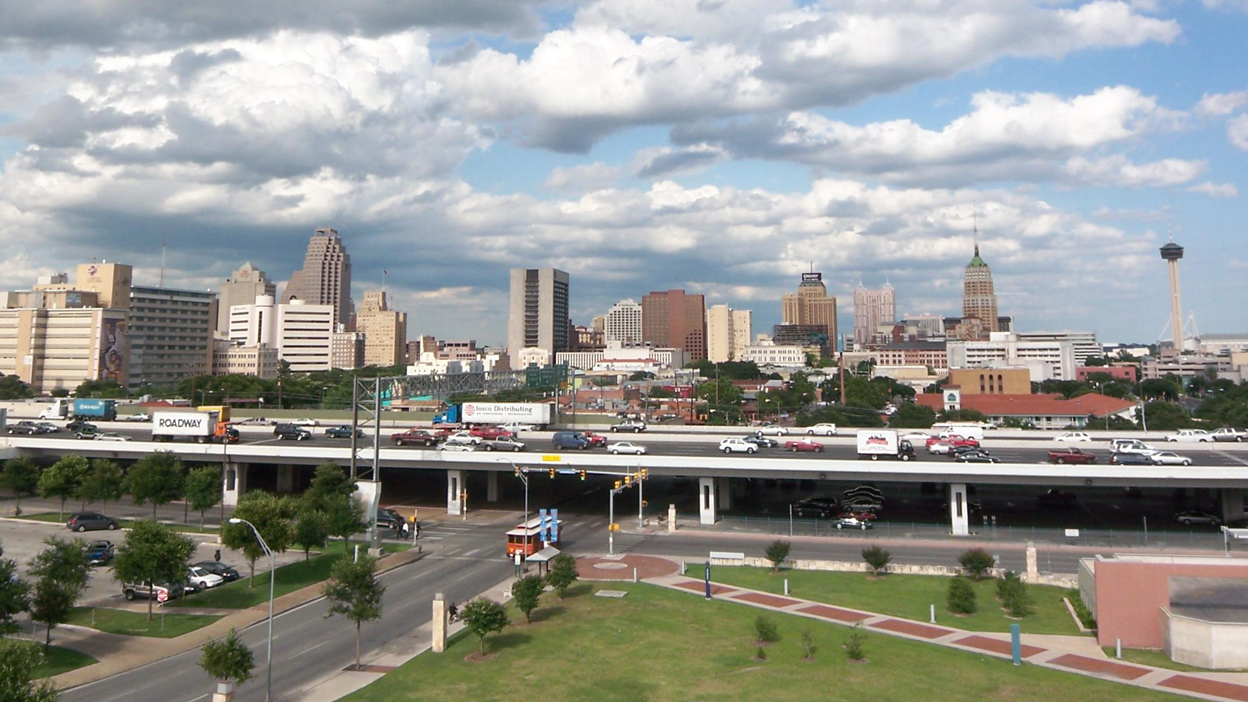
Your daily rhythms encompass much more than just your work schedule. They include how your energy rises and falls over the course of a day, the way you spend your weekends, and how you prefer to unwind or socialize. These personal tempo patterns profoundly shape your interaction with any urban environment.
For example, early risers who commute to a downtown job experience the city’s pace differently than those whose work hours flex or who spend mornings quietly at home. Someone energized by evening gatherings or cultural events will seek a different neighborhood atmosphere than a person who values peaceful, routine mornings and early nights.
San Antonio exemplifies this diversity of rhythm beautifully. Some areas are known for their tree-lined streets and family-focused amenities that support predictable schedules and structured weekends. Elsewhere, historic districts foster a creative cadence, thriving with artists, galleries, and restaurants that invite night owls and spontaneous socializing. Neither environment is better or worse; each either smooths or complicates your natural lifestyle flow.
When considering where to live in San Antonio, think about how your daily natural pace syncs with the rhythm of the neighborhood. Does the area invite you into your daily habits or disrupt them?
Reflecting in this way helps ground your choice in what feels sustainable and genuine to you.
Density, Space, and Sensory Experience
The sensory environment—the sounds, sights, smells, and spatial qualities around you—shapes your emotional and physical wellbeing in subtle but compelling ways. San Antonio’s neighborhoods present a wide range of sensory experiences.
In some parts of the city, vibrant murals and historic landmarks punctuate the streets, imbuing the space with a lively cultural pulse. These neighborhoods might brim with the sounds of music, the scent of local cuisine, and the bustle of foot traffic. In contrast, many residential areas offer quieter settings, with classic mid-century homes and a sense of calm grounded in strong community ties.
When reflecting on where to live in San Antonio, it helps to honestly assess your social preferences. Will you feel nourished or depleted by consistent community contact?
Would a visible neighborhood support your wellbeing or feel intrusive? Remember, no social configuration is inherently superior—only different in how well it matches your nature.
Life Stage and Anticipated Change
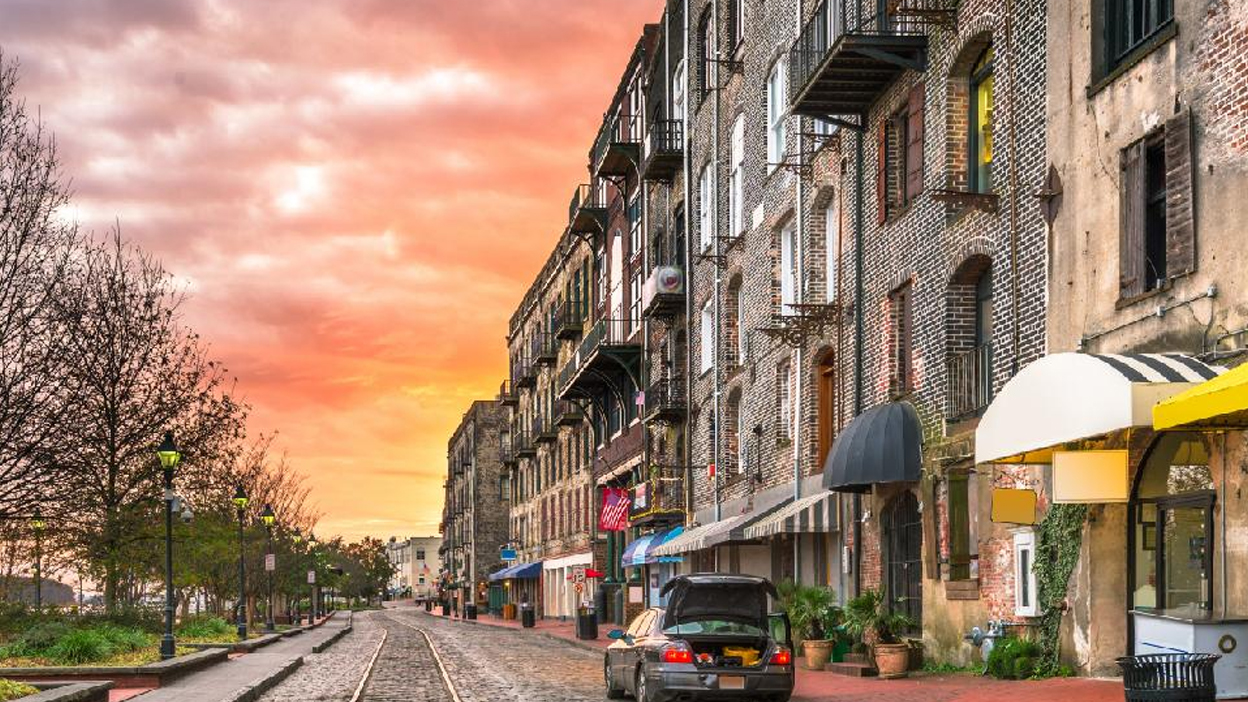
Our needs from place evolve as we move through life’s stages. Whether you are establishing your independence, raising children, managing career transitions, or entering a quieter phase, neighborhood characteristics that suit one life stage may become less fitting or even constraining at another.
Some areas cater intuitively to families with schooling and playgrounds; others resonate with those focused on careers or creative pursuits. Anticipating your own changes—and the flexibility you might require from your environment—adds a vital temporal dimension to your place reflections.
In considering moving to San Antonio, it is valuable to imagine how your needs might evolve. Does the place you’re drawn to have enough adaptability to support shifts in lifestyle? Thinking longitudinally about place alignment can help create a sustainable living situation rather than a temporary fix.
Learning Through Direct Observation
No amount of external data, rankings, or reviews can replace the embodied experience of spending time in a place. The true understanding of how a neighborhood fits you emerges through mindful, repeated visits.
Exploring different areas of San Antonio at varied times—weekday mornings and evenings, weekends, during community gatherings, or quiet moments—provides rich insight. Pay close attention to how you feel physically and emotionally: are you energized, safe, connected, or overwhelmed? Notice how the light casts shadows, how the streets hum or hush, what smells rise in the air.
For instance, the historic, eclectic districts near downtown have a very different sensory rhythm than quieter, residential parts with steady community presence. Feeling these nuanced contrasts firsthand helps deepen your understanding beyond surface-level impressions.
When navigating where to live in San Antonio, prioritize direct experience and your genuine reactions. These subtle details often reveal the truest measure of fit.
Conclusion
San Antonio is composed of many different places, none inherently better or worse, but each offering distinct blends of space, sensory environment, services, and social life. The heart of choosing where to live lies not in external rankings but in discovering alignment between your unique rhythms, lifestyle needs, social preferences, and how you anticipate growing and changing.
This journey is ultimately one of self-discovery. By paying mindful attention to your lived experience as you explore the city’s diverse urban fabrics, you cultivate a sustainable connection to place—one that supports your wellbeing within San Antonio’s rich and complex landscape.
Choosing where to live in San Antonio means embracing this complexity with openness, reflection, and patience, creating a home that resonates authentically with who you are and who you are becoming.