
Deciding how to choose where to live in Maryland is a deeply personal decision. It is shaped more by the lifestyle you envision than by popular opinion or any list of the best places to live in Maryland. The state offers a broad spectrum of living environments, from the fast-paced urban heart of Baltimore City to the family-focused suburbs scattered throughout Baltimore County and neighboring areas, and extending out to rural counties known for their small-town character and abundant natural landscapes.
Maryland’s geographic diversity invites thoughtful reflection rather than a quick search for top-ranked communities. This variance in setting demands an evaluation of lifestyle fit at a very individual level—looking beyond the surface to understand what environment truly complements your daily rhythms, priorities, and values. The goal here is not to point you toward a universally “best” place but to provide a decision-making framework to help you explore where to live in Maryland in a way that supports your unique needs.
Exploring Daily Lifestyle Priorities: Urban vs. Suburban vs. Rural Living in Maryland

Understanding your preferred daily lifestyle is a crucial starting point. Maryland’s urban, suburban, and rural areas each embody distinct environments that shape your daily routine, relationships, and sense of place.
Urban Living: The Baltimore City Experience
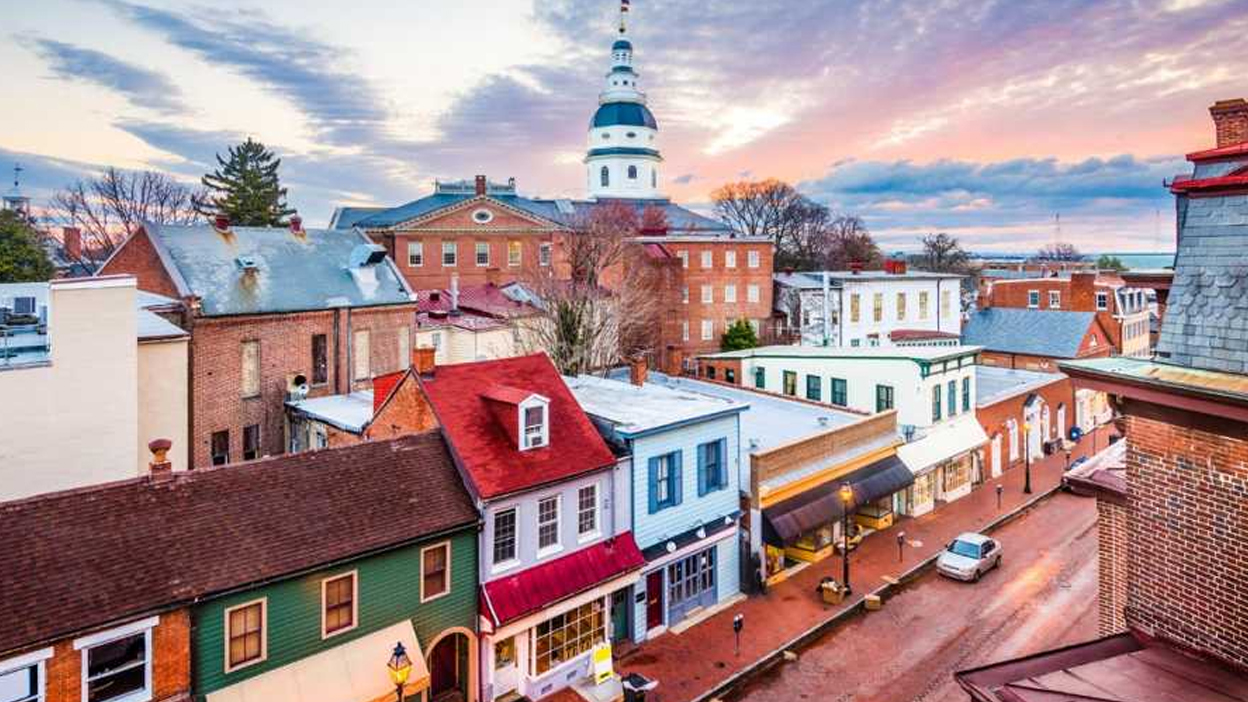
At Maryland’s urban core lies Baltimore City, a setting known for its energy and immediacy. Living in Baltimore means engaging with neighborhoods where walkability is high, historic rowhomes abound, and cultural offerings along with nightlife are easy to reach on foot. This setting suits those who thrive on vibrant street life and quick access to sports, theaters, diverse restaurants, and festivals.
However, urban living often means accepting denser housing, smaller lot sizes, and a relatively higher property tax burden. The pace is brisk, and the surroundings more compact. If your everyday norms lean toward immediacy, cultural integration, and urban interaction, Baltimore’s neighborhoods may match that preference. It’s important to factor in the trade-offs in space and cost that come with urban density.
Suburban Living: A Balance of Space and Convenience
Moving outward from the city, Maryland’s suburbs—including places like Towson, Bethesda, and Columbia—offer a different rhythm. Suburban existence typically offers more spacious, family-friendly housing, including single-family homes and townhouses. These neighborhoods often benefit from proximity to quality schools, shopping centers, and public transit, striking a balance between accessibility and tranquility.
Commuting routines tend to be regular but manageable, providing a middle ground between the immediacy of urban life and the seclusion of rural living. If your everyday life calls for both convenience and space, with moderate travel times and community-centric amenities, the suburbs present a distinct framework conducive to those needs.
Rural Living: Immersion in Nature and Tradition
In Maryland’s more rural counties such as Carroll or Harford, life unfolds at a gentler pace. These areas carry an agricultural heritage, with preserved natural landscapes, farms, and opportunities for outdoor recreation like fishing, hiking, or horseback riding. Homes come with larger properties, giving residents room to spread out and cultivate a strong connection to their land.
The trade-offs here include fewer commercial services, longer distances for errands and work, and more restrictive land-use policies aimed at maintaining rural character. If tranquility, space, and nature are central to your lifestyle vision, rural Maryland offers a distinctive alternative.
Rural areas such as Carroll, Harford, and Hereford are shaped by tight-knit populations focused on land preservation and tradition. Social life moves at a slower pace, with strong attachments to local heritage and outdoor lifestyles. This can create a powerful sense of communal identity, though less diversity and fewer social outlets might temper social integration for some.
Reflecting on where you feel most socially comfortable and supported is vital. Consider not just diversity levels but also how social dynamics align with your need for connection and community atmosphere.
Balancing Short-Term Needs with Long-Term Perspectives
Immediate priorities often influence initial housing choices. Young professionals may lean toward urban energy that supports career-building and social opportunities. Growing families might prefer suburban communities with schools and outdoor play areas. These decisions make sense when viewed through the lens of current life stage and demands.
Over time, these needs can evolve. Later life stages may motivate moves to rural or more nature-oriented settings for space, tranquility, and leisure. Remote work trends may prompt reevaluations of commuting necessity, encouraging greater adoption of less dense living environments.
Population patterns in Maryland show ongoing suburban growth while some rural counties experience slower changes or out-migration. These trends highlight that flexibility in assessing your housing needs is essential.
Ultimately, anticipating how lifestyle priorities might shift over time and remaining open to future adjustments strengthens your decision process.
Practical Methods for Narrowing Down Location Choices
Effective selection begins with introspection. Assess your ideal daily rhythm, social preferences, and job requirements candidly before diving into neighborhood options.
Visiting potential locations offers invaluable perspective. Walk or drive through Baltimore’s varied urban sectors, spend time in suburban neighborhoods such as Towson or Columbia, and explore rural trails and communities like those in Carroll County. Notice transit accessibility, local amenities, and the general community vibe.
Trying test commutes, sampling local services, and spending quiet moments in parks or cafes can reveal subtle but important signals about fit. These firsthand experiences help move beyond surface-level attraction to real understanding of how a place supports your daily life.
Patience and self-awareness are crucial. Avoid rushing into decisions based on hype or popularity. Instead, let your personal values and lifestyle patterns guide you toward locations where you can envision meaningful, sustainable living.
Conclusion
Choosing where to live in Maryland ultimately means finding harmony between your personal lifestyle needs and the rich diversity of environments the state offers. Whether urban vibrancy, suburban balance, or rural tranquility most aligns with you, there is no single “best” destination.
Fulfillment comes from a careful, reflective process that honors who you are now and who you may become. By trusting your own decision-making framework over external comparisons or rankings, you lay the foundation for a living situation that resonates deeply and adapts as life unfolds. Cost considerations, social dynamics, geography, and work realities all play roles, but your values remain the central compass.
With this thoughtful perspective, you are equipped to explore where to live in Maryland with clarity, patience, and confidence.